Sultan Al-Ashraf Qaytbay Mosque and Mausoleum things to do, attractions, restaurants, events info and trip planning
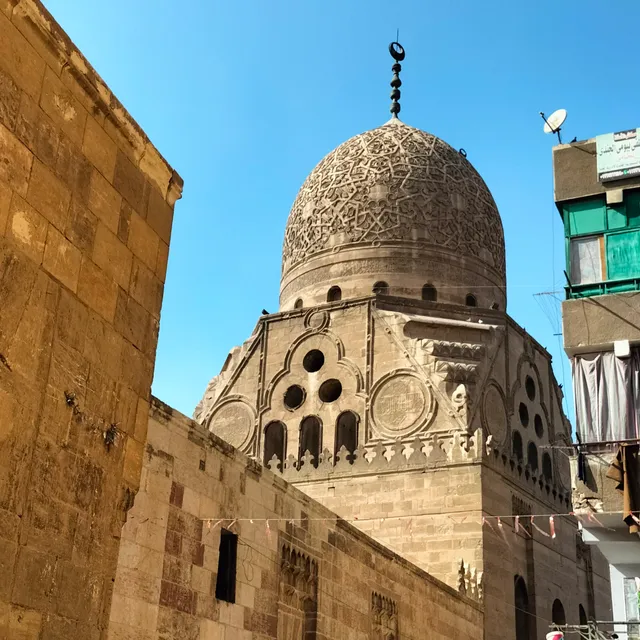
Basic Info
Sultan Al-Ashraf Qaytbay Mosque and Mausoleum
El-Gamaleya, El Gamaliya, Cairo Governorate 4420303, Egypt
4.7(630)
Open until 5:00 PM
Save
spot
spot
Ratings & Description
Info
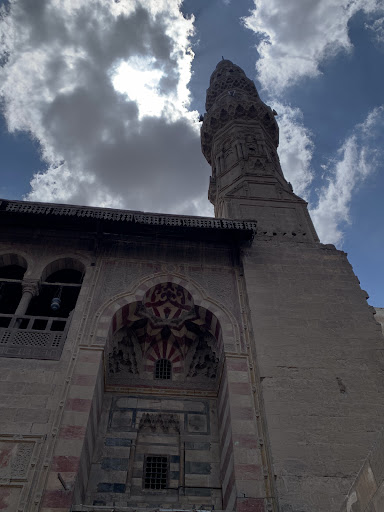
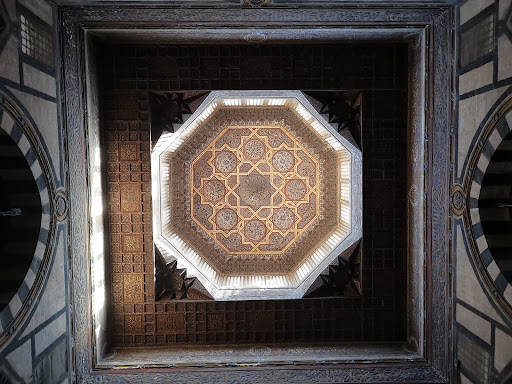
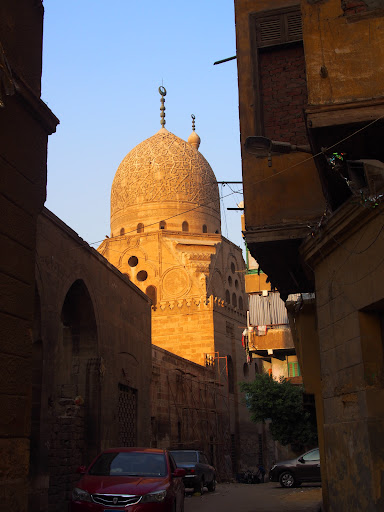
The funerary complex of Sultan Qaytbay is an architectural complex built by Sultan al-Ashraf Qaytbay in Cairo's Northern Cemetery, completed in 1474. It is often considered one of the most beautiful and accomplished monuments of late Egyptian Mamluk architecture, and is pictured on the Egyptian one pound note.
Cultural
Scenic
Family friendly
Accessibility
attractions: Raba' of Sultan Qaytbay, مسجد الشيخ صالح الجعفري, حديقة الخالدين, Al-Azhar Park, restaurants: The Citadel Restaurant, Kohinoor Restaurant and Cafe, local businesses: Northern Cemetery of Historic Cairo
 Learn more insights from Wanderboat AI.
Website
egymonuments.gov.eg
Open hoursSee all hours
Tue9 AM - 5 PMOpen
Plan your stay

Pet-friendly Hotels in Cairo
Find a cozy hotel nearby and make it a full experience.

Affordable Hotels in Cairo
Find a cozy hotel nearby and make it a full experience.

The Coolest Hotels You Haven't Heard Of (Yet)
Find a cozy hotel nearby and make it a full experience.

Trending Stays Worth the Hype in Cairo
Find a cozy hotel nearby and make it a full experience.
Reviews
Live events

Local Cairo Walking & Food Tour
Sat, Feb 28 • 5:00 PM
Qasr Ad Dobarah, Cairo Governorate, 11562, Egypt
View details
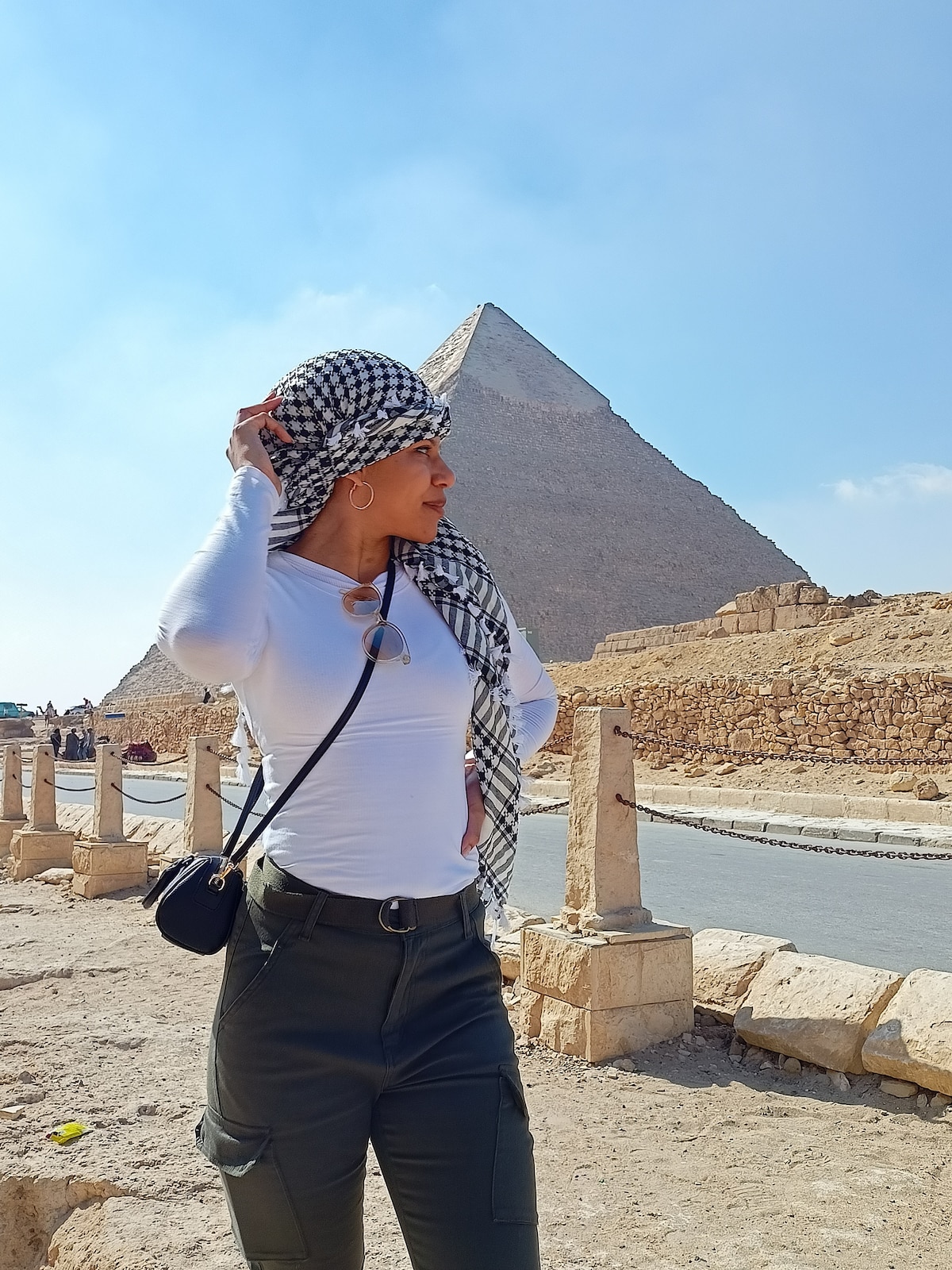
Private tour to Giza Pyramids, Sphinx, ATVs& Lunch
Tue, Feb 24 • 8:00 AM
Qasr Ad Dobarah, Cairo Governorate, 11512, Egypt
View details
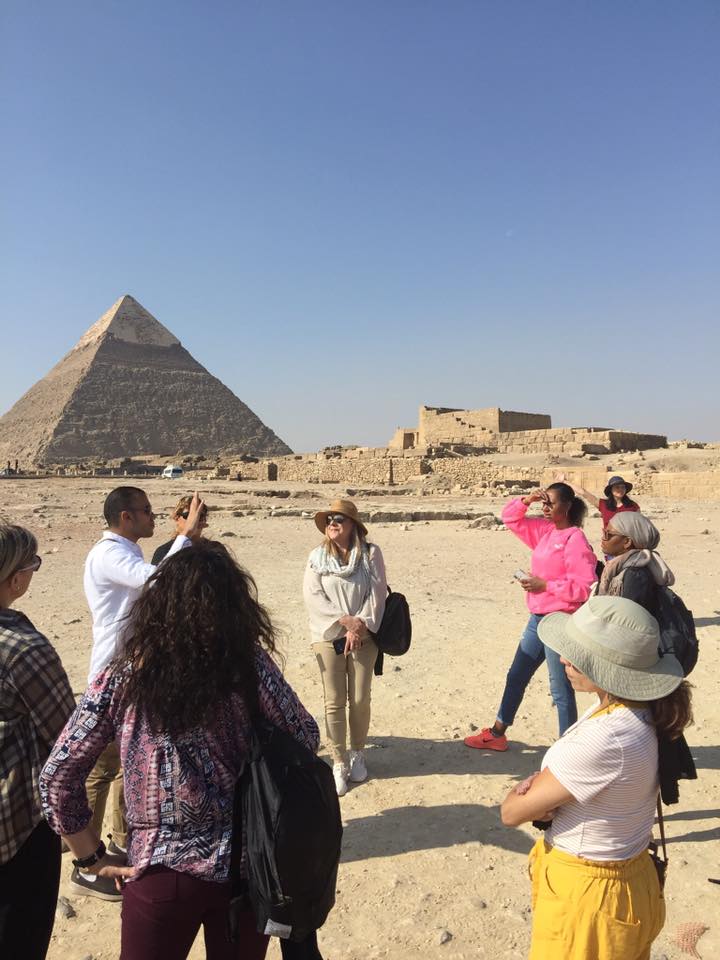
Explore Giza pyramids Sphinx, Saqqara and Memphis
Tue, Feb 24 • 7:00 AM
Bab Al Louq, Cairo Governorate, 11512, Egypt
View details
Nearby attractions of Sultan Al-Ashraf Qaytbay Mosque and Mausoleum
Raba' of Sultan Qaytbay
مسجد الشيخ صالح الجعفري
حديقة الخالدين
Al-Azhar Park
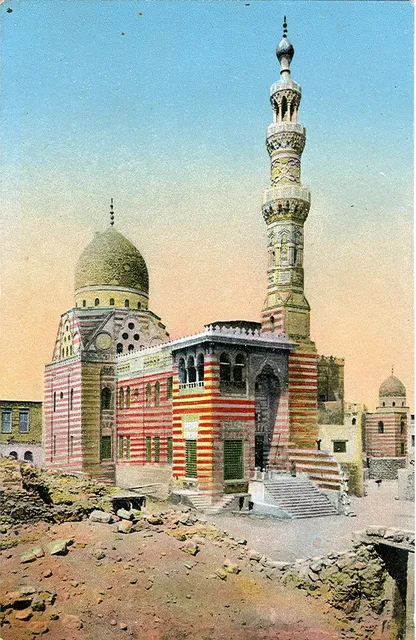
Raba' of Sultan Qaytbay
4.5
(120)
Open until 12:00 AM
Click for details
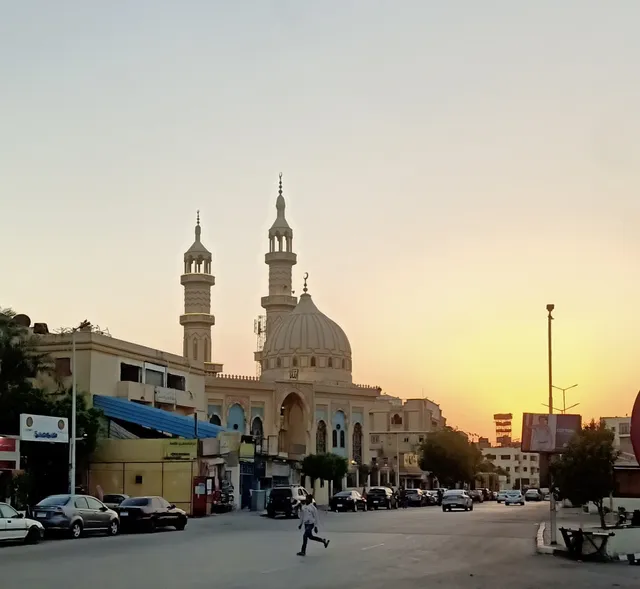
مسجد الشيخ صالح الجعفري
4.7
(626)
Open 24 hours
Click for details

حديقة الخالدين
4.1
(200)
Open 24 hours
Click for details

Al-Azhar Park
4.5
(14K)
Open until 10:00 PM
Click for details
Nearby restaurants of Sultan Al-Ashraf Qaytbay Mosque and Mausoleum
The Citadel Restaurant
Kohinoor Restaurant and Cafe
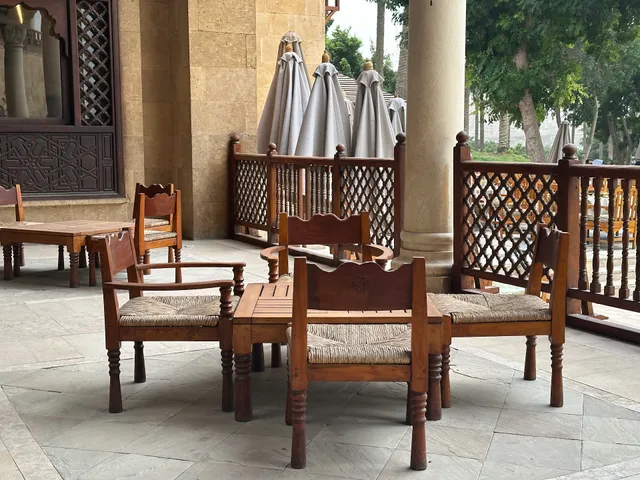
The Citadel Restaurant
3.4
(159)
$$
Closed
Click for details

Kohinoor Restaurant and Cafe
4.5
(133)
Closed
Click for details
Nearby local services of Sultan Al-Ashraf Qaytbay Mosque and Mausoleum
Northern Cemetery of Historic Cairo
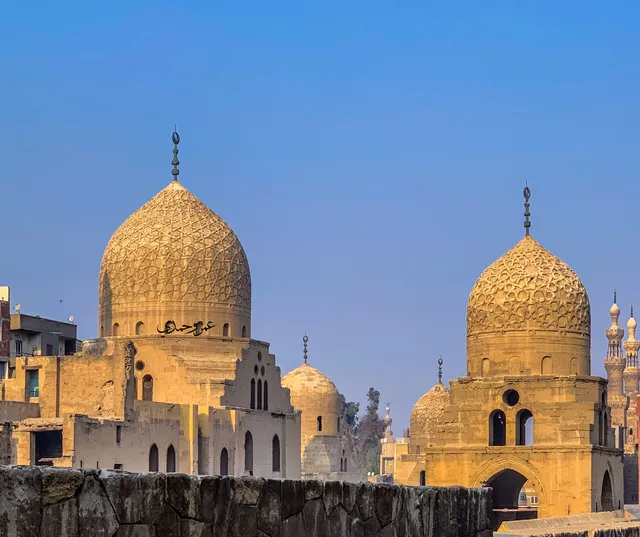
Northern Cemetery of Historic Cairo
4.7
(12)
Click for details