Sultan Al Nasir Muhammad Mosque things to do, attractions, restaurants, events info and trip planning
Basic Info
Sultan Al Nasir Muhammad Mosque
27H6+M7X, Passage Inside Salah Al Din, Al Abageyah, El Khalifa, Cairo Governorate 4252360, Egypt
4.7(269)
Closed
Save
spot
spot
Ratings & Description
Info
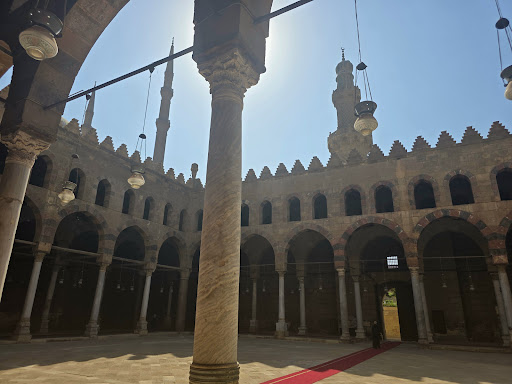
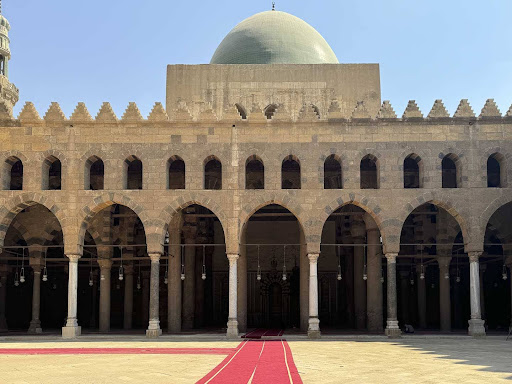
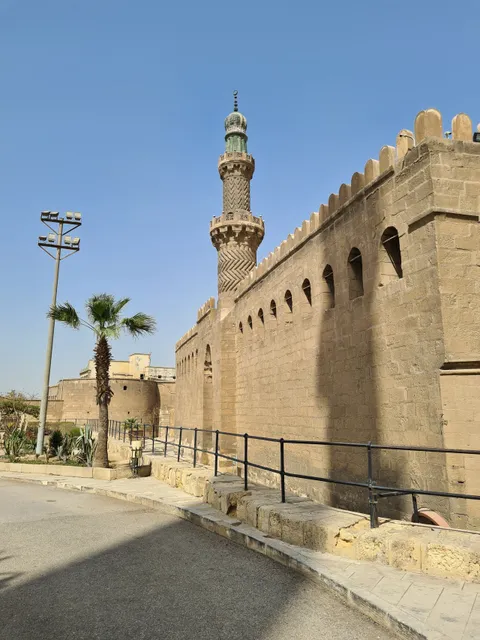
The Sultan al-Nasir Muhammad ibn Qalawun Mosque is an early 14th-century mosque at the Citadel in Cairo, Egypt. It was built by the Mamluk sultan Al-Nasr Muhammad in 1318 as the royal mosque of the Citadel, where the sultans of Cairo performed their Friday prayers.
Cultural
Family friendly
Accessibility
attractions: Saladin Citadel, Mosque of Muhammad Ali, National Military Museum Egypt, National Police Museum, Egyptian Archives, Al-Gawhara Palace, Mosque-Madrasa of Sultan Hassan, Mostafa Kamel Museum, Al-Rifa'i Mosque, Sayyida Aisha Mosque, restaurants: Belia fish, local businesses: Cairo Citadel, Palace Ablaq, Museum of the royal vehicles, Sayeda Aisha Market, Citadel Plaza, Palacio del Príncipe Taz, تكية مسافر, Big Home
 Learn more insights from Wanderboat AI.
Open hoursSee all hours
Fri8 AM - 5 PMClosed
Plan your stay

Pet-friendly Hotels in Cairo
Find a cozy hotel nearby and make it a full experience.

Affordable Hotels in Cairo
Find a cozy hotel nearby and make it a full experience.

The Coolest Hotels You Haven't Heard Of (Yet)
Find a cozy hotel nearby and make it a full experience.

Trending Stays Worth the Hype in Cairo
Find a cozy hotel nearby and make it a full experience.
Reviews
Live events
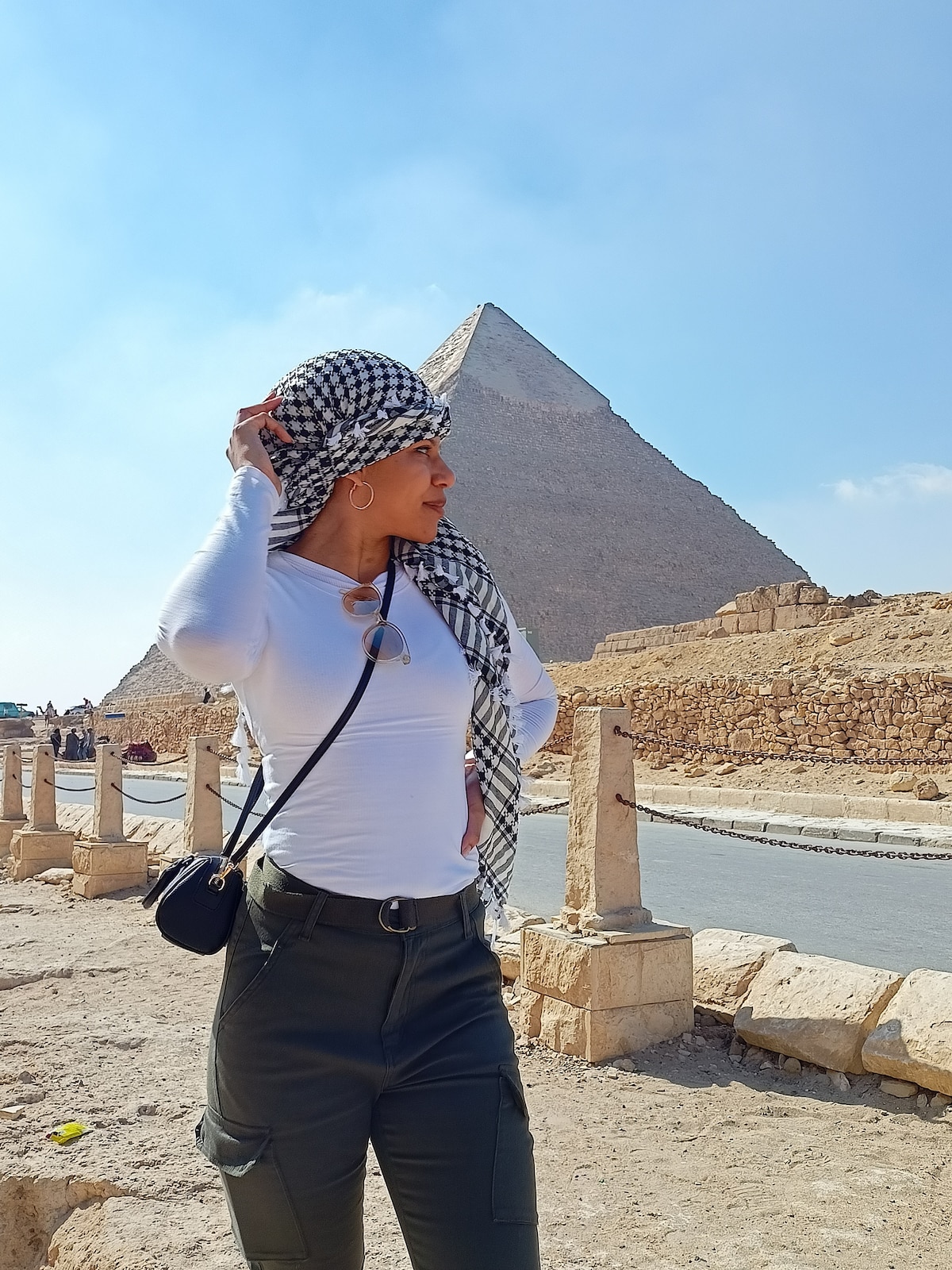
Private tour to Giza Pyramids, Sphinx, ATVs& Lunch
Sat, Feb 14 • 8:00 AM
Qasr Ad Dobarah, Cairo Governorate, 11512, Egypt
View details

Local Cairo Walking & Food Tour
Sat, Feb 14 • 5:00 PM
Qasr Ad Dobarah, Cairo Governorate, 11562, Egypt
View details
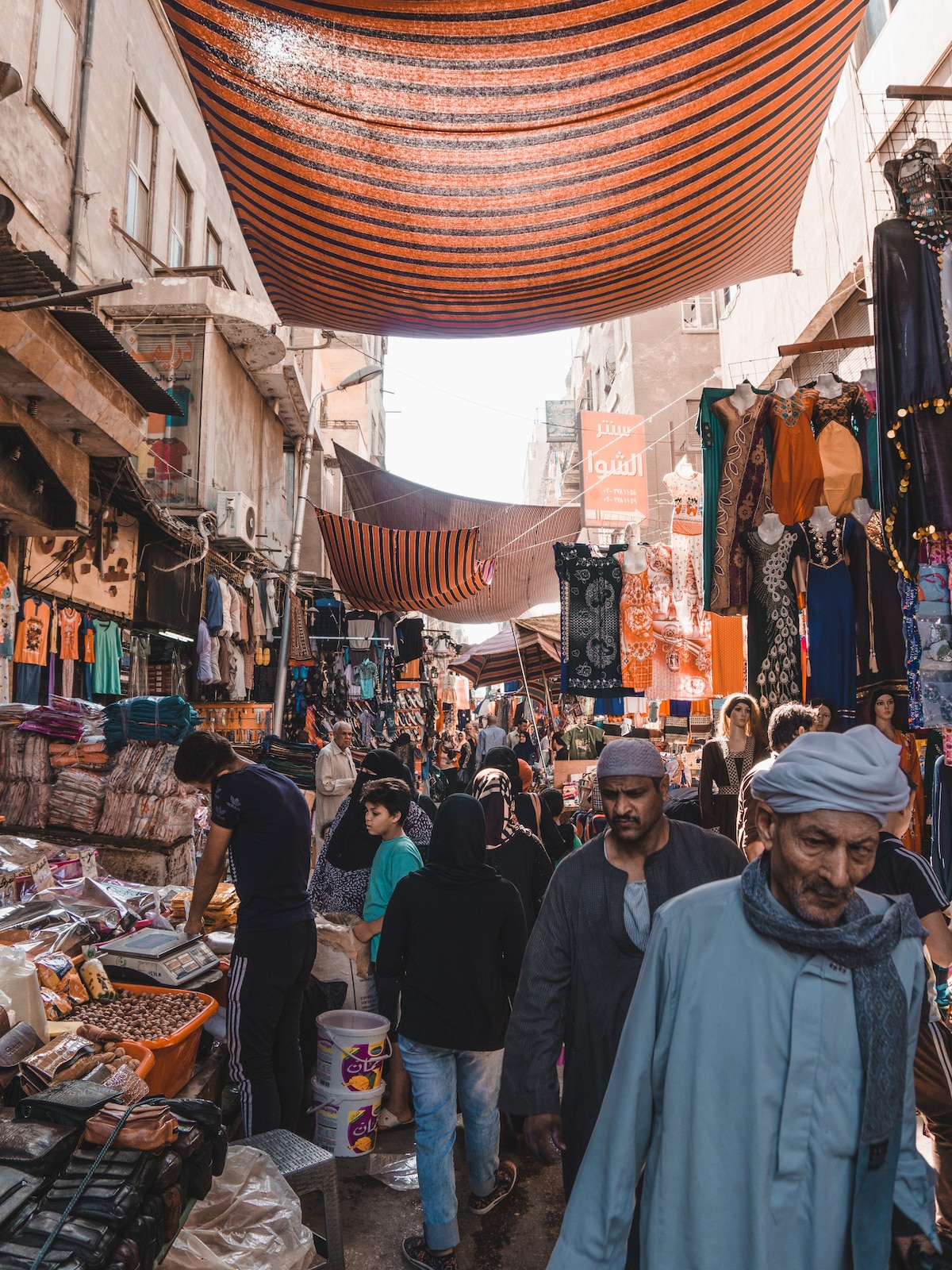
Engage with Egyptian life & Bazzar
Fri, Feb 13 • 5:00 PM
As Sawabi, Cairo Governorate, 4331216, Egypt
View details
Nearby attractions of Sultan Al Nasir Muhammad Mosque
Saladin Citadel
Mosque of Muhammad Ali
National Military Museum Egypt
National Police Museum
Egyptian Archives
Al-Gawhara Palace
Mosque-Madrasa of Sultan Hassan
Mostafa Kamel Museum
Al-Rifa'i Mosque
Sayyida Aisha Mosque
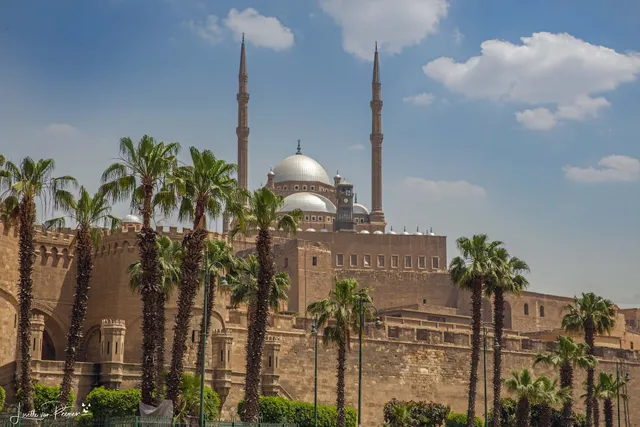
Saladin Citadel
4.6
(12.8K)
Closed
Click for details
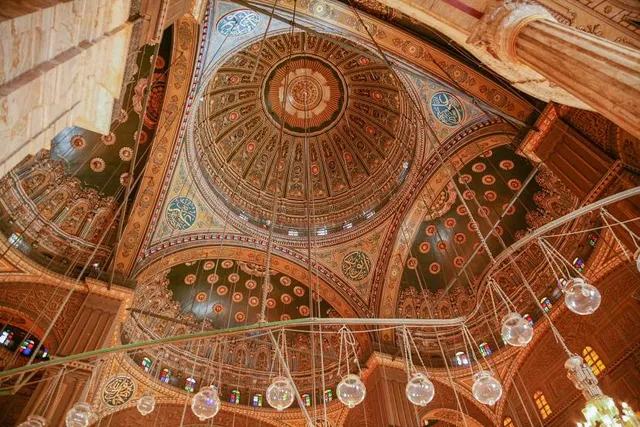
Mosque of Muhammad Ali
4.7
(3.2K)
Open 24 hours
Click for details
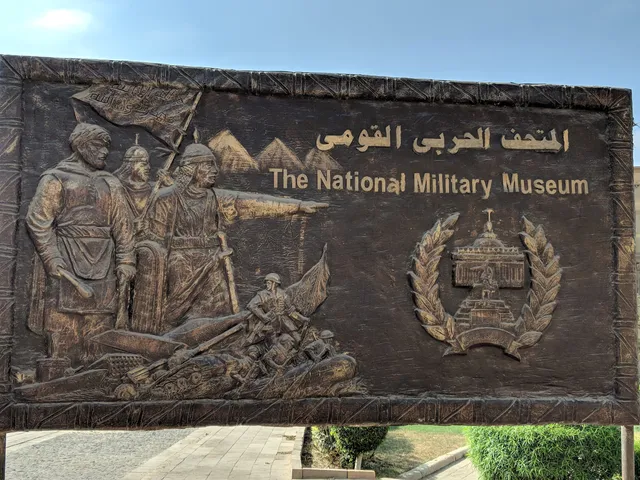
National Military Museum Egypt
4.3
(2.1K)
Closed
Click for details
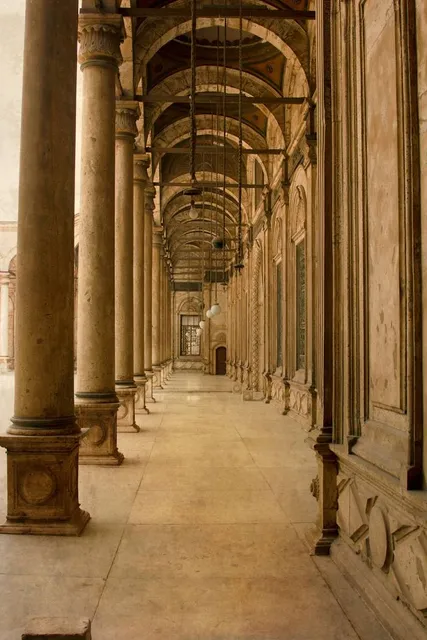
National Police Museum
4.0
(102)
Closed
Click for details
Nearby restaurants of Sultan Al Nasir Muhammad Mosque
Belia fish
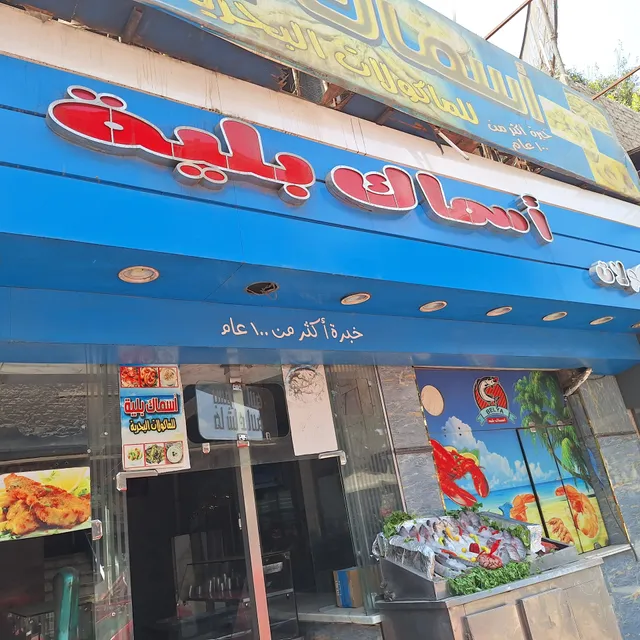
Belia fish
4.0
(280)
Click for details
Nearby local services of Sultan Al Nasir Muhammad Mosque
Cairo Citadel
Palace Ablaq
Museum of the royal vehicles
Sayeda Aisha Market
Citadel Plaza
Palacio del Príncipe Taz
تكية مسافر
Big Home
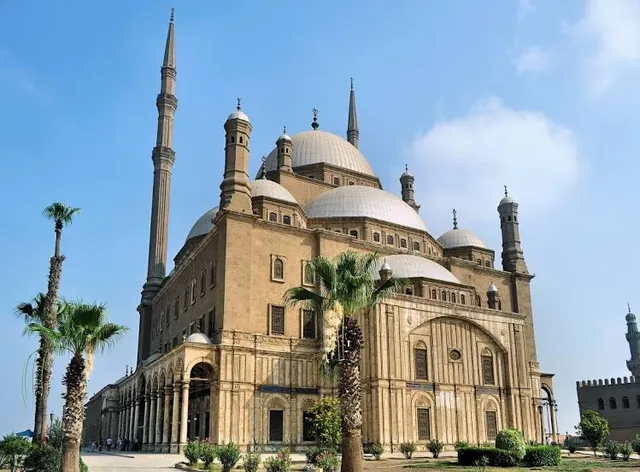
Cairo Citadel
4.6
(9.8K)
Click for details
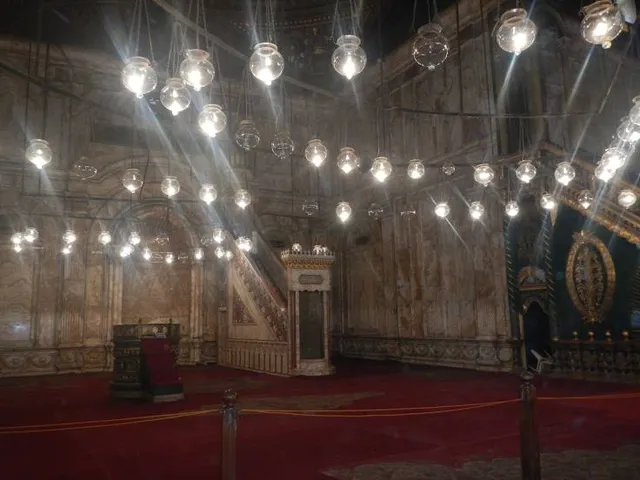
Palace Ablaq
4.6
(28)
Click for details
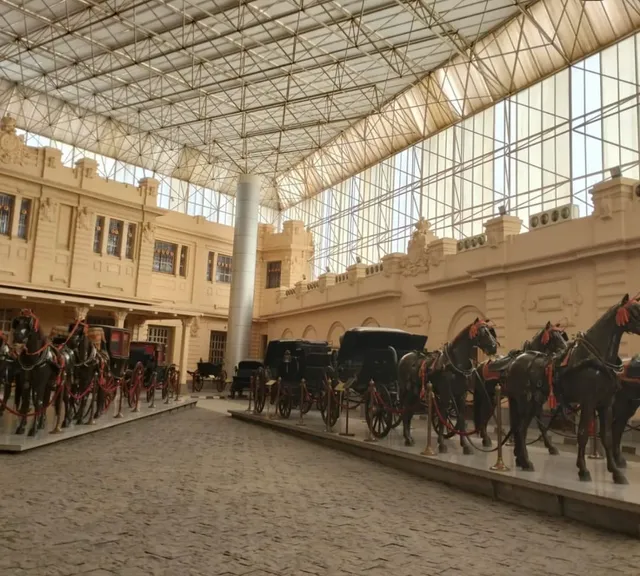
Museum of the royal vehicles
4.8
(8)
Click for details
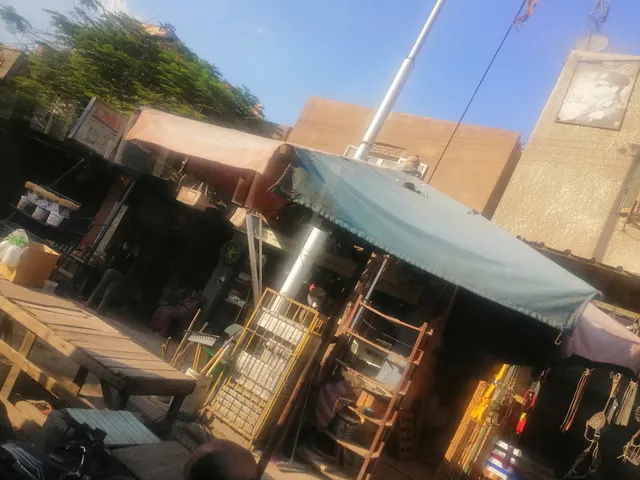
Sayeda Aisha Market
3.9
(1.9K)
Click for details