Hypostyle Hall things to do, attractions, restaurants, events info and trip planning
Basic Info
Hypostyle Hall
PM95+F45, Luxor City, Luxor, Luxor Governorate, Egypt
4.9(138)
Closed


tickets
Save
spot
spot
Ratings & Description
Info
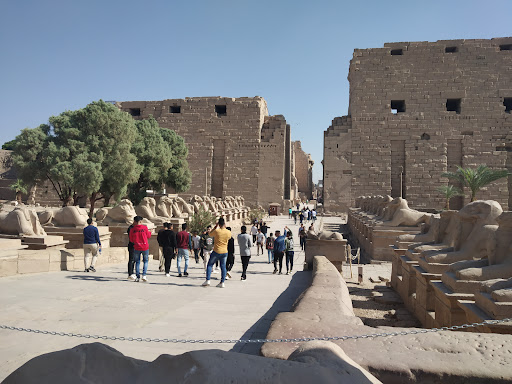
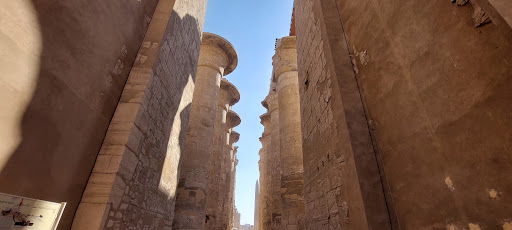
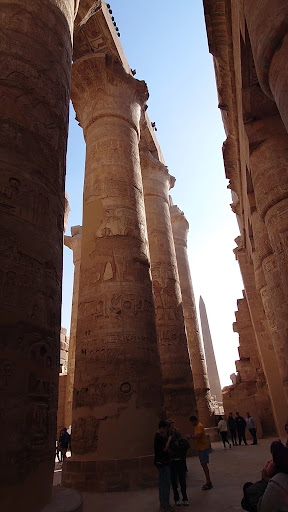
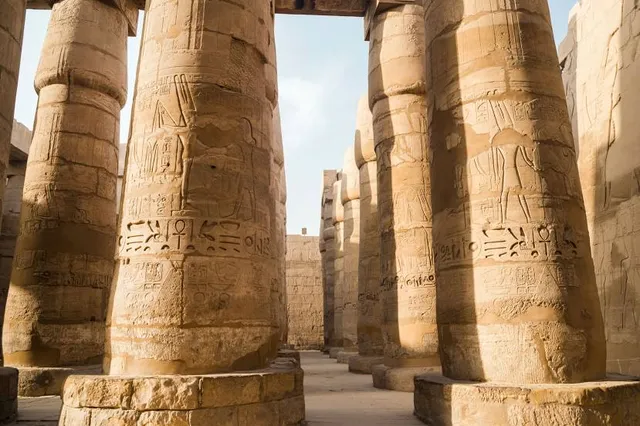
The Great Hypostyle Hall is located within the Karnak Temple Complex, in the Precinct of Amon-Re. It is one of the most visited monuments of Ancient Egypt. The structure was built around the 19th Egyptian Dynasty.
Cultural
Scenic
Accessibility
attractions: Karnak, Precinct of Amun-Re, Temple of Ramesses III, Obelisk of Thutmose I, First Pylon, Temple of Thutmose III, Karnak Open-air Museum, Temple of Ramesses II, Temple Of Khonsu, Sound & Light, restaurants: White Coffee & Restaraunt, Beyt Ward Restaurant and cafe shop, El Hussein Seafood Restaurant, مطعم النيل السياحى - Nile Restaurant Luxor, El Hussein 2 seafood Restaurant, Jockey Cafe, المطعم الصيني يو شان فانج, El Hussein Restaurant, Cafe Grande, local businesses:
 Learn more insights from Wanderboat AI.
Phone
+20 95 2380270
Open hoursSee all hours
Tue8 AM - 5 PMClosed
Plan your stay

Pet-friendly Hotels in Old Karnak
Find a cozy hotel nearby and make it a full experience.

Affordable Hotels in Old Karnak
Find a cozy hotel nearby and make it a full experience.

The Coolest Hotels You Haven't Heard Of (Yet)
Find a cozy hotel nearby and make it a full experience.

Trending Stays Worth the Hype in Old Karnak
Find a cozy hotel nearby and make it a full experience.
Reviews
Live events
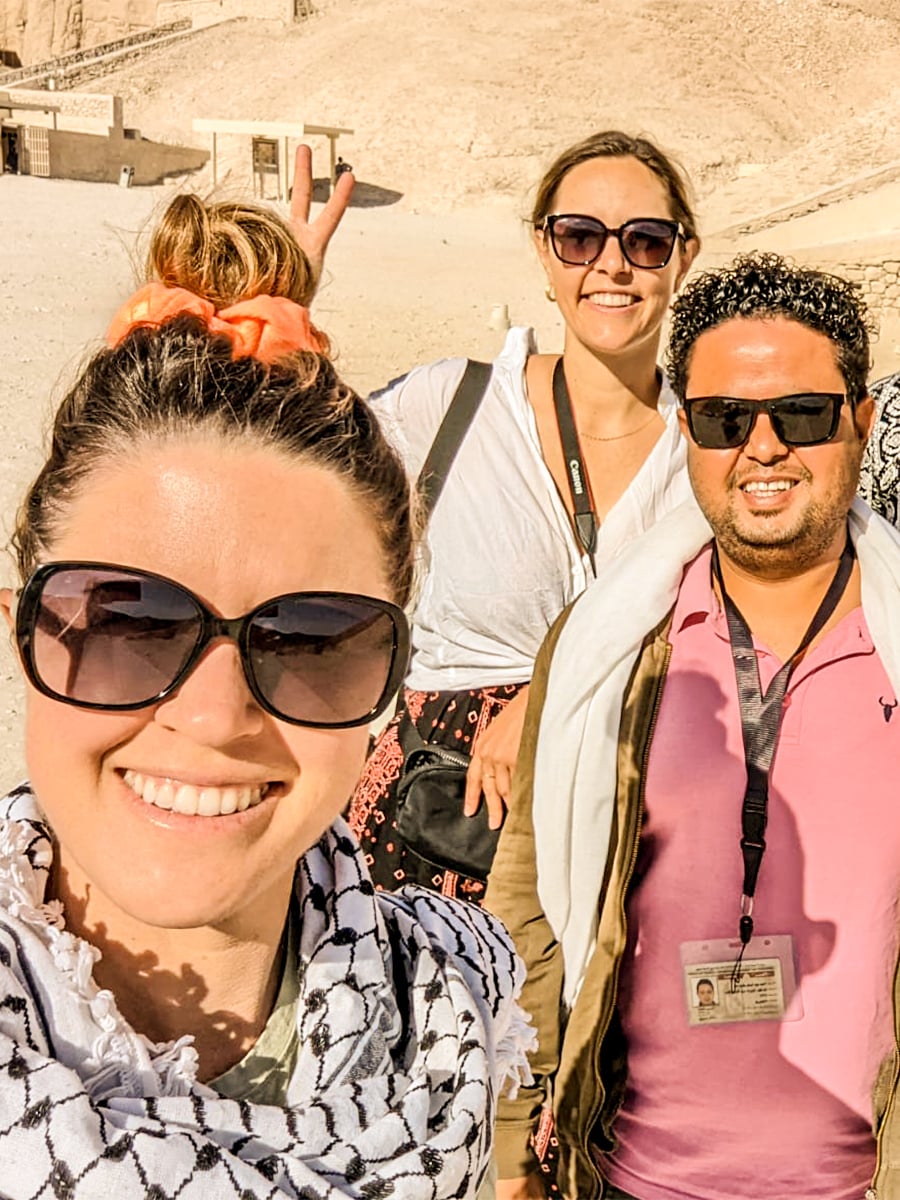
Private customized day trip in Luxor with Lunch
Tue, Feb 24 • 6:00 AM
Al Qarna, Luxor Governorate, 1340413, Egypt
View details
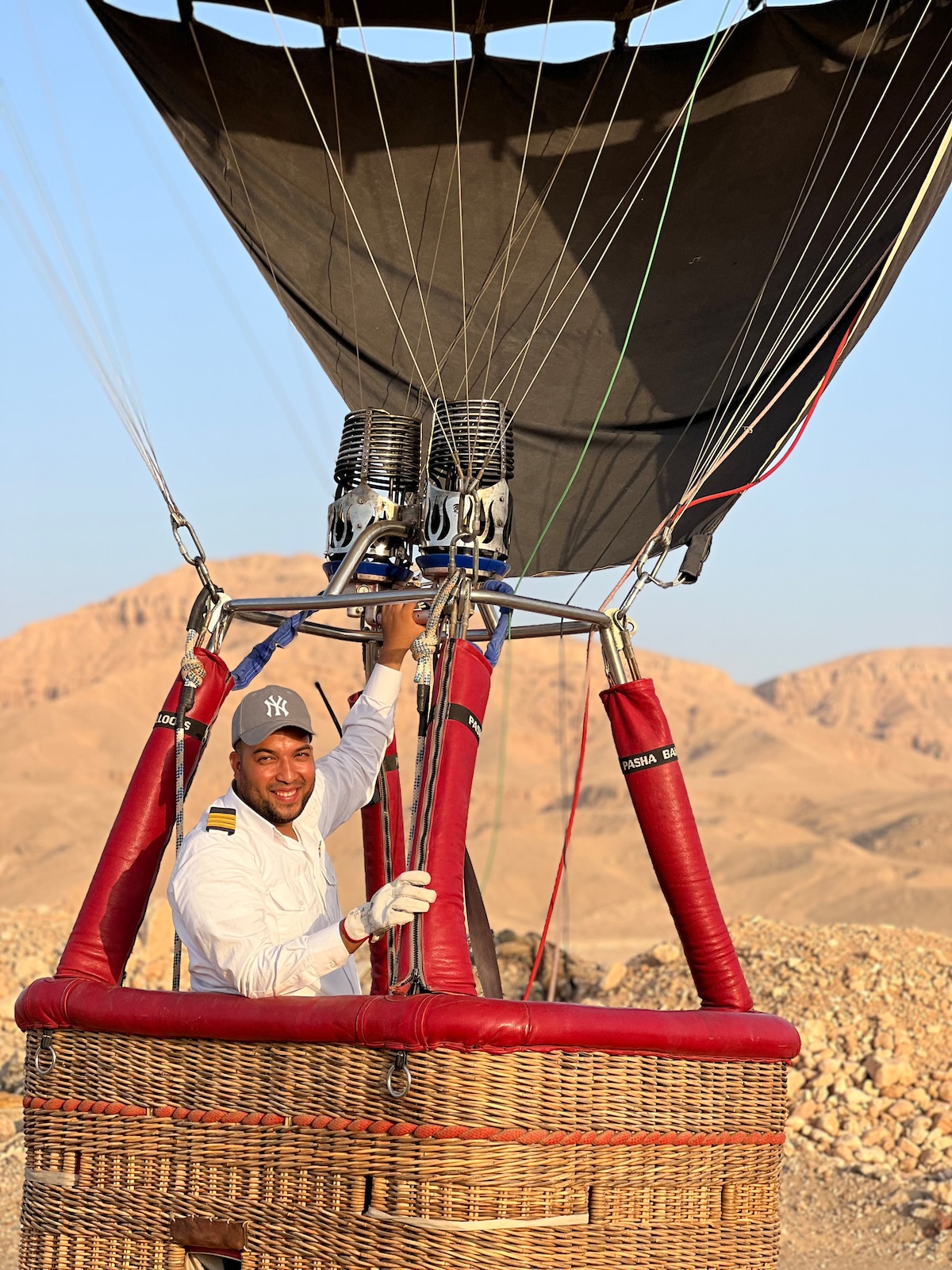
Balloons ride over luxor, Fly with Captain Moo
Tue, Feb 24 • 4:00 AM
Luxor City, Luxor Governorate, 00000, Egypt
View details
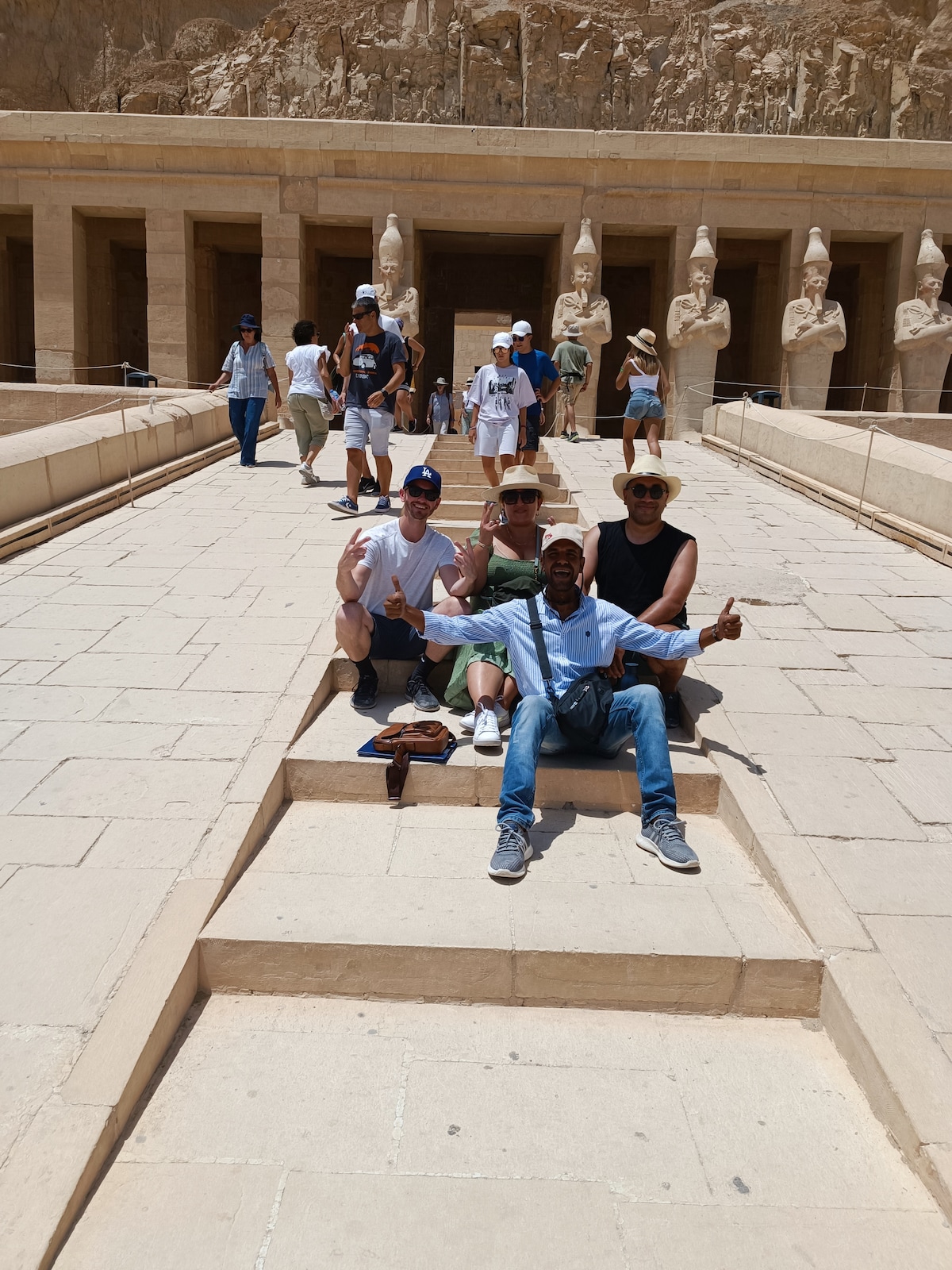
Luxor full-day sightseeing tour
Wed, Feb 25 • 7:00 AM
Luxor City, Luxor Governorate, 1362514, Egypt
View details
Nearby attractions of Hypostyle Hall
Karnak
Precinct of Amun-Re
Temple of Ramesses III
Obelisk of Thutmose I
First Pylon
Temple of Thutmose III
Karnak Open-air Museum
Temple of Ramesses II
Temple Of Khonsu
Sound & Light
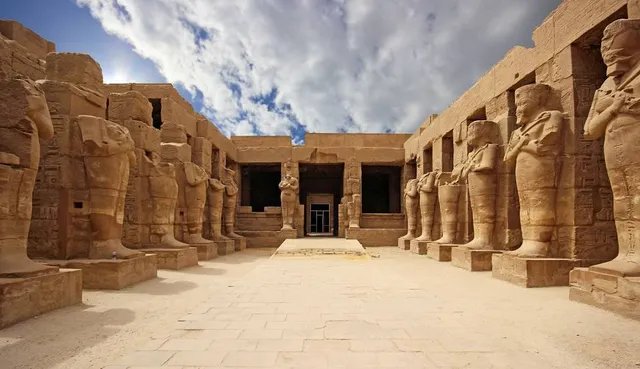
Karnak
4.8
(11K)
Closed
Click for details
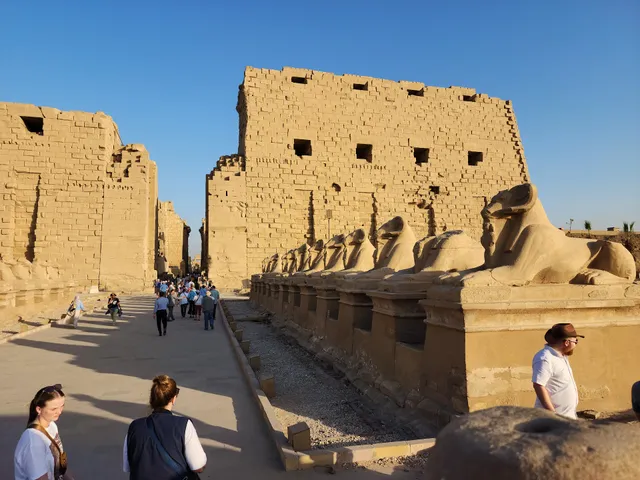
Precinct of Amun-Re
4.8
(244)
Closed
Click for details
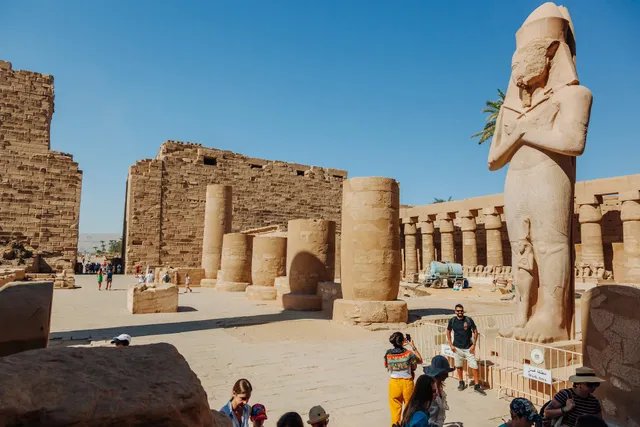
Temple of Ramesses III
4.8
(132)
Closed
Click for details
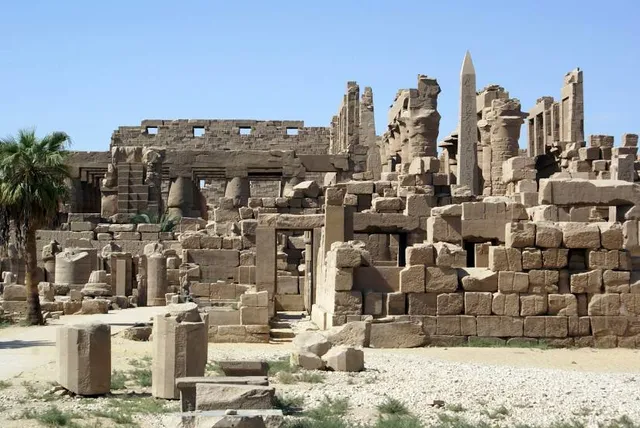
Obelisk of Thutmose I
4.9
(29)
Open until 12:00 AM
Click for details
Nearby restaurants of Hypostyle Hall
White Coffee & Restaraunt
Beyt Ward Restaurant and cafe shop
El Hussein Seafood Restaurant
مطعم النيل السياحى - Nile Restaurant Luxor
El Hussein 2 seafood Restaurant
Jockey Cafe
المطعم الصيني يو شان فانج
El Hussein Restaurant
Cafe Grande
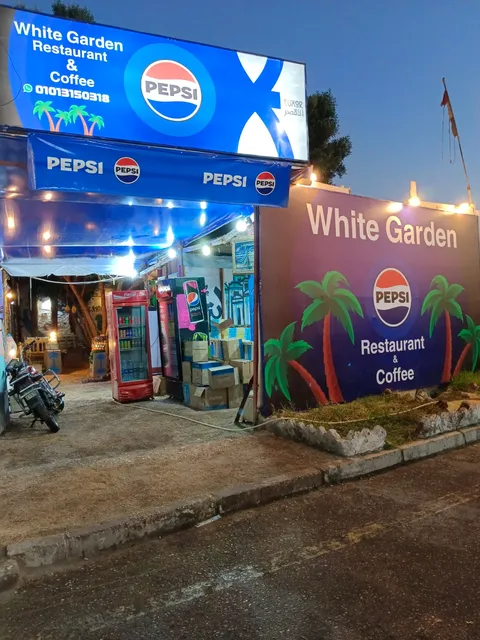
White Coffee & Restaraunt
4.8
(311)
Closed
Click for details
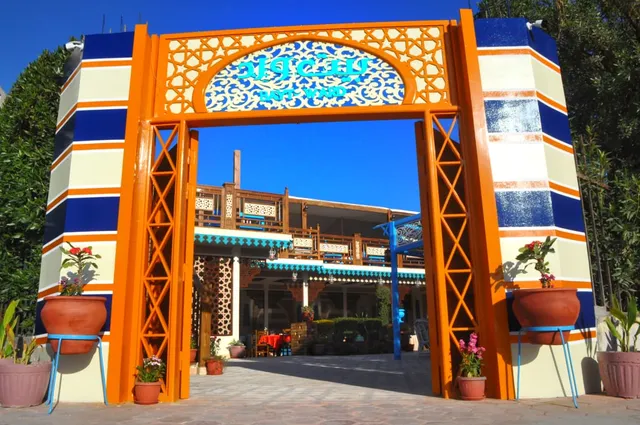
Beyt Ward Restaurant and cafe shop
4.4
(276)
Open until 1:00 AM
Click for details
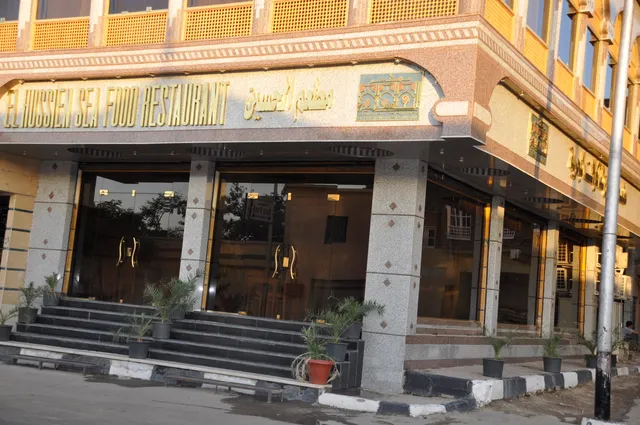
El Hussein Seafood Restaurant
4.8
(194)
Closed
Click for details
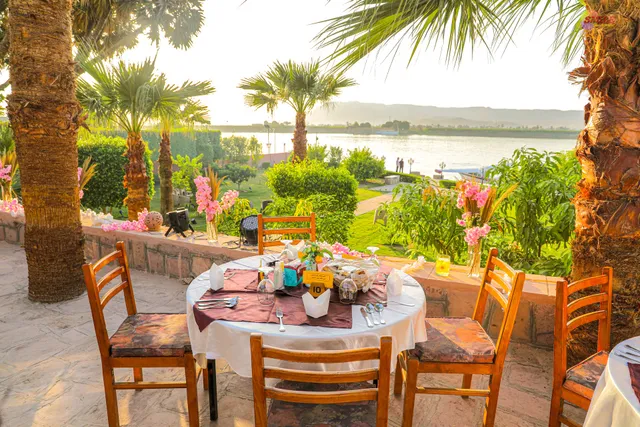
مطعم النيل السياحى - Nile Restaurant Luxor
4.0
(83)
Closed
Click for details