Temple of Thutmose III things to do, attractions, restaurants, events info and trip planning
Basic Info
Temple of Thutmose III
PM95+4RM, Karnak, Luxor, Luxor Governorate, Egypt
4.8(117)
Open 24 hours
Save
spot
spot
Ratings & Description
Info
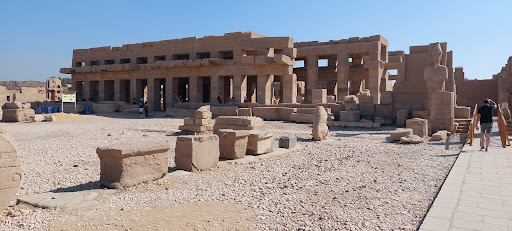
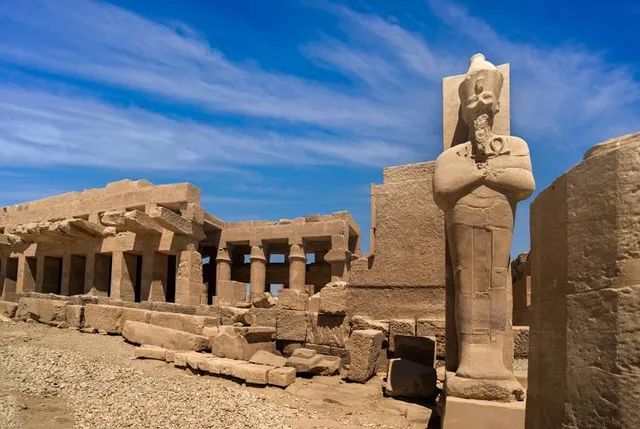
The temple of Thutmose III at Deir el-Bahari is a temple in the central part of the Deir el-Bahari Valley, built on a rocky platform and thus dominating over the earlier structures: the temple of Hatshepsut and the temple of Mentuhotep Nebhepetre of the Eleventh Dynasty.
Cultural
Scenic
Off the beaten path
Family friendly
attractions: Karnak, Temple of Ramesses II, Precinct of Amun-Re, Hypostyle Hall, Obelisk of Thutmose I, Temple of Ramesses III, First Pylon, Karnak Open-air Museum, Temple Of Khonsu, Sound & Light, restaurants: White Coffee & Restaraunt, Beyt Ward Restaurant and cafe shop, El Hussein Seafood Restaurant, مطعم النيل السياحى - Nile Restaurant Luxor, El Hussein 2 seafood Restaurant, Jockey Cafe, المطعم الصيني يو شان فانج, Cafe Grande, local businesses:
 Learn more insights from Wanderboat AI.
Plan your stay

Pet-friendly Hotels in Old Karnak
Find a cozy hotel nearby and make it a full experience.

Affordable Hotels in Old Karnak
Find a cozy hotel nearby and make it a full experience.

The Coolest Hotels You Haven't Heard Of (Yet)
Find a cozy hotel nearby and make it a full experience.

Trending Stays Worth the Hype in Old Karnak
Find a cozy hotel nearby and make it a full experience.
Reviews
Live events
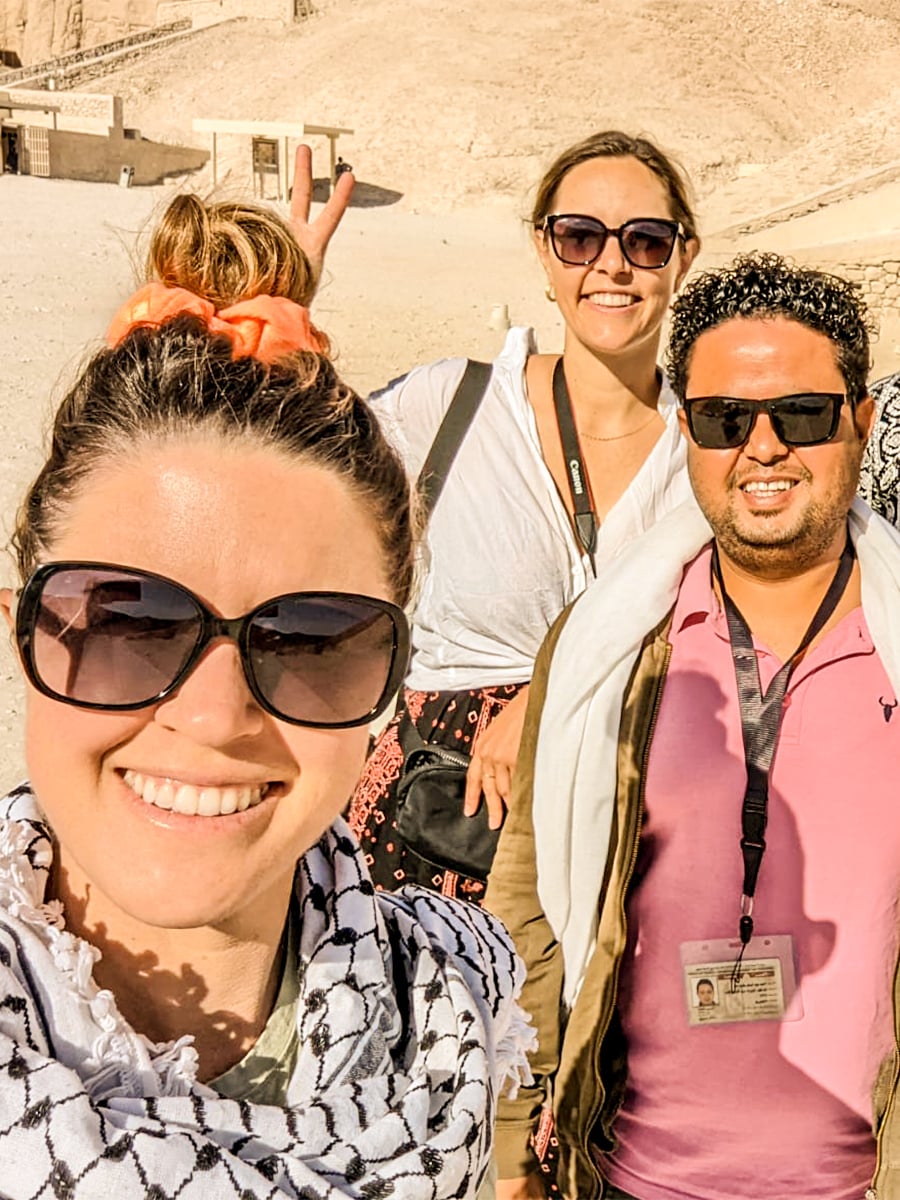
Private customized day trip in Luxor with Lunch
Tue, Feb 24 • 6:00 AM
Al Qarna, Luxor Governorate, 1340413, Egypt
View details
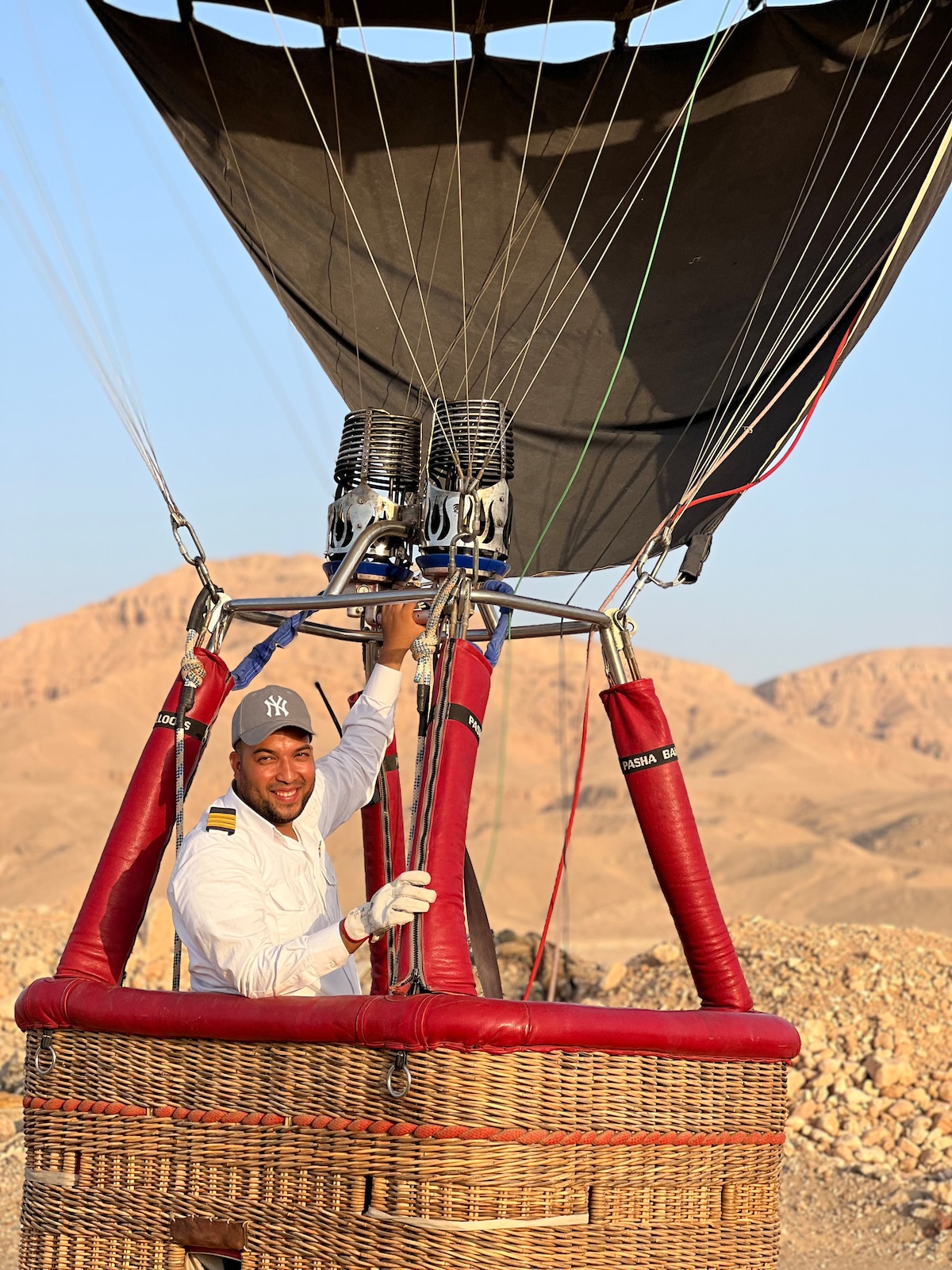
Balloons ride over luxor, Fly with Captain Moo
Tue, Feb 24 • 4:00 AM
Luxor City, Luxor Governorate, 00000, Egypt
View details
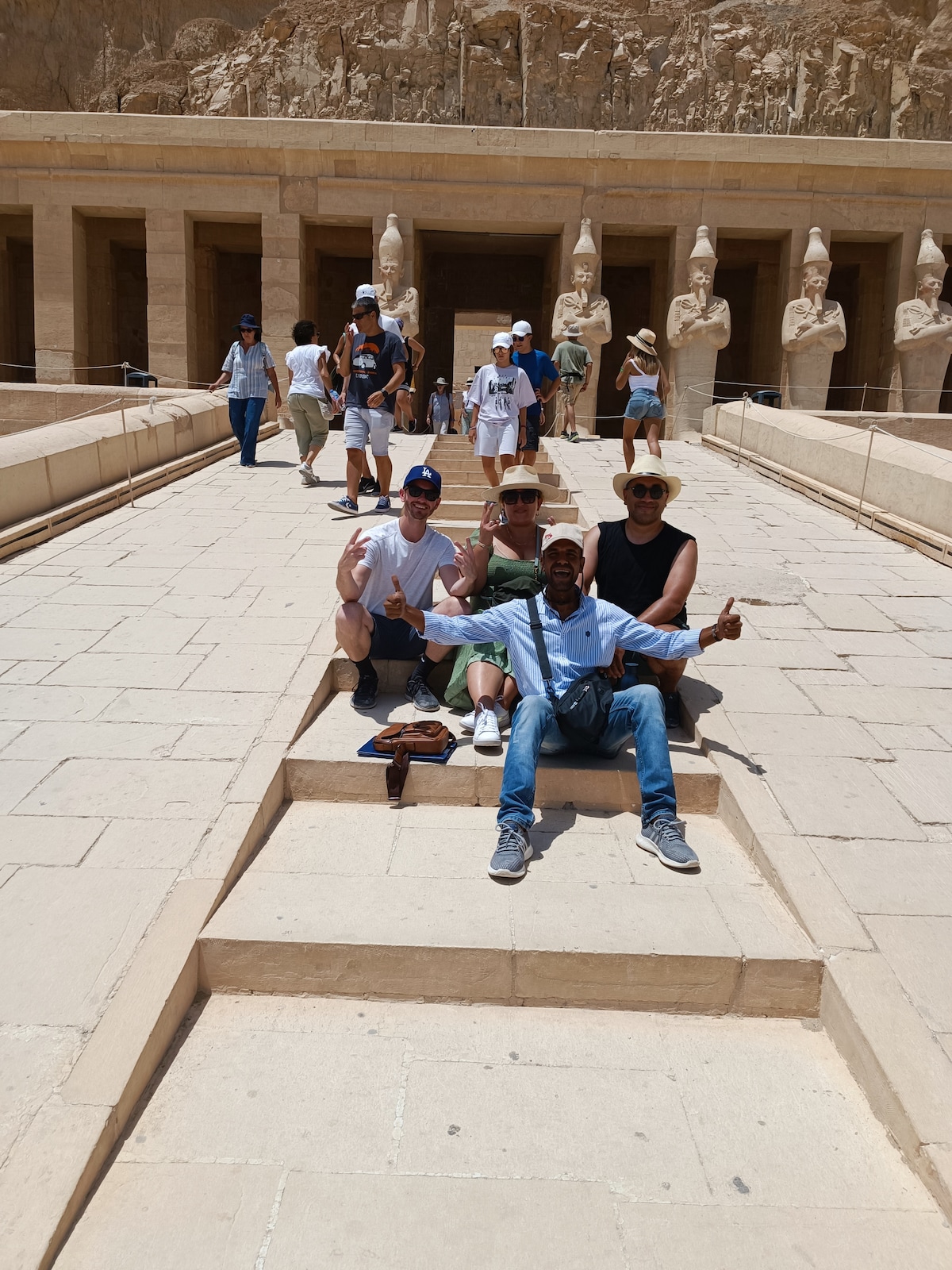
Luxor full-day sightseeing tour
Wed, Feb 25 • 7:00 AM
Luxor City, Luxor Governorate, 1362514, Egypt
View details
Nearby attractions of Temple of Thutmose III
Karnak
Temple of Ramesses II
Precinct of Amun-Re
Hypostyle Hall
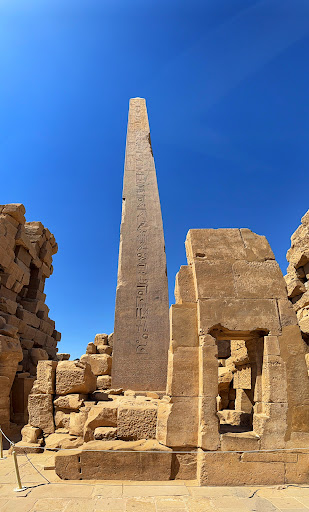
Obelisk of Thutmose I
Temple of Ramesses III
First Pylon
Karnak Open-air Museum
Temple Of Khonsu
Sound & Light
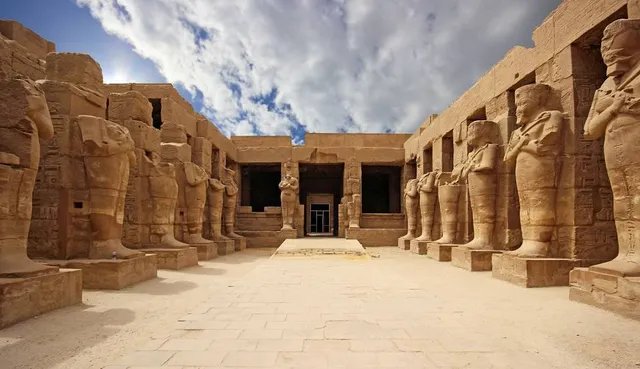
Karnak
4.8
(11K)
Closed
Click for details
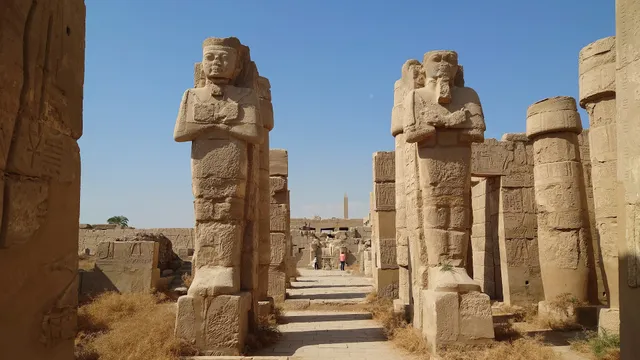
Temple of Ramesses II
4.8
(124)
Open until 12:00 AM
Click for details
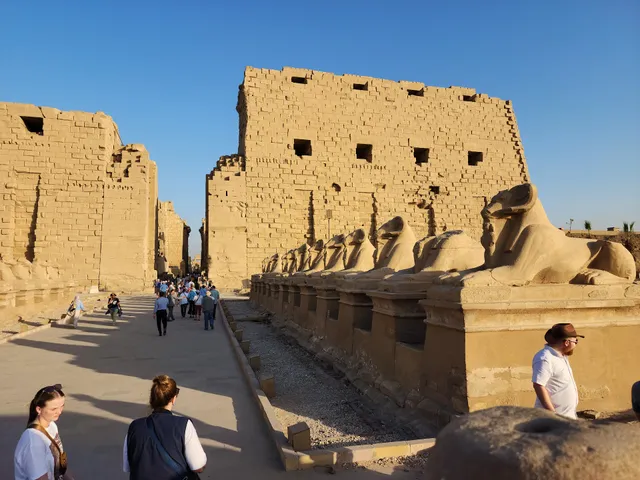
Precinct of Amun-Re
4.8
(244)
Closed
Click for details
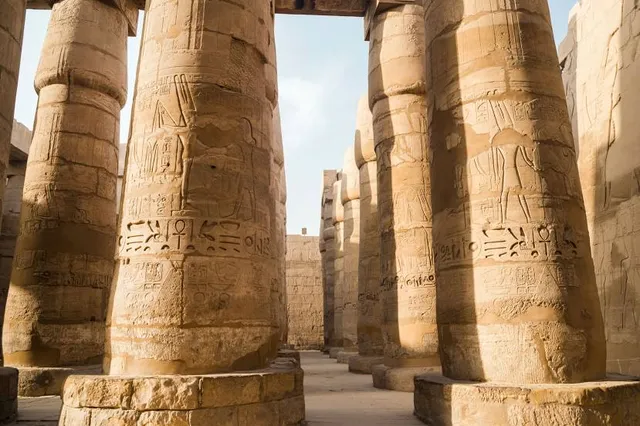
Hypostyle Hall
4.9
(138)
Closed
Click for details
Nearby restaurants of Temple of Thutmose III
White Coffee & Restaraunt
Beyt Ward Restaurant and cafe shop
El Hussein Seafood Restaurant
مطعم النيل السياحى - Nile Restaurant Luxor
El Hussein 2 seafood Restaurant
Jockey Cafe
المطعم الصيني يو شان فانج
Cafe Grande
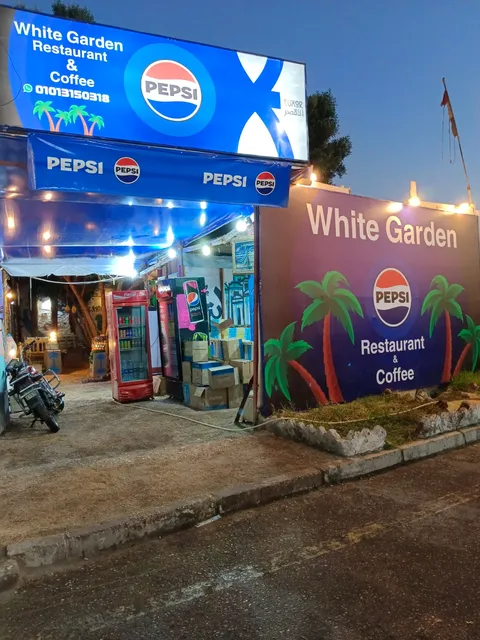
White Coffee & Restaraunt
4.8
(311)
Closed
Click for details
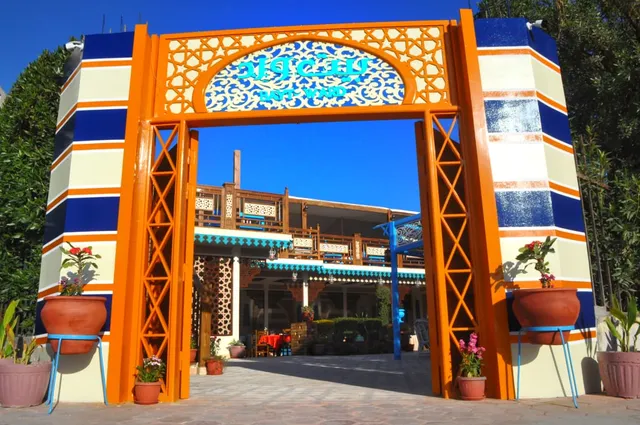
Beyt Ward Restaurant and cafe shop
4.4
(276)
Closed
Click for details
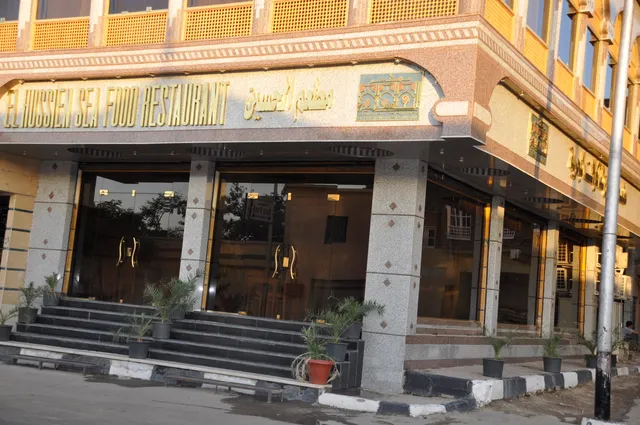
El Hussein Seafood Restaurant
4.8
(194)
Closed
Click for details
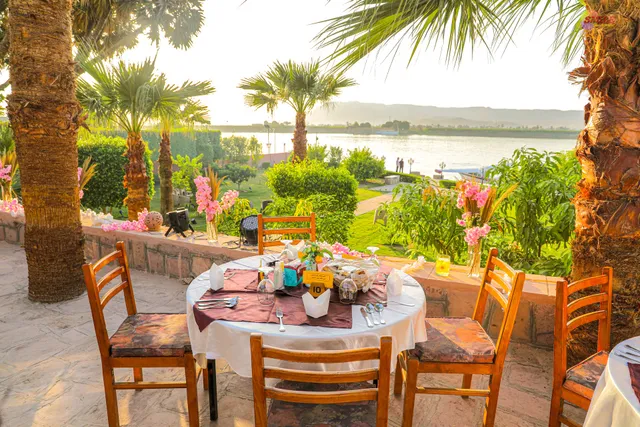
مطعم النيل السياحى - Nile Restaurant Luxor
4.0
(83)
Closed
Click for details