The history of Ethiopian culture is deep, going back — if the national epic, the “Kebra Negast” or “Glory of Kings,” can be believed — to at least the 10th century B.C., when an Ethiopian ruler, the biblical Queen of Sheba, traveled to Jerusalem in search of the wisdom of Solomon. The two monarchs met, bonded and had a son, Menelik, who would become Ethiopia’s first emperor.
Solomon, the story goes, wanted to name Menelik as his heir. But the young prince, with Africa on his mind, left Jerusalem behind. He did not, however, leave empty-handed. Secretly he took with him the Ark of the Covenant, which held the tablets given by God to Moses, and brought it to Ethiopia, in effect, establishing a new Israel there.
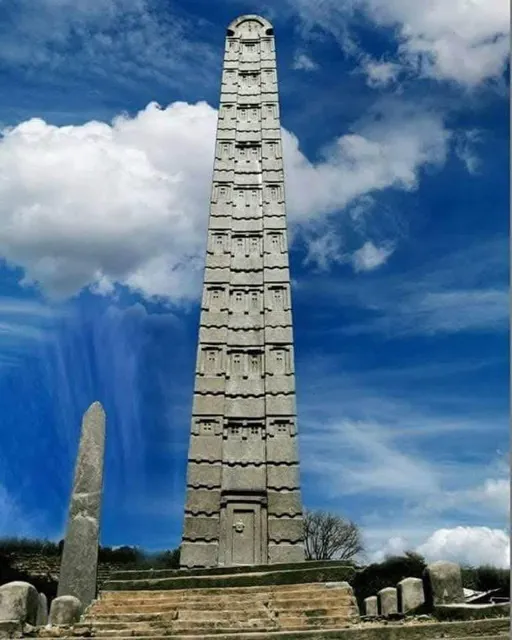
History, if that’s what this is, then fades out for stretch, until around 300 B.C., when a new empire coalesces in northern Ethiopia, with the city of Aksum as its capital and a still-existing group of immense stone stelae, carved with architectural features, as its grand monument. Another fade-out. By the fourth century A.D. Ethiopia has become officially Christian, and the Ark is in Aksum, enshrined in a cathedral named St. Mary of Zion, where it remains.
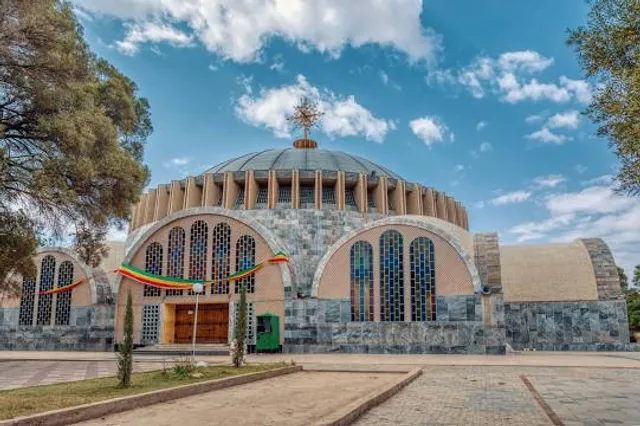
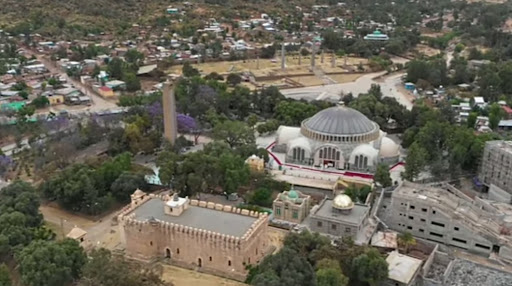
Its presence makes Aksum the country’s holiest city, and St. Mary of Zion its holiest shrine, though materially both have seen better days. The town is a sketchy, low-rise place perched on a still barely tapped archaeological site. The original cathedral remained till 16th century. Its modern replacement is a circular domed structure built by Ethiopia's last emperor, Haile Selassie, in the...
Read moreThe site is a remarkable destination, featuring a beautiful architectural masterpiece that is part of a larger compound steeped in history and spirituality. At its heart is the iconic Saint Mary of Zion Church, a revered location that holds great significance in Ethiopian Orthodox Christianity. The older Saint Mary of Zion Church, which is traditionally open only to male visitors, is an integral part of the complex, exuding an aura of ancient devotion and timeless sanctity.
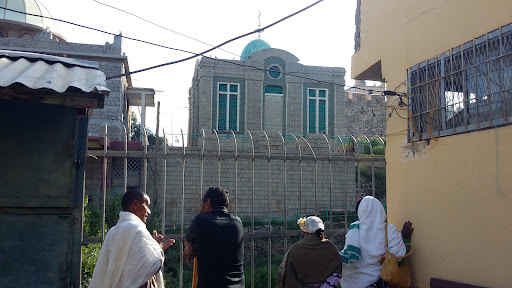
One of the most intriguing aspects of this site is a smaller, enigmatic structure within the compound, which, according to Ethiopian tradition, is believed to house the Ark of the Covenant. This belief adds a profound sense of mystery and reverence to the location, drawing visitors from around the world who are captivated by the legend of this sacred relic.
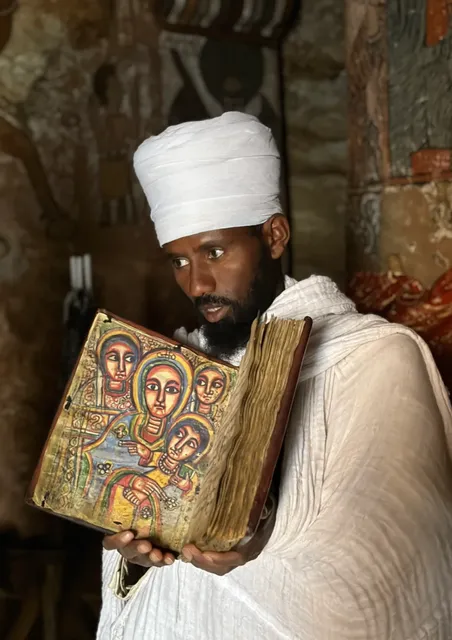
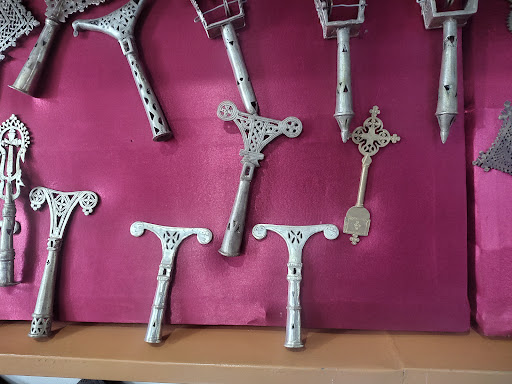
In addition to the spiritual allure, the compound features a museum that offers a fascinating glimpse into the rich history of the Axumite Dynasty. This museum is a treasure trove of ancient relics and artifacts, showcasing an impressive collection of intricately crafted crowns, ornate crosses, ceremonial garments, and beautifully preserved manuscripts. Each item tells a story of Ethiopia's illustrious past, providing visitors with a deeper understanding of the cultural and religious heritage of the region.
Whether you're drawn by faith, history, or curiosity, this site offers a unique and unforgettable experience that connects you to the heart of Ethiopia's spiritual and...
Read moreWhere is the Ark of Covenant in Ethiopia? Israelites built the ark of the covenant, but later entrusted in to the hand of Ethiopians. Church St. Mary of Zion (አክሱም ፅዮን) is one of the ancient churches located in Axum, Ethiopia. It is claimed to contain the Ark of the Covenant. The original church was founded during the reign of Ezana 4th C. The church was destroyed several times (including by Queen Gudit, Ahmad ibn Ibrihim). It was rebuilt many times. The current church was built by Emperor Haile Selassie in 1965.
However, according to Edward Ullendorff, the Ark is not there! Ullendorff described his encounter in the St. Mary Church of Zion: "The ark didn't differ in any way from many arks I saw in other Ethiopian churches. It wasn't ancient either. Certainly it wasn't the original ark." Ullendorff never published an article about his encounter with the ark in Axum. He claimed that he simply didn't want to hurt the feelings of...
Read more