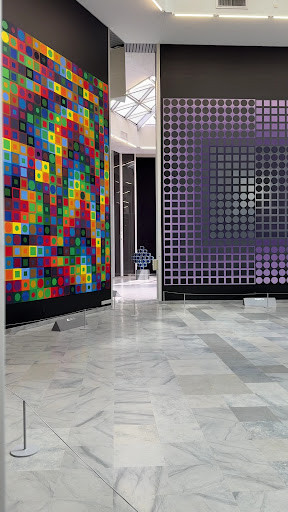
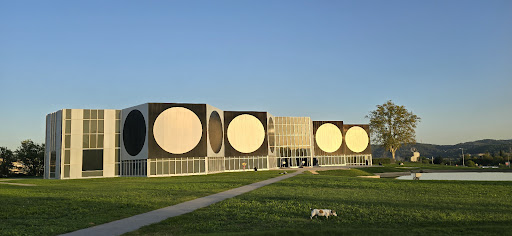
Fondation Vasarely things to do, attractions, restaurants, events info and trip planning
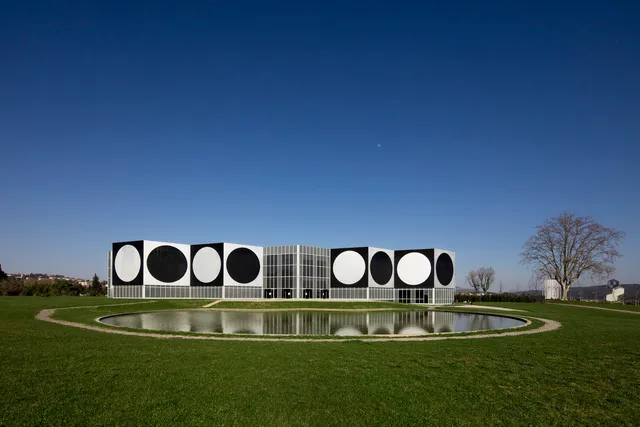
Basic Info
Fondation Vasarely
1 Av. Marcel Pagnol, 13090 Aix-en-Provence, France
4.4(1.3K)
Closed

tickets
Save
spot
spot
Ratings & Description
Info
Fondation Vasarely is a museum in Aix en Provence, France, dedicated to the works of Victor Vasarely.
Cultural
Accessibility
attractions: 6MIC - Contemporary Music Hall of the Pays d'Aix, Parc Gilbert Vilers, Stade Maurice David, Bastide du Jas de Bouffan, Pasino Grand, Maison de quartier La Mareschale, Social Center La Provence, restaurants: Foo2Food (Fast Food/Restauration rapide), Căn Tine - Food Truck Vietnamien, Maison Thoury, Golden Grill Poulet Braisé (Rotisserie/ Fast Food/ Restauration rapide), Pizza du Jas, La Cantine du Rugby, Restaurant Chez Paul, Snack Du Lion, Marie Blachère AIX CORBUSIER, L’Autrefois | Restaurant-Buffet – Cuisine traditionnelle faite maison, local businesses: CHAS HENRY DUNANT Croix-Rouge francaise, Reparation telephone aix en provence - Time l´expert, Carsat Sud-Est (Agence retraite Aix-en-Provence), ALDI Aix-en-Provence, Atelier Vélo Participatif ADAVA Pays d'Aix, Tabac le Defens, Nail Art Sakura, AB Services Plombier & Serrurier Aix-en-Provence, FITZENGO, Billeau Chloe
 Learn more insights from Wanderboat AI.
Phone
+33 4 42 20 01 09
Website
fondationvasarely.org
Open hoursSee all hours
Fri10:30 AM - 5:30 PMClosed
Plan your stay

Pet-friendly Hotels in Aix-en-Provence
Find a cozy hotel nearby and make it a full experience.

Affordable Hotels in Aix-en-Provence
Find a cozy hotel nearby and make it a full experience.

The Coolest Hotels You Haven't Heard Of (Yet)
Find a cozy hotel nearby and make it a full experience.

Trending Stays Worth the Hype in Aix-en-Provence
Find a cozy hotel nearby and make it a full experience.
Reviews
Live events

Avant-première du film « Des petites vies cabossées »
Tue, Mar 3 • 6:30 PM
264 rue st pierre Hôpital de la Timone Adultes 13005 Marseille
View details

Grande Vente de Plantes Marseille
Fri, Mar 6 • 9:00 AM
12 Rue de la République 13001 Marseille
View details
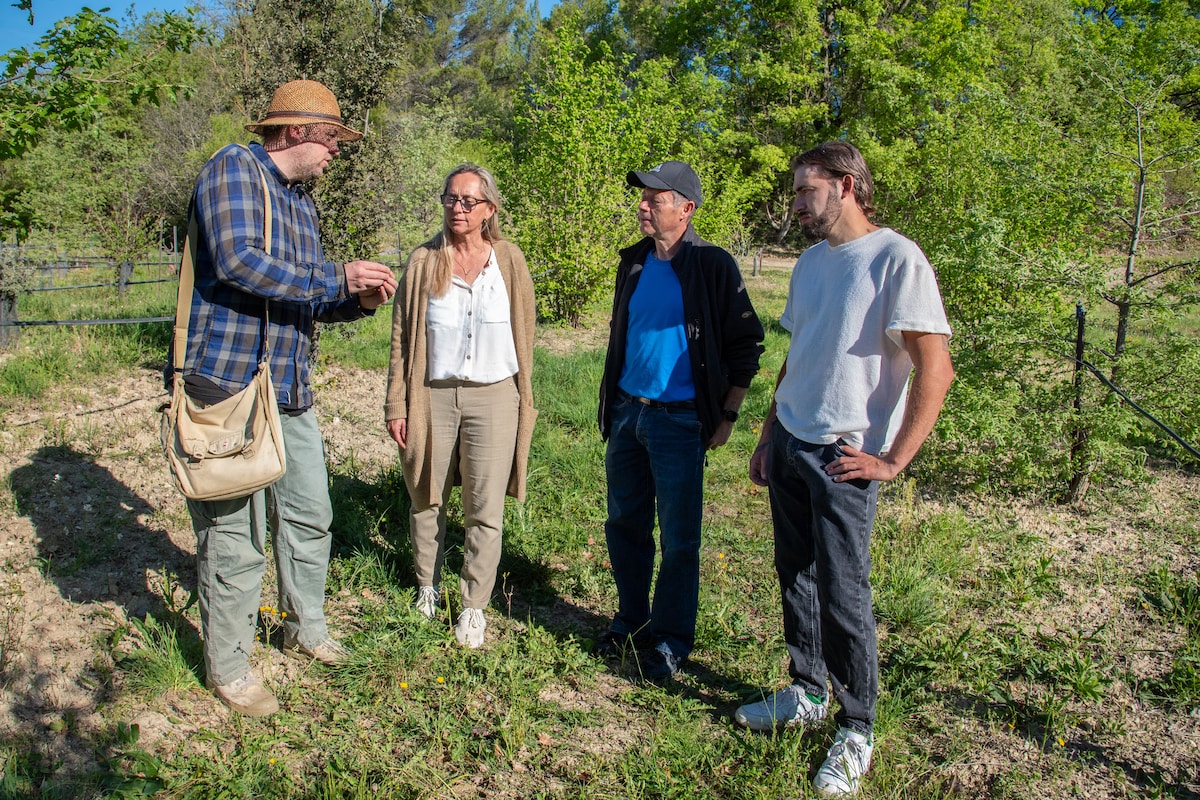
Forage and savor French truffles with a hunter
Tue, Mar 3 • 10:00 AM
84160, Cadenet, France
View details
Nearby attractions of Fondation Vasarely
6MIC - Contemporary Music Hall of the Pays d'Aix
Parc Gilbert Vilers
Stade Maurice David
Bastide du Jas de Bouffan
Pasino Grand
Maison de quartier La Mareschale
Social Center La Provence
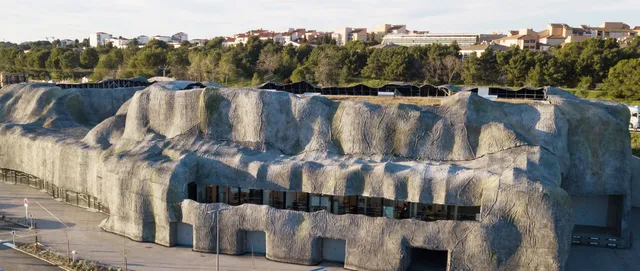
6MIC - Contemporary Music Hall of the Pays d'Aix
4.6
(644)
Open 24 hours
Click for details
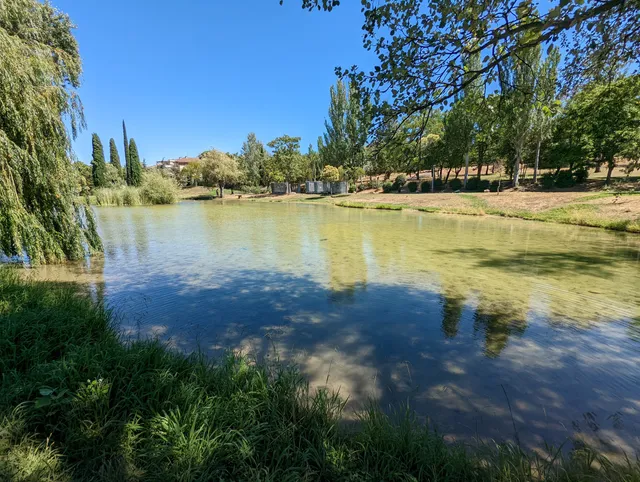
Parc Gilbert Vilers
4.3
(403)
Open until 12:00 AM
Click for details

Stade Maurice David
4.6
(318)
Open 24 hours
Click for details
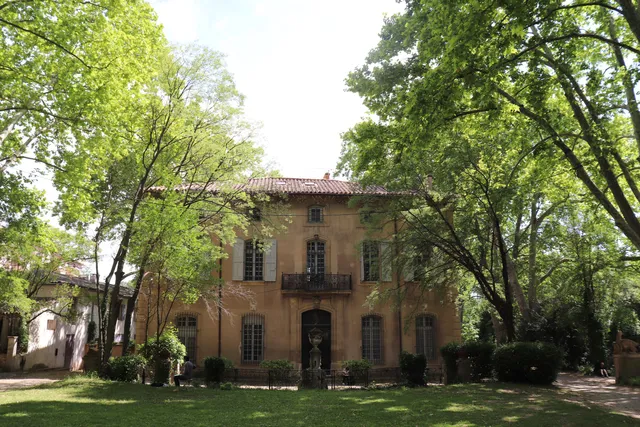
Bastide du Jas de Bouffan
4.1
(243)
Open 24 hours
Click for details
Nearby restaurants of Fondation Vasarely
Foo2Food (Fast Food/Restauration rapide)
Căn Tine - Food Truck Vietnamien
Maison Thoury
Golden Grill Poulet Braisé (Rotisserie/ Fast Food/ Restauration rapide)
Pizza du Jas
La Cantine du Rugby
Restaurant Chez Paul
Snack Du Lion
Marie Blachère AIX CORBUSIER
L’Autrefois | Restaurant-Buffet – Cuisine traditionnelle faite maison

Foo2Food (Fast Food/Restauration rapide)
4.7
(89)
Click for details

Căn Tine - Food Truck Vietnamien
4.9
(35)
Closed
Click for details

Maison Thoury
4.9
(44)
Closed
Click for details
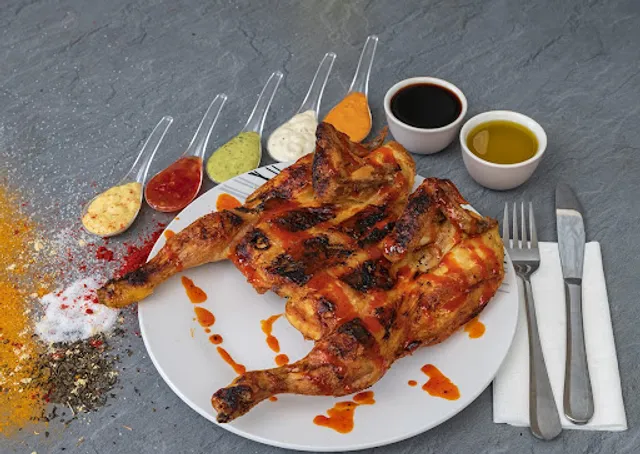
Golden Grill Poulet Braisé (Rotisserie/ Fast Food/ Restauration rapide)
4.4
(133)
Closed
Click for details
Nearby local services of Fondation Vasarely
CHAS HENRY DUNANT Croix-Rouge francaise
Reparation telephone aix en provence - Time l´expert
Carsat Sud-Est (Agence retraite Aix-en-Provence)
ALDI Aix-en-Provence
Atelier Vélo Participatif ADAVA Pays d'Aix
Tabac le Defens
Nail Art Sakura
AB Services Plombier & Serrurier Aix-en-Provence
FITZENGO
Billeau Chloe

CHAS HENRY DUNANT Croix-Rouge francaise
4.0
(11)
Click for details

Reparation telephone aix en provence - Time l´expert
5.0
(419)
Click for details

Carsat Sud-Est (Agence retraite Aix-en-Provence)
2.4
(22)
Click for details
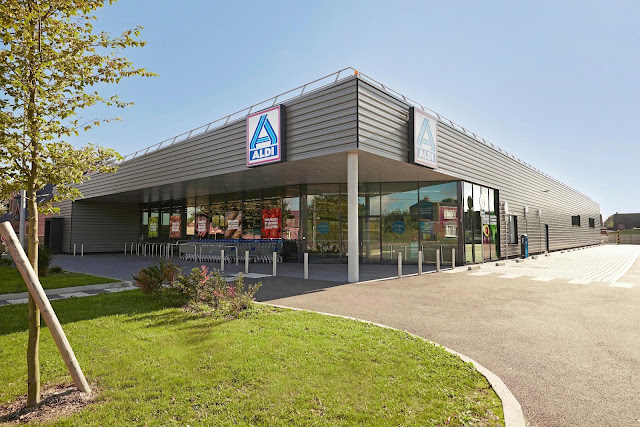
ALDI Aix-en-Provence
3.6
(464)
Click for details