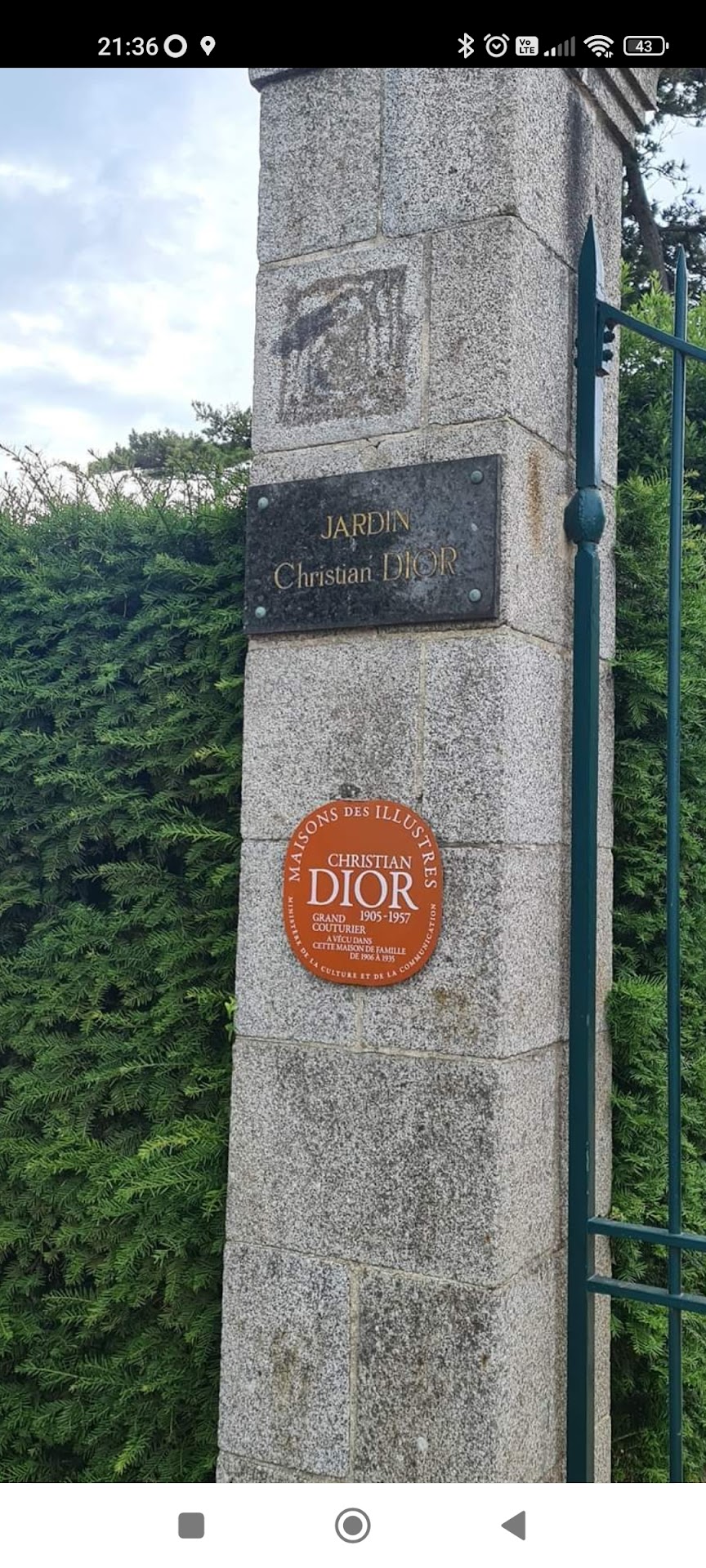
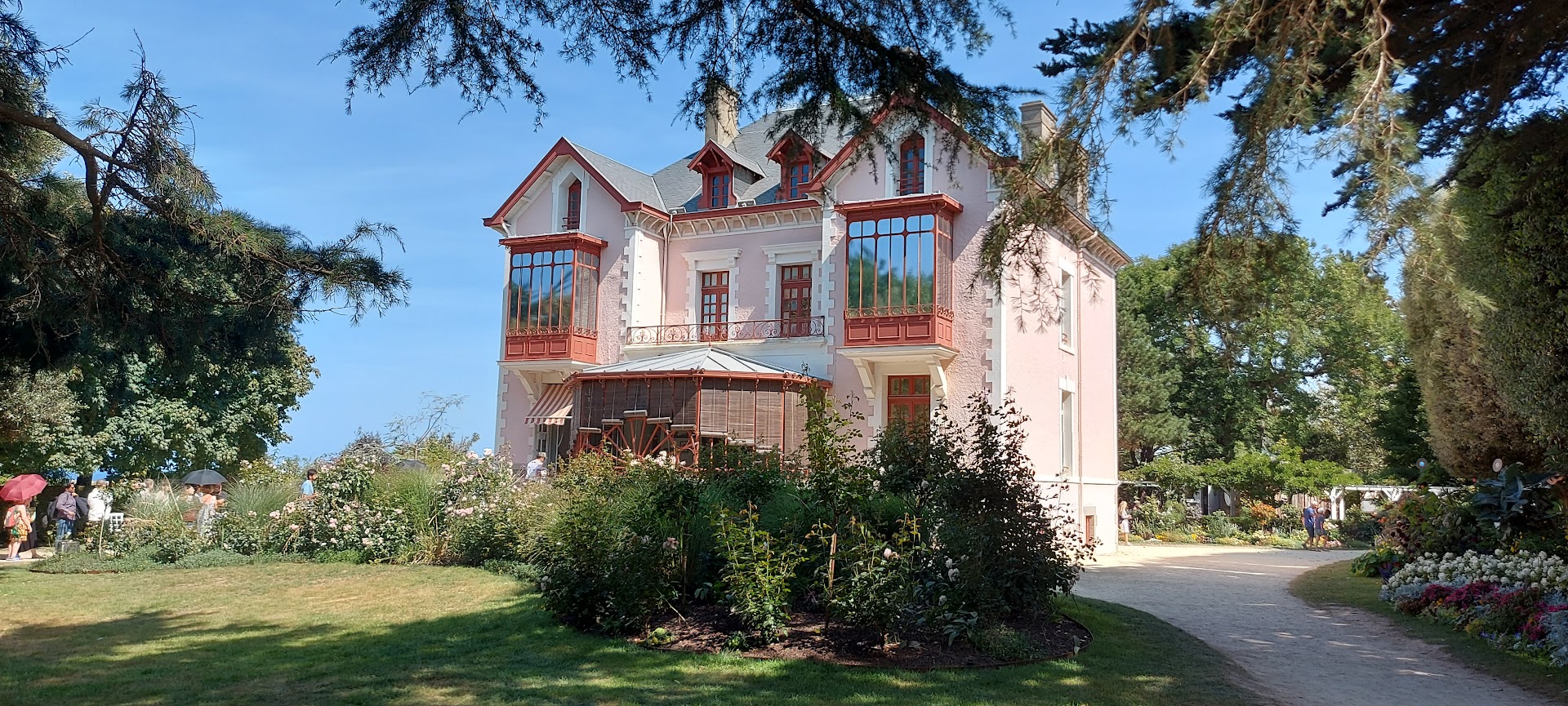
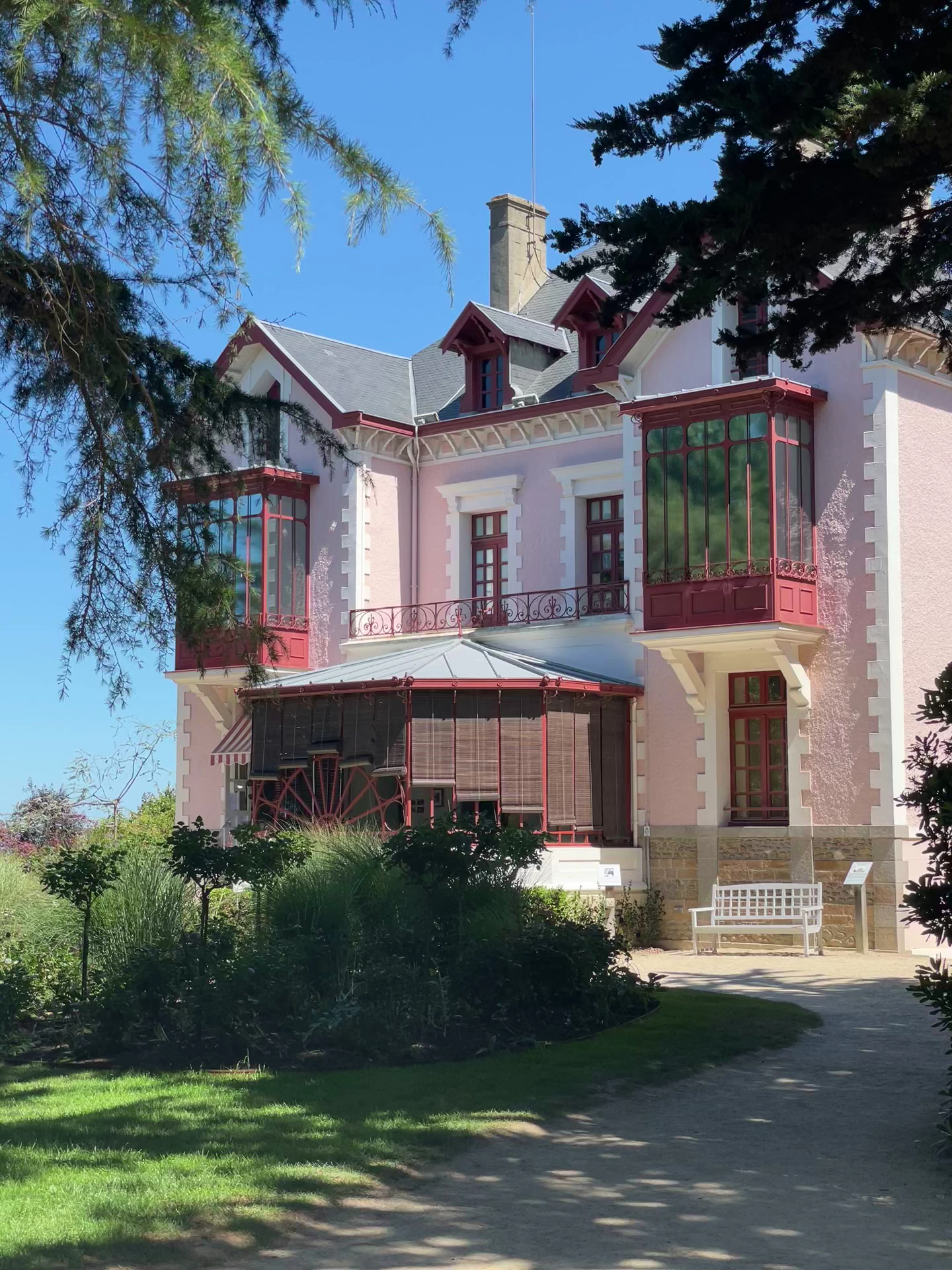
Musée Christian Dior things to do, attractions, restaurants, events info and trip planning
Basic Info
Musée Christian Dior
1 Rue d'Estouteville, 50400 Granville, France
4.4(18)
Open 24 hours

tickets
Save
spot
spot
Ratings & Description
Info
Cultural
Accessibility
attractions: Le Plat Gousset, PLAT GOUSSET BEACH IN GRANVILLE, Casino Club Granville, Museum of Modern Art Richard Anacreon, Plage de Donville-les-Bains, Museum of Art and History of Granville, restaurants: Jardin Christian Dior, La Rose Du Rocher Jardin Christian Dior, Le 110, La Boulangerie - Pâtisserie - Sandwicherie "De La Mer", La Table De Louis, Restaurant brunch - Dame Gourmande, Loca Café, Brasserie Au Pirate, Parfum Poivre, Zebra 3, local businesses: Le 236 barber street
 Learn more insights from Wanderboat AI.
Phone
+33 2 33 61 48 21
Website
musee-dior-granville.com
Plan your stay

Pet-friendly Hotels in Avranches
Find a cozy hotel nearby and make it a full experience.

Affordable Hotels in Avranches
Find a cozy hotel nearby and make it a full experience.

The Coolest Hotels You Haven't Heard Of (Yet)
Find a cozy hotel nearby and make it a full experience.

Trending Stays Worth the Hype in Avranches
Find a cozy hotel nearby and make it a full experience.
Reviews
Live events
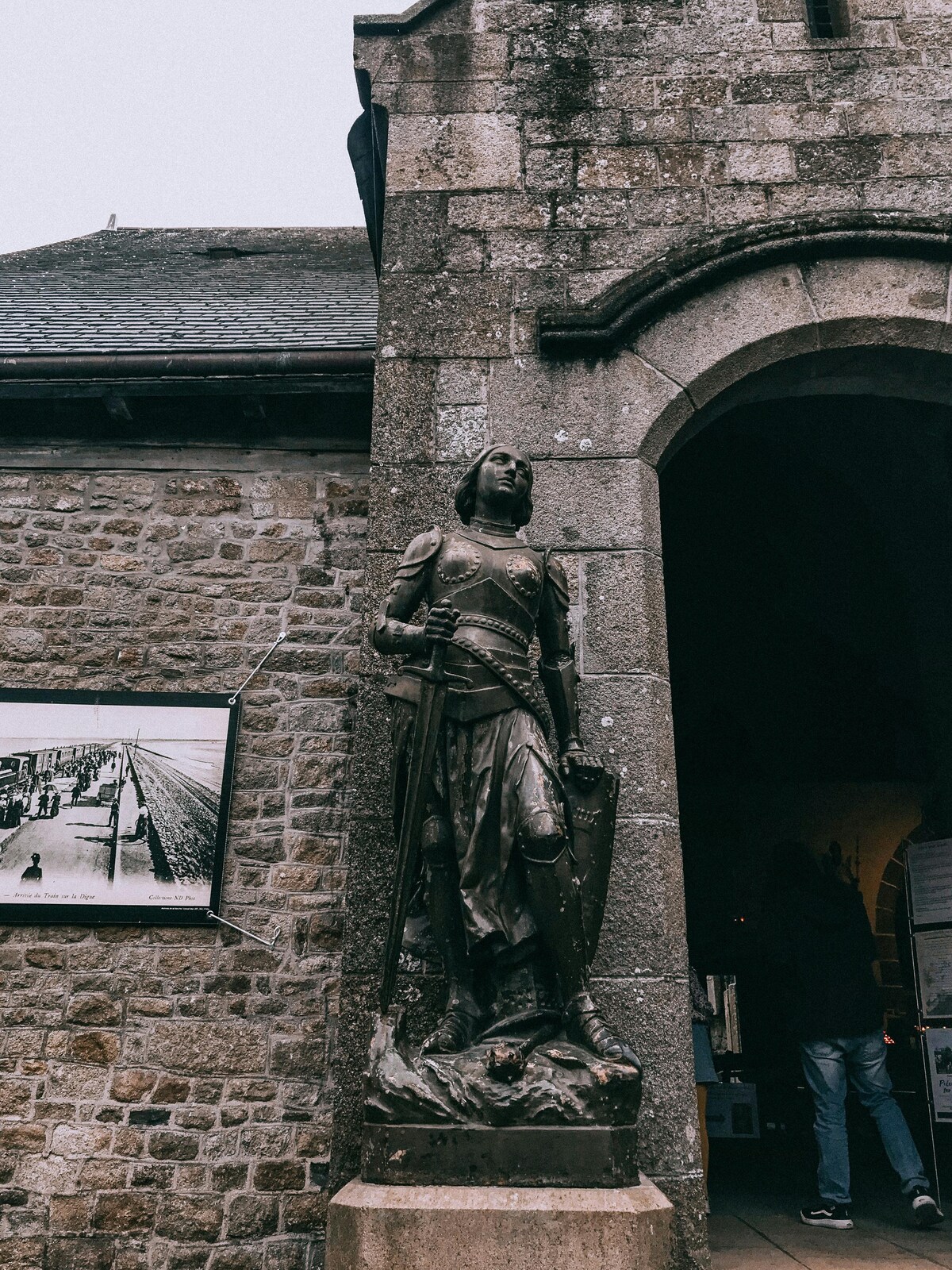
Guided tour of the village of Mont Saint-Michel
Sat, Feb 21 • 10:00 AM
Centre d'information touristique du Mont- Saint- Michel 50170, Beauvoir, France
View details
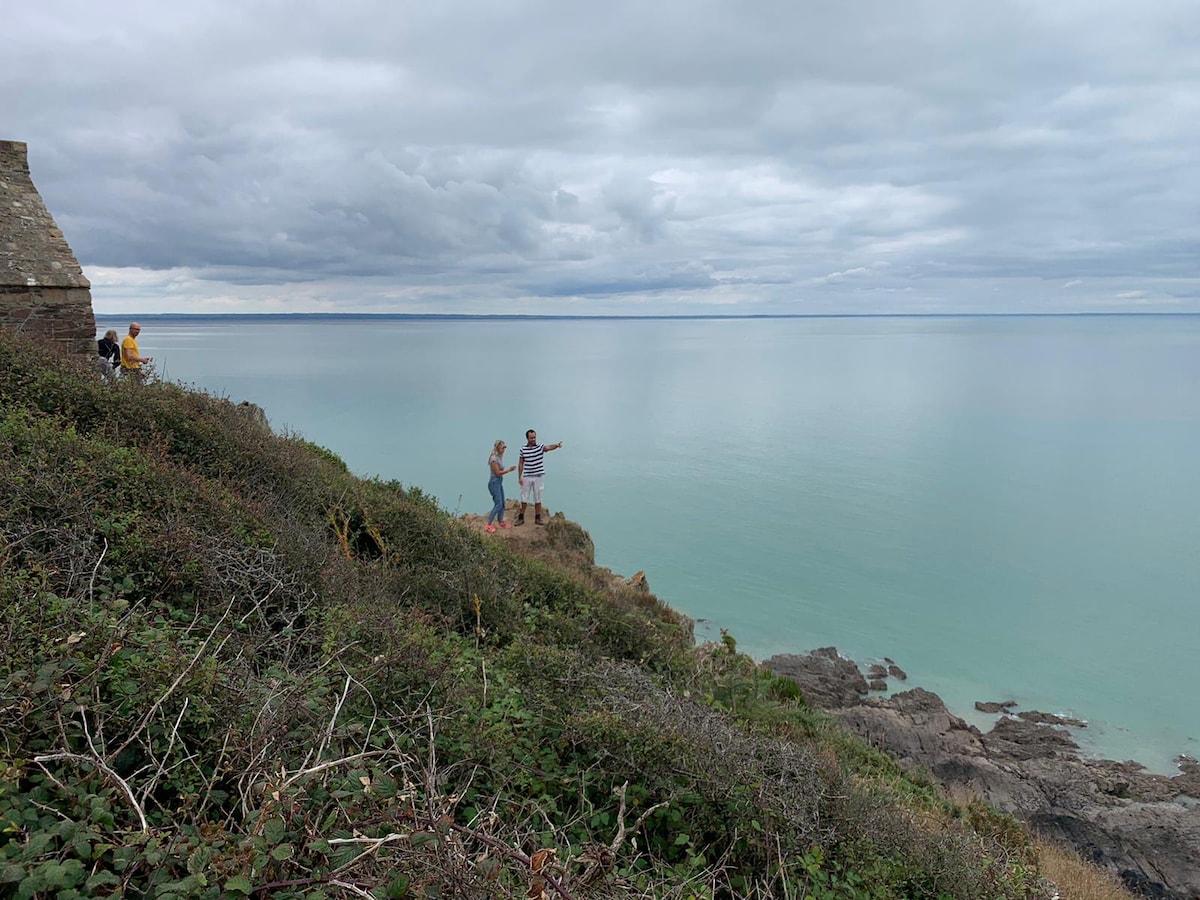
Discover the Lude Valley and its legends
Tue, Feb 24 • 2:00 PM
50740, Carolles, France
View details
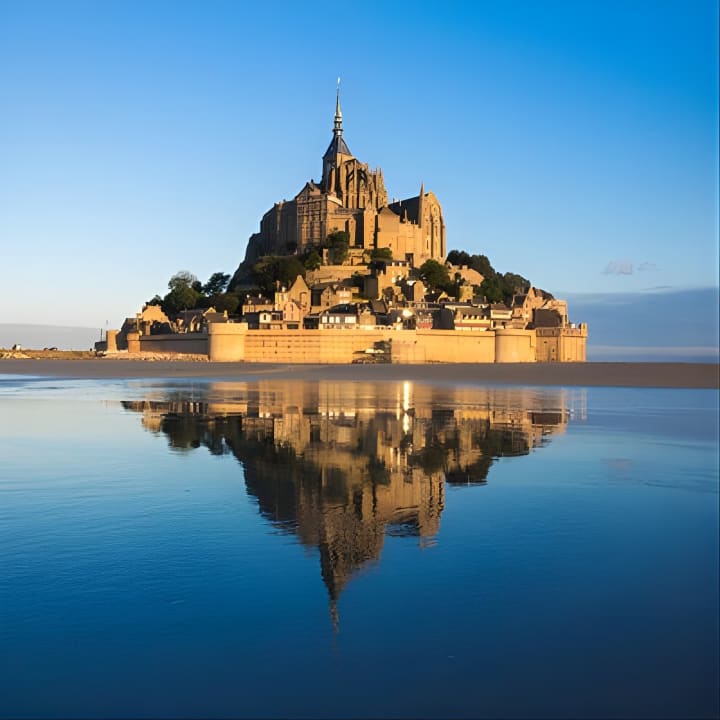
Excursion à la journée au Mont Saint Michel avec entrée à labbaye depuis Paris
Fri, Feb 20 • 7:15 AM
22 Rue Jean Rey, Paris, France, Paris, 75015
View details
Nearby attractions of Musée Christian Dior
Le Plat Gousset
PLAT GOUSSET BEACH IN GRANVILLE
Casino Club Granville
Museum of Modern Art Richard Anacreon
Plage de Donville-les-Bains
Museum of Art and History of Granville
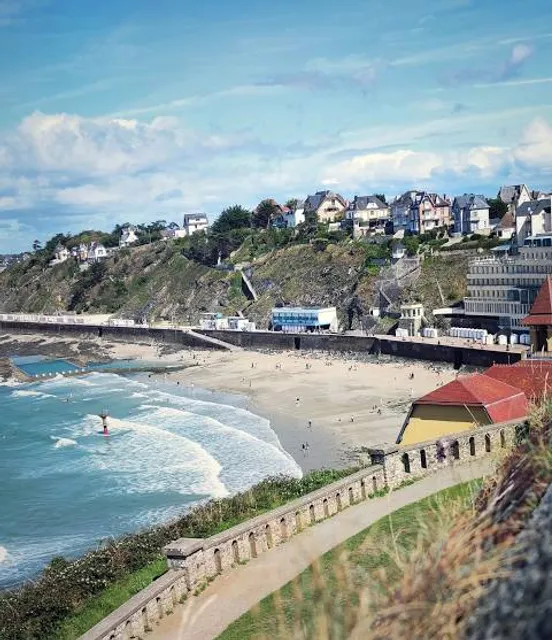
Le Plat Gousset
4.5
(352)
Open 24 hours
Click for details
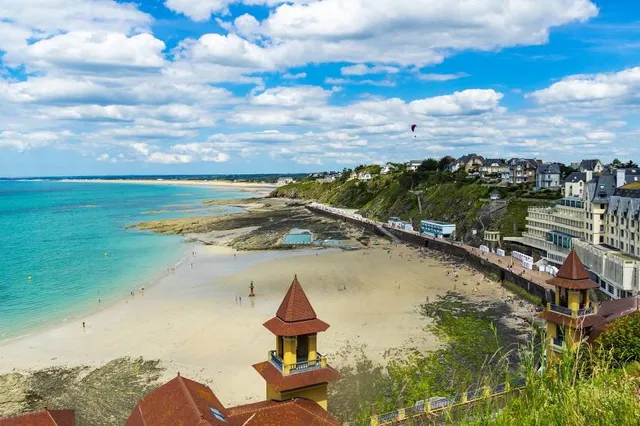
PLAT GOUSSET BEACH IN GRANVILLE
4.5
(892)
Open until 12:00 AM
Click for details
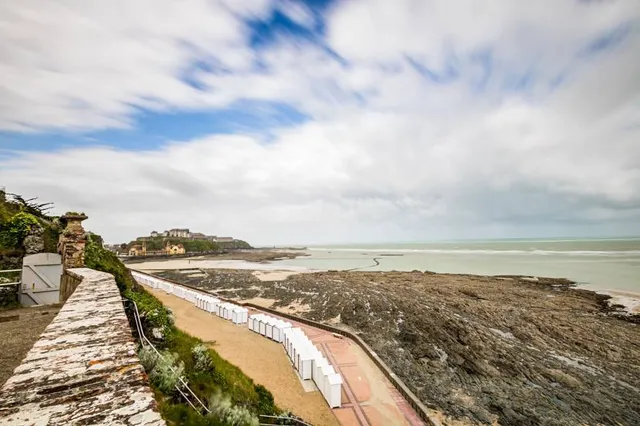
Casino Club Granville
3.8
(730)
Closed
Click for details
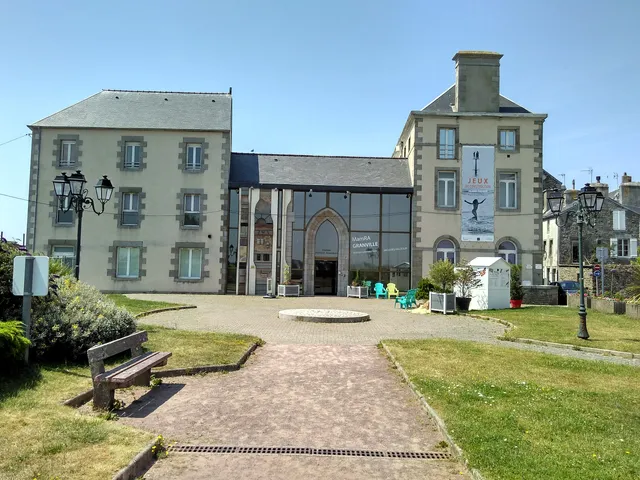
Museum of Modern Art Richard Anacreon
4.3
(197)
Open 24 hours
Click for details
Nearby restaurants of Musée Christian Dior
Jardin Christian Dior
La Rose Du Rocher Jardin Christian Dior
Le 110
La Boulangerie - Pâtisserie - Sandwicherie "De La Mer"
La Table De Louis
Restaurant brunch - Dame Gourmande
Loca Café
Brasserie Au Pirate
Parfum Poivre
Zebra 3
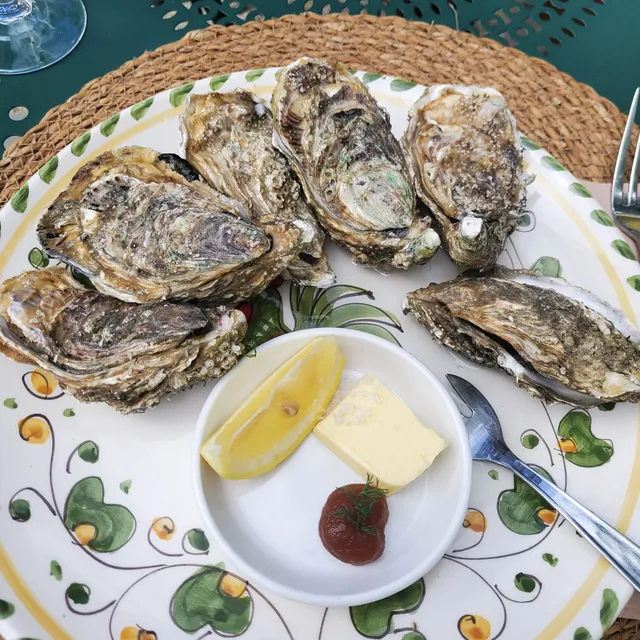
Jardin Christian Dior
4.6
(145)
Click for details

La Rose Du Rocher Jardin Christian Dior
4.6
(99)
Click for details
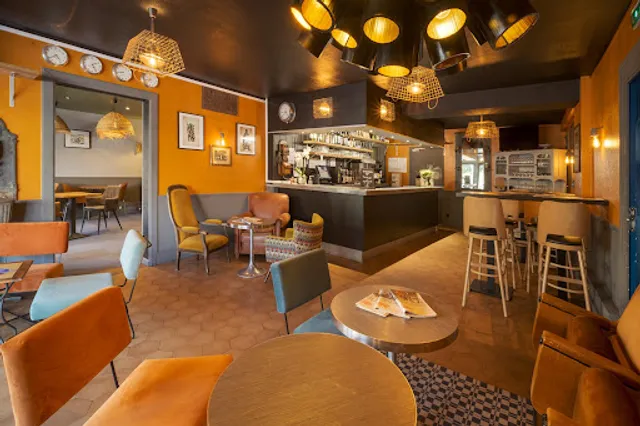
Le 110
4.6
(123)
Closed
Click for details
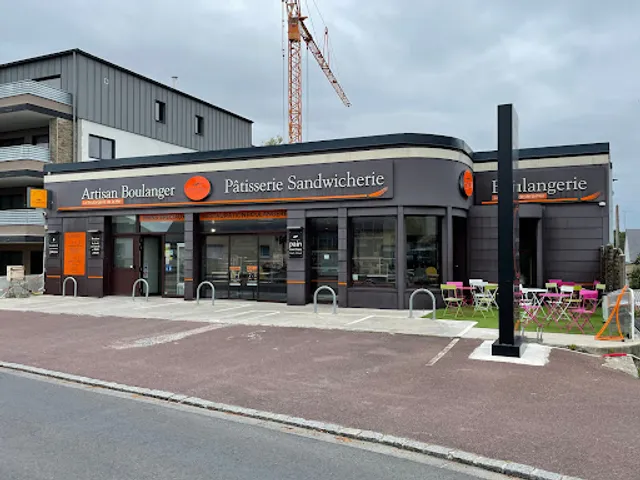
La Boulangerie - Pâtisserie - Sandwicherie "De La Mer"
4.2
(71)
Click for details
Nearby local services of Musée Christian Dior
Le 236 barber street
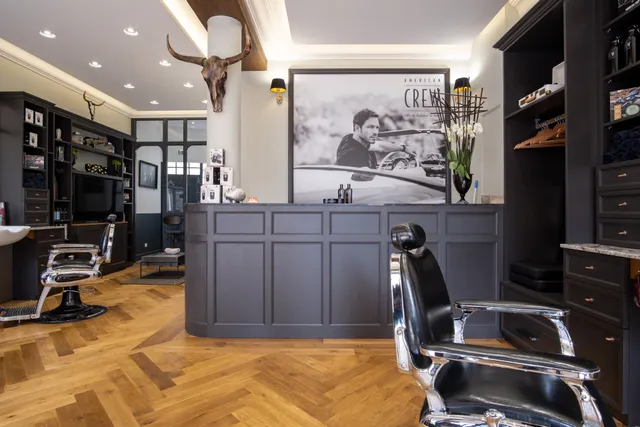
Le 236 barber street
4.8
(125)
Click for details