Citadelle de Blaye things to do, attractions, restaurants, events info and trip planning
Basic Info
Citadelle de Blaye
La Citadelle, 33390 Blaye, France
4.6(2K)
Open until 12:00 AM

tickets
Save
spot
spot
Ratings & Description
Info
Cultural
Scenic
Family friendly
Accessibility
attractions: , restaurants: LE BASTION, C’est mon Plaisir, Le Comptoir Vauban, Auberge des officiers, La Marina, Cave De L'estuaire, Le Gavroche Blaye Restaurant / Brasserie, Chez Yannou, BDS - Bar Des Sports, ESTI'BUS, local businesses:
 Learn more insights from Wanderboat AI.
Phone
+33 5 57 42 12 09
Website
bbte.fr
Open hoursSee all hours
SatOpen 24 hoursOpen
Plan your stay

Pet-friendly Hotels in Blaye
Find a cozy hotel nearby and make it a full experience.

Affordable Hotels in Blaye
Find a cozy hotel nearby and make it a full experience.

The Coolest Hotels You Haven't Heard Of (Yet)
Find a cozy hotel nearby and make it a full experience.

Trending Stays Worth the Hype in Blaye
Find a cozy hotel nearby and make it a full experience.
Reviews
Live events
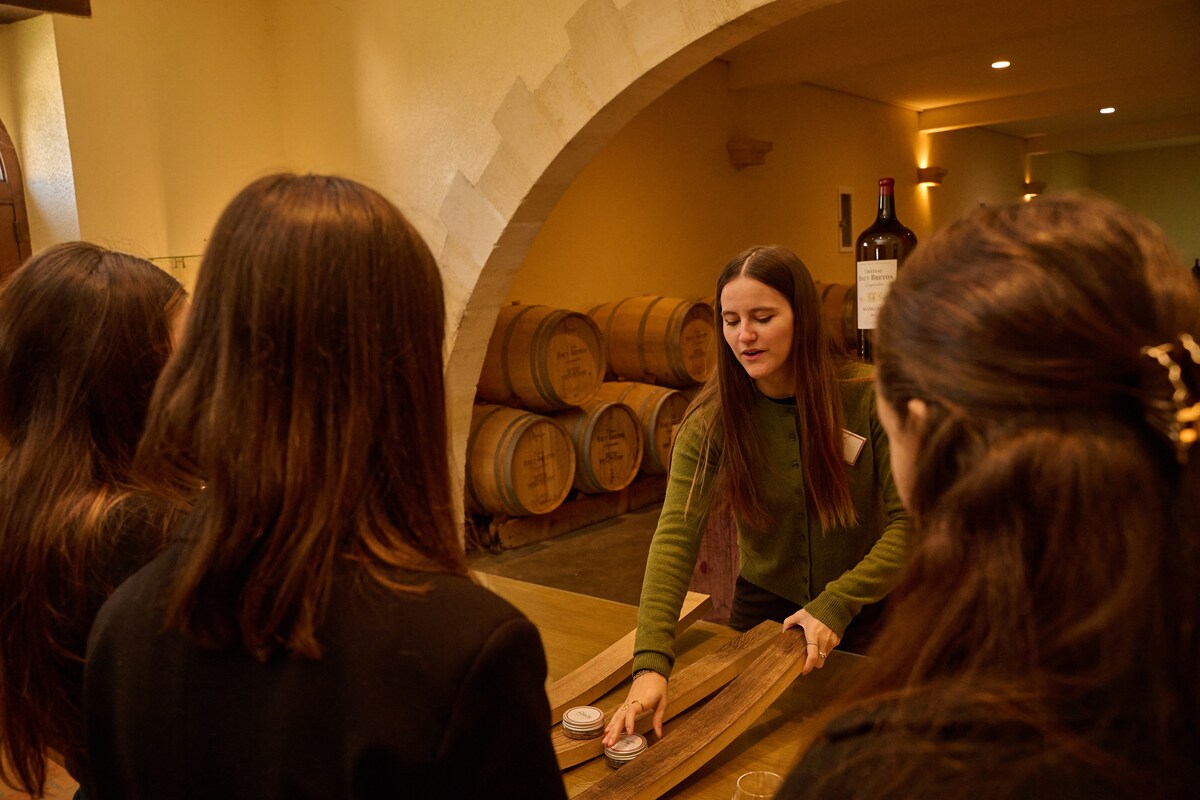
Terroirs Tasting - 4 Wines
Sat, Feb 21 • 12:30 AM
Château Haut Breton Larigaudière 33460, Soussans, France
View details
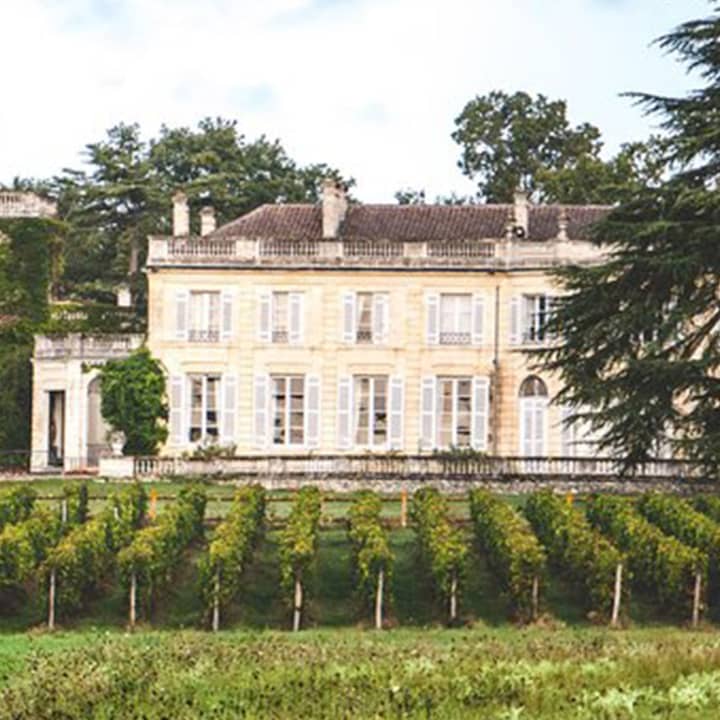
Visite du Château du Taillan et dégustation de vins
Mon, Feb 23 • 11:00 AM
56 Avenue de la Croix, Le Taillan-Médoc, 33320
View details
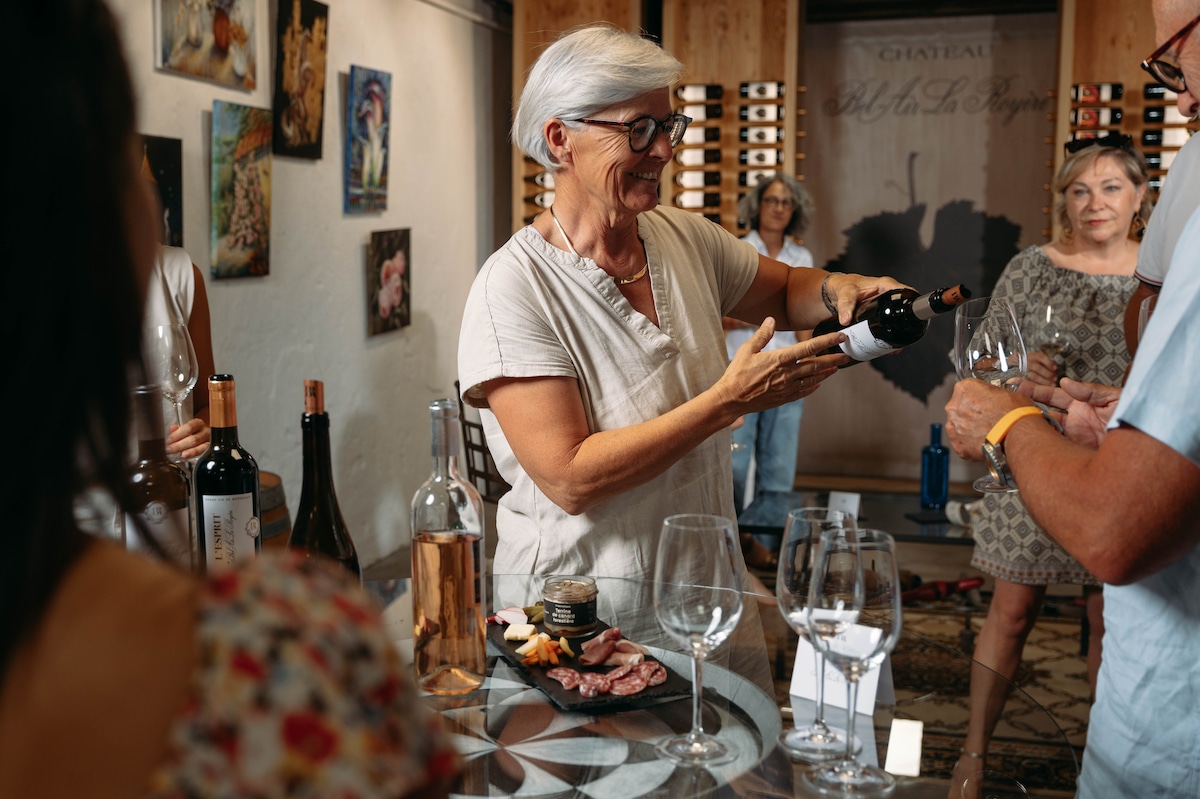
Organic Côtes de Blaye Wine Tour & Tasting
Mon, Feb 23 • 3:00 PM
33390, Cars, France
View details
Nearby restaurants of Citadelle de Blaye
LE BASTION
C’est mon Plaisir
Le Comptoir Vauban
Auberge des officiers
La Marina
Cave De L'estuaire
Le Gavroche Blaye Restaurant / Brasserie
Chez Yannou
BDS - Bar Des Sports
ESTI'BUS
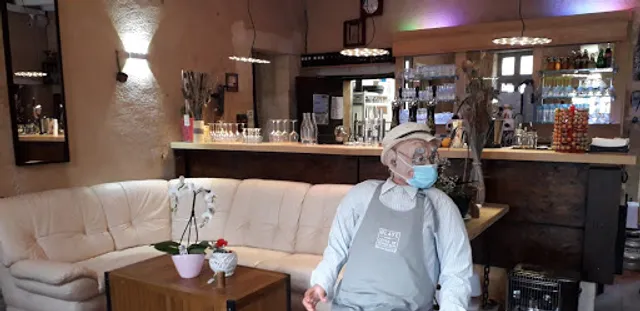
LE BASTION
3.8
(373)
$$
Click for details
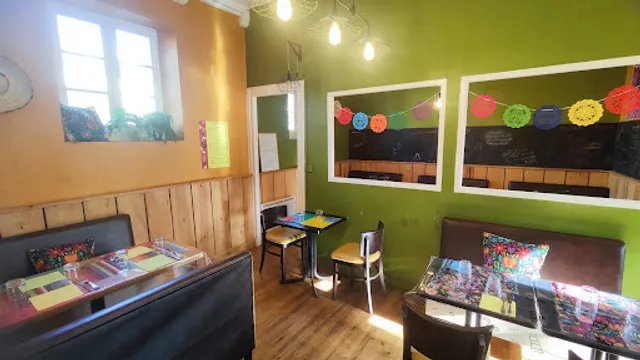
C’est mon Plaisir
4.5
(306)
Open until 12:00 AM
Click for details
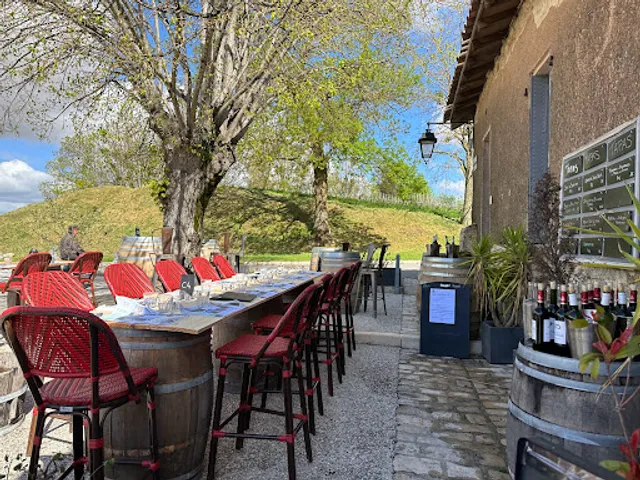
Le Comptoir Vauban
3.6
(465)
Open until 2:00 PM
Click for details
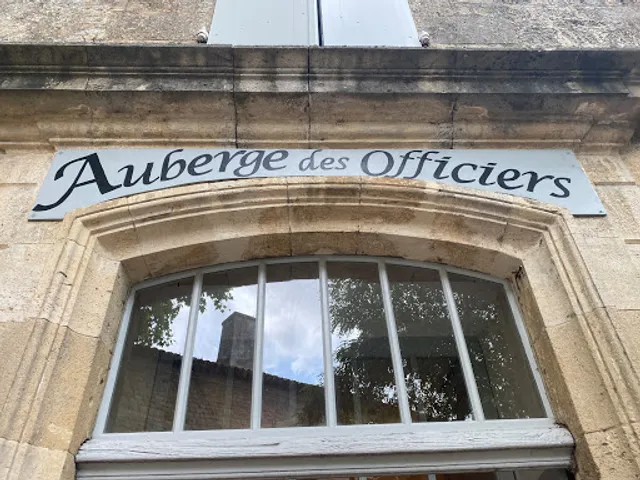
Auberge des officiers
4.2
(108)
Open until 2:00 PM
Click for details