Église Saint-Pierre things to do, attractions, restaurants, events info and trip planning
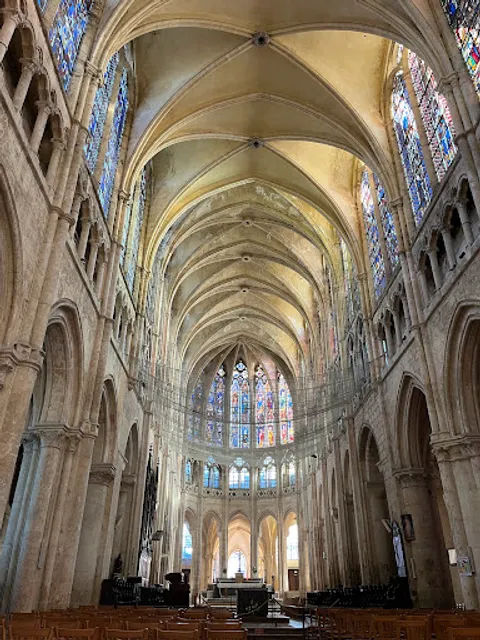
Basic Info
Église Saint-Pierre
6 Rue Pétion, 28000 Chartres, France
4.4(294)
Closed
Save
spot
spot
Ratings & Description
Info
Cultural
Scenic
Family friendly
Accessibility
attractions: Église catholique Saint-Aignan, Parc des Bords de L'Eure, Our Lady of Chartres Cathedral, Chartres International Stained Glass Centre, Museum of Fine Arts in Chartres, l'Eure à Chartres, AccroCamp Chartres | Accrobranche 28, restaurants: Le Jungle Café, Le Shalimar chartres, La Table de Julie, O'Tacos Chartres, La Petite Venise - La Guinguette de Chartres, my kitchen, Restaurant Pizzeria L'Isola, Mon Paris IV !, La Casa Tropical, Le Mughal, local businesses: Marché aux Légumes + marché bio (mercredi soir), L'OCCITANE EN PROVENCE, Collégiale Saint-André, Parc André Gagnon
 Learn more insights from Wanderboat AI.
Phone
+33 2 37 00 01 07
Website
cathedrale-chartres.org
Open hoursSee all hours
Mon9 AM - 6 PMClosed
Plan your stay

Pet-friendly Hotels in Chartres
Find a cozy hotel nearby and make it a full experience.

Affordable Hotels in Chartres
Find a cozy hotel nearby and make it a full experience.

The Coolest Hotels You Haven't Heard Of (Yet)
Find a cozy hotel nearby and make it a full experience.

Trending Stays Worth the Hype in Chartres
Find a cozy hotel nearby and make it a full experience.
Reviews
Live events

Formation avancée théorie polyvagale pour coachs et thérapeutes
Wed, Feb 25 • 9:00 AM
5 Rue des Rabières 78125 Hermeray
View details
Nearby attractions of Église Saint-Pierre
Église catholique Saint-Aignan
Parc des Bords de L'Eure
Our Lady of Chartres Cathedral
Chartres International Stained Glass Centre
Museum of Fine Arts in Chartres
l'Eure à Chartres
AccroCamp Chartres | Accrobranche 28
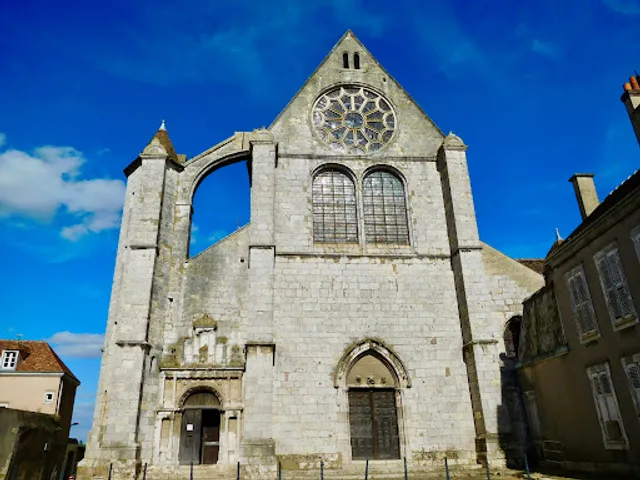
Église catholique Saint-Aignan
4.5
(189)
Closed
Click for details
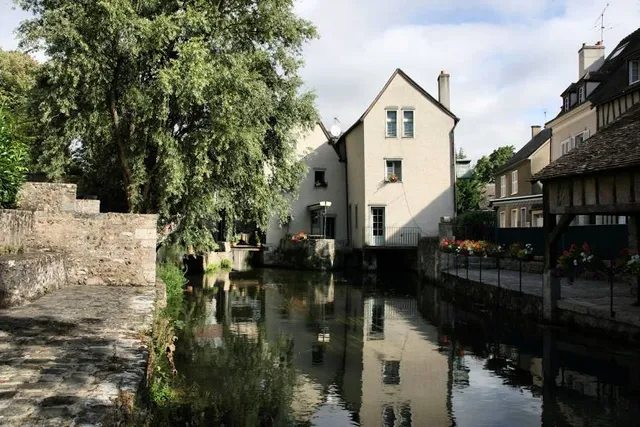
Parc des Bords de L'Eure
4.4
(956)
Closed
Click for details

Our Lady of Chartres Cathedral
4.8
(7.1K)
Closed
Click for details
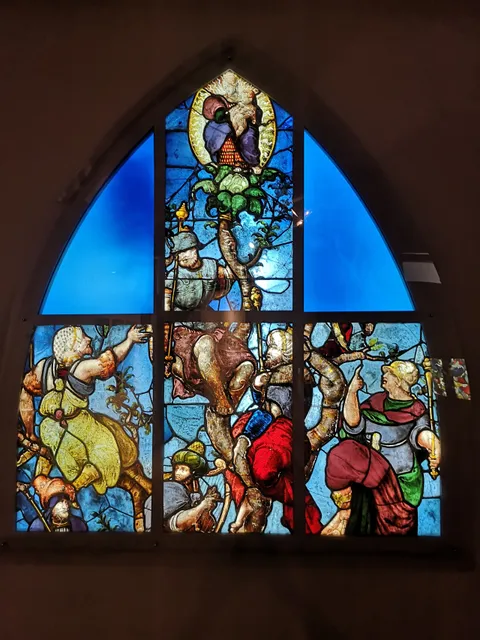
Chartres International Stained Glass Centre
4.1
(154)
Closed
Click for details
Nearby restaurants of Église Saint-Pierre
Le Jungle Café
Le Shalimar chartres
La Table de Julie
O'Tacos Chartres
La Petite Venise - La Guinguette de Chartres
my kitchen
Restaurant Pizzeria L'Isola
Mon Paris IV !
La Casa Tropical
Le Mughal
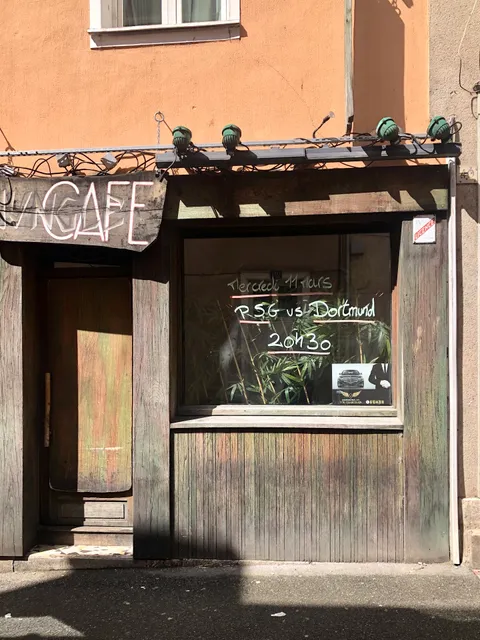
Le Jungle Café
4.1
(210)
$$
Open until 12:00 AM
Click for details
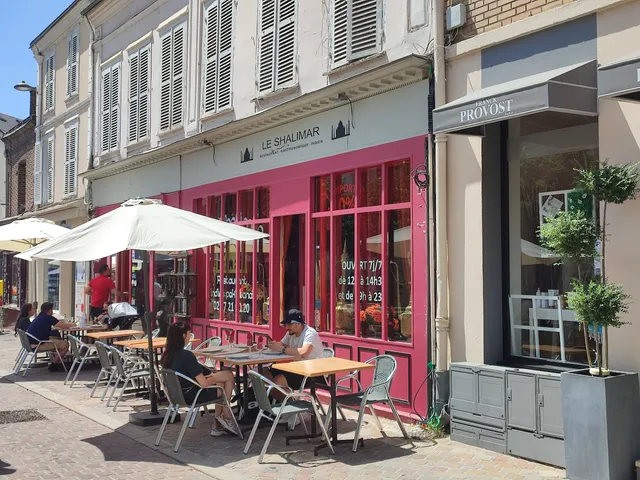
Le Shalimar chartres
4.4
(513)
Closed
Click for details
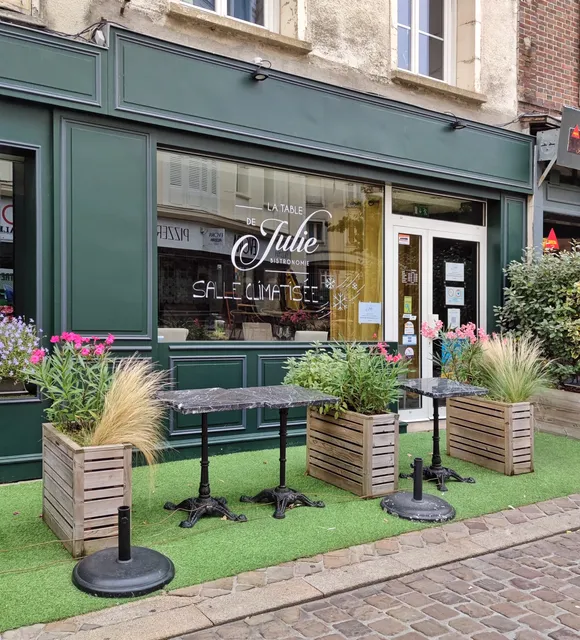
La Table de Julie
4.6
(580)
Open until 12:00 AM
Click for details
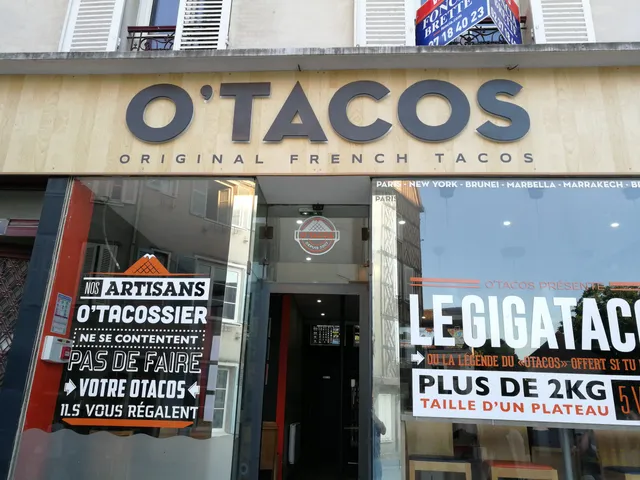
O'Tacos Chartres
4.3
(648)
Closed
Click for details
Nearby local services of Église Saint-Pierre
Marché aux Légumes + marché bio (mercredi soir)
L'OCCITANE EN PROVENCE
Collégiale Saint-André
Parc André Gagnon
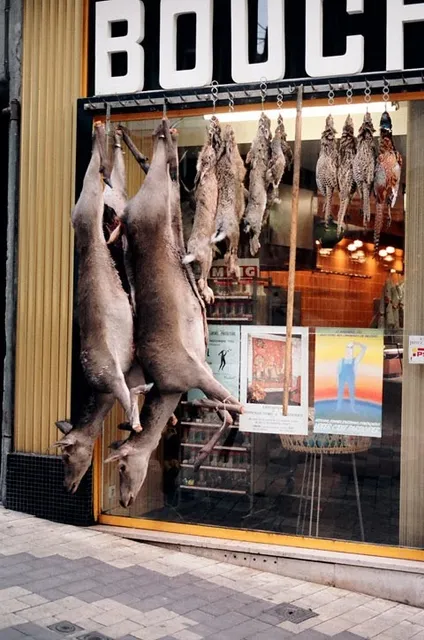
Marché aux Légumes + marché bio (mercredi soir)
4.5
(104)
Click for details
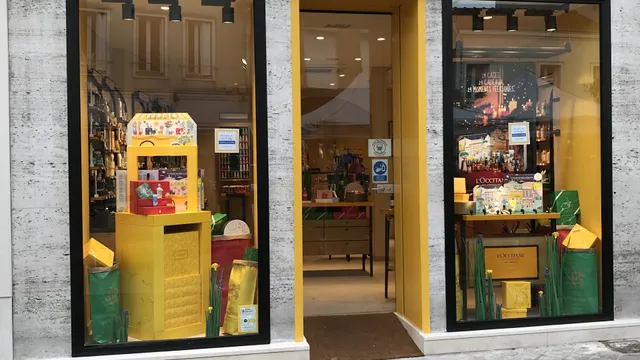
L'OCCITANE EN PROVENCE
3.8
(27)
Click for details

Collégiale Saint-André
4.5
(140)
Click for details
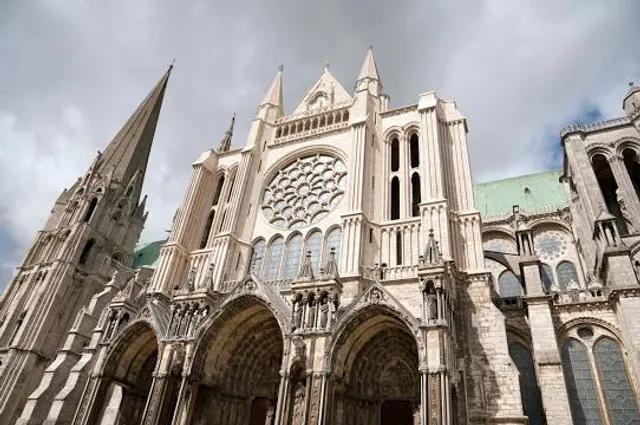
Parc André Gagnon
4.3
(520)
Click for details