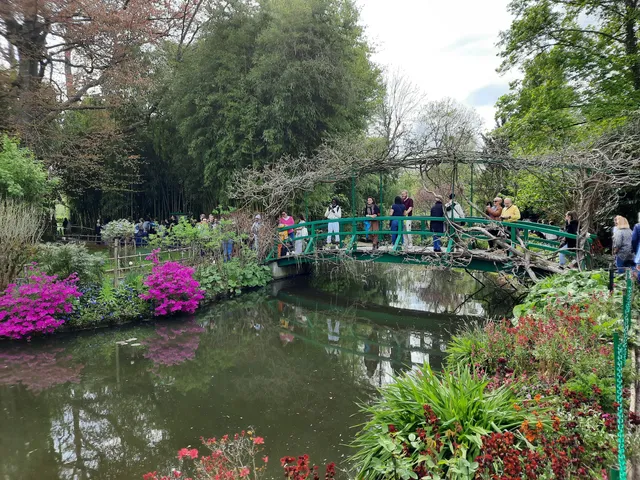
Few places in France conjure such vivid expectation as Giverny, the idyllic village where Claude Monet transformed his garden into a living canvas. For admirers of Impressionism, stepping into his water lily pond or walking beneath the cascading wisteria on the Japanese bridge is akin to a pilgrimage. (we were a little early for the wisteria and water lilies) It is, undeniably, beautiful — a riot of colour, harmony, and cultivated chaos that feels almost suspended in time.
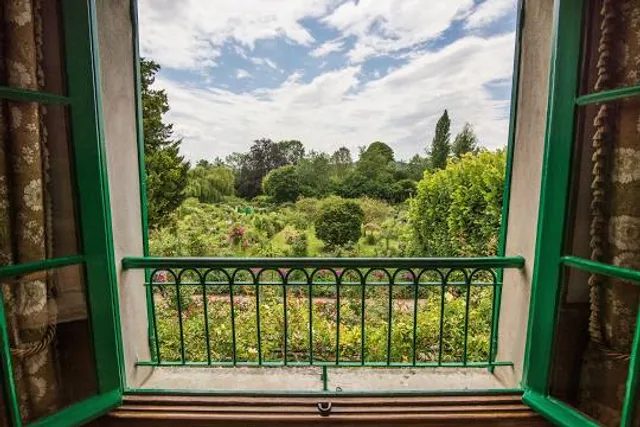
The gardens themselves are sublime. We were there on a sunlit spring day, wandering among the veritable smorgasbord of tulip varieties, Imperial Fritillaries and by the lily pond, dazzling azaleas coupled wih the soft new leaves of the japanese maples one can’t help but marvel at the way light plays on the petals and water — exactly as Monet saw it. The interplay between nature and art here is profound, and when you catch it in a quiet moment, it feels like the garden is whispering something timeless.
But that quiet moment is rare. I must emphasise for those who are looking for a day of quietly contemplating the beauty of what Monet created should read on...
Giverny, for all its charm, is also a victim of its own success. The number of visitors we experienced was verging on the uncomfortable but I was told that during peak months it can be overwhelming. Long queues, jostling tour groups, and a near-constant stream of camera lenses make it difficult to experience the garden as anything but a popular attraction. The village, too, feels somewhat overtaken by commercial interests — tasteful galleries and cafés mix with gift shops and the all-too-familiar signs of tourist saturation. It is still lovely, but one must look past the crowds to glimpse its soul.
That said, the experience is not without merit — far from it. To make the most of your visit, I recommend buying the tickets in advance, arriving early (right at opening), or in the late afternoon, when the light softens and the groups begin to thin. Weekdays outside of school holidays offer a calmer experience. If you're staying in the region, consider cycling in from nearby Vernon; the approach is bucolic and helps ease the transition into the slower pace that Giverny deserves. And don’t overlook the lesser-trodden paths around the village — they retain more of the rustic Norman charm that first inspired Monet.
Giverny may no longer be the tranquil haven it once was, but it remains a place where art and nature converse in extraordinary ways. If you arrive with tempered expectations and a willingness to look beyond the crowds, there is still wonder to be found. The garden is no longer just Monet’s — it belongs to the world — and like all things beloved by many, it asks for patience and perspective.
As a professional horticulturalist, I appreciated the technical expertise and hard labour in keeping this garden looking good despite the constant disturbance of tourists. If you appreciate great gardens then the sumptious displays of plants and flowers will...
Read moreClaude Monet’s House and Gardens in Giverny is a beautifully preserved retreat in the Normandy countryside, about 80 km (50 miles) northwest of Paris. This is where the famed Impressionist painter Claude Monet lived and worked for over 40 years, from 1883 until his death in 1926. Today, it is one of France’s most visited cultural sites and a must-see for art and nature lovers alike.
⸻
🏡 The House
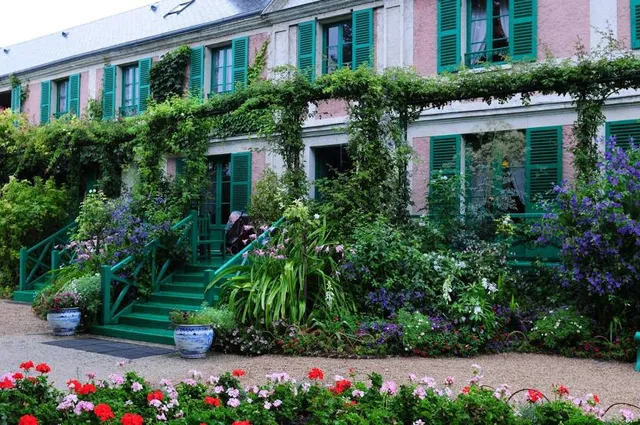
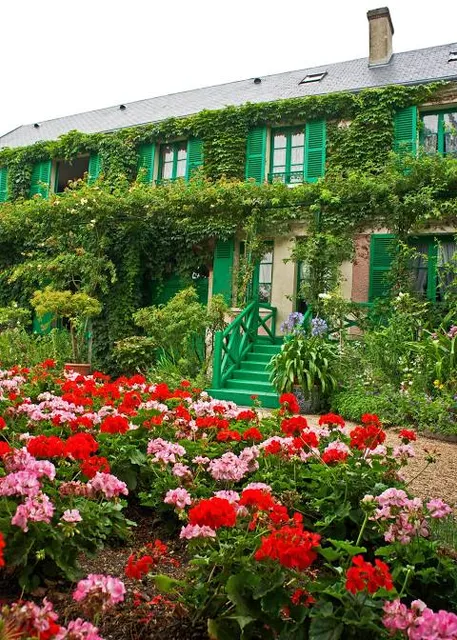
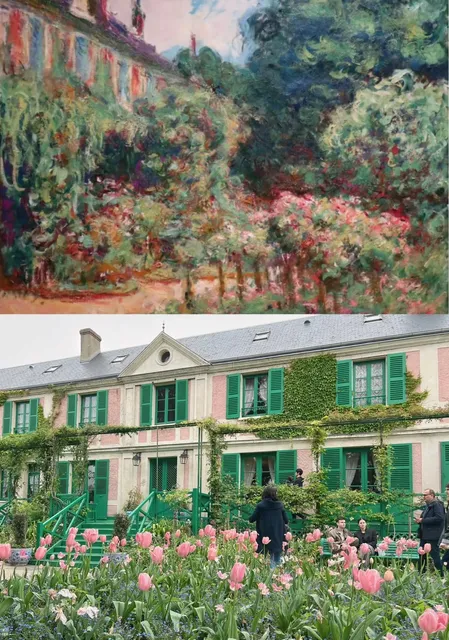
Monet’s house in Giverny is a charming, pink stucco country home with green shutters—distinctive and picturesque, much like his art. • Interior Style: The house is decorated in warm, vibrant colors, with rooms reflecting Monet’s artistic sensibility. The blue sitting room, yellow dining room, and kitchen with blue Rouen tiles are particular highlights. • Art Collection: The walls are adorned with Japanese prints, which greatly influenced Monet’s aesthetic. The home has no original Monet paintings, but it offers insight into his daily life and artistic process.
⸻
🌸 The Gardens
Monet designed his gardens like living paintings, with a deep understanding of color, reflection, and seasonal bloom.
Clos Normand (Flower Garden): • Located in front of the house, this is a vibrant, structured flower garden. • Filled with rows of tulips, irises, roses, poppies, and other flowers, carefully planned for a rich, layered effect. • Monet broke with formal French gardening traditions, mixing heights, colors, and types freely—creating the kind of chaotic beauty that inspired his canvas.
The Water Garden: • Created later, across the road (via a tunnel), this garden features the famous Japanese bridge, weeping willows, and water lilies. • This setting became the inspiration for Monet’s most iconic series: the Water Lilies (Nymphéas). • He shaped the landscape to create reflections and colors that would evolve with the light—perfect for an Impressionist eye.
⸻
🖼️ Why It Matters
Monet’s house and gardens are more than a museum—they are a living canvas. Nearly every angle and path reveals scenes straight from his paintings. Visiting Giverny is like stepping inside Monet’s world, where nature, light, and creativity are in perfect harmony.
⸻
🕰️ Visiting Tips: • Open from April to November. • Best time to visit: Spring and early summer, when the flowers are in full bloom. • It’s easy to reach Giverny by train from Paris (to Vernon), followed by a short bus. P.S, arrange uber ir bolt before l. Because it’s very difficult to find. If you want bus check the bus hours to go to train on time.
Claude Monet said, “My garden is my most beautiful masterpiece.” A visit to Giverny proves he wasn’t...
Read moreI recently had the opportunity to visit Claude Monet's house and gardens in Giverny, which have been transformed into a museum dedicated to the renowned artist. The experience was a mix of awe-inspiring beauty and a slight disappointment due to the overwhelming number of tourists.
Let me start by saying that the gardens surrounding Monet's house were absolutely stunning. The meticulously manicured flower beds, the vibrant colors, and the enchanting water lilies created a truly magical atmosphere. Walking through the gardens felt like stepping into one of Monet's famous paintings. It was a feast for the senses, and I couldn't help but feel a sense of tranquility and inspiration.
The house itself was a fascinating glimpse into the life of Claude Monet. The rooms were beautifully preserved, and it was a privilege to see the artist's personal belongings and the furniture that he lived with. The walls were adorned with his own paintings, giving visitors a unique opportunity to see his work within the context of his home. It was a truly immersive experience that allowed me to connect with Monet's art on a deeper level.
However, the one downside of my visit was the sheer number of tourists. The popularity of Monet's house and gardens attracts a large crowd, and at times, it felt like I was navigating through a sea of people. The narrow pathways and crowded rooms made it difficult to fully appreciate the beauty and serenity of the surroundings. I found myself longing for a more intimate and peaceful experience, where I could truly immerse myself in the nature and art without the constant hustle and bustle.
In my opinion, the museum should consider limiting the number of visitors allowed at any given time. By reducing the crowd size and allowing smaller groups to enter, visitors would have a better chance to fully experience the gardens and house in a quiet and subdued environment. This would enhance the overall experience and allow for a more intimate connection with Monet's art and the natural beauty that inspired him.
Despite the crowds, I would still recommend a visit to Claude Monet's house and gardens in Giverny. The stunning gardens, the immersive experience of the house, and the peaceful grounds make it a worthwhile destination for art lovers and nature enthusiasts alike. Just be prepared for the crowds and plan your visit accordingly to make the most of...
Read more