The Batteries du Mont Canisy is a fascinating historical site located near the coastal town of Honfleur in Normandy, France. This former military fortification dates back to the late 19th and early 20th centuries and played a significant role during World War II.
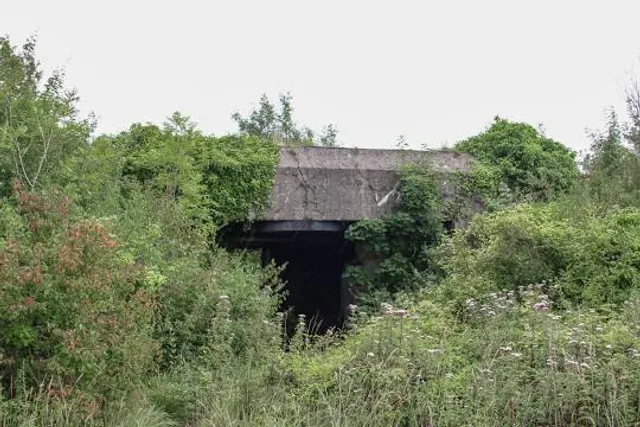
Perched on the Mont Canisy hill, the batteries were strategically positioned to oversee the coastline and provide artillery support to defend against naval attacks. The site consists of several concrete bunkers, gun emplacements, and observation points that have been preserved and restored, allowing visitors to explore the remnants of this military installation.
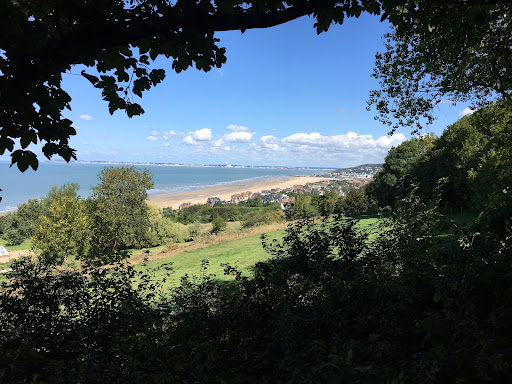
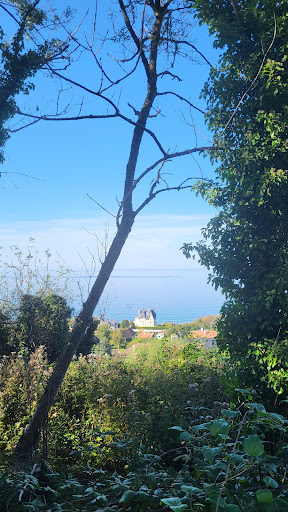
One of the main attractions of the Batteries du Mont Canisy is the panoramic views it offers over the surrounding landscape, including the Seine estuary and the Normandy coastline. The elevated position of the site provides a stunning backdrop for photography and a chance to appreciate the natural beauty of the area.
Visitors can walk through the various bunkers and structures, gaining insight into the military history of the site and the strategic importance it held during the war. Informative panels and guided tours help to contextualize the historical significance of the batteries, shedding light on the events that unfolded in this region during World War II.
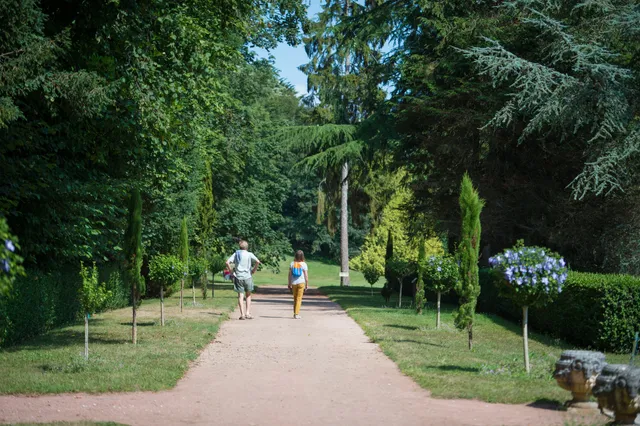
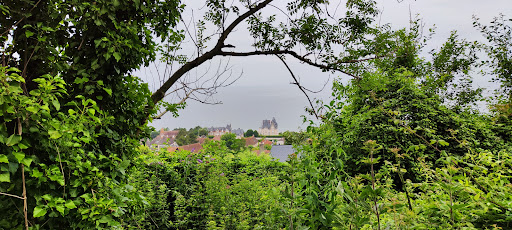
In addition to its historical value, the Batteries du Mont Canisy is also a great place for nature enthusiasts. The surrounding area features beautiful walking trails that meander through lush greenery, offering opportunities for hiking and enjoying the outdoors.
Overall, the Batteries du Mont Canisy is a must-visit destination for history buffs and anyone interested in the military heritage of Normandy. It combines a rich historical narrative with stunning views and natural beauty, providing a memorable experience...
Read moreDe batterij Mont Canisy hoog op de heuvel bij Berneville-sur-Mer in Normandië kreeg veel aandacht van geallieerde bommenwerpers in de aanloop naar D-Day op 6 juni 1944. Gelegen ten oosten van Sword Beach en de voorgestelde landingszones van Band Beach, werd gedacht dat de kanonnen die op dit grote complex waren gepositioneerd, de landing in het westen zouden beïnvloeden en werden daarom op de ochtend van D-Day ook aangevallen door de slagschepen HMS Warspite en Ramillies. Beide schepen - buiten bereik van de batterijkanonnen - openden om 5.30 uur 's ochtends het vuur op de locatie en onderdrukten de kanonnen het grootste deel van de dag, waardoor kleinere kruisers en torpedobootjagers in positie konden komen om de vuurmissies voort te zetten totdat de batterij in de middag tot zwijgen werd gebracht. Dit uitgebreide bombardement was te danken aan luchtverkenningsvliegtuigen die de uitgebreide geschutsbunkers en open emplacementen op de locatie lokaliseerden in de aanloop naar de landingen - waarvan sommige erfenissen waren van de originele Franse marinebatterij die hier van 1935 tot de verovering in 1940 was gevestigd. De zes open emplacementen van Mont Canisy werden verbeterd door de toevoeging van drie R679-kazematten in 1942 (een vierde was gepland maar nooit gebouwd) die de buitgemaakte Franse kanonnen van 155 mm moesten huisvesten, hoewel er maar één op zijn plaats was gezet toen de geallieerden aanvielen. De batterij had echter ook meer dan 250 meter aan onzichtbare, ondergrondse tunnels. Dit uitgebreide tunnelsysteem verbond vijf R134 munitieopslagplaatsen die achter en onder de originele Franse open emplacementen en R679 kazematten stonden. Er zijn verschillende ingangen, waaronder een bij de keuken en kantines in het zuidoosten van de site. Het complex beslaat meer dan 25 hectare en is op sommige plaatsen zwaar bebost, maar je kunt ook een glimp opvangen van veel andere gebouwen. Ter bescherming van de toegangsweg kun je een Vf67 type Tobruk zien met een gerestaureerde Franse tankkoepel eraan vastgemaakt en niet ver daarvandaan zijn twee vuurleidingsposten, de meest westelijke is een dubbele versie en kan met voorzichtigheid worden bereikt. Bovenop de kleinere FCP staat een eerbetoonsteen aan de matrozen van Warspite en Ramillies. Duitse troepen evacueerden de site op 21 augustus 1944 toen de geallieerde opmars oostwaarts trok vanuit Normandië. Tegenwoordig beheert een groep vrijwilligers het terrein, dat nu een natuurreservaat is. In de zomermaanden organiseren ze een aantal open dagen, waarbij het tunnelsysteem toegankelijk is voor bezoekers...
Read moreThis is a must see! When traveling to Normandy, this is definitely a stop that has to be made. It really sketches a good picture of how it must have been during WWII. Massive bunkers, kraters, great views of deauville, Le Havre and the ocean. After seeing the area I sure can understand why this place was chosen to build the defense. When going do check when the tunnels are open for public. There should be around 250...
Read more