Eldena Abbey things to do, attractions, restaurants, events info and trip planning
Basic Info
Eldena Abbey
Wolgaster Landstraße 41, 17493 Greifswald, Germany
4.6(942)
Open until 12:00 AM
Save
spot
spot
Ratings & Description
Info
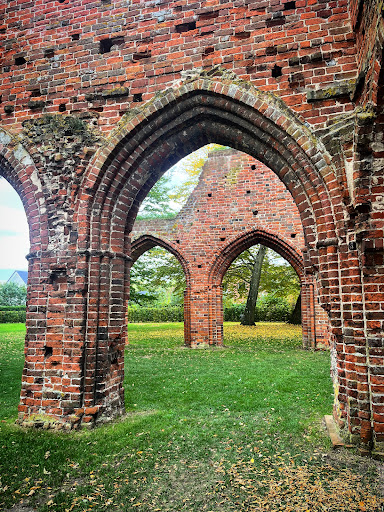
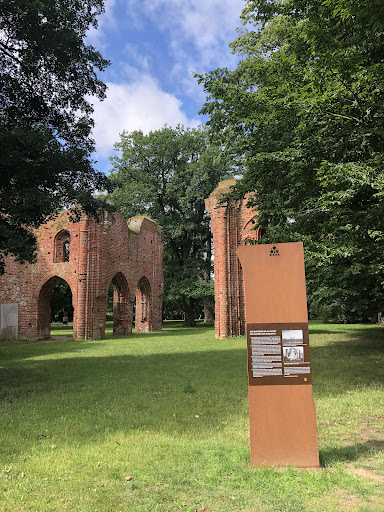
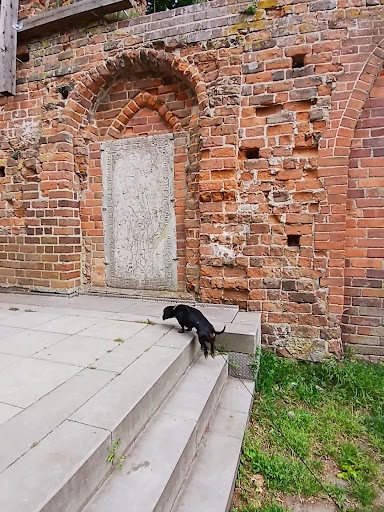
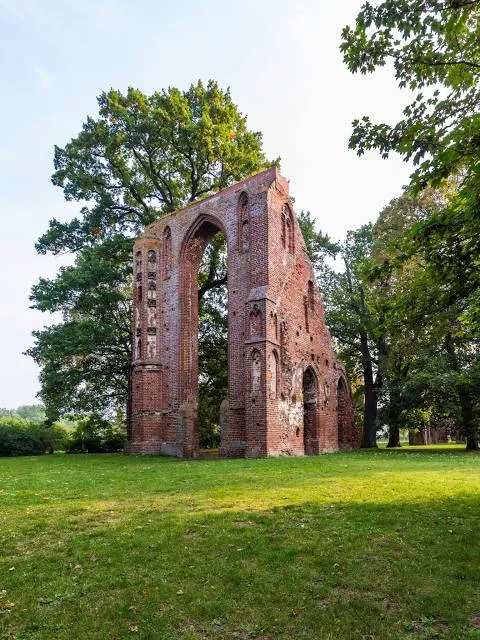
Eldena Abbey, originally Hilda Abbey is a former Cistercian monastery near the present town of Greifswald in Mecklenburg-Vorpommern, Germany. Only ruins survive, which are well known as a frequent subject of Caspar David Friedrich's paintings, including the famous Abtei im Eichwald.
Cultural
Outdoor
Scenic
Family friendly
Off the beaten path
attractions: , restaurants: Jack & Richie's Steakhouse und Ferienappartements, Fischer-Hütte, Ristorante ILPonte M.Mestria, Zur Fähre, local businesses: Wiecker Klappbrücke, Elisenhain
 Learn more insights from Wanderboat AI.
Phone
+49 3834 85362101
Website
greifswald.de
Open hoursSee all hours
ThuOpen 24 hoursOpen
Plan your stay

Pet-friendly Hotels in Greifswald
Find a cozy hotel nearby and make it a full experience.

Affordable Hotels in Greifswald
Find a cozy hotel nearby and make it a full experience.

The Coolest Hotels You Haven't Heard Of (Yet)
Find a cozy hotel nearby and make it a full experience.

Trending Stays Worth the Hype in Greifswald
Find a cozy hotel nearby and make it a full experience.
Reviews
Nearby restaurants of Eldena Abbey
Jack & Richie's Steakhouse und Ferienappartements
Fischer-Hütte
Ristorante ILPonte M.Mestria
Zur Fähre
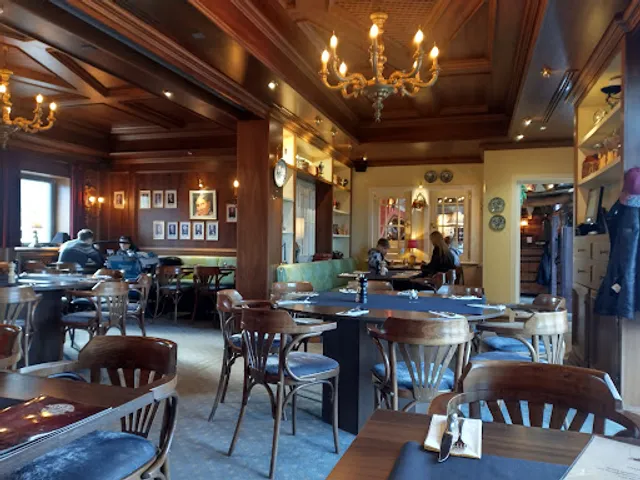
Jack & Richie's Steakhouse und Ferienappartements
4.5
(1.2K)
Closed
Click for details
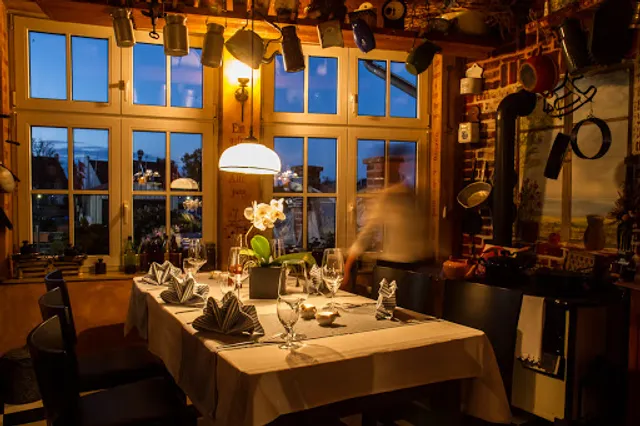
Fischer-Hütte
4.6
(1.3K)
Closed
Click for details

Ristorante ILPonte M.Mestria
4.5
(637)
Closed
Click for details
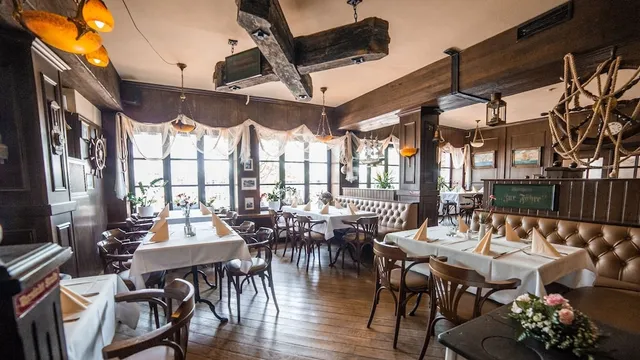
Zur Fähre
4.4
(525)
Click for details
Nearby local services of Eldena Abbey
Wiecker Klappbrücke
Elisenhain
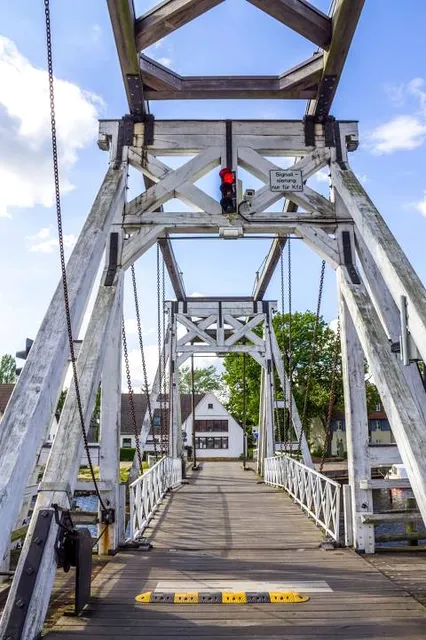
Wiecker Klappbrücke
4.7
(1.6K)
Click for details
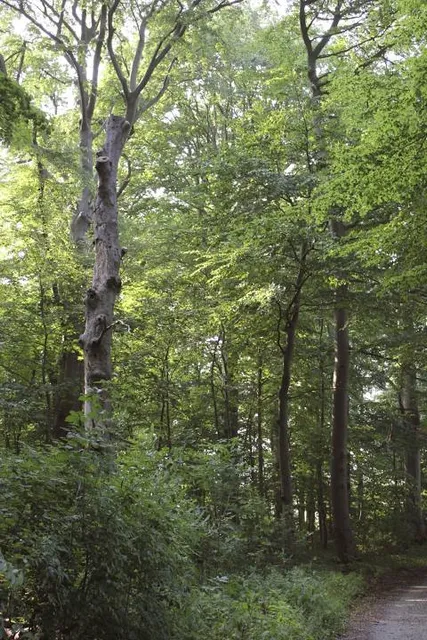
Elisenhain
4.8
(37)
Click for details