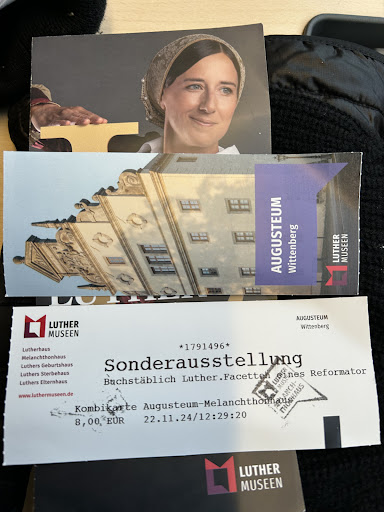
Lutherhaus things to do, attractions, restaurants, events info and trip planning
Basic Info
Lutherhaus
Collegienstraße 54, 06886 Lutherstadt Wittenberg, Germany
4.6(884)
Open 24 hours
Save
spot
spot
Ratings & Description
Info
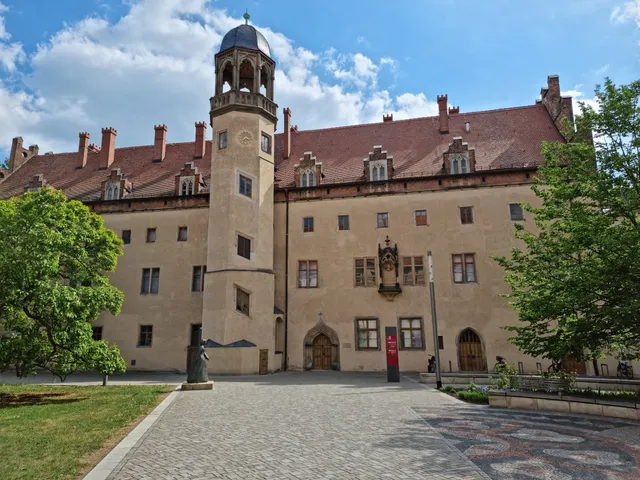
The Lutherhaus is a writer's house museum in Lutherstadt Wittenberg, Germany. Originally built in 1504 as part of the University of Wittenberg, the building was the home of Martin Luther for most of his adult life and a significant location in the history of the Protestant Reformation.
Cultural
Accessibility
attractions: Luther 1517 - Wittenberg 360 °, Melanchthonhaus, Luthereiche, Luther Monument, Wittenberg Zoo, Cranach-Stiftung, Luthergarten, restaurants: von Bora - Restaurant by martas, Independent, Sweet Apple, Culinela Cafe, Altstadtklause, Hanoi Pavillon (Imbiss), Trattoria Toscana, Fuh Lam Mun, Domino's Pizza Wittenberg, Wittenberger Bierstuben, local businesses: Wittenberger Marktplatz, ARSENAL - Einkaufszentrum
 Learn more insights from Wanderboat AI.
Phone
+49 3491 4203171
Website
luthermuseen.de
Plan your stay

Pet-friendly Hotels in Wittenberg
Find a cozy hotel nearby and make it a full experience.

Affordable Hotels in Wittenberg
Find a cozy hotel nearby and make it a full experience.

The Coolest Hotels You Haven't Heard Of (Yet)
Find a cozy hotel nearby and make it a full experience.

Trending Stays Worth the Hype in Wittenberg
Find a cozy hotel nearby and make it a full experience.
Reviews
Nearby attractions of Lutherhaus
Luther 1517 - Wittenberg 360 °
Melanchthonhaus
Luthereiche
Luther Monument
Wittenberg Zoo
Cranach-Stiftung
Luthergarten
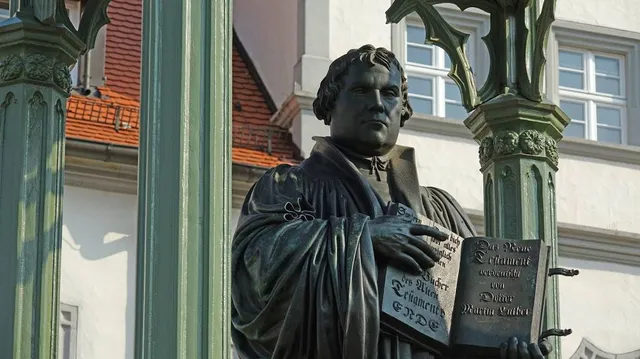
Luther 1517 - Wittenberg 360 °
4.7
(1.1K)
Closed
Click for details
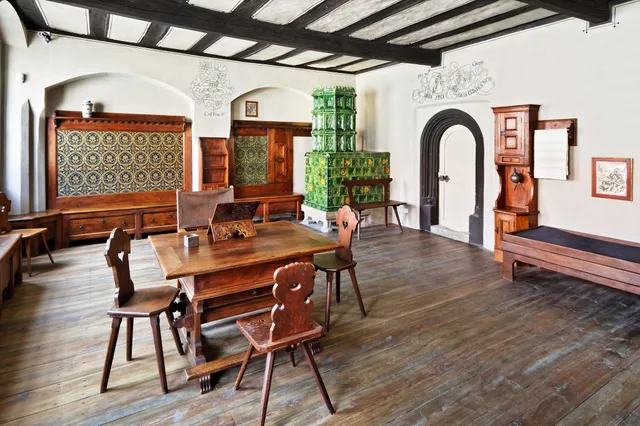
Melanchthonhaus
4.4
(133)
Open until 12:00 AM
Click for details
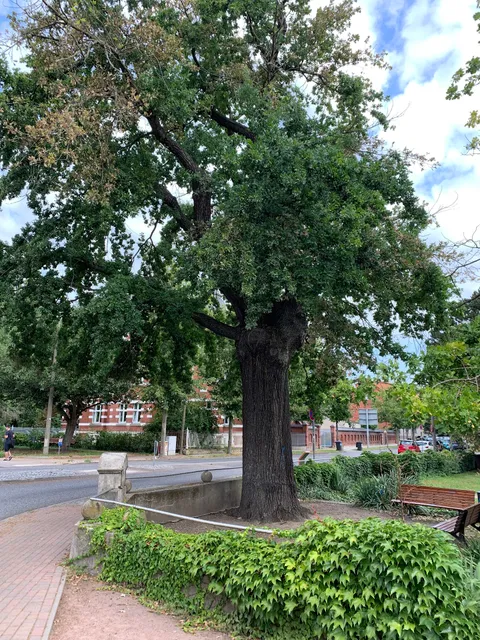
Luthereiche
4.5
(104)
Open until 12:00 AM
Click for details
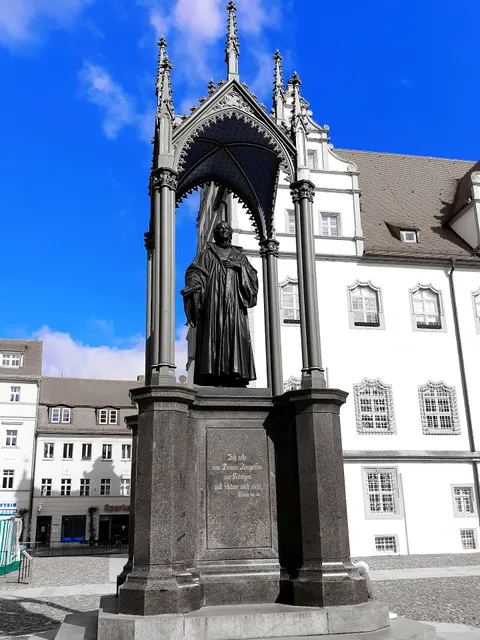
Luther Monument
4.7
(67)
Open until 12:00 AM
Click for details
Nearby restaurants of Lutherhaus
von Bora - Restaurant by martas
Independent
Sweet Apple
Culinela Cafe
Altstadtklause
Hanoi Pavillon (Imbiss)
Trattoria Toscana
Fuh Lam Mun
Domino's Pizza Wittenberg
Wittenberger Bierstuben
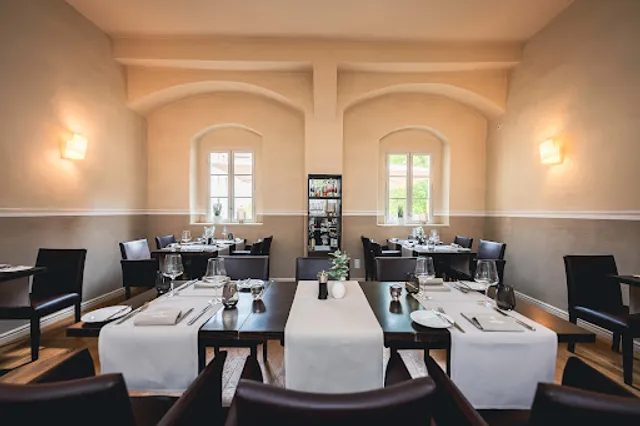
von Bora - Restaurant by martas
4.7
(184)
$$
Open until 10:00 PM
Click for details
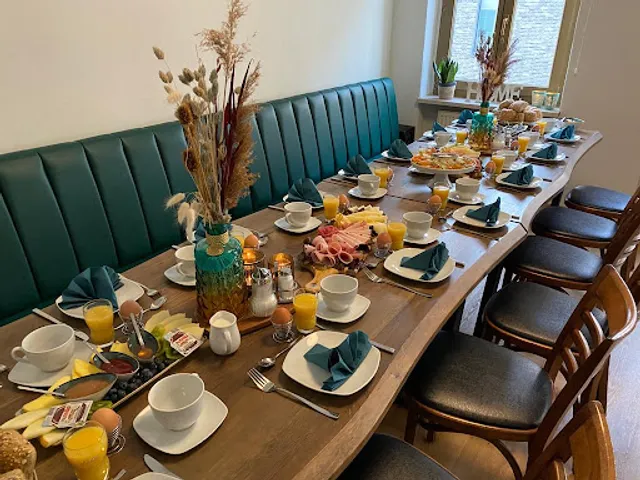
Independent
4.7
(388)
Open until 12:00 AM
Click for details
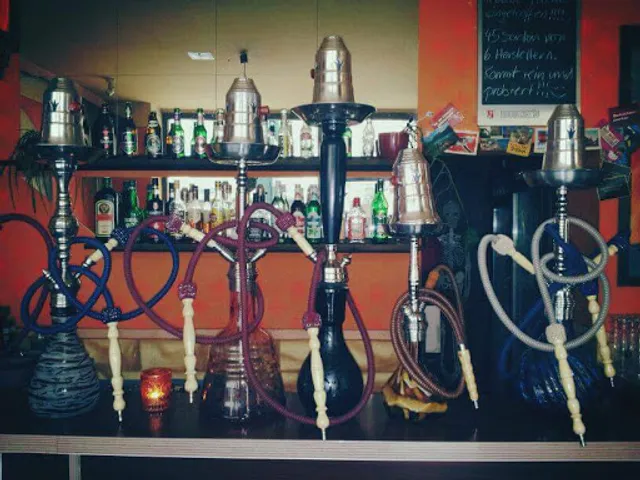
Sweet Apple
4.5
(53)
Closed
Click for details
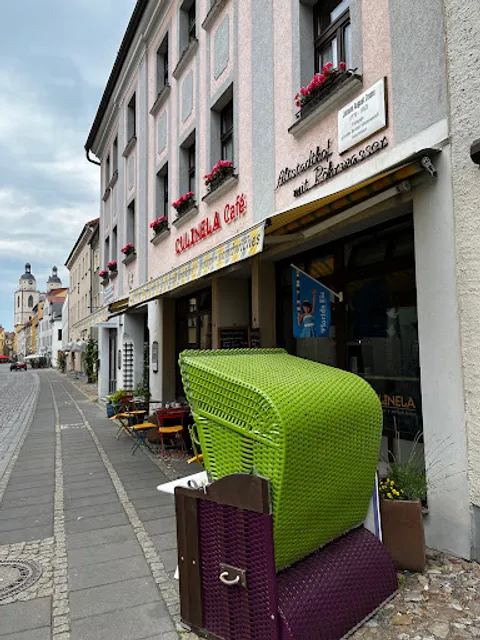
Culinela Cafe
4.6
(124)
Closed
Click for details
Nearby local services of Lutherhaus
Wittenberger Marktplatz
ARSENAL - Einkaufszentrum
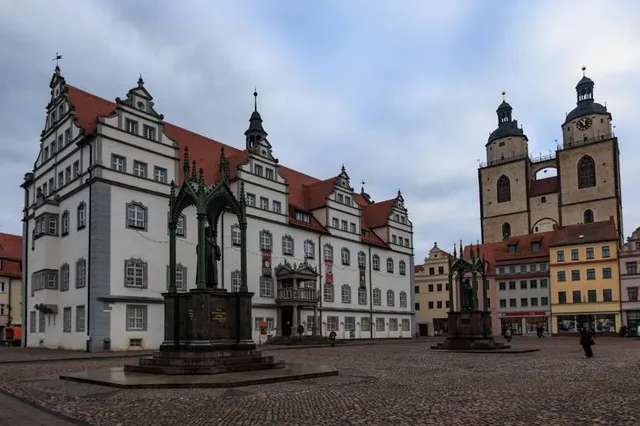
Wittenberger Marktplatz
4.5
(2K)
Click for details
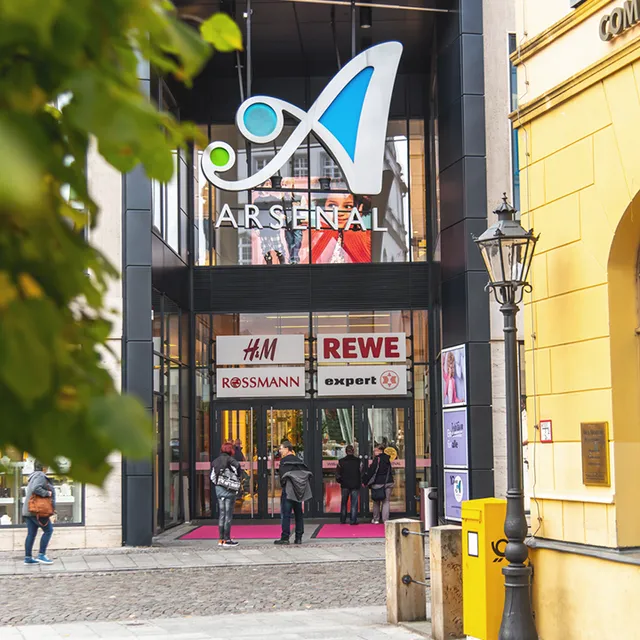
ARSENAL - Einkaufszentrum
4.1
(1.7K)
Click for details