Gisteren, eigenlijk veel te heet om er naar toe te gaan. Toch de gymschoenen aangetrokken, pet op het hoofd en 2 liter water mee. We hadden gelezen dat het een behoorlijke wandeling zou zijn.....ik als hartpatiënt kan zeggen dat dit niet de waarheid is. Oke met de warmte kost het wat meer moeite. Het is mooi om te zien hoe het uitzicht rondom is "schitterend".
Hieronder wat vertaalde tekst van het A4tje wat je meekrijgt bij de kassa (3€ pp)
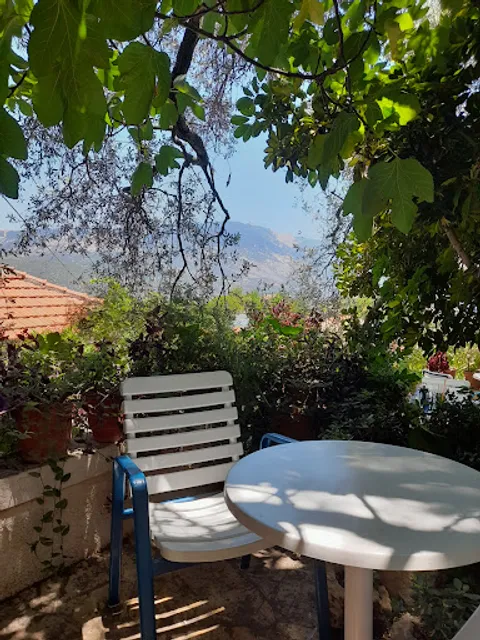
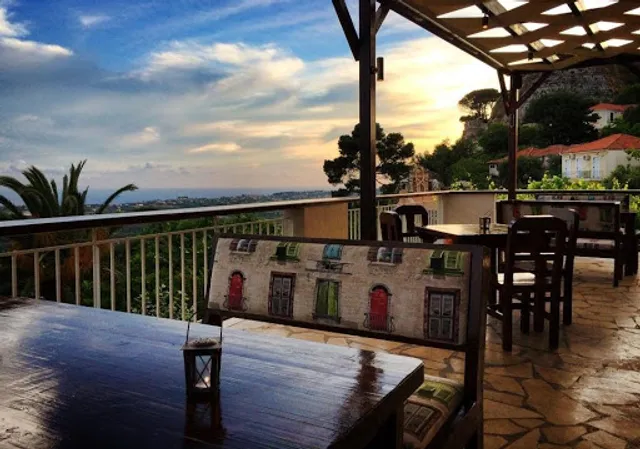
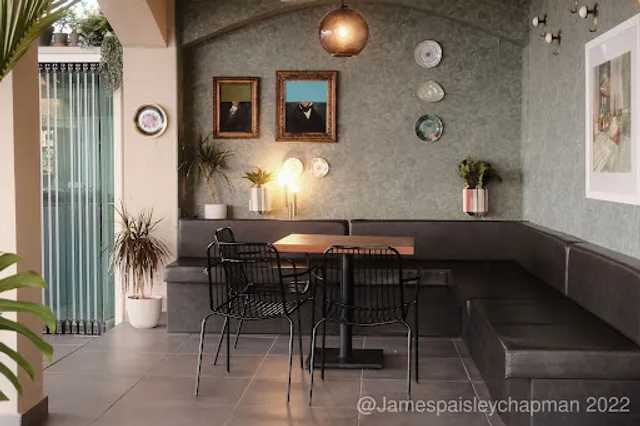
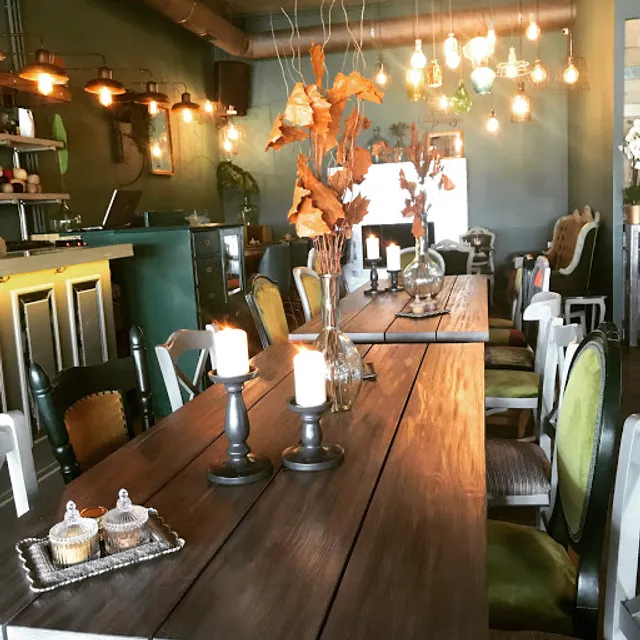
Op de terugweg naar beneden moet je zeker iets gaan drinken bij het restaurantje. Bij hete dagen een echte aanrader, bij je bestelling krijg je onbeperkt ijswater.....wij hebben 3 kannen van een halve liter op (buiten de consumpties) nvergeet niet om een punt taart te bestellen......ik had lemon cheesecake en mijn vrouw had carotcake.....beide waren excellent.
Het kasteel van Sint Joris, op de top van de heuvel genaamd Ayios Yeorgios in het binnenland van Leivatho, domineert het hele zuidwesten van het eiland Cephalonia.
De heuvel werd voor het eerst versterkt in de Byzantijnse tijd, toen de kerk van Sint Joris, waar het kasteel zijn naam aan ontleent, op de grond lijkt te hebben gestaan. De westerse vorsten die zo'n drie eeuwen lang, van 1185 tot 1485, over de eilanden heersten, breidde het Byzantijnse fort uit en gebruikten het als administratief en militair centrum. De eerste fasen van de bouw van het kasteel en het werk dat werd gedaan tijdens de korte Turkse bezetting van Cephalonia (1479 - 1481 en 1485 - 1500) zijn vandaag de dag moeilijk te identificeren, omdat het gebouw vervolgens een aantal keer werd gerepareerd en de locatie voortdurend in gebruik was. Zoals we het vandaag de dag zien is het kasteel grotendeels het werk van de Venetianen, in wiens handen het viel na een beleg van drie vermoeiende maanden (1.500) waarin een groot deel van het gebouw werd verwoest.
De wederopbouw begon in 1504, onder toezicht van de ingenieur Nicolo della Cimara, en verliep langzaam en werd pas in 1545 voltooid.
De onregelmatige muur, met een totale lengte van 600 meter, werd opnieuw versterkt met drie bastions, waarvan de zuidoostelijke, die de enige ingang bedekt, de sterkste is.
Binnen het kasteel ontwikkelde zich een belangrijke nederzetting die zich al snel buiten de muren verspreidde en de voorstad Borgo vormde. Het kasteel raakte in verval en, beetje bij beetje,
raakte ontvolkt toen de Venetianen de zetel van hun administratie verplaatsten naar Argostoli, dat zich ondertussen had ontwikkeld tot een belangrijk economisch en commercieel centrum (1757).
Onder het Brits Protectoraat van. 1815 tot 1864 en tijdens de Tweede Wereldoorlog werd een groot deel van de gebouwen verwoest, maar de ergste schade werd veroorzaakt door de aardbeving die Cephalonia in 1953 trof. Het kasteel van Sint Joris is nog steeds een belangrijk stuk vesting architectuur, de meest sprekende getuigenis van de geschiedenis van Cephalonia in de afgelopen...
Read more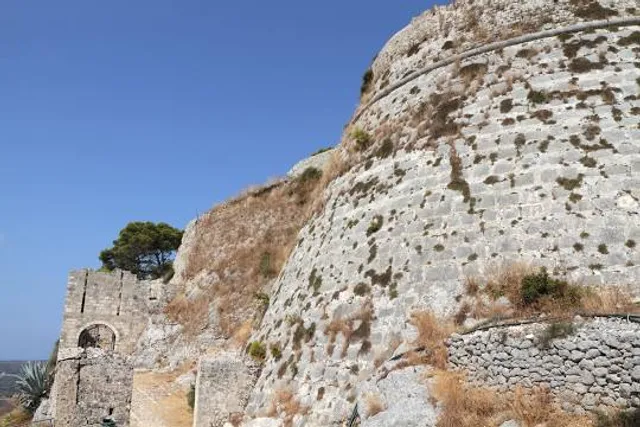

 Learn more insights from Wanderboat AI.