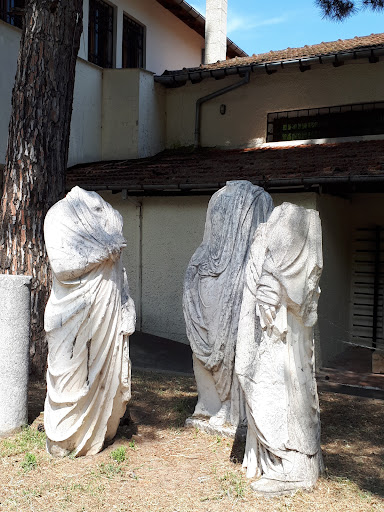
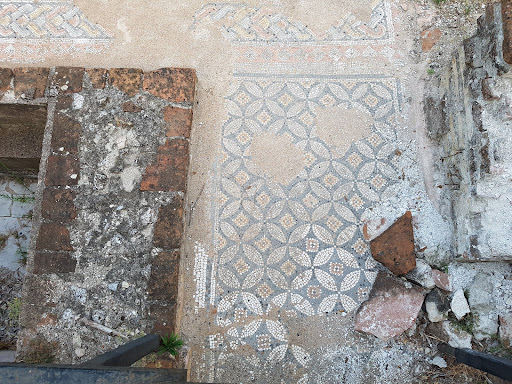
Archaeological Museum of Dion things to do, attractions, restaurants, events info and trip planning
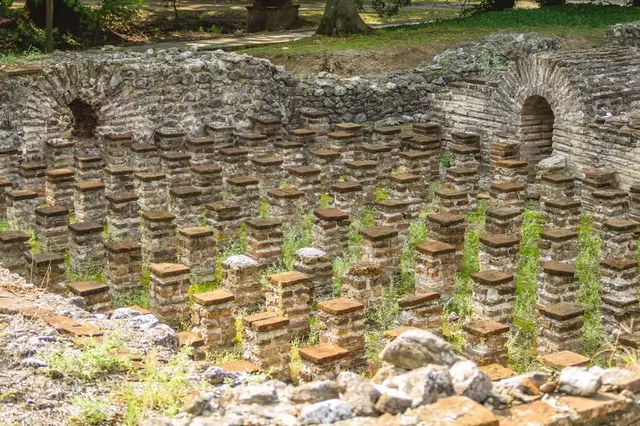
Basic Info
Archaeological Museum of Dion
Epar.Od. Katerinis - Limena Litochoriou 910, Dion 601 00, Greece
4.6(1.5K)
Open until 12:00 AM
Save
spot
spot
Ratings & Description
Info
Cultural
Accessibility
attractions: Archaeological Site of Dion, Hellenistic Theatre of Dìon, Roman Theatre of Dion, Sanctuary of Demeter at Dion, Great Thermae of Dion, Villa of Dionysos at Dion, restaurants: Restaurant Ariadni, Isida, Dionisos Restaurant, Το Σπιτικο, Agionèri, Γυράδικο Ξενοφών, Ψησταριά "Ο Διονύσης", Άγιος Διονύσιος Ταβέρνα - Δίον, local businesses: Grèmia
 Learn more insights from Wanderboat AI.
Phone
+30 2351 053206
Open hoursSee all hours
TueClosedOpen
Plan your stay

Pet-friendly Hotels in Dion - Olympos Municipality
Find a cozy hotel nearby and make it a full experience.

Affordable Hotels in Dion - Olympos Municipality
Find a cozy hotel nearby and make it a full experience.

The Coolest Hotels You Haven't Heard Of (Yet)
Find a cozy hotel nearby and make it a full experience.

Trending Stays Worth the Hype in Dion - Olympos Municipality
Find a cozy hotel nearby and make it a full experience.
Reviews
Nearby attractions of Archaeological Museum of Dion
Archaeological Site of Dion
Hellenistic Theatre of Dìon
Roman Theatre of Dion
Sanctuary of Demeter at Dion
Great Thermae of Dion
Villa of Dionysos at Dion
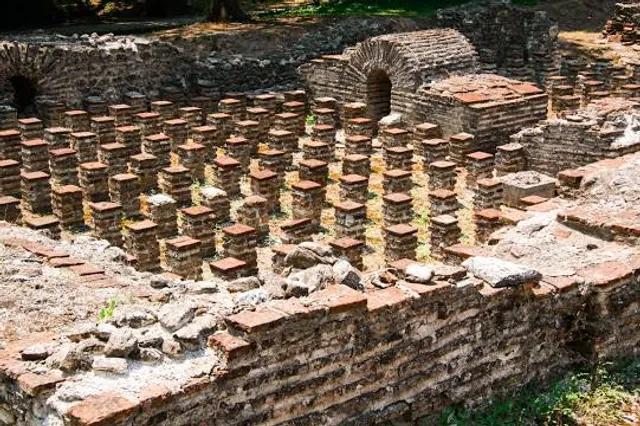
Archaeological Site of Dion
4.5
(1.9K)
Open until 12:00 AM
Click for details
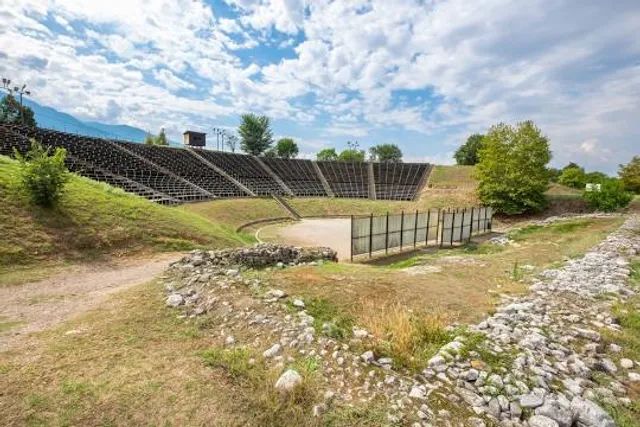
Hellenistic Theatre of Dìon
4.6
(417)
Open 24 hours
Click for details
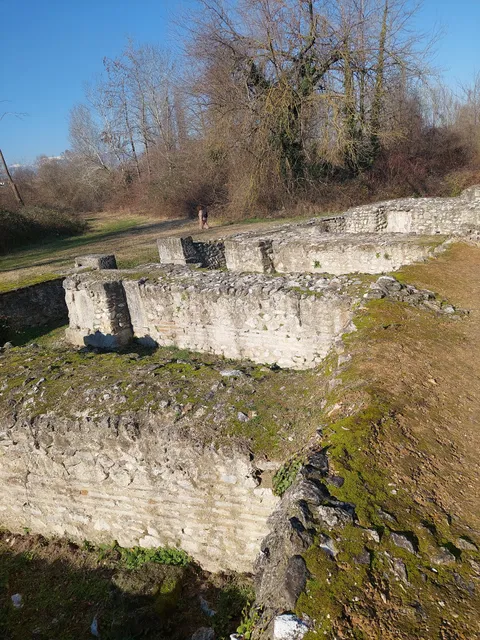
Roman Theatre of Dion
4.7
(60)
Open 24 hours
Click for details
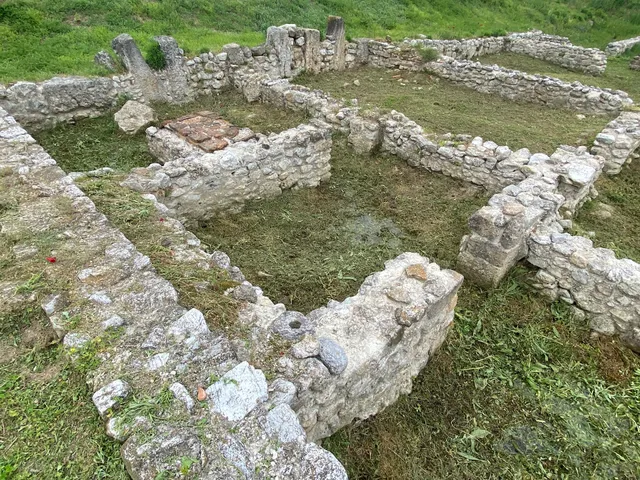
Sanctuary of Demeter at Dion
4.5
(31)
Open 24 hours
Click for details
Nearby restaurants of Archaeological Museum of Dion
Restaurant Ariadni
Isida
Dionisos Restaurant
Το Σπιτικο
Agionèri
Γυράδικο Ξενοφών
Ψησταριά "Ο Διονύσης"
Άγιος Διονύσιος Ταβέρνα - Δίον
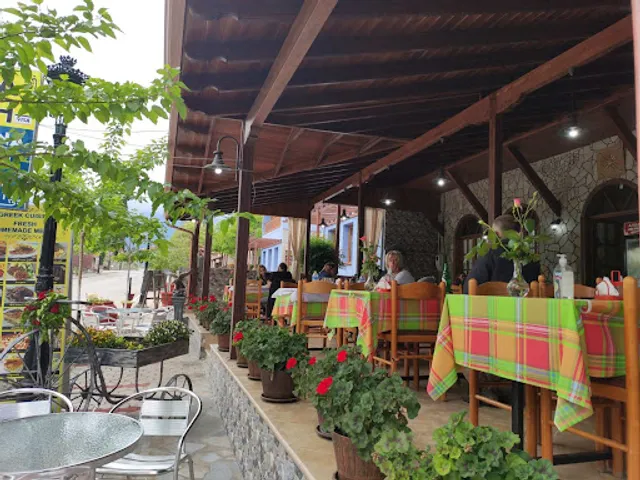
Restaurant Ariadni
4.8
(718)
Open until 10:00 PM
Click for details
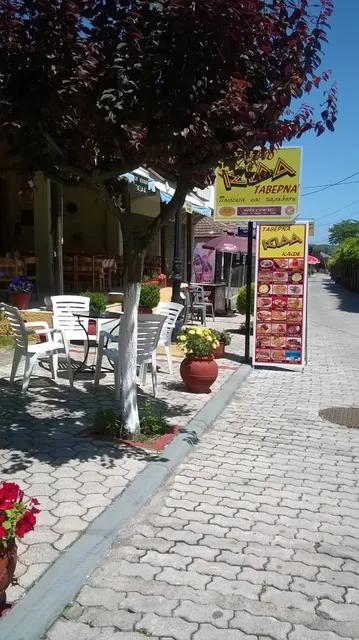
Isida
4.9
(378)
Open until 10:30 PM
Click for details
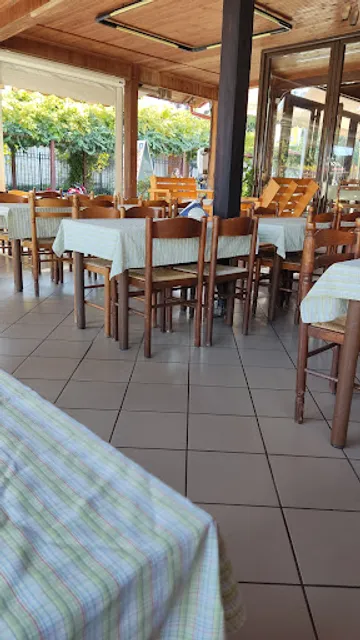
Dionisos Restaurant
4.6
(111)
Open until 9:30 PM
Click for details
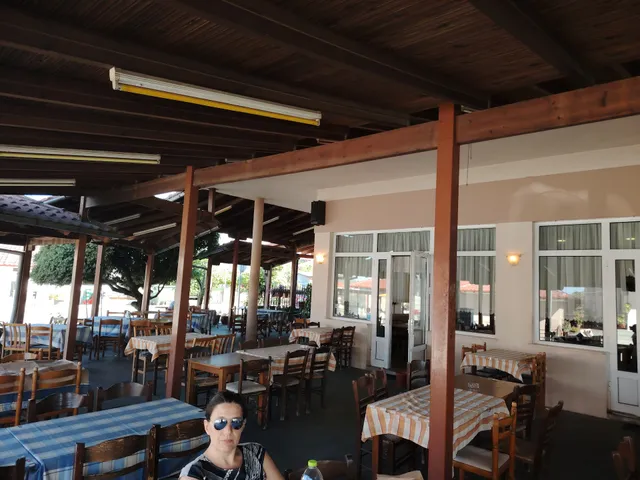
Το Σπιτικο
4.4
(183)
Open until 11:30 PM
Click for details
Nearby local services of Archaeological Museum of Dion
Grèmia

Grèmia
4.4
(57)
Click for details