Review of Perama Cave Hike
I recently had the pleasure of hiking through the stunning Perama Cave, located near the town of Ioannina in Greece. This remarkable experience not only allowed me to immerse myself in nature but also deepened my understanding of geological formations, particularly stalagmites and stalactites. Here’s a detailed review of my hike, insights into these fascinating natural structures, and the cave's significant paleontological findings.
Overview of Perama Cave
Perama Cave is one of the largest and most impressive caves in Greece. Discovered in 1940, it has been open to the public since 1984 and is renowned for its breathtaking beauty and intricate formations. The cave is approximately 1,500 meters long, with an interior rich in natural features that tell the story of millions of years of geological activity.
Hiking Experience
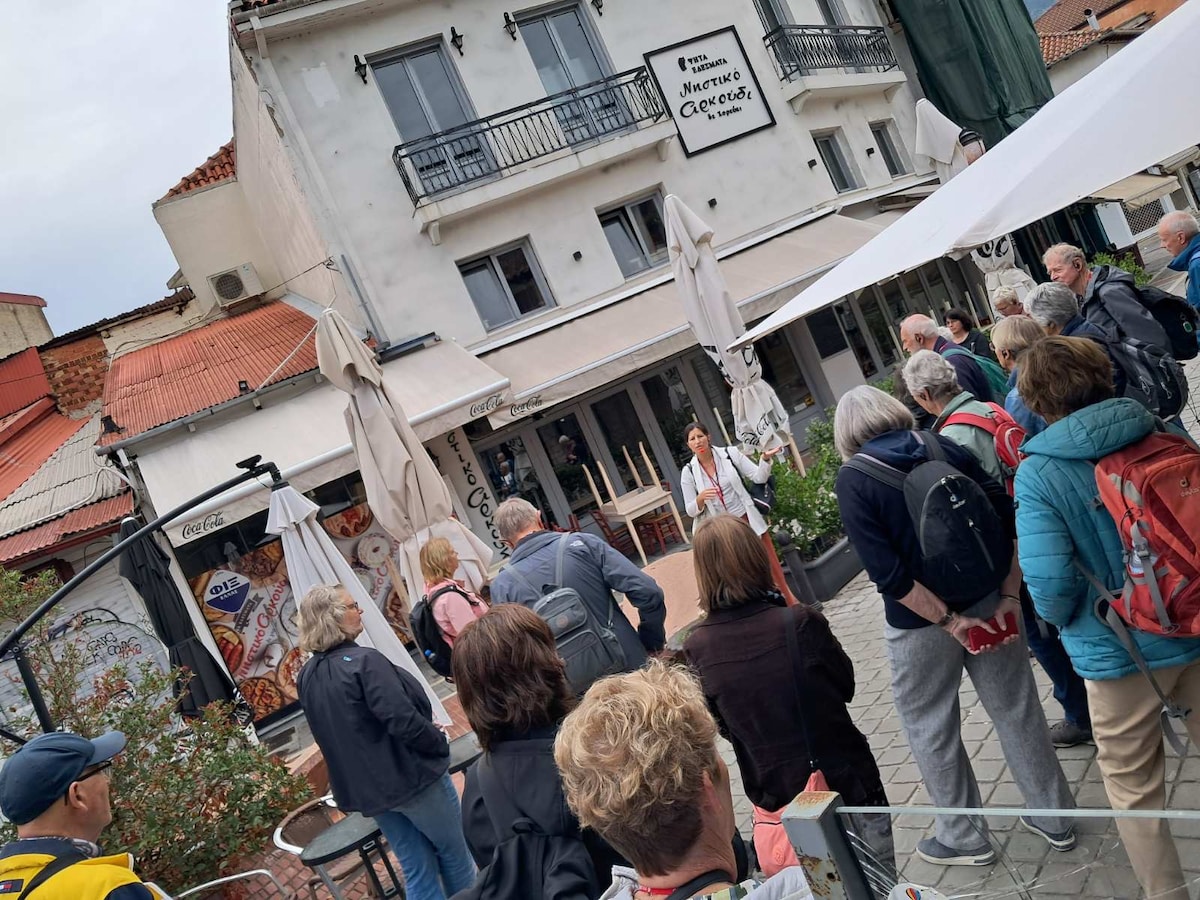
The hike to Perama Cave is both accessible and rewarding. The approach is well-marked, with paths that guide visitors through the surrounding landscape, offering picturesque views of the countryside. As you make your way to the entrance, the anticipation builds, and the air grows cooler, a welcoming change after the warmth of the day.
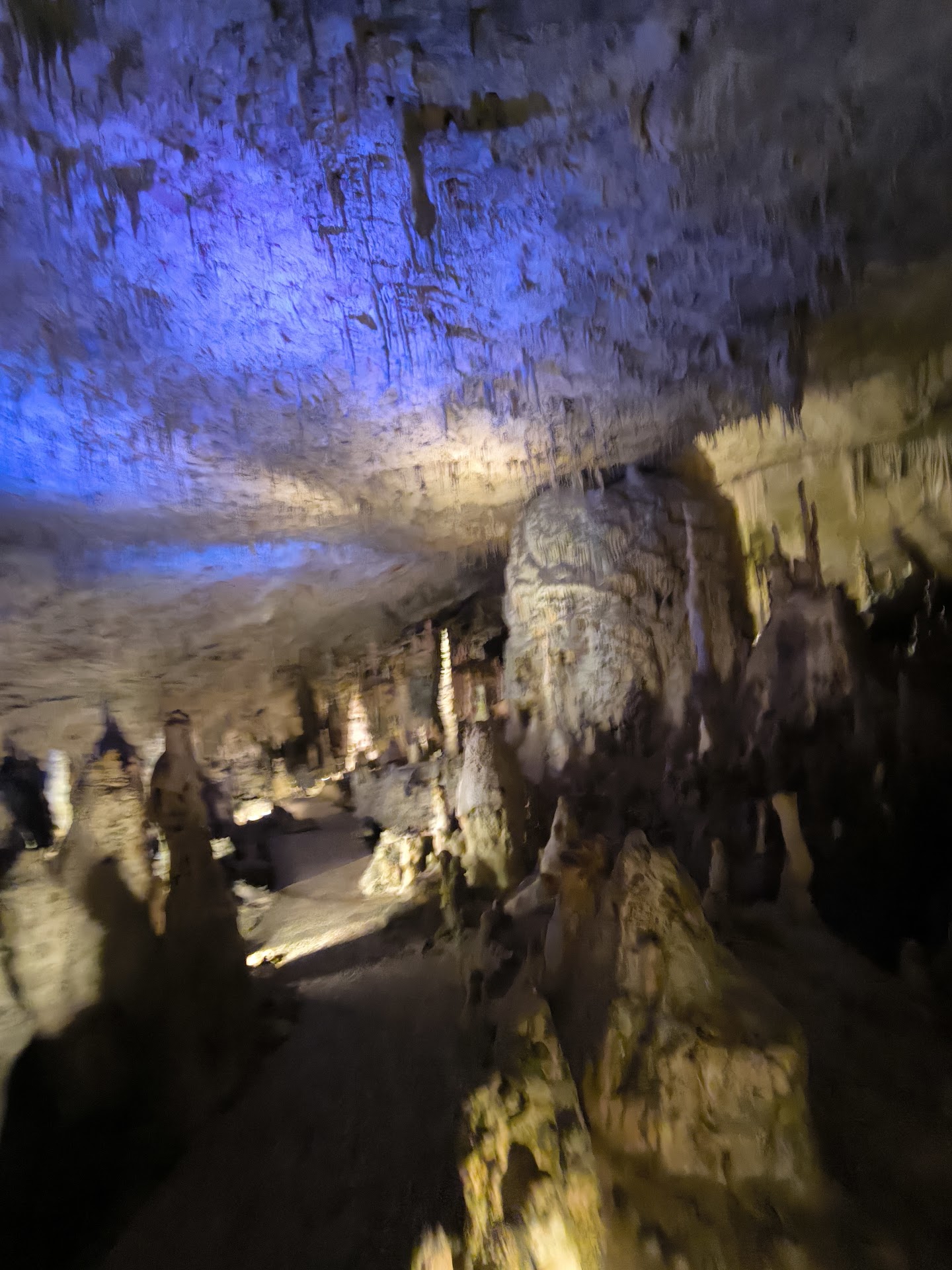
Once inside the cave, I was immediately struck by the otherworldly atmosphere. The temperature inside is consistently cool, and the lighting is dim but strategically placed to highlight the cave's features. Guided tours are available, which I highly recommend, as knowledgeable guides provide valuable insights into the cave’s history, geology, and the various formations within.
Stalagmites and Stalactites
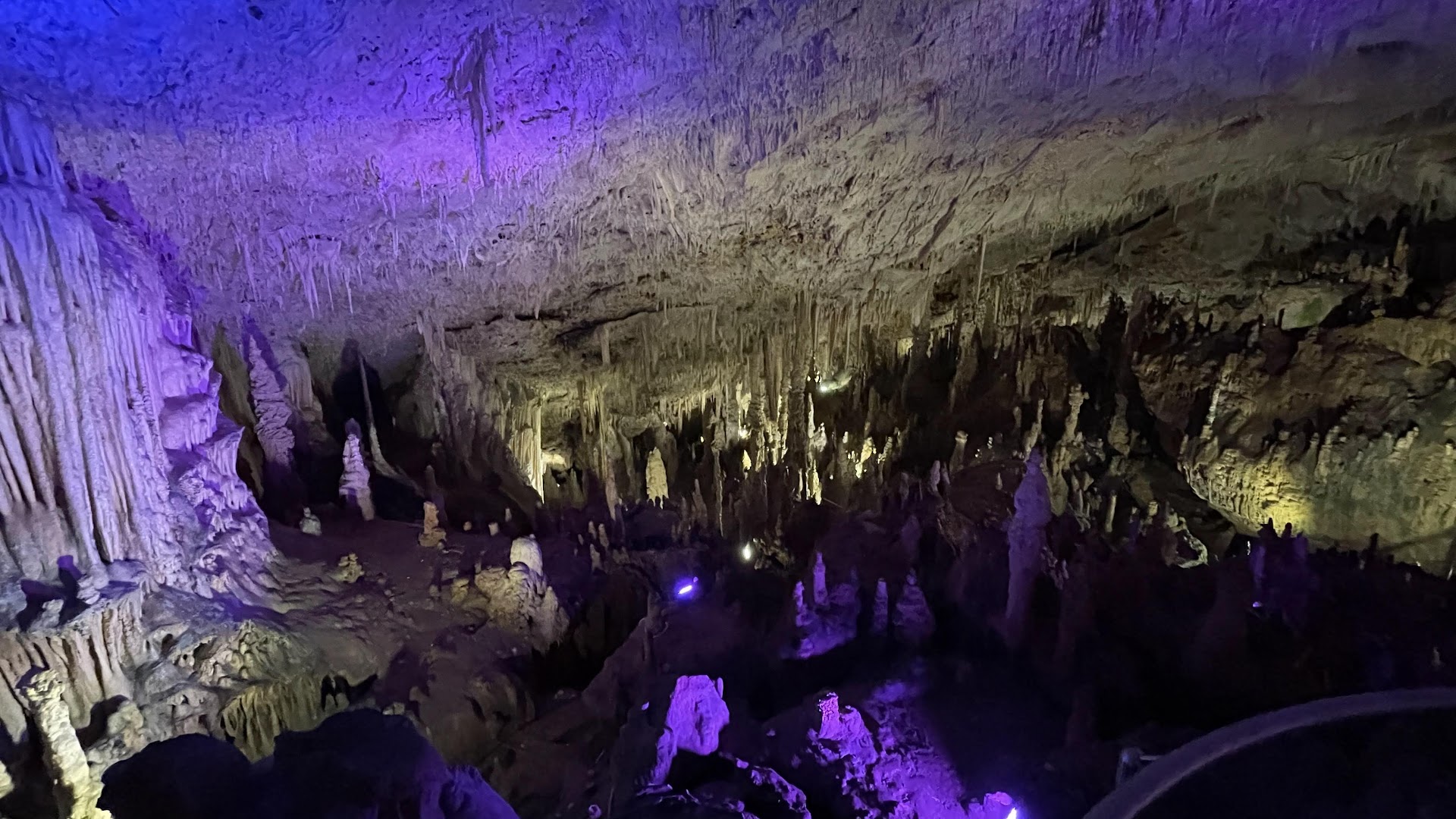
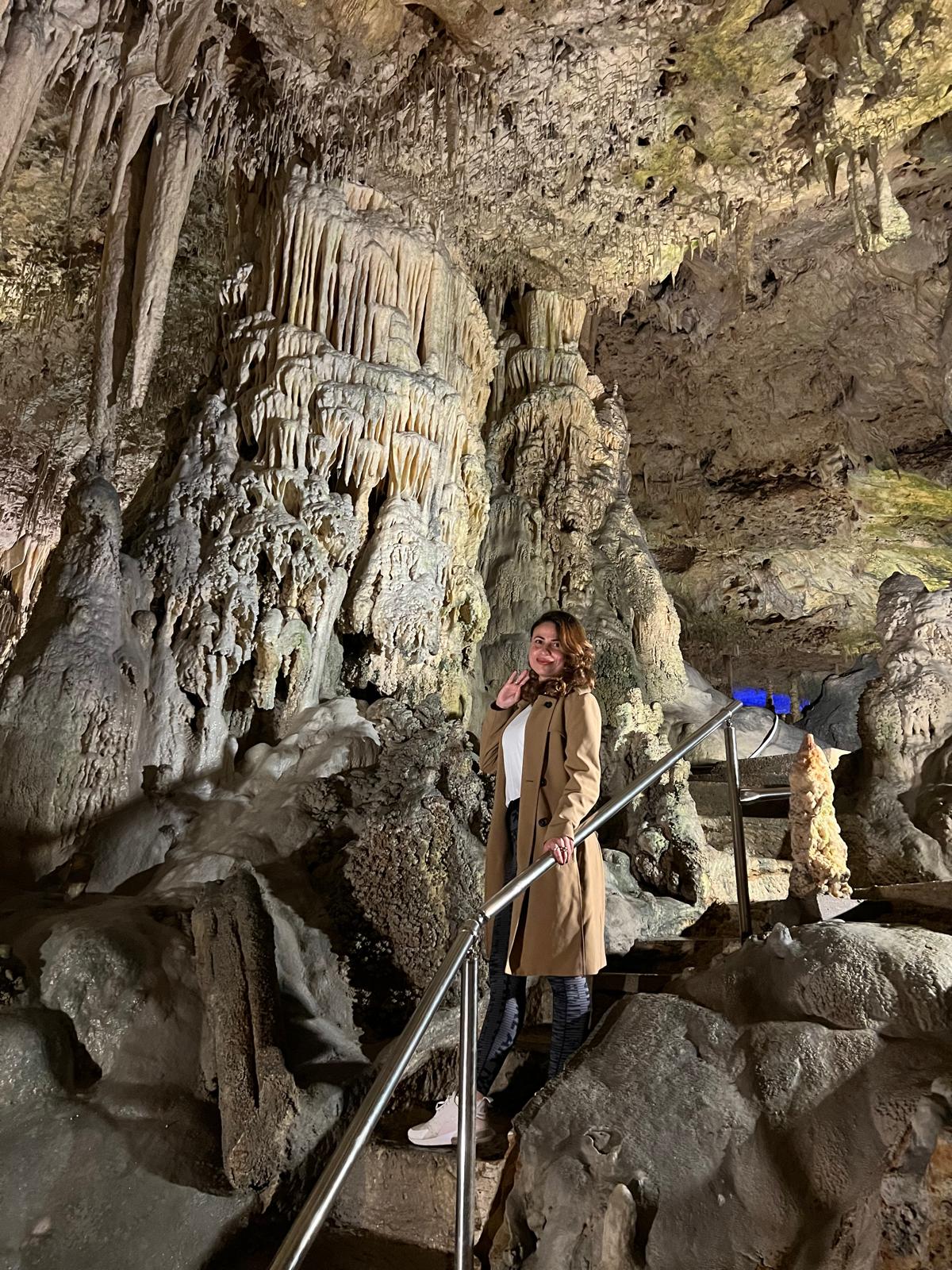
One of the most captivating aspects of Perama Cave is its stunning stalagmites and stalactites.
Stalactites are formations that hang from the ceiling of the cave. They form through the process of mineral deposition from dripping water that carries dissolved calcium carbonate. As the water drips from the ceiling, it leaves behind tiny deposits that accumulate over time, creating these elongated structures.
Stalagmites, on the other hand, rise from the cave floor. They are formed from the same process as stalactites but occur as the mineral-rich water drips onto the ground and deposits minerals in a cone-shaped form.
As I walked through the cave, I was mesmerized by the variety of shapes and sizes of these formations. Some were delicate and slender, while others were robust and imposing. The guides explained that the growth of stalagmites and stalactites is a slow process, often taking thousands of years to develop even a few centimeters.
Paleontological Significance
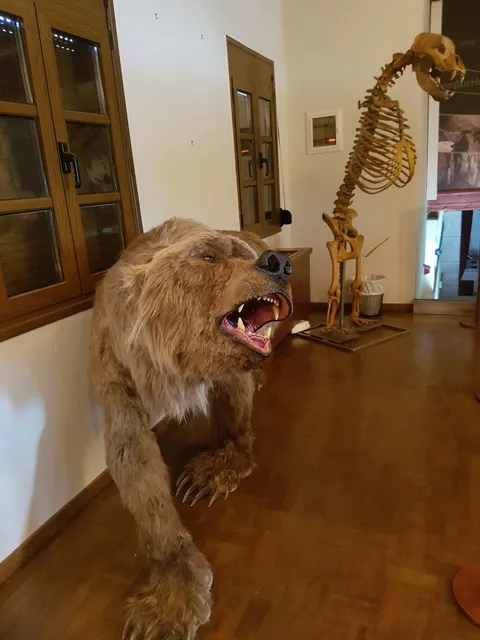
An exciting aspect of Perama Cave is its paleontological significance. Fossils of a cave bear have been discovered within the cave, offering invaluable insights into the region's prehistoric ecosystem. The cave bear, a species that existed during the Pleistocene epoch, provides evidence of the biodiversity that once thrived in this area. Learning about these fossils during the tour added another layer of intrigue to the hike, as I realized I was walking through a site of significant historical and scientific importance.
The Atmosphere and Aesthetics
The cave’s atmosphere is truly enchanting. The interplay of light and shadow on the formations creates a surreal visual experience. The occasional sound of dripping water enhances the sense of tranquility and connection to nature. The cave’s chambers are vast, each with its unique characteristics, adding to the overall allure of the hike.
Educational Aspects
Beyond the visual beauty, the hike provided an educational opportunity. Learning about the geology of the region and the formation of stalagmites and stalactites enriched my understanding of natural processes. The guides also shared insights into the cave's ecological significance, including its unique microclimate that supports various forms of life.
Conclusion
Hiking through Perama Cave was an unforgettable experience. The stunning stalagmites and stalactites, along with the cave's majestic chambers and significant paleontological findings, created...
Read more

 Learn more insights from Wanderboat AI.