HTML SitemapExplore
logo
Find Things to DoFind The Best Restaurants

Ancient Theater of Argos — Attraction in Municipality of Argos and Mykines

Name
Ancient Theater of Argos
Description
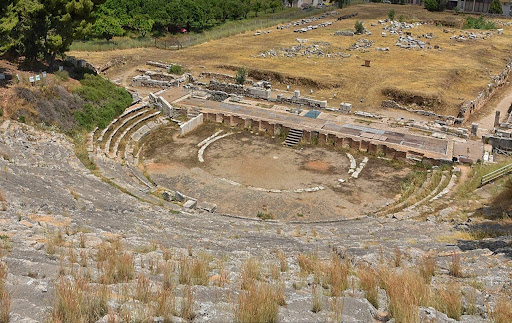
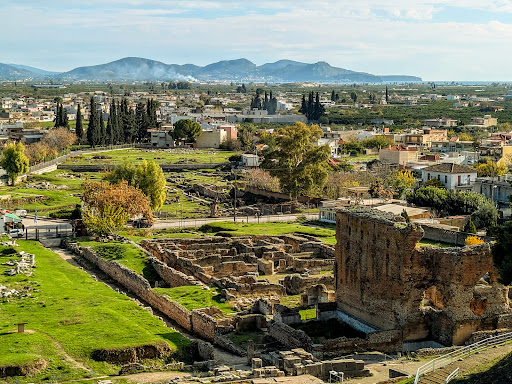
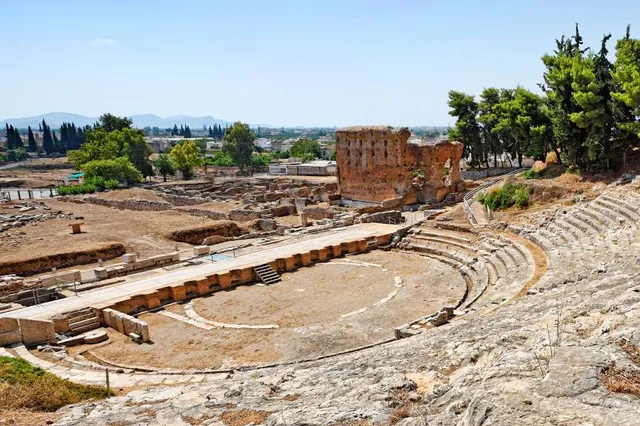
The Argos Theater was built in 320 BC. and is located in Argos, Greece against Larissa Hill. Nearby from this site is Agora, Roman Odeon, and the Baths of Argos. The theater is one of the largest architectural developments in Greece and was renovated in ca 120 AD.
Nearby attractions
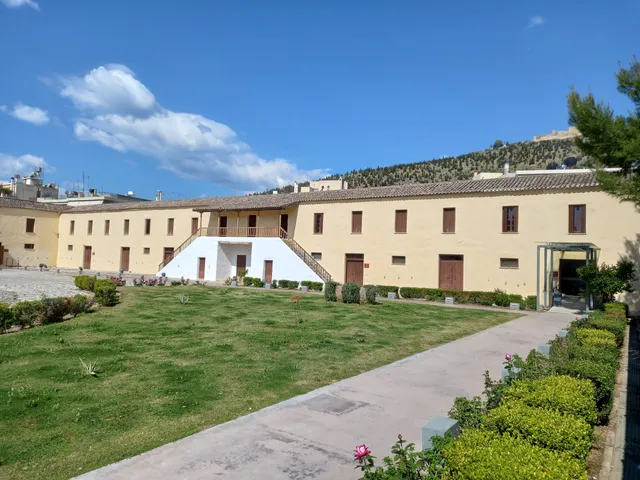
Byzantine Museum of Argolis - BYMA
Στρατώνες Καποδίστρια, Argos 212 00, Greece
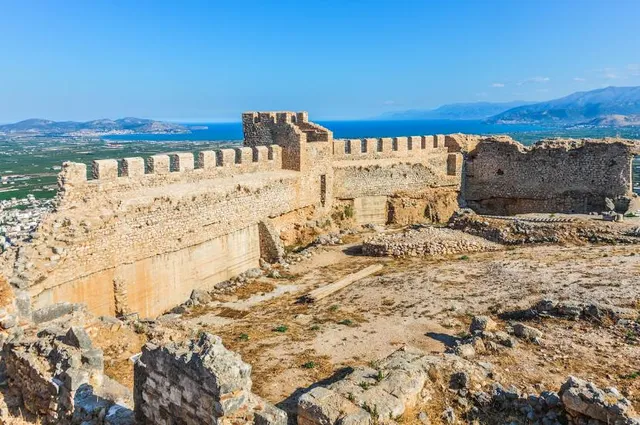
Castle of Argos (Larisa)
Κάστρο Λάρισας, Argos 212 00, Greece
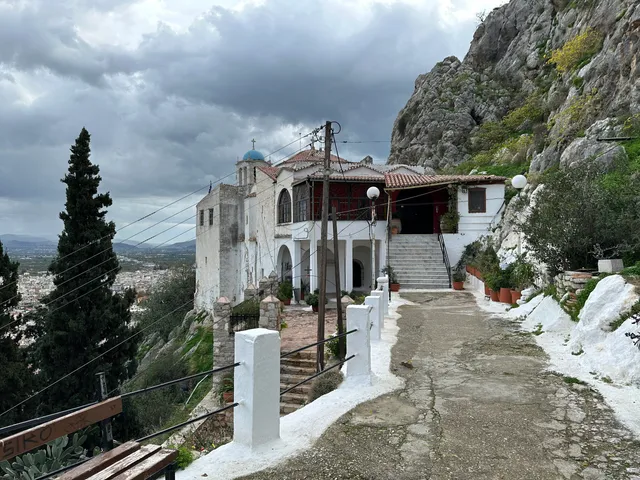
Virgin Mary Katakekrymeni - Portokalousa Holy Monastery
Ipsilantou, Argos Mykines 212 00, Greece
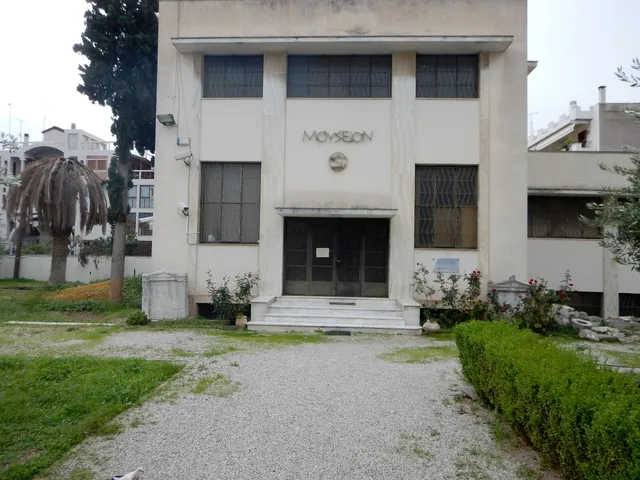
Archaeological Museum of Argos
Vasilissis Olgas 2, Argos 212 00, Greece
Nearby restaurants
ΜΟΥΡΤΟΥΚΑΛΗΣ - ΤΑ ΜΠΑΚΑΛΙΑΡΑΚΙΑ
Karaiskaki 30, Argos 212 00, Greece
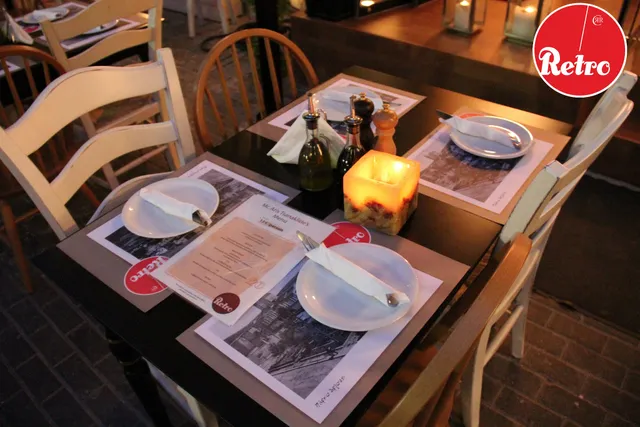
Retro Restaurant
Vasilissis Olgas 17, Argos 212 00, Greece
Ernesto
Tsokri 48, Argos 212 00, Greece
Σεϊντής - Το σουβλάκι της στοάς
Vasileos Georgiou V 8, Argos 212 00, Greece
Το Κομπολογάκι Μεζεδοπωλείο
P. Tsaldari, Argos 212 00, Greece
Aíglē
Vasileos Georgiou V 68, Argos 212 00, Greece
Mezedokipos
Geor. Thomopoulou, Argos 212 00, Greece
Acanto Restaurant - Wine Bar
Nikitara 3, Argos 212 32, Greece
Περι Ορεξεως...
Gounari 7, Argos 212 00, Greece
Kits.hen Grill
Kolokotroni, Argos 212 00, Greece
Nearby hotels
Morfeas
Danaou 2, Argos 212 32, Greece
Theoxenia Hotel
Tsokri 31, Argos 212 00, Greece
Hotel Mycenae
Μητροπολίτη Χρυσοστόμου Β 10, Argos 212 00, Greece
Urban Comfortable Apartment
Iakovou Manou 12, Argos 212 00, Greece
Related posts
Keywords
Ancient Theater of Argos tourism.Ancient Theater of Argos hotels.Ancient Theater of Argos bed and breakfast. flights to Ancient Theater of Argos.Ancient Theater of Argos attractions.Ancient Theater of Argos restaurants.Ancient Theater of Argos travel.Ancient Theater of Argos travel guide.Ancient Theater of Argos travel blog.Ancient Theater of Argos pictures.Ancient Theater of Argos photos.Ancient Theater of Argos travel tips.Ancient Theater of Argos maps.Ancient Theater of Argos things to do.
Ancient Theater of Argos things to do, attractions, restaurants, events info and trip planning
Ancient Theater of Argos
GreecePeloponnese, Western Greece and the IonianMunicipality of Argos and MykinesAncient Theater of Argos

Basic Info

Ancient Theater of Argos

Gounari 153, Argos 212 00, Greece
4.5(552)
Open 24 hours
Save
spot

Ratings & Description

Info

The Argos Theater was built in 320 BC. and is located in Argos, Greece against Larissa Hill. Nearby from this site is Agora, Roman Odeon, and the Baths of Argos. The theater is one of the largest architectural developments in Greece and was renovated in ca 120 AD.

Cultural
Outdoor
Scenic
Family friendly
attractions: Byzantine Museum of Argolis - BYMA, Castle of Argos (Larisa), Virgin Mary Katakekrymeni - Portokalousa Holy Monastery, Archaeological Museum of Argos, restaurants: ΜΟΥΡΤΟΥΚΑΛΗΣ - ΤΑ ΜΠΑΚΑΛΙΑΡΑΚΙΑ, Retro Restaurant, Ernesto, Σεϊντής - Το σουβλάκι της στοάς, Το Κομπολογάκι Μεζεδοπωλείο, Aíglē, Mezedokipos, Acanto Restaurant - Wine Bar, Περι Ορεξεως..., Kits.hen Grill
logoLearn more insights from Wanderboat AI.
Phone
+30 2751 068819
Website
ancienttheatrearchive.com

Plan your stay

hotel
Pet-friendly Hotels in Municipality of Argos and Mykines
Find a cozy hotel nearby and make it a full experience.

hotel
Affordable Hotels in Municipality of Argos and Mykines
Find a cozy hotel nearby and make it a full experience.

hotel
The Coolest Hotels You Haven't Heard Of (Yet)
Find a cozy hotel nearby and make it a full experience.

hotel
Trending Stays Worth the Hype in Municipality of Argos and Mykines
Find a cozy hotel nearby and make it a full experience.

Reviews

Nearby attractions of Ancient Theater of Argos

Byzantine Museum of Argolis - BYMA

Castle of Argos (Larisa)

Virgin Mary Katakekrymeni - Portokalousa Holy Monastery

Archaeological Museum of Argos

Byzantine Museum of Argolis - BYMA

Byzantine Museum of Argolis - BYMA

4.6

(219)

Closed
Click for details
Castle of Argos (Larisa)

Castle of Argos (Larisa)

4.5

(699)

Open until 12:00 AM
Click for details
Virgin Mary Katakekrymeni - Portokalousa Holy Monastery

Virgin Mary Katakekrymeni - Portokalousa Holy Monastery

4.8

(92)

Closed
Click for details
Archaeological Museum of Argos

Archaeological Museum of Argos

3.6

(49)

Open 24 hours
Click for details

Things to do nearby

Nafpilo Cooking Class
Sat, Dec 6 • 10:00 AM
211 00, Nafplion, Greece
View details
Ancient Mycenae Private Tour with Licensed Guide
Sat, Dec 6 • 7:30 AM
212 00, Mykines, Greece
View details
Nearby restaurants of Ancient Theater of Argos

ΜΟΥΡΤΟΥΚΑΛΗΣ - ΤΑ ΜΠΑΚΑΛΙΑΡΑΚΙΑ

Retro Restaurant

Ernesto

Σεϊντής - Το σουβλάκι της στοάς

Το Κομπολογάκι Μεζεδοπωλείο

Aíglē

Mezedokipos

Acanto Restaurant - Wine Bar

Περι Ορεξεως...

Kits.hen Grill

ΜΟΥΡΤΟΥΚΑΛΗΣ - ΤΑ ΜΠΑΚΑΛΙΑΡΑΚΙΑ

ΜΟΥΡΤΟΥΚΑΛΗΣ - ΤΑ ΜΠΑΚΑΛΙΑΡΑΚΙΑ

4.6

(43)

Click for details
Retro Restaurant

Retro Restaurant

4.5

(397)

Click for details
Ernesto

Ernesto

4.8

(189)

$$

Click for details
Σεϊντής - Το σουβλάκι της στοάς

Σεϊντής - Το σουβλάκι της στοάς

4.2

(180)

Click for details
Get the Appoverlay
Get the AppOne tap to find yournext favorite spots!
Wanderboat LogoWanderboat

Your everyday Al companion for getaway ideas

CompanyAbout Us
InformationAI Trip PlannerSitemap
SocialXInstagramTiktokLinkedin
LegalTerms of ServicePrivacy Policy

Get the app

© 2025 Wanderboat. All rights reserved.
logo

Reviews of Ancient Theater of Argos

4.5
(552)
avatar
5.0
5y

The ancient theater of Argos is one of the largest ancient theaters of Greece. The theater is situated on the west end of Argos, on the southeast slope of Larissa Hill. It was founded during the Hellenistic period (300-250 BC) and was remodeled (according to the roman models) during the Roman period (around 100-150 AD).

This remarkable theater that had a capacity of 20,000 spectators, remained visible for the next centuries, mentioned by almost all travelers and often presented in drawings.

It was re-used on the 15th of July 1829, during the 4th National Assembly of the Modern Greek state organized by I.Kapodistrias. The site was excavated during several periods, starting from 1890, and it underwent extensive renovation and restoration during 2004.

The site is opened to the public for free (pay attention that it is closed after 15:00), and from time to time it houses variety of cultural events.

Bottom line: An impressive historical site showcasing Greece's rich culture in the ancient time. However, unlike the magnificent Epidaurus Theater, despite the excavations and renovations, extensive work is still needed in order to host cultural shows and...

   Read more
avatar
5.0
51w

If you are into antiquities and ruins, this is a definite must. We stay in Nafphlio, and it is a very easy bus ride over to Argos, less than 15 or 20 minutes I believe. The cost was €2 per person which is very reasonable. The theater is quite interesting and there is also a market across the street and the two Euros gets you into both of these sites. Personally, I think it is worth the price and walking around in the ruins. Trying to imagine what it would have looked like and seemed like so long ago. The advanced plumbing having a tank for water exhibitions as well as the water features in the market and ducts to separate water in the market is fascinating. It was wonderful to just walk around Argos afterwards and stop at a nice taverna for food. It was a...

   Read more
avatar
3.0
33w

Quest'area archeologica fa tenerezza, "sfigata" com'è.

Nonostante dall'alto delle gradinate del teatro si veda chiaramente la presenza di vie ed edifici, svettanti in una prateria d'erba (in fiore, se andate come me in primavera) in pratica l'unica parte visitabile è il teatro stesso. L'accesso al resto è impedito da catenelle. Per questo ho dato solo tre stelle, mentre il teatro in sé ne meriterebbe quattro, per la sua imponenza.

Il teatro classico, imponente nella sua massa scavata nella roccia di una collina, è "sgarrupato" e corroso dal tempo, che ha scavato rivoli nella pietra per far scorrere l'acqua.

Ho provato ad arrampicarmi sulle scalinate, ma non è un'operazione che consiglierei di ripetere: lo si fa a proprio rischio e pericolo. Se da un lato è terribilmente Romantico sentirsi come i viaggiatori che nell'Ottocento si inerpicavano alla ricerca di rovine perdute, dall'altro le scalinate sono a tratti davvero consunte, e se si sale senza scarpe adatte (da montagna) si rischia di scivolare e farsi male. Suggerisco quindi di accontentarsi di salire non oltre la metà, perché la parte più devastata è quella in cima. Già a metà è del resto possibile ammirare l'emiciclo e le rovine della città.

Sulle quali torreggia un altissimo edificio termale romano, ormai ridotto alla sola struttura bucherellata in mattoni, ma comunque imponente.

Il teatro in sé è uno dei più importanti e imponenti della Grecia, quindi la visita non è affatto tempo sprecato, anche se chi avesse già visto il teatro di Epidauro farebbe meglio a non aspettarsi una struttura nelle stesse impeccabili condizioni di conservazione. Questa struttura ha infatti tutto il gusto Romantico della rovina consunta dal tempo, ma con ancora visibili i segni della sua antica bellezza e grandezza. Ma è comunque consunta dal tempo.

Per riempire la mezza giornata, dopo il teatro si può visitare il museo bizantino, di recentissima riapertura, ed anche, se si ha una macchina, si può salire fino alla fortezza micenea-greco-romana-bizantina-veneziana-ottomana, in piedi da più di 2500 anni (in un tratto si vedono ancora le "mura ciclopiche" d'epoca arcaica, riciclate in tutte le costruzioni successive). Bello il panorama; il castello in sé è in rovina, ma resta...

   Read more
Page 1 of 7
Previous
Next

Posts

Y.H.Y.H.
The ancient theater of Argos is one of the largest ancient theaters of Greece. The theater is situated on the west end of Argos, on the southeast slope of Larissa Hill. It was founded during the Hellenistic period (300-250 BC) and was remodeled (according to the roman models) during the Roman period (around 100-150 AD). This remarkable theater that had a capacity of 20,000 spectators, remained visible for the next centuries, mentioned by almost all travelers and often presented in drawings. It was re-used on the 15th of July 1829, during the 4th National Assembly of the Modern Greek state organized by I.Kapodistrias. The site was excavated during several periods, starting from 1890, and it underwent extensive renovation and restoration during 2004. The site is opened to the public for free (pay attention that it is closed after 15:00), and from time to time it houses variety of cultural events. Bottom line: An impressive historical site showcasing Greece's rich culture in the ancient time. However, unlike the magnificent Epidaurus Theater, despite the excavations and renovations, extensive work is still needed in order to host cultural shows and restore its glory.
Phae DrusPhae Drus
If you are into antiquities and ruins, this is a definite must. We stay in Nafphlio, and it is a very easy bus ride over to Argos, less than 15 or 20 minutes I believe. The cost was €2 per person which is very reasonable. The theater is quite interesting and there is also a market across the street and the two Euros gets you into both of these sites. Personally, I think it is worth the price and walking around in the ruins. Trying to imagine what it would have looked like and seemed like so long ago. The advanced plumbing having a tank for water exhibitions as well as the water features in the market and ducts to separate water in the market is fascinating. It was wonderful to just walk around Argos afterwards and stop at a nice taverna for food. It was a day well spent.
consulenze editorialiconsulenze editoriali
Quest'area archeologica fa tenerezza, "sfigata" com'è. Nonostante dall'alto delle gradinate del teatro si veda chiaramente la presenza di vie ed edifici, svettanti in una prateria d'erba (in fiore, se andate come me in primavera) in pratica l'unica parte visitabile è il teatro stesso. L'accesso al resto è impedito da catenelle. Per questo ho dato solo tre stelle, mentre il teatro in sé ne meriterebbe quattro, per la sua imponenza. Il teatro classico, imponente nella sua massa scavata nella roccia di una collina, è "sgarrupato" e corroso dal tempo, che ha scavato rivoli nella pietra per far scorrere l'acqua. Ho provato ad arrampicarmi sulle scalinate, ma non è un'operazione che consiglierei di ripetere: lo si fa a proprio rischio e pericolo. Se da un lato è terribilmente Romantico sentirsi come i viaggiatori che nell'Ottocento si inerpicavano alla ricerca di rovine perdute, dall'altro le scalinate sono a tratti davvero consunte, e se si sale senza scarpe adatte (da montagna) si rischia di scivolare e *farsi male*. Suggerisco quindi di accontentarsi di salire non oltre la metà, perché la parte più devastata è quella in cima. Già a metà è del resto possibile ammirare l'emiciclo e le rovine della città. Sulle quali torreggia un altissimo edificio termale romano, ormai ridotto alla sola struttura bucherellata in mattoni, ma comunque imponente. Il teatro in sé è uno dei più importanti e imponenti della Grecia, quindi la visita non è affatto tempo sprecato, anche se chi avesse già visto il teatro di Epidauro farebbe meglio a non aspettarsi una struttura nelle stesse impeccabili condizioni di conservazione. Questa struttura ha infatti tutto il gusto Romantico della rovina consunta dal tempo, ma con ancora visibili i segni della sua antica bellezza e grandezza. Ma è comunque consunta dal tempo. Per riempire la mezza giornata, dopo il teatro si può visitare il museo bizantino, di recentissima riapertura, ed anche, se si ha una macchina, si può salire fino alla fortezza micenea-greco-romana-bizantina-veneziana-ottomana, in piedi da più di 2500 anni (in un tratto si vedono ancora le "mura ciclopiche" d'epoca arcaica, riciclate in tutte le costruzioni successive). Bello il panorama; il castello in sé è in rovina, ma resta tuttora imponente.
See more posts
See more posts
hotel
Find your stay

Pet-friendly Hotels in Municipality of Argos and Mykines

Find a cozy hotel nearby and make it a full experience.

The ancient theater of Argos is one of the largest ancient theaters of Greece. The theater is situated on the west end of Argos, on the southeast slope of Larissa Hill. It was founded during the Hellenistic period (300-250 BC) and was remodeled (according to the roman models) during the Roman period (around 100-150 AD). This remarkable theater that had a capacity of 20,000 spectators, remained visible for the next centuries, mentioned by almost all travelers and often presented in drawings. It was re-used on the 15th of July 1829, during the 4th National Assembly of the Modern Greek state organized by I.Kapodistrias. The site was excavated during several periods, starting from 1890, and it underwent extensive renovation and restoration during 2004. The site is opened to the public for free (pay attention that it is closed after 15:00), and from time to time it houses variety of cultural events. Bottom line: An impressive historical site showcasing Greece's rich culture in the ancient time. However, unlike the magnificent Epidaurus Theater, despite the excavations and renovations, extensive work is still needed in order to host cultural shows and restore its glory.
Y.H.

Y.H.

hotel
Find your stay

Affordable Hotels in Municipality of Argos and Mykines

Find a cozy hotel nearby and make it a full experience.

Get the Appoverlay
Get the AppOne tap to find yournext favorite spots!
If you are into antiquities and ruins, this is a definite must. We stay in Nafphlio, and it is a very easy bus ride over to Argos, less than 15 or 20 minutes I believe. The cost was €2 per person which is very reasonable. The theater is quite interesting and there is also a market across the street and the two Euros gets you into both of these sites. Personally, I think it is worth the price and walking around in the ruins. Trying to imagine what it would have looked like and seemed like so long ago. The advanced plumbing having a tank for water exhibitions as well as the water features in the market and ducts to separate water in the market is fascinating. It was wonderful to just walk around Argos afterwards and stop at a nice taverna for food. It was a day well spent.
Phae Drus

Phae Drus

hotel
Find your stay

The Coolest Hotels You Haven't Heard Of (Yet)

Find a cozy hotel nearby and make it a full experience.

hotel
Find your stay

Trending Stays Worth the Hype in Municipality of Argos and Mykines

Find a cozy hotel nearby and make it a full experience.

Quest'area archeologica fa tenerezza, "sfigata" com'è. Nonostante dall'alto delle gradinate del teatro si veda chiaramente la presenza di vie ed edifici, svettanti in una prateria d'erba (in fiore, se andate come me in primavera) in pratica l'unica parte visitabile è il teatro stesso. L'accesso al resto è impedito da catenelle. Per questo ho dato solo tre stelle, mentre il teatro in sé ne meriterebbe quattro, per la sua imponenza. Il teatro classico, imponente nella sua massa scavata nella roccia di una collina, è "sgarrupato" e corroso dal tempo, che ha scavato rivoli nella pietra per far scorrere l'acqua. Ho provato ad arrampicarmi sulle scalinate, ma non è un'operazione che consiglierei di ripetere: lo si fa a proprio rischio e pericolo. Se da un lato è terribilmente Romantico sentirsi come i viaggiatori che nell'Ottocento si inerpicavano alla ricerca di rovine perdute, dall'altro le scalinate sono a tratti davvero consunte, e se si sale senza scarpe adatte (da montagna) si rischia di scivolare e *farsi male*. Suggerisco quindi di accontentarsi di salire non oltre la metà, perché la parte più devastata è quella in cima. Già a metà è del resto possibile ammirare l'emiciclo e le rovine della città. Sulle quali torreggia un altissimo edificio termale romano, ormai ridotto alla sola struttura bucherellata in mattoni, ma comunque imponente. Il teatro in sé è uno dei più importanti e imponenti della Grecia, quindi la visita non è affatto tempo sprecato, anche se chi avesse già visto il teatro di Epidauro farebbe meglio a non aspettarsi una struttura nelle stesse impeccabili condizioni di conservazione. Questa struttura ha infatti tutto il gusto Romantico della rovina consunta dal tempo, ma con ancora visibili i segni della sua antica bellezza e grandezza. Ma è comunque consunta dal tempo. Per riempire la mezza giornata, dopo il teatro si può visitare il museo bizantino, di recentissima riapertura, ed anche, se si ha una macchina, si può salire fino alla fortezza micenea-greco-romana-bizantina-veneziana-ottomana, in piedi da più di 2500 anni (in un tratto si vedono ancora le "mura ciclopiche" d'epoca arcaica, riciclate in tutte le costruzioni successive). Bello il panorama; il castello in sé è in rovina, ma resta tuttora imponente.
consulenze editoriali

consulenze editoriali

See more posts
See more posts