Vaulted Tomb of Aegisthus things to do, attractions, restaurants, events info and trip planning
GreecePeloponnese, Western Greece and the IonianMunicipality of Argos and MykinesVaulted Tomb of Aegisthus
Basic Info
Vaulted Tomb of Aegisthus
Μυκηνες, Mykines 212 00, Greece
4.7(42)
Closed
Save
spot
spot
Ratings & Description
Info
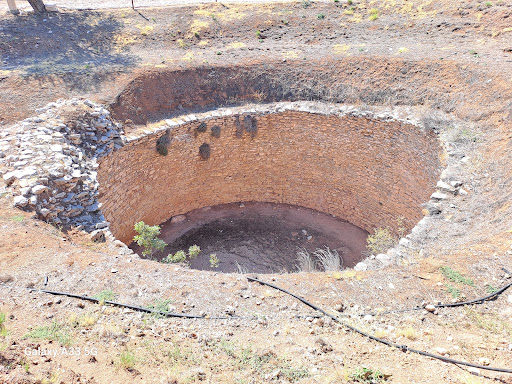
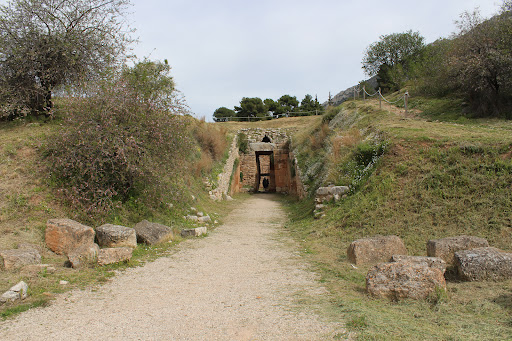
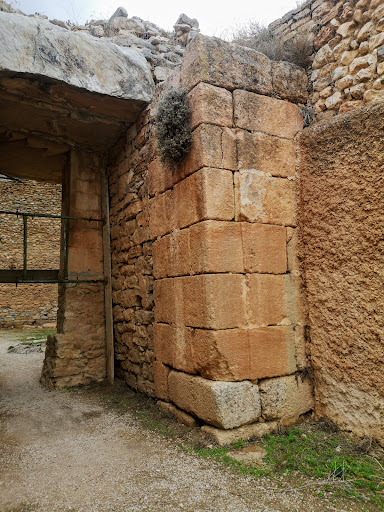
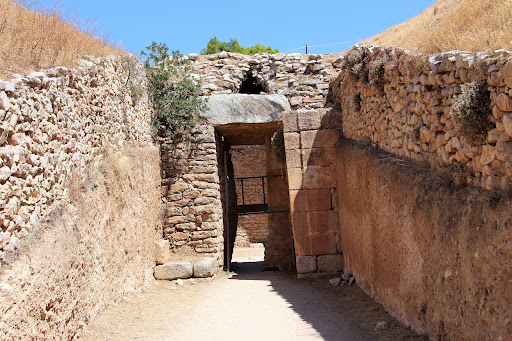
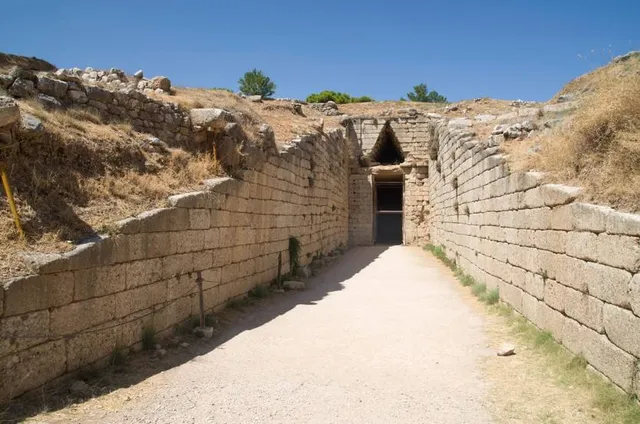
The Tomb of Aegisthus is a Mycenaean tholos tomb located near the citadel of Mycenae, Greece. It was constructed in the Late Helladic IIA period, approximately 1510–1450 BCE, and rediscovered in the 19th century. It was first excavated by Winifred Lamb in 1922, as part of a project led by Alan Wace.
Cultural
Scenic
Family friendly
Off the beaten path
attractions: Archaeological site of Mycenae, Archeological Museum of Mycenae, Lion Gate of Mycenae, Grave Circle A, Palace of Mycenae, "Treasury of Atreus" or "Tomb of Agamemnon", Subterranean Cistern of Mycenae, restaurants: , local businesses:
 Learn more insights from Wanderboat AI.
Website
odysseus.culture.gr
Open hoursSee all hours
Wed8 AM - 3:30 PMClosed
Plan your stay

Pet-friendly Hotels in Municipality of Argos and Mykines
Find a cozy hotel nearby and make it a full experience.

Affordable Hotels in Municipality of Argos and Mykines
Find a cozy hotel nearby and make it a full experience.

The Coolest Hotels You Haven't Heard Of (Yet)
Find a cozy hotel nearby and make it a full experience.

Trending Stays Worth the Hype in Municipality of Argos and Mykines
Find a cozy hotel nearby and make it a full experience.
Reviews
Live events

Nafpilo Cooking Class
Wed, Feb 18 • 10:00 AM
211 00, Nafplion, Greece
View details
Ancient Corinth Private Tour with Licensed Guide
Wed, Feb 18 • 7:30 AM
200 07, Archaia Korinthos, Greece
View details
Nafplio private walking tour with a licensed guide
Wed, Feb 18 • 8:30 AM
2100, Nafplion, Greece
View details
Nearby attractions of Vaulted Tomb of Aegisthus
Archaeological site of Mycenae
Archeological Museum of Mycenae
Lion Gate of Mycenae
Grave Circle A
Palace of Mycenae
"Treasury of Atreus" or "Tomb of Agamemnon"
Subterranean Cistern of Mycenae
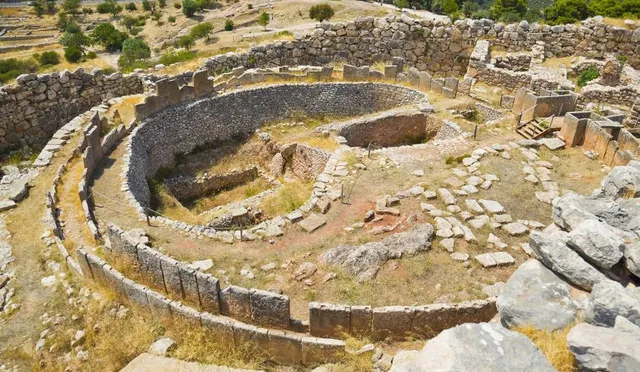
Archaeological site of Mycenae
4.7
(7.7K)
Closed
Click for details
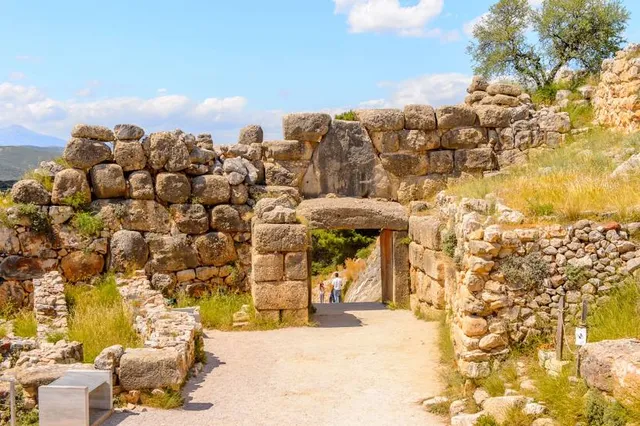
Archeological Museum of Mycenae
4.7
(621)
Closed
Click for details
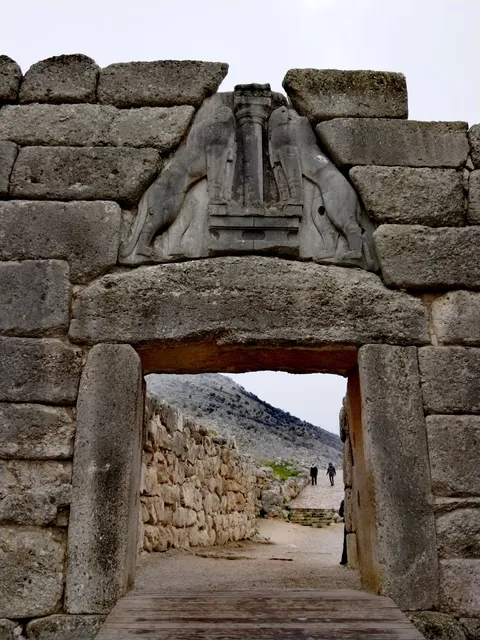
Lion Gate of Mycenae
4.8
(158)
Closed
Click for details
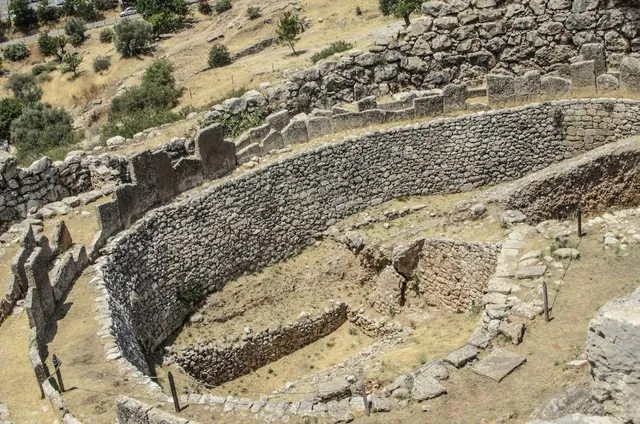
Grave Circle A
4.6
(68)
Closed
Click for details