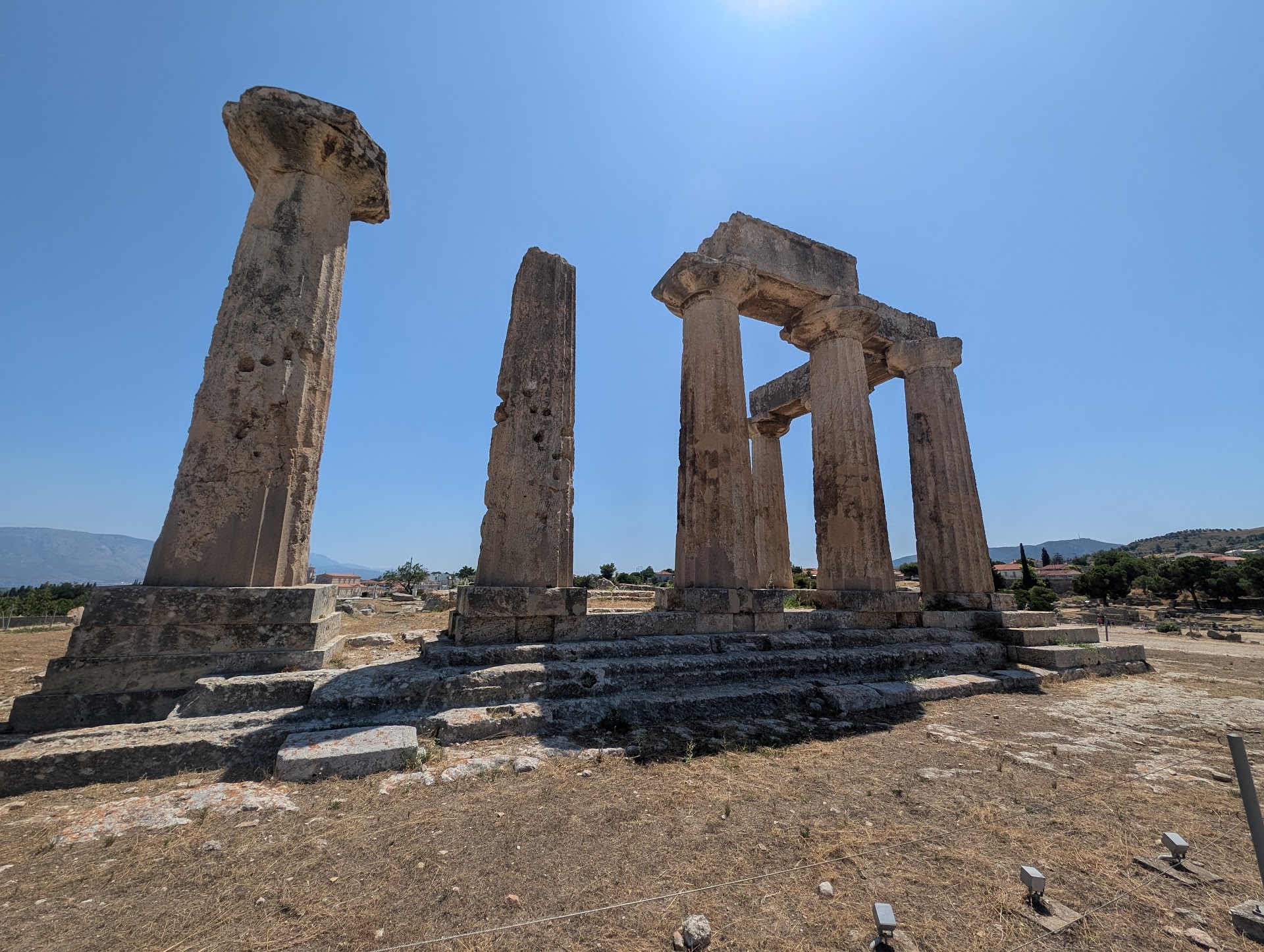
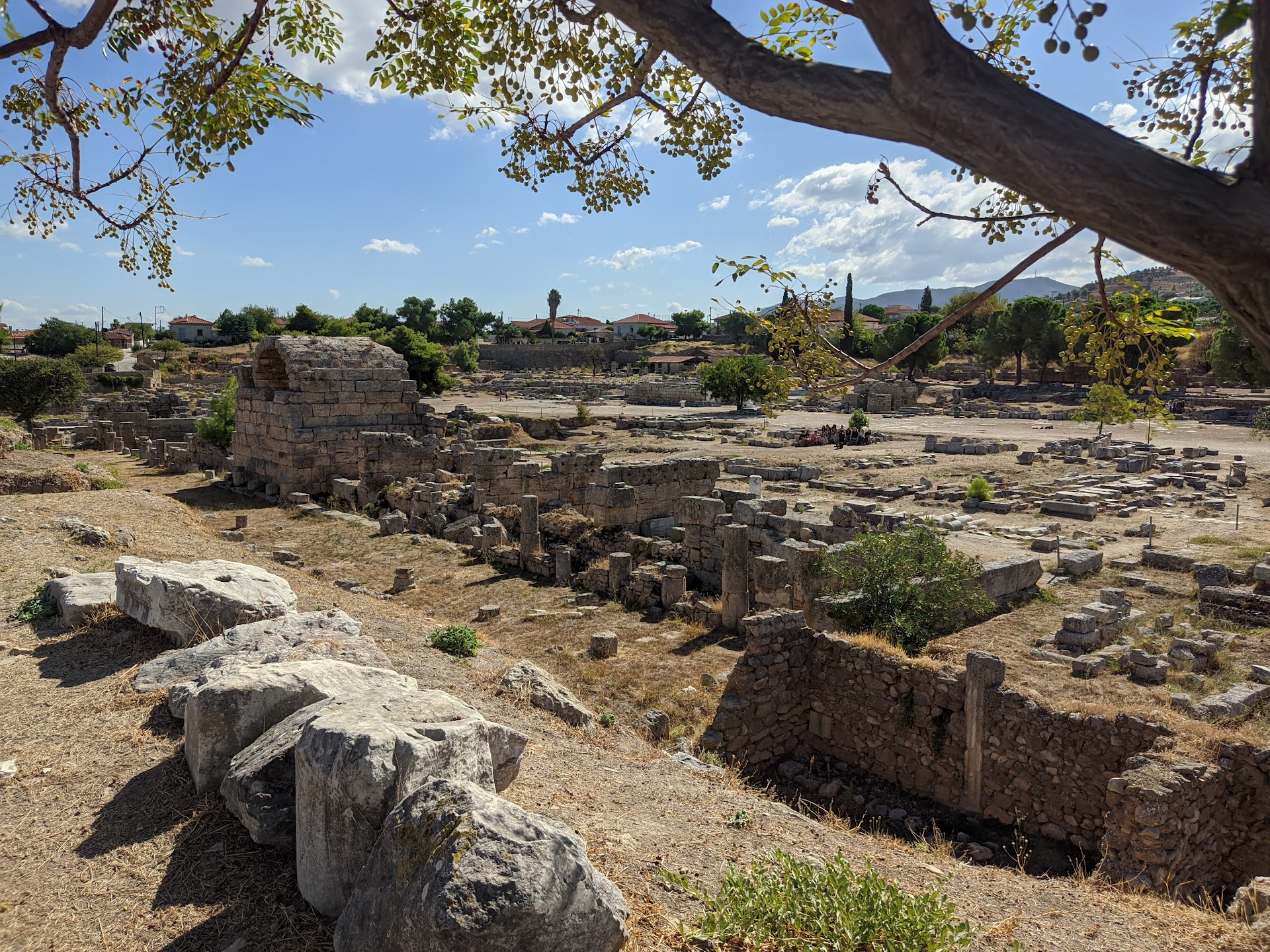
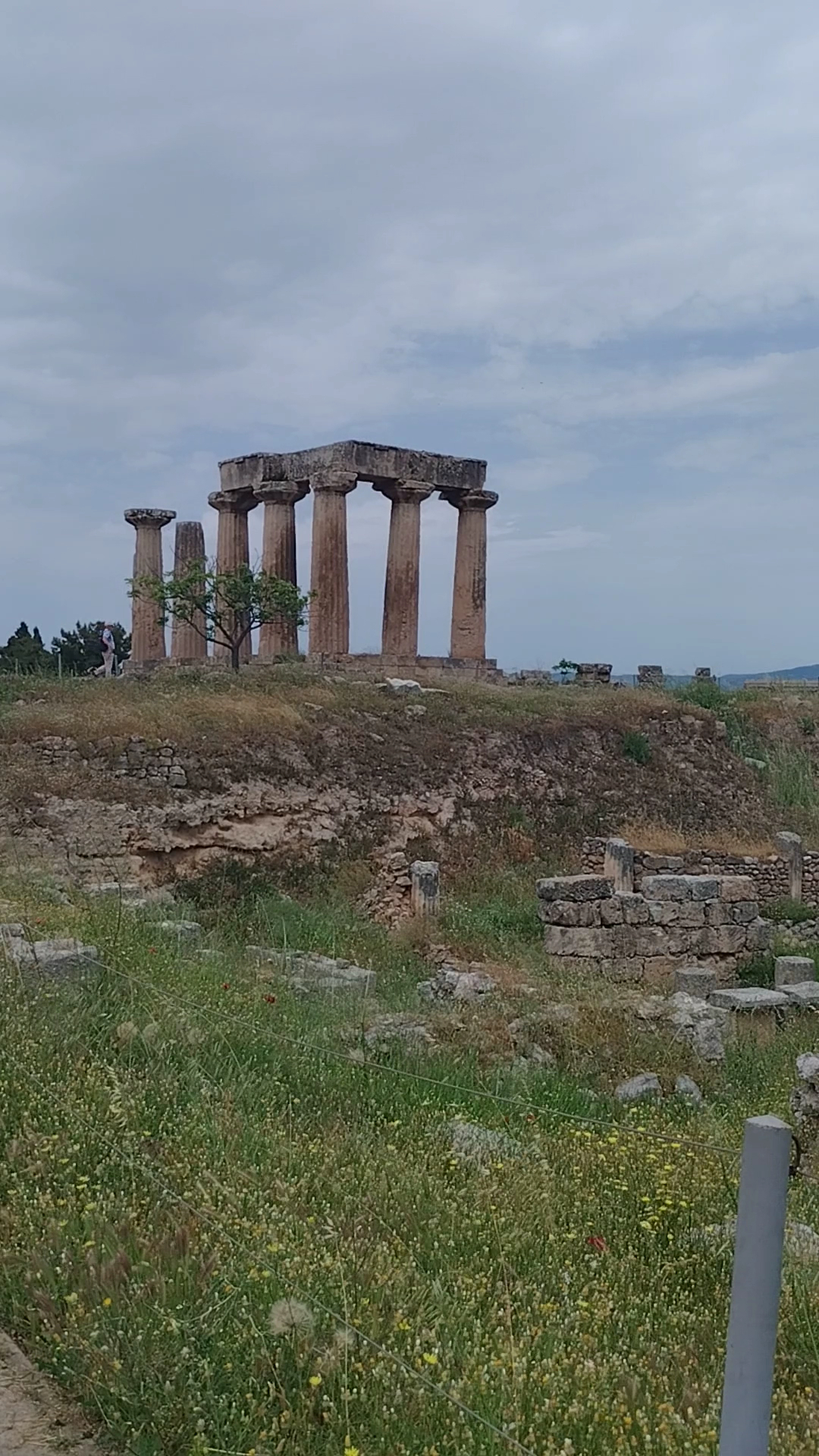
Temple of Apollo things to do, attractions, restaurants, events info and trip planning
Basic Info
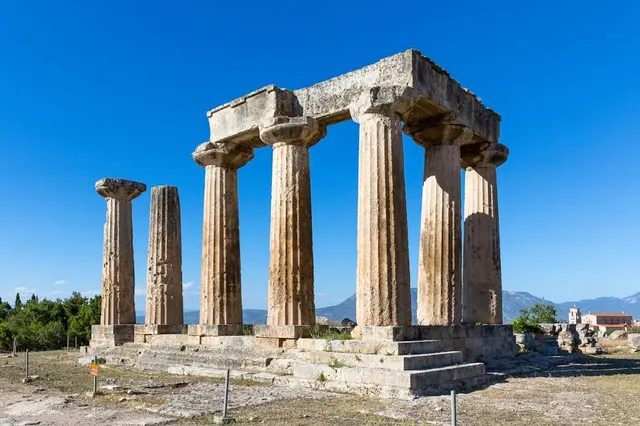
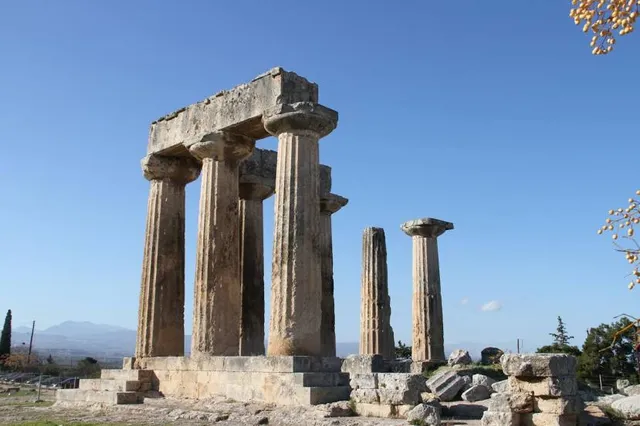
Temple of Apollo
Argous 105, Archea Korinthos 200 07, Greece
4.8(1.8K)
Closed


tickets
Save
spot
spot
Ratings & Description
Info
The Temple of Apollo, also known as Apollonion, was a major part of the Panhellenic religious sanctuary located in Central Greece at Delphi. The temple and sanctuary at large were dedicated to one of the major Greek deities, Apollo, the god of archery, music, light, prophecy, the arts, and healing.
Cultural
Outdoor
Family friendly
attractions: Ancient Corinth, Archaeological Museum of Ancient Corinth, Peirene Fountain, Lechaion Road, restaurants: Marinos Restaurant "Authentic Greek Cuisine", Mataroa Pizzeria Italiana, Aigli Ancient Corinth, Taverna Gemelos, Glacé Gelato Αρχαία Κόρινθος, local businesses:
 Learn more insights from Wanderboat AI.
Phone
+30 2741 031204
Open hoursSee all hours
Wed8 AM - 8 PMClosed
Plan your stay

Pet-friendly Hotels in Municipality of Corinth
Find a cozy hotel nearby and make it a full experience.

Affordable Hotels in Municipality of Corinth
Find a cozy hotel nearby and make it a full experience.

The Coolest Hotels You Haven't Heard Of (Yet)
Find a cozy hotel nearby and make it a full experience.

Trending Stays Worth the Hype in Municipality of Corinth
Find a cozy hotel nearby and make it a full experience.
Reviews
Live events
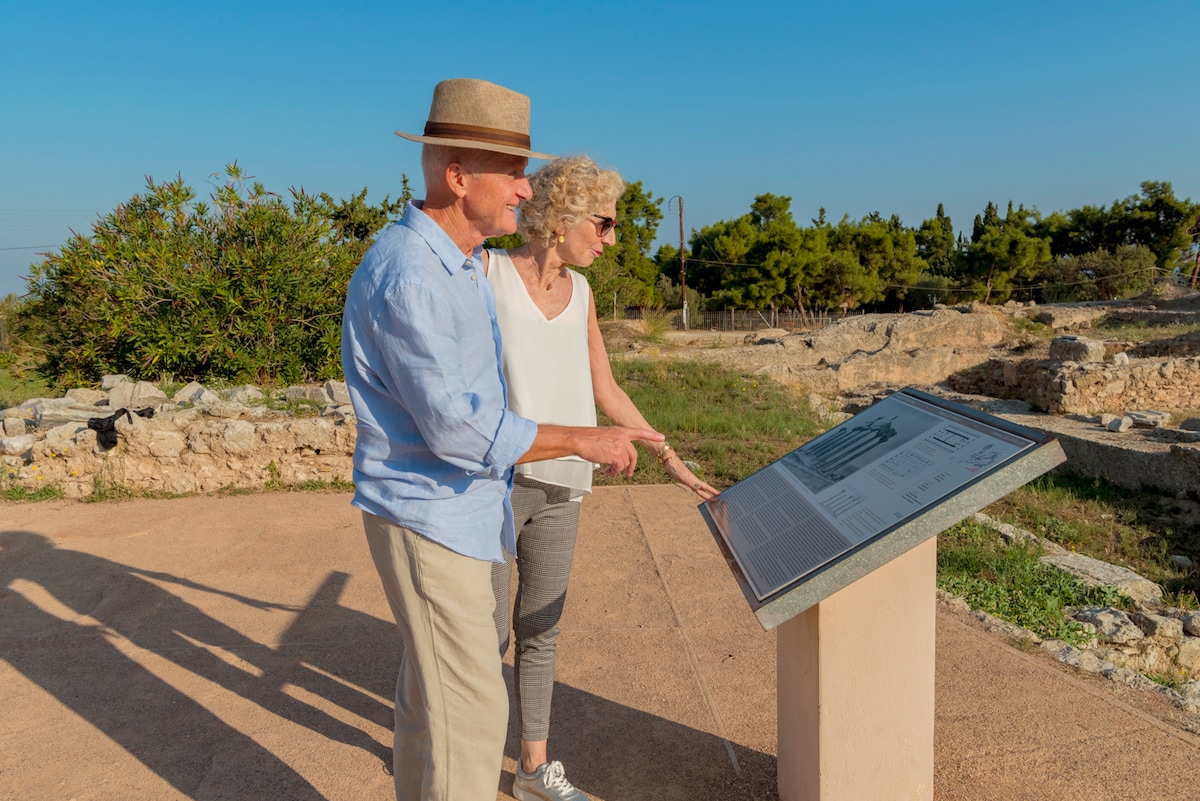
Ancient Corinth Private Tour with Licensed Guide
Wed, Feb 18 • 7:30 AM
200 07, Archaia Korinthos, Greece
View details
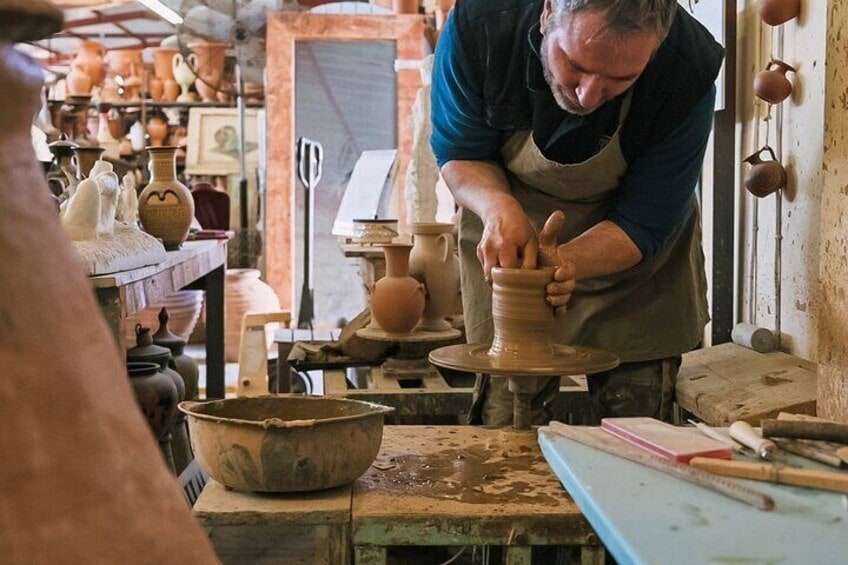
Ceramics Workshop & Local Food Tasting by Silo Art
Wed, Feb 18 • 9:00 AM
212 00, Argolis, Greece
View details
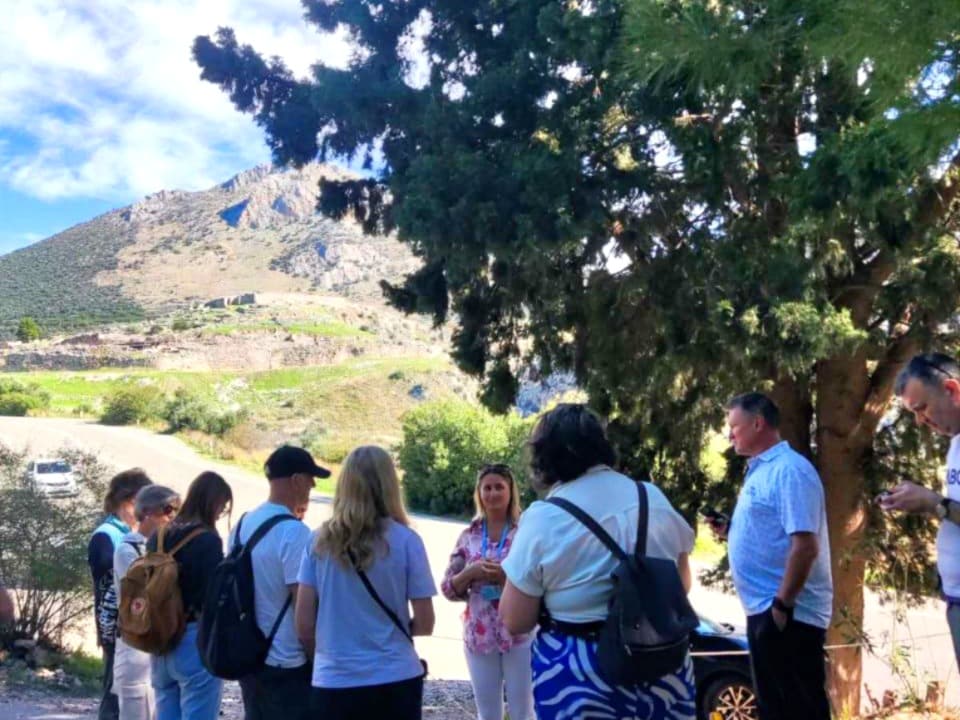
Ancient Mycenae Private Tour with Licensed Guide
Wed, Feb 18 • 7:30 AM
212 00, Mykines, Greece
View details
Nearby attractions of Temple of Apollo
Ancient Corinth
Archaeological Museum of Ancient Corinth
Peirene Fountain
Lechaion Road
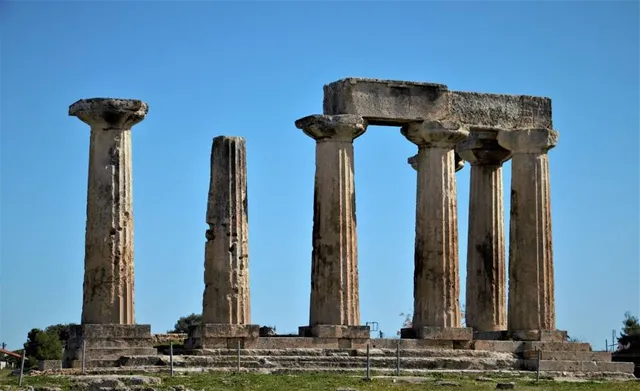
Ancient Corinth
4.7
(3.7K)
Open until 12:00 AM
Click for details
Archaeological Museum of Ancient Corinth
4.7
(1.4K)
Open until 12:00 AM
Click for details
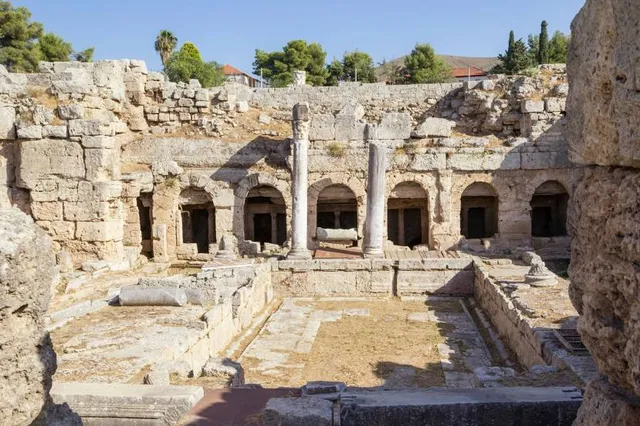
Peirene Fountain
4.7
(26)
Open 24 hours
Click for details
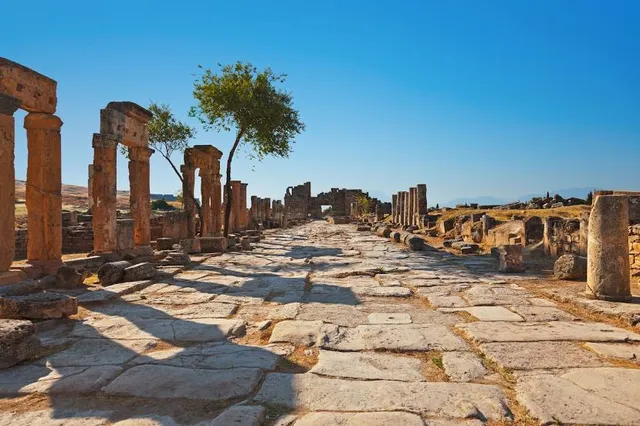
Lechaion Road
4.6
(15)
Open 24 hours
Click for details
Nearby restaurants of Temple of Apollo
Marinos Restaurant "Authentic Greek Cuisine"
Mataroa Pizzeria Italiana
Aigli Ancient Corinth
Taverna Gemelos
Glacé Gelato Αρχαία Κόρινθος
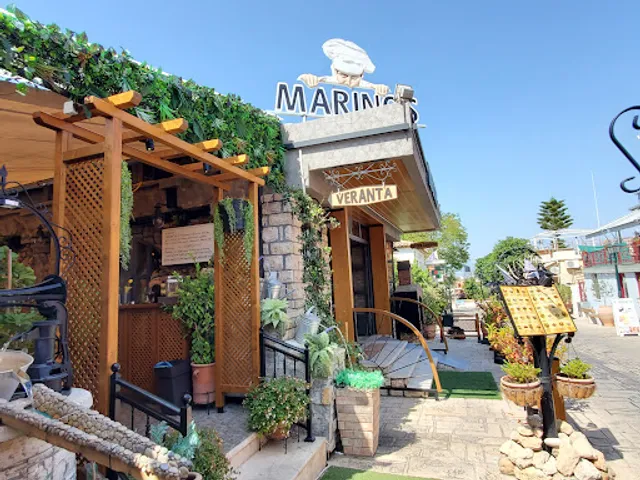
Marinos Restaurant "Authentic Greek Cuisine"
4.7
(632)
Click for details
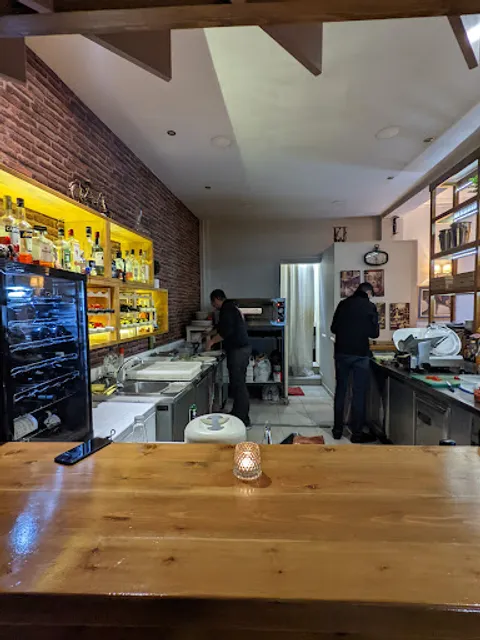
Mataroa Pizzeria Italiana
4.8
(326)
Open until 12:00 AM
Click for details
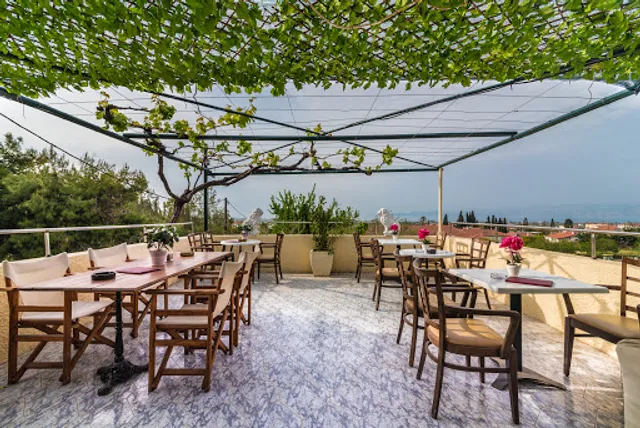
Aigli Ancient Corinth
4.7
(233)
Closed
Click for details
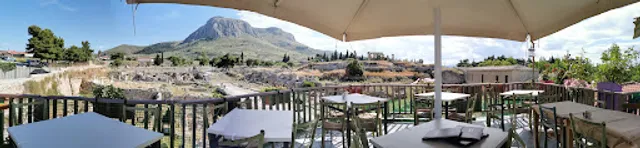
Taverna Gemelos
4.3
(178)
Closed
Click for details