HTML SitemapExplore
logo
Find Things to DoFind The Best Restaurants

Stadium at the Asclepieion of Epidaurus — Attraction in Municipality of Epidaurus

Name
Stadium at the Asclepieion of Epidaurus
Description
Nearby attractions
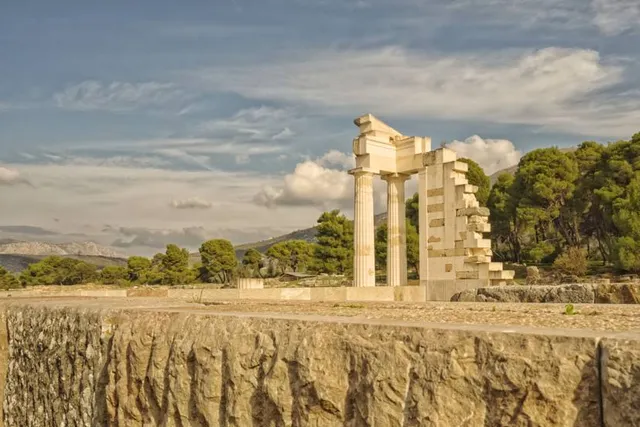
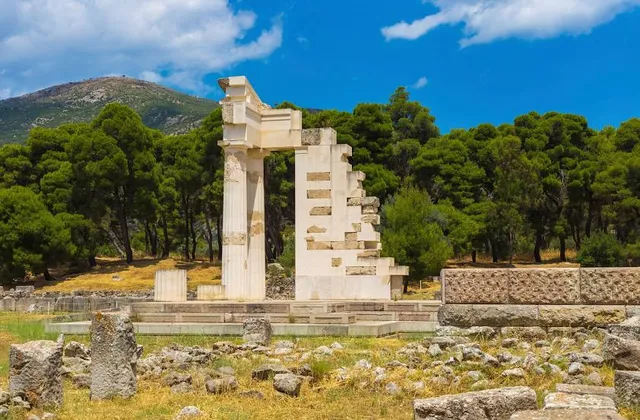
Temple of Asclepius at Epidaurus
Epidavros Municipality 210 52, Greece
Archaeological Site of the Sanctuary of Asclepius at Epidaurus
Επίδαυρος 210 52, Greece
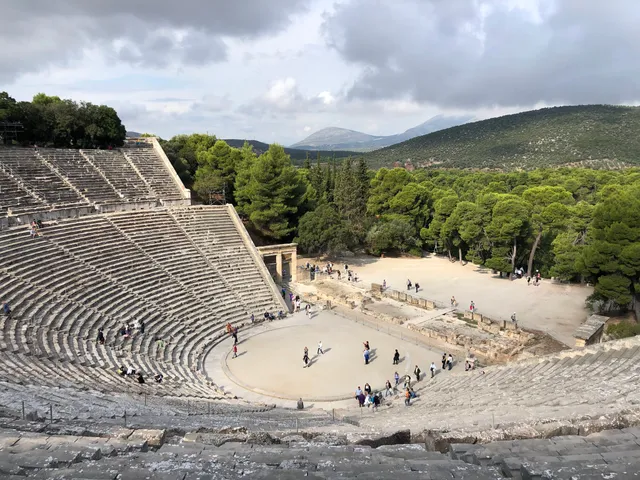
Ancient Theatre at the Asclepieion of Epidaurus
Επίδαυρος 210 52, Greece
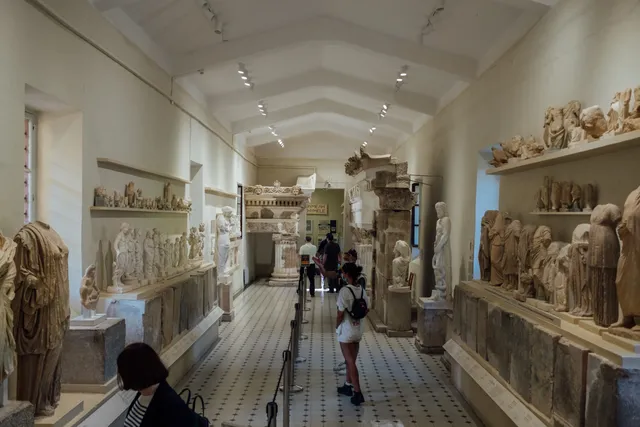
Archaeological Museum of the Asclepieion of Epidaurus
Επίδαυρος, 210 52, Greece
Katagogion at the Asclepieion of Epidaurus
Epidavros Municipality 210 52, Greece
Nearby restaurants
Epidaurus Xenia
Αρχαίο Θέατρο Επιδαύρου, Epidavros 210 52, Greece
Nearby hotels
Related posts
Keywords
Stadium at the Asclepieion of Epidaurus tourism.Stadium at the Asclepieion of Epidaurus hotels.Stadium at the Asclepieion of Epidaurus bed and breakfast. flights to Stadium at the Asclepieion of Epidaurus.Stadium at the Asclepieion of Epidaurus attractions.Stadium at the Asclepieion of Epidaurus restaurants.Stadium at the Asclepieion of Epidaurus travel.Stadium at the Asclepieion of Epidaurus travel guide.Stadium at the Asclepieion of Epidaurus travel blog.Stadium at the Asclepieion of Epidaurus pictures.Stadium at the Asclepieion of Epidaurus photos.Stadium at the Asclepieion of Epidaurus travel tips.Stadium at the Asclepieion of Epidaurus maps.Stadium at the Asclepieion of Epidaurus things to do.
Stadium at the Asclepieion of Epidaurus things to do, attractions, restaurants, events info and trip planning
Stadium at the Asclepieion of Epidaurus
GreecePeloponnese, Western Greece and the IonianMunicipality of EpidaurusStadium at the Asclepieion of Epidaurus

Basic Info

Stadium at the Asclepieion of Epidaurus

Επίδαυρος 210 52, Greece
4.8(3.5K)
Open 24 hours
Save
spot

Ratings & Description

Info

Cultural
Scenic
Family friendly
attractions: Temple of Asclepius at Epidaurus, Archaeological Site of the Sanctuary of Asclepius at Epidaurus, Ancient Theatre at the Asclepieion of Epidaurus, Archaeological Museum of the Asclepieion of Epidaurus, Katagogion at the Asclepieion of Epidaurus, restaurants: Epidaurus Xenia
logoLearn more insights from Wanderboat AI.
Website
odysseus.culture.gr

Plan your stay

hotel
Pet-friendly Hotels in Municipality of Epidaurus
Find a cozy hotel nearby and make it a full experience.

hotel
Affordable Hotels in Municipality of Epidaurus
Find a cozy hotel nearby and make it a full experience.

hotel
The Coolest Hotels You Haven't Heard Of (Yet)
Find a cozy hotel nearby and make it a full experience.

hotel
Trending Stays Worth the Hype in Municipality of Epidaurus
Find a cozy hotel nearby and make it a full experience.

Reviews

Nearby attractions of Stadium at the Asclepieion of Epidaurus

Temple of Asclepius at Epidaurus

Archaeological Site of the Sanctuary of Asclepius at Epidaurus

Ancient Theatre at the Asclepieion of Epidaurus

Archaeological Museum of the Asclepieion of Epidaurus

Katagogion at the Asclepieion of Epidaurus

Temple of Asclepius at Epidaurus

Temple of Asclepius at Epidaurus

4.7

(315)

Open 24 hours
Click for details
Archaeological Site of the Sanctuary of Asclepius at Epidaurus

Archaeological Site of the Sanctuary of Asclepius at Epidaurus

4.8

(3.2K)

Open 24 hours
Click for details
Ancient Theatre at the Asclepieion of Epidaurus

Ancient Theatre at the Asclepieion of Epidaurus

4.8

(8.8K)

Open 24 hours
Click for details
Archaeological Museum of the Asclepieion of Epidaurus

Archaeological Museum of the Asclepieion of Epidaurus

4.4

(251)

Open until 8:00 PM
Click for details

Things to do nearby

Nafpilo Cooking Class
Sat, Dec 6 • 10:00 AM
211 00, Nafplion, Greece
View details
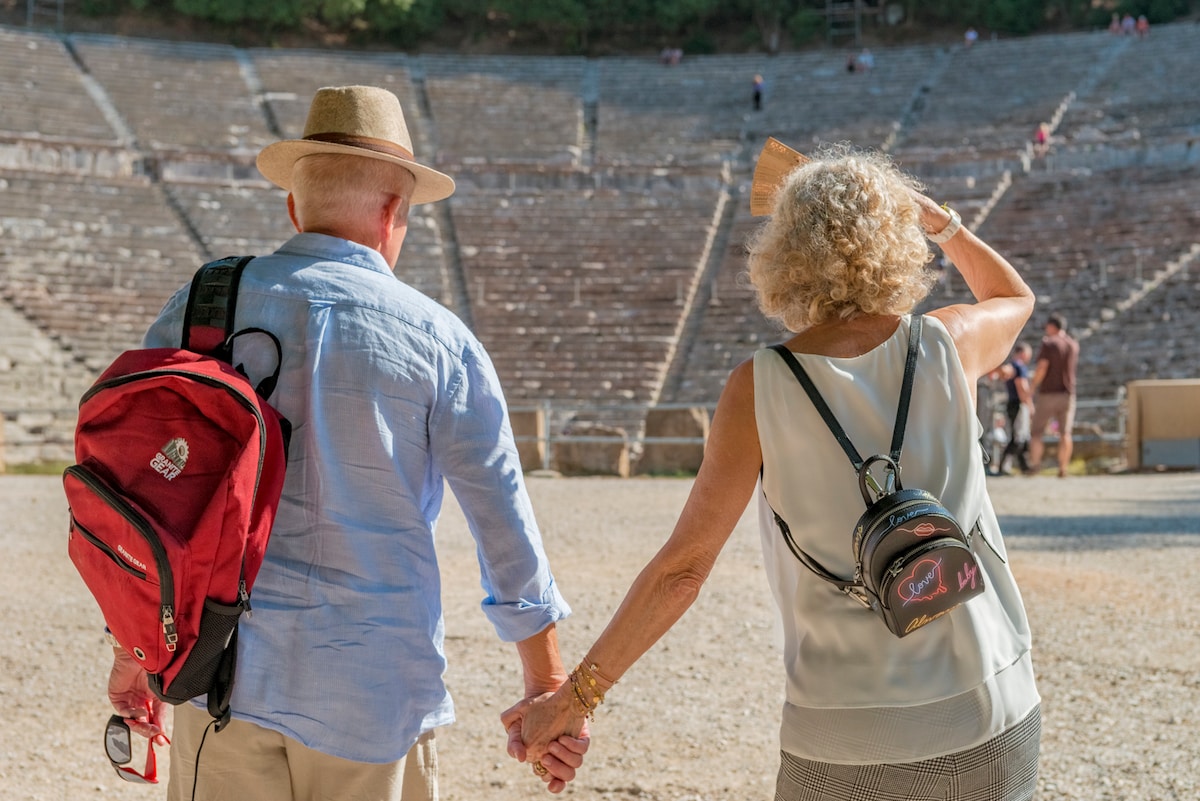
Epidaurus Private Tour with Licensed Guide
Fri, Dec 5 • 7:30 PM
210 52, Epidavros, Greece
View details
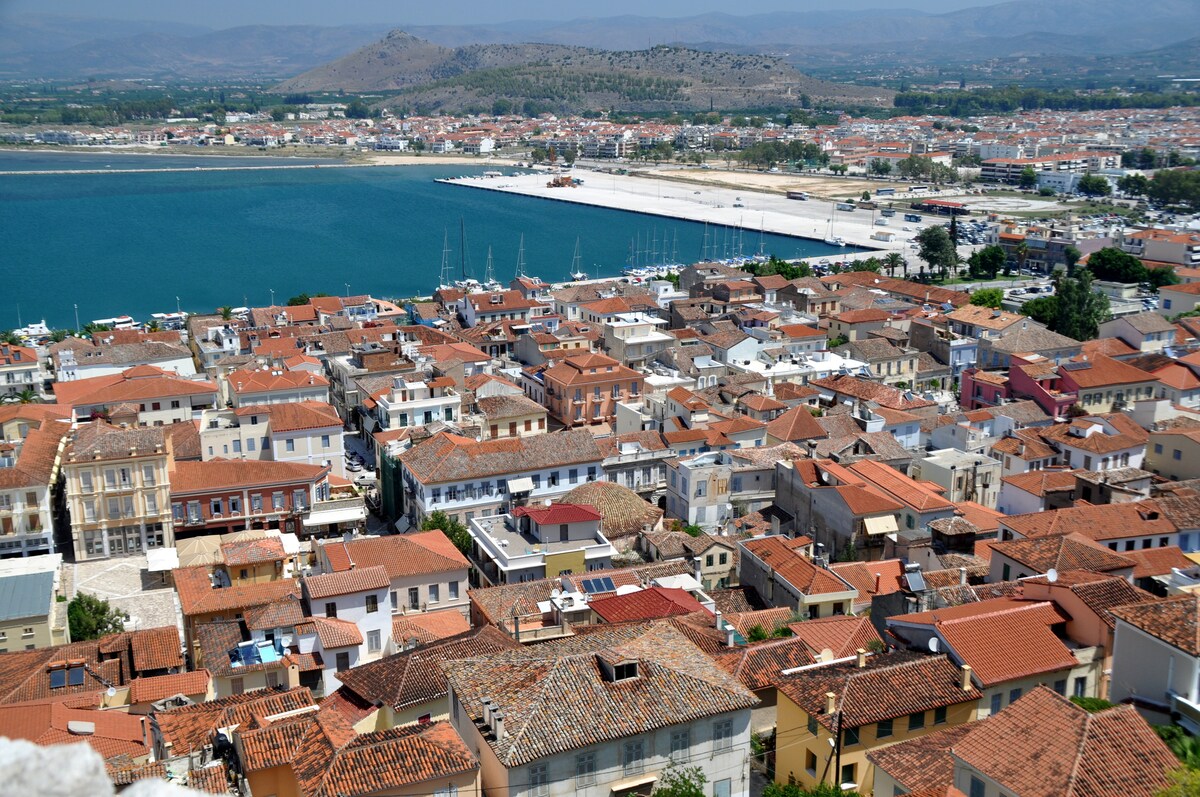
Nearby restaurants of Stadium at the Asclepieion of Epidaurus

Epidaurus Xenia
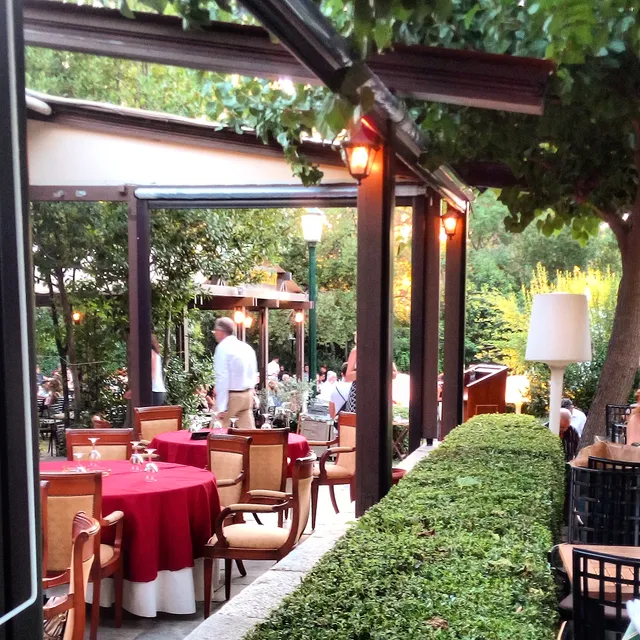
Epidaurus Xenia

Epidaurus Xenia

2.8

(150)

$$

Click for details
Get the Appoverlay
Get the AppOne tap to find yournext favorite spots!
Wanderboat LogoWanderboat

Your everyday Al companion for getaway ideas

CompanyAbout Us
InformationAI Trip PlannerSitemap
SocialXInstagramTiktokLinkedin
LegalTerms of ServicePrivacy Policy

Get the app

© 2025 Wanderboat. All rights reserved.
logo

Posts

Festus Ifiti jrFestus Ifiti jr
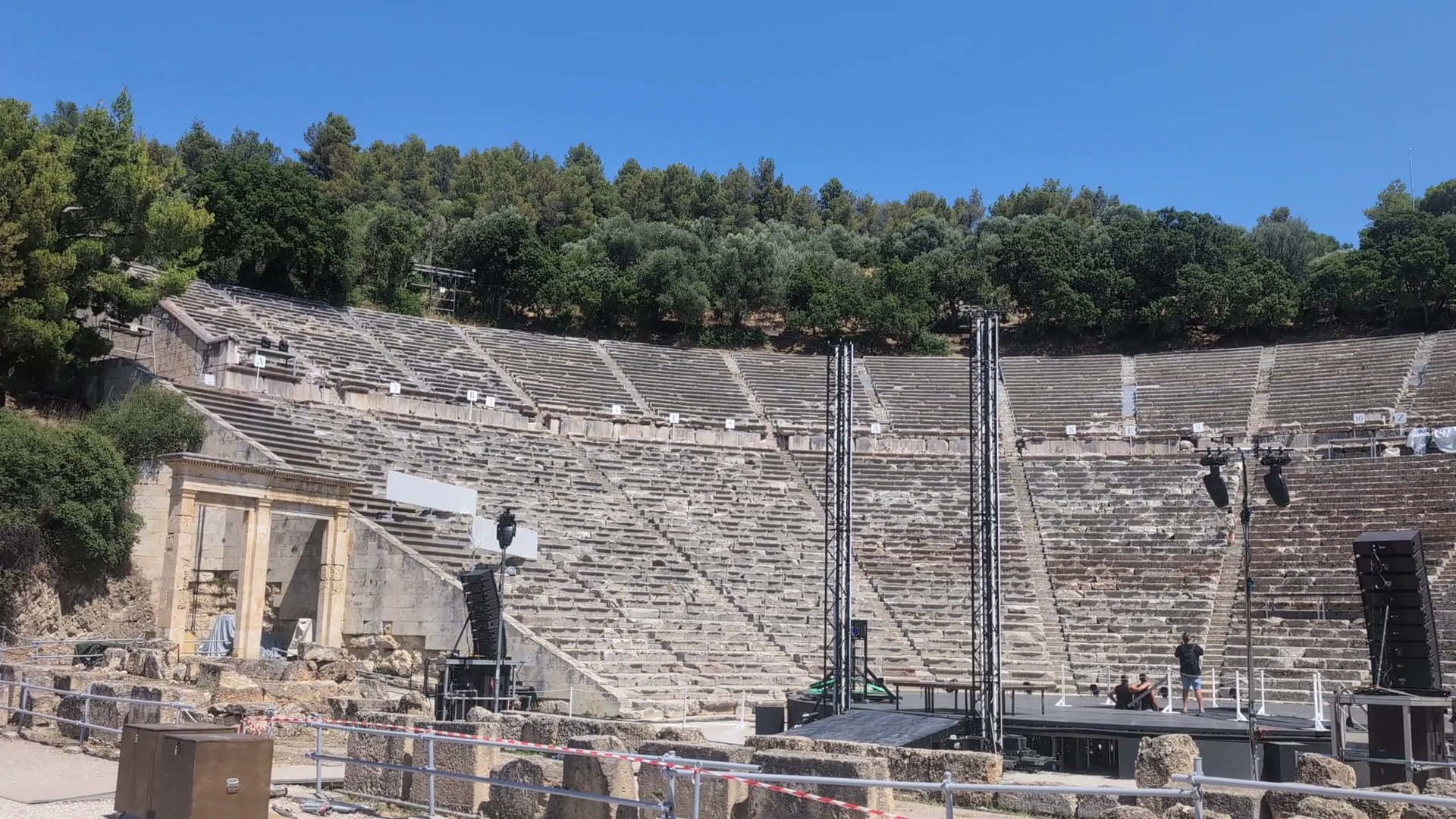
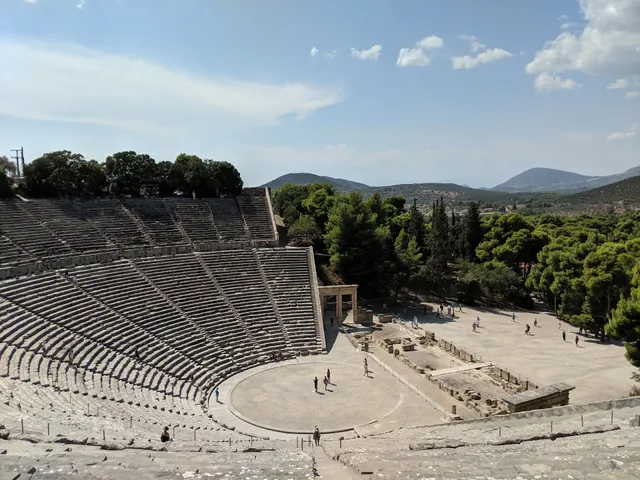
The Stadium at the Asclepieion of Epidaurus is a significant ancient Greek athletic facility that formed an integral part of the sanctuary dedicated to Asclepius, the god of medicine and healing. Built primarily in the 4th century BC, it hosted athletic competitions, known as "gymnikoi" (as competitors were nude), as well as contests in rhapsody, music, and drama, all part of the "Asklepieia" festival held every four years in honor of the god. The stadium was ingeniously constructed within a natural depression in the ground, with the slopes shaped to accommodate spectators. In its earliest form (5th century BC), spectators likely stood or sat on humble stepped constructions of fieldstones and clay. However, from the 4th century BC onwards, limestone seats began to be manufactured and installed for the spectators along the two long sides of the stadium. Restoration efforts have focused on shaping the track and restoring seats on the south side, with the vaulted passage restoration also in progress. While not as large as the famous Epidaurus Theatre, the stadium had a significant capacity, indicating the large number of people who gathered for the "Asklepieia" festival. Beyond athletic events, the games at Epidaurus were deeply intertwined with the healing practices of the sanctuary. The festival, including the athletic contests, was believed to contribute to the physical and spiritual well-being of the pilgrims seeking healing. In Roman times, starting from the 1st century AD, games in honor of Roman emperors, known as "Caesareia" and "Sebasteia" (Augustea), were also held here. The Stadium at Epidaurus stands as a testament to the comprehensive approach to well-being in ancient Greece, where physical exercise and public spectacle were considered integral to a healthy life, complementing the therapeutic practices of the Asclepieion.
Balkan FamBalkan Fam
Visiting the Stadium at the Asclepieion of Epidaurus was like stepping back in time to witness the grandeur of ancient Greek sports. This historical gem, nestled beside the famous Sanctuary of Asklepios, is truly a marvel of ancient architecture and culture. The stadium, dating back to the 4th century BCE, still holds the essence of the athletic games that were once held here every four years in honor of Asklepios, the god of healing. The remnants of the starting pillars and stone benches for spectators are remarkably well-preserved, allowing you to vividly imagine the energy and excitement of those past events. Walking through the long corridor of the stadium, you can almost hear the cheers of the crowd and the footsteps of athletes. Although nature has reclaimed much of the structure, the sense of history is palpable, making this a must-visit for anyone interested in classical antiquity or the roots of modern sports. This site not only offers a peek into the past but also stands as a testament to the enduring legacy of Greek culture. It's a serene, yet awe-inspiring place that combines history, architecture, and the natural beauty of the Peloponnese. If you're exploring Epidaurus, make sure not to miss this overlooked treasure. It's an essential part of the narrative of human history and athletic spirit. Highly recommend for history buffs, sports enthusiasts, or anyone enchanted by the stories stones can tell. From a traveler enchanted by the past Please note, this review is based on general information and my knowledge about the site. If you need more specifics, let me know! And make sure to follow balkanfam on Facebook and Instagram at falkanfamfb and balkanfam ig
Mt2nd YtaccMt2nd Ytacc
In de 4e eeuw voor Christus, te midden van de bloei van de Griekse beschaving, verrees het indrukwekkende Asklepieion-stadion in Epidaurus op het schiereiland Peloponnesos. Dit stadion vormde een integraal onderdeel van het bredere Asklepieion-heiligdom, gewijd aan Asklepios, de god van genezing. Epidaurus zelf groeide uit tot een gerenommeerd genezingscentrum waar pelgrims vanuit het hele Griekse rijk naartoe kwamen om de zegeningen van Asklepios te zoeken. Het stadion diende als de arena voor atletiekwedstrijden, een rituele vorm van verering voor de godheid. Gebouwd op een natuurlijke helling, kenmerkte het zich door een ovale vorm, een karakteristiek kenmerk van de klassieke Griekse stadions. Deze vorm zorgde ervoor dat toeschouwers vanaf de oplopende zitplaatsen een panoramisch uitzicht hadden op de sportevenementen die plaatsvonden in het centrale gebied. De zitplaatsen zelf waren zorgvuldig gerangschikt in rijen die de contouren van het terrein volgden, waardoor een harmonieuze integratie met het natuurlijke landschap ontstond. Deze zitplaatsen boden niet alleen een comfortabele plek voor toeschouwers, maar waren ook doordrongen van de spirituele en rituele betekenis van de atletiekwedstrijden. Toegang tot de stadionvloer werd verleend via tunnels aan de uiteinden van het stadion. Deze tunnels, naast praktische doeleinden, dienden ook als symbolische poorten, waardoor atleten konden afdalen naar de heilige ruimte waar de wedstrijden plaatsvonden. Het Asklepieion-stadion belichaamt de verbinding tussen sport, spiritualiteit en genezing in het culturele landschap van de Griekse oudheid.
See more posts
See more posts
hotel
Find your stay

Pet-friendly Hotels in Municipality of Epidaurus

Find a cozy hotel nearby and make it a full experience.

The Stadium at the Asclepieion of Epidaurus is a significant ancient Greek athletic facility that formed an integral part of the sanctuary dedicated to Asclepius, the god of medicine and healing. Built primarily in the 4th century BC, it hosted athletic competitions, known as "gymnikoi" (as competitors were nude), as well as contests in rhapsody, music, and drama, all part of the "Asklepieia" festival held every four years in honor of the god. The stadium was ingeniously constructed within a natural depression in the ground, with the slopes shaped to accommodate spectators. In its earliest form (5th century BC), spectators likely stood or sat on humble stepped constructions of fieldstones and clay. However, from the 4th century BC onwards, limestone seats began to be manufactured and installed for the spectators along the two long sides of the stadium. Restoration efforts have focused on shaping the track and restoring seats on the south side, with the vaulted passage restoration also in progress. While not as large as the famous Epidaurus Theatre, the stadium had a significant capacity, indicating the large number of people who gathered for the "Asklepieia" festival. Beyond athletic events, the games at Epidaurus were deeply intertwined with the healing practices of the sanctuary. The festival, including the athletic contests, was believed to contribute to the physical and spiritual well-being of the pilgrims seeking healing. In Roman times, starting from the 1st century AD, games in honor of Roman emperors, known as "Caesareia" and "Sebasteia" (Augustea), were also held here. The Stadium at Epidaurus stands as a testament to the comprehensive approach to well-being in ancient Greece, where physical exercise and public spectacle were considered integral to a healthy life, complementing the therapeutic practices of the Asclepieion.
Festus Ifiti jr

Festus Ifiti jr

hotel
Find your stay

Affordable Hotels in Municipality of Epidaurus

Find a cozy hotel nearby and make it a full experience.

Get the Appoverlay
Get the AppOne tap to find yournext favorite spots!
Visiting the Stadium at the Asclepieion of Epidaurus was like stepping back in time to witness the grandeur of ancient Greek sports. This historical gem, nestled beside the famous Sanctuary of Asklepios, is truly a marvel of ancient architecture and culture. The stadium, dating back to the 4th century BCE, still holds the essence of the athletic games that were once held here every four years in honor of Asklepios, the god of healing. The remnants of the starting pillars and stone benches for spectators are remarkably well-preserved, allowing you to vividly imagine the energy and excitement of those past events. Walking through the long corridor of the stadium, you can almost hear the cheers of the crowd and the footsteps of athletes. Although nature has reclaimed much of the structure, the sense of history is palpable, making this a must-visit for anyone interested in classical antiquity or the roots of modern sports. This site not only offers a peek into the past but also stands as a testament to the enduring legacy of Greek culture. It's a serene, yet awe-inspiring place that combines history, architecture, and the natural beauty of the Peloponnese. If you're exploring Epidaurus, make sure not to miss this overlooked treasure. It's an essential part of the narrative of human history and athletic spirit. Highly recommend for history buffs, sports enthusiasts, or anyone enchanted by the stories stones can tell. From a traveler enchanted by the past Please note, this review is based on general information and my knowledge about the site. If you need more specifics, let me know! And make sure to follow balkanfam on Facebook and Instagram at falkanfamfb and balkanfam ig
Balkan Fam

Balkan Fam

hotel
Find your stay

The Coolest Hotels You Haven't Heard Of (Yet)

Find a cozy hotel nearby and make it a full experience.

hotel
Find your stay

Trending Stays Worth the Hype in Municipality of Epidaurus

Find a cozy hotel nearby and make it a full experience.

In de 4e eeuw voor Christus, te midden van de bloei van de Griekse beschaving, verrees het indrukwekkende Asklepieion-stadion in Epidaurus op het schiereiland Peloponnesos. Dit stadion vormde een integraal onderdeel van het bredere Asklepieion-heiligdom, gewijd aan Asklepios, de god van genezing. Epidaurus zelf groeide uit tot een gerenommeerd genezingscentrum waar pelgrims vanuit het hele Griekse rijk naartoe kwamen om de zegeningen van Asklepios te zoeken. Het stadion diende als de arena voor atletiekwedstrijden, een rituele vorm van verering voor de godheid. Gebouwd op een natuurlijke helling, kenmerkte het zich door een ovale vorm, een karakteristiek kenmerk van de klassieke Griekse stadions. Deze vorm zorgde ervoor dat toeschouwers vanaf de oplopende zitplaatsen een panoramisch uitzicht hadden op de sportevenementen die plaatsvonden in het centrale gebied. De zitplaatsen zelf waren zorgvuldig gerangschikt in rijen die de contouren van het terrein volgden, waardoor een harmonieuze integratie met het natuurlijke landschap ontstond. Deze zitplaatsen boden niet alleen een comfortabele plek voor toeschouwers, maar waren ook doordrongen van de spirituele en rituele betekenis van de atletiekwedstrijden. Toegang tot de stadionvloer werd verleend via tunnels aan de uiteinden van het stadion. Deze tunnels, naast praktische doeleinden, dienden ook als symbolische poorten, waardoor atleten konden afdalen naar de heilige ruimte waar de wedstrijden plaatsvonden. Het Asklepieion-stadion belichaamt de verbinding tussen sport, spiritualiteit en genezing in het culturele landschap van de Griekse oudheid.
Mt2nd Ytacc

Mt2nd Ytacc

See more posts
See more posts

Reviews of Stadium at the Asclepieion of Epidaurus

4.8
(3,451)
avatar
5.0
22w

The Stadium at the Asclepieion of Epidaurus is a significant ancient Greek athletic facility that formed an integral part of the sanctuary dedicated to Asclepius, the god of medicine and healing. Built primarily in the 4th century BC, it hosted athletic competitions, known as "gymnikoi" (as competitors were nude), as well as contests in rhapsody, music, and drama, all part of the "Asklepieia" festival held every four years in honor of the god. The stadium was ingeniously constructed within a natural depression in the ground, with the slopes shaped to accommodate spectators. In its earliest form (5th century BC), spectators likely stood or sat on humble stepped constructions of fieldstones and clay. However, from the 4th century BC onwards, limestone seats began to be manufactured and installed for the spectators along the two long sides of the stadium. Restoration efforts have focused on shaping the track and restoring seats on the south side, with the vaulted passage restoration also in progress. While not as large as the famous Epidaurus Theatre, the stadium had a significant capacity, indicating the large number of people who gathered for the "Asklepieia" festival. Beyond athletic events, the games at Epidaurus were deeply intertwined with the healing practices of the sanctuary. The festival, including the athletic contests, was believed to contribute to the physical and spiritual well-being of the pilgrims seeking healing. In Roman times, starting from the 1st century AD, games in honor of Roman emperors, known as "Caesareia" and "Sebasteia" (Augustea), were also held here. The Stadium at Epidaurus stands as a testament to the comprehensive approach to well-being in ancient Greece, where physical exercise and public spectacle were considered integral to a healthy life, complementing the therapeutic practices of the...

   Read more
avatar
5.0
43w

Visiting the Stadium at the Asclepieion of Epidaurus was like stepping back in time to witness the grandeur of ancient Greek sports. This historical gem, nestled beside the famous Sanctuary of Asklepios, is truly a marvel of ancient architecture and culture.

The stadium, dating back to the 4th century BCE, still holds the essence of the athletic games that were once held here every four years in honor of Asklepios, the god of healing. The remnants of the starting pillars and stone benches for spectators are remarkably well-preserved, allowing you to vividly imagine the energy and excitement of those past events.

Walking through the long corridor of the stadium, you can almost hear the cheers of the crowd and the footsteps of athletes. Although nature has reclaimed much of the structure, the sense of history is palpable, making this a must-visit for anyone interested in classical antiquity or the roots of modern sports.

This site not only offers a peek into the past but also stands as a testament to the enduring legacy of Greek culture. It's a serene, yet awe-inspiring place that combines history, architecture, and the natural beauty of the Peloponnese.

If you're exploring Epidaurus, make sure not to miss this overlooked treasure. It's an essential part of the narrative of human history and athletic spirit. Highly recommend for history buffs, sports enthusiasts, or anyone enchanted by the stories stones can tell.

From a traveler enchanted by the past

Please note, this review is based on general information and my knowledge about the site. If you need more specifics, let me know! And make sure to follow balkanfam on Facebook and Instagram at falkanfamfb and...

   Read more
avatar
5.0
6y

Our second visit. This is a breathtaking piece of architecture set in a larger archeological environment displaying the remains of the cult of Asklepios (the key centre of healing in the ancient world, and the chief site among 200 others dedicated to Asklepios). The theatre itself is still in regular use with a season of plays, etc, throughout June and July. You can buy tickets here. The size is initially deceptive as you approach, however seating an estimated 12,000 it is huge. This can only be appreciated by climbing carefully to the top of the seating area. There are wonderful views of the surrounding countryside. Read the information provided around the site, and visit the small museum. There are several WCs around the site and cafes outside the main entrance. A really...

   Read more
Page 1 of 7
Previous
Next