HTML SitemapExplore
logo
Find Things to DoFind The Best Restaurants

Aquincum Museum — Attraction in Budapest

Name
Aquincum Museum
Description
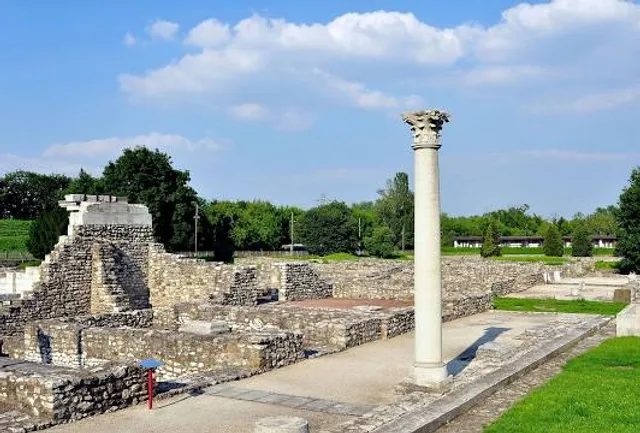
The Aquincum Museum is a museum in Budapest, Hungary. It first opened in May 1894. Archeological findings from the remains of Aquincum are on display there. These include items from the local mithraeum. It has an indoor and outdoor part. Paula Zsidi served as the museum director from 1989 until 2015.
Nearby attractions
Auchan
Budapest, Szentendrei út 115, 1033 Hungary
Aquincumi polgárvárosi amfiteátrum
Budapest, Szentendrei út 150, 1031 Hungary
Nearby restaurants
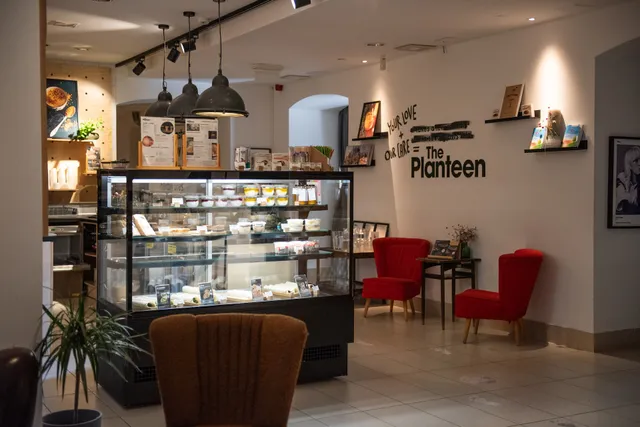
The Planteen
Budapest, IBS épület alagsor, Záhony u. 7, 1031 Hungary
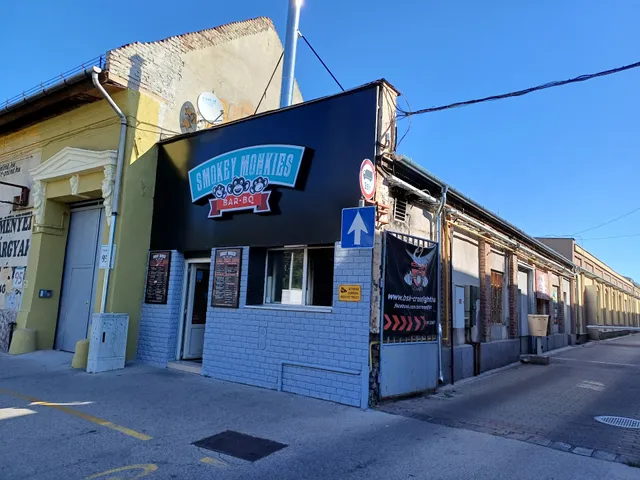
Smokey Monkies BBQ
Budapest, Szentendrei út 95, 1033 Hungary
Crunch 'n Munch
Budapest, Záhony u. 7, 1031 Hungary
American Burger & Steak House
Budapest, Reményi Ede u. 1, 1033 Hungary
Ételbár
Budapest, Római tér 2, 1031 Hungary
Bonyai Étterem
Budapest, Reményi Ede u. 3, 1033 Hungary
Lacikonyha
Budapest, Reményi Ede u. 3, 1033 Hungary
Körétterem
Budapest, Záhony u. 7-E épület, 1031 Hungary
MenüBár
Budapest, Pethe Ferenc tér 1, 1033 Hungary
Nearby hotels
Related posts
Keywords
Aquincum Museum tourism.Aquincum Museum hotels.Aquincum Museum bed and breakfast. flights to Aquincum Museum.Aquincum Museum attractions.Aquincum Museum restaurants.Aquincum Museum travel.Aquincum Museum travel guide.Aquincum Museum travel blog.Aquincum Museum pictures.Aquincum Museum photos.Aquincum Museum travel tips.Aquincum Museum maps.Aquincum Museum things to do.
Aquincum Museum things to do, attractions, restaurants, events info and trip planning
Aquincum Museum
HungaryCentral HungaryBudapestAquincum Museum

Basic Info

Aquincum Museum

Budapest, Szentendrei út 135, 1031 Hungary
4.6(1.2K)
Closed
Save
spot

Ratings & Description

Info

The Aquincum Museum is a museum in Budapest, Hungary. It first opened in May 1894. Archeological findings from the remains of Aquincum are on display there. These include items from the local mithraeum. It has an indoor and outdoor part. Paula Zsidi served as the museum director from 1989 until 2015.

Cultural
Family friendly
Accessibility
attractions: Auchan, Aquincumi polgárvárosi amfiteátrum, restaurants: The Planteen, Smokey Monkies BBQ, Crunch 'n Munch, American Burger & Steak House, Ételbár, Bonyai Étterem, Lacikonyha, Körétterem, MenüBár
logoLearn more insights from Wanderboat AI.
Phone
+36 1 250 1650
Website
aquincum.hu
Open hoursSee all hours
Tue9 AM - 6 PMClosed

Plan your stay

hotel
Pet-friendly Hotels in Budapest
Find a cozy hotel nearby and make it a full experience.
hotel
Affordable Hotels in Budapest
Find a cozy hotel nearby and make it a full experience.
hotel
The Coolest Hotels You Haven't Heard Of (Yet)
Find a cozy hotel nearby and make it a full experience.
hotel
Trending Stays Worth the Hype in Budapest
Find a cozy hotel nearby and make it a full experience.

Reviews

Nearby attractions of Aquincum Museum

Auchan

Aquincumi polgárvárosi amfiteátrum

Auchan

Auchan

4.2

(3.9K)

Open 24 hours
Click for details
Aquincumi polgárvárosi amfiteátrum

Aquincumi polgárvárosi amfiteátrum

4.4

(66)

Open 24 hours
Click for details

Things to do nearby

Explore Budapests history and culture
Tue, Dec 9 • 9:00 AM
Budapest, 1051, Hungary
View details
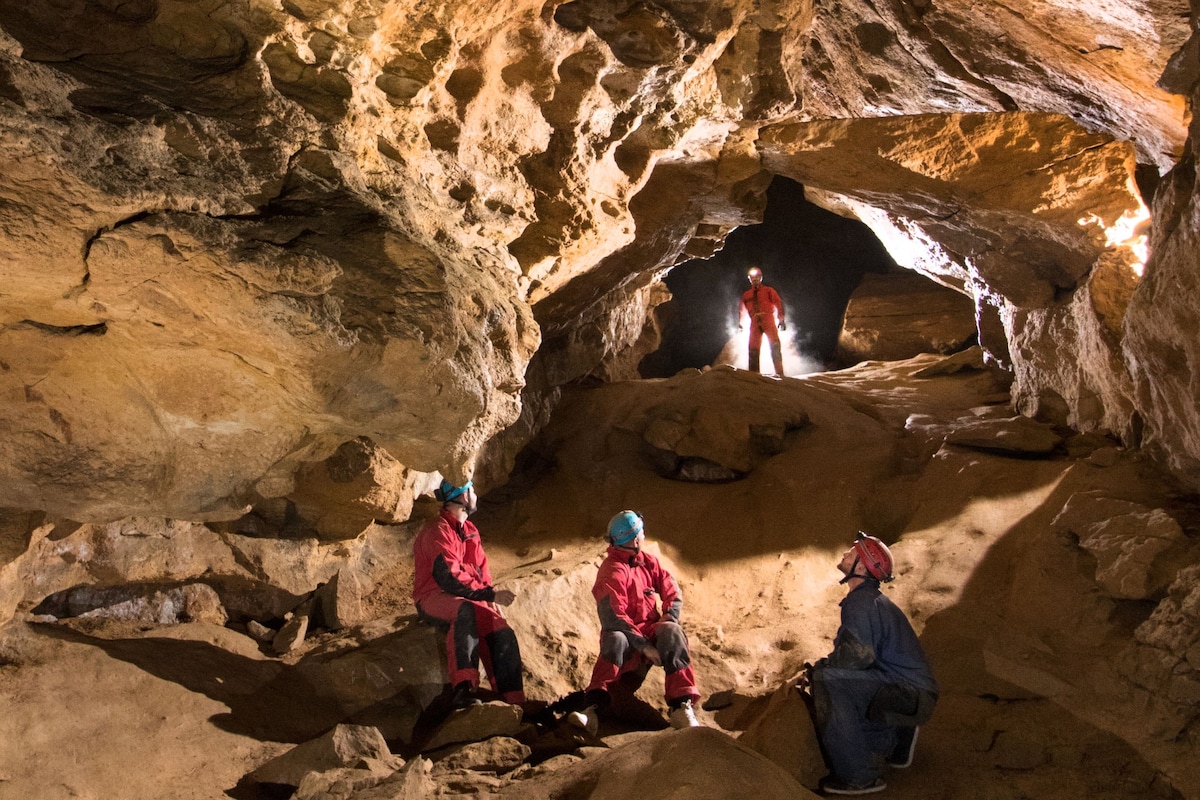
Tours in the longest cave of Budapest
Tue, Dec 9 • 10:00 AM
Budapest, 1025, Hungary
View details
Taste Budapest - Fat Boy Foodies Walk
Tue, Dec 9 • 9:00 AM
Budapest, 1067, Hungary
View details

Nearby restaurants of Aquincum Museum

The Planteen

Smokey Monkies BBQ

Crunch 'n Munch

American Burger & Steak House

Ételbár

Bonyai Étterem

Lacikonyha

Körétterem

MenüBár

The Planteen

The Planteen

4.8

(117)

$

Click for details
Smokey Monkies BBQ

Smokey Monkies BBQ

4.6

(766)

$

Click for details
Crunch 'n Munch

Crunch 'n Munch

5.0

(31)

Click for details
American Burger & Steak House

American Burger & Steak House

4.8

(1.0K)

$$

Closed
Click for details
Get the Appoverlay
Get the AppOne tap to find yournext favorite spots!
Wanderboat LogoWanderboat

Your everyday Al companion for getaway ideas

CompanyAbout Us
InformationAI Trip PlannerSitemap
SocialXInstagramTiktokLinkedin
LegalTerms of ServicePrivacy Policy

Get the app

© 2025 Wanderboat. All rights reserved.
logo

Reviews of Aquincum Museum

4.6
(1,242)
avatar
3.0
1y

Visited on a quiet and sunny day. The Dènes Györgyi exhibition building is the first building we visited at the entrance and the most advanced. Good facilities are included with both Hungarian and English translation. Very interesting and detailed exhibits. The house of the painter and the Symphorus Mithraeum are also both decent recreations of Roman life in the settlement. What lets the museum down though is the rest of the site. The ruins themselves are not sign posted very well other than on the map, some parts also seem like you could easily fall. The old museum building which I have pictured is falling apart and looks really dilapidated. There appears to be work ongoing but it is sad to see it in such a state of disrepair. Some of the gardens look lovely but there were also a lot of grass cuttings just left around the place which made it look a bit shabby. There wasn't much in the way of a gift shop although there is a play park for children. As some others have mentioned there are staff watching you in various areas. This is understandable to keep the exhibits safe however I think an opportunity was missed here to dress these staff up to make the park more living and playful. On a quiet day it hardly looks open and isn't particularly inviting to visit. If you are really interested in Roman history it is worth a look round but if not there is not much extra here to make it worth recommending. In saying that though the new building certainly looks to be much improved on the old with it being more accessible to global tourists rather...

   Read more
avatar
5.0
11w

Underrated museum. I spent over six hours at the site. Acquincum was centre of Pannonia Roman province for nearly four centuries, a town of 40 000 when Paris was of 10 000. I had two guided tours with Orsolya Láng, former director – she is a uniquely insightful person with character and humour. About 2/3 of remains still uncovered – Ms Láng surprised me saying it is better this way: 1. few decades of polluted city air already partly destroyed inscriptions on many artefacts (!), and 2. they don’t have the (human/fiscal) capacity to uncover more. Sadly, there were few visitors – maybe the American-style shallow but sensationalist guidebooks (been there, ticked it) omit the place? The area, Óbuda is really the core of Budapest up to about 15th century mostly ignored by foreign tourists, and was place of first Hungarian settlements in the area, the queen held a her court there till Turks destroyed it in 16th c. – till end 19th century most important Jewish presence in Hungary. Buda castle area gained prominence only after 14th century, till then Óbuda area around Roman remains was the core. A tour with Orsolya Láng is highly recommended. Hopefully the politically motivated free-for-all will cease soon and Ms Láng and the museum can focus on their work instead. Free visits and guided tours (in Hungarian) on prime Hungarian national holidays (15th March, 23rd Oct, 20th Aug + open days of cultural heritage...

   Read more
avatar
5.0
5y

A múzeum Budapest római kori régészeti, történeti emlékeinek legnagyobb gyűjtőhelye. Kuzsinszky Bálint, a helyi ásatások vezetője szervezőmunkájának köszönhetően nyílhatott meg, 1894-ben. A múzeumot az egykori aquincumi polgárváros területének egy részén, főként az ottani ásatások eredményeire alapozva alakították ki. A helyben kiásott és a fővárosban máshol, főként Óbudán fellelt római kori emlékek egy töredéke a romkertben és a múzeum épületeiben tekinthető meg. Az újkorban először 1778-ban bukkantak római kori leletekre itt, amelyek már tudományos érdeklődést váltottak ki. Egy óbudai szőlősgazda - veremásás közben - római padlófűtés (hypocaustum) maradványaira talált, amiket Schönvisner István azonosított Aquincum városával. Contra-Aquincum erődjének első romjai 1796-ban a belvárosi piarista rendház udvarán kerültek elő. 1815-ben a Duna Óbudával szemközti partján egy helyi gazda, Göttersdorfer Jakab a Rákos-patak torkolatánál fekvő földje szántása közben rátalált Transaquincum romjaira. 1820-ban az uralkodó Habsburg-család egy tagja megtekintette az óbudai római romokat, és kijelentette: „Íme a magyar Pompeii és Herculaneum!” Az 1820-as években az óbudai közigazgatás elöljárója „kutatást” végeztetett a Papföldnek nevezett határrészen, a múzeum jelenlegi területén, feltárva, majd visszatemetve a nagy közfürdő romjait. Az 1860-as években Zsigmondy Gusztáv felméréseket készített a transaquincumi erőd, illetve a mai Óbudai-szigeten elterülő „thermák” (a helytartói palota fürdőszárnya) látható maradványairól. Az 1867-es párizsi világkiállításon a magyar pavilon régészeti kiállításán, Rómer Flóris szervezésében, már szerepeltek aquincumi leletek. 1869-ben Rudolf trónörökös is meglátogatta az óbudai romokat. 1876-ban a Budapesten megrendezett 8. Nemzetközi Embertani és Régészeti Kongresszus résztvevői meglátogatták Aquincumot. 1878-ban Budapest Főváros tanácsa határozatot hozott az Óbudán még felszínen látható romok védelmében. 1880-ban megkezdődtek a tudományos feltárások Torma Károly, Hampel József és gömöri Havas Sándor vezetésével. 1881-re feltárták a polgárvárosi amfiteátrum teljes felületét. 1885-ben az Országos Kiállításon az aquincumi ásatások leleteit is bemutatták. 1888-ban Kuzsinszky Bálint is bekapcsolódott a feltáró munkálatokba, később átvette azok irányítását. 1889-ben nyílt meg az első aquincumi kiállítás, a Krempl-malomban. május 10-én az Aquincumi Múzeum kiállító épülete megnyitja kapuit a nagyközönség előtt. A millennium idején a múzeumépületet két szárnnyal bővítették ki, ezzel a múzeum elérte jelenlegi alapterületét. 1902-re épült meg a múzeumépület mögötti kőtár. 1921-ben Nagy Lajos is bekapcsolódott a munkálatokba. Ő tárta fel 1931-ben a polgárváros tűzoltólaktanyáját, itt találta meg az aquincumi víziorgona maradványait is. 1938-ban, Kuzsinszky Bálint halála után ő vette át a múzeum irányítását, ebben Szilágyi János régész, a Fővárosi Régészeti Intézet irányításában pedig Nagy Tibor volt a segítője. A második világháborúban az Óbudai Gázgyárat célzó bombázások során a múzeumépület súlyosan megsérült, a romterületet is 12 találat érte. A részben a Károlyi-palotában tárolt leletanyag 40%-a megsemmisült. A háború utáni első kiállítás 1947-ben nyílt meg ott, a megmaradt anyagból. Az állandó kiállítás Aquincumban, 1948 októberében nyílt meg újra. 1952-ben feltárások kezdődtek a Hajógyári-szigeten, a helytartói palota területén. 1954-ben nyílt meg a Táborvárosi Múzeum. Külföldi építészhallgatók közreműködésével, úgynevezett Interstudex-ásatások kezdődtek a polgárváros nyugati, addig feltáratlan területén. 1967-ben megnyílt a Hercules-villa. 1973-ra befejeződtek az Aquincumi Múzeum romkonzerválási munkálatai, 16 épületet sikerült rekonstruálni. Az 1970-es, 80-as, 90-es években folyamatosan végeztek kisebb-nagyobb kutató és rekonstrukciós munkálatokat. A rendszerváltás utáni első nagyobb beruházás 2000. november 21-én fejeződött be, amikor átadták az Aquincumi Múzeum bővítésének I. ütemét, az irodaépületet és raktárbázist, a múzeum ezzel egy ideiglenes, télen is működő kiállítóhellyel...

   Read more
Page 1 of 7
Previous
Next

Posts

TomTom
Visited on a quiet and sunny day. The Dènes Györgyi exhibition building is the first building we visited at the entrance and the most advanced. Good facilities are included with both Hungarian and English translation. Very interesting and detailed exhibits. The house of the painter and the Symphorus Mithraeum are also both decent recreations of Roman life in the settlement. What lets the museum down though is the rest of the site. The ruins themselves are not sign posted very well other than on the map, some parts also seem like you could easily fall. The old museum building which I have pictured is falling apart and looks really dilapidated. There appears to be work ongoing but it is sad to see it in such a state of disrepair. Some of the gardens look lovely but there were also a lot of grass cuttings just left around the place which made it look a bit shabby. There wasn't much in the way of a gift shop although there is a play park for children. As some others have mentioned there are staff watching you in various areas. This is understandable to keep the exhibits safe however I think an opportunity was missed here to dress these staff up to make the park more living and playful. On a quiet day it hardly looks open and isn't particularly inviting to visit. If you are really interested in Roman history it is worth a look round but if not there is not much extra here to make it worth recommending. In saying that though the new building certainly looks to be much improved on the old with it being more accessible to global tourists rather than Hungarians.
Zoltán SóskutiZoltán Sóskuti
A múzeum Budapest római kori régészeti, történeti emlékeinek legnagyobb gyűjtőhelye. Kuzsinszky Bálint, a helyi ásatások vezetője szervezőmunkájának köszönhetően nyílhatott meg, 1894-ben. A múzeumot az egykori aquincumi polgárváros területének egy részén, főként az ottani ásatások eredményeire alapozva alakították ki. A helyben kiásott és a fővárosban máshol, főként Óbudán fellelt római kori emlékek egy töredéke a romkertben és a múzeum épületeiben tekinthető meg. Az újkorban először 1778-ban bukkantak római kori leletekre itt, amelyek már tudományos érdeklődést váltottak ki. Egy óbudai szőlősgazda - veremásás közben - római padlófűtés (hypocaustum) maradványaira talált, amiket Schönvisner István azonosított Aquincum városával. Contra-Aquincum erődjének első romjai 1796-ban a belvárosi piarista rendház udvarán kerültek elő. 1815-ben a Duna Óbudával szemközti partján egy helyi gazda, Göttersdorfer Jakab a Rákos-patak torkolatánál fekvő földje szántása közben rátalált Transaquincum romjaira. 1820-ban az uralkodó Habsburg-család egy tagja megtekintette az óbudai római romokat, és kijelentette: „Íme a magyar Pompeii és Herculaneum!” Az 1820-as években az óbudai közigazgatás elöljárója „kutatást” végeztetett a Papföldnek nevezett határrészen, a múzeum jelenlegi területén, feltárva, majd visszatemetve a nagy közfürdő romjait. Az 1860-as években Zsigmondy Gusztáv felméréseket készített a transaquincumi erőd, illetve a mai Óbudai-szigeten elterülő „thermák” (a helytartói palota fürdőszárnya) látható maradványairól. Az 1867-es párizsi világkiállításon a magyar pavilon régészeti kiállításán, Rómer Flóris szervezésében, már szerepeltek aquincumi leletek. 1869-ben Rudolf trónörökös is meglátogatta az óbudai romokat. 1876-ban a Budapesten megrendezett 8. Nemzetközi Embertani és Régészeti Kongresszus résztvevői meglátogatták Aquincumot. 1878-ban Budapest Főváros tanácsa határozatot hozott az Óbudán még felszínen látható romok védelmében. 1880-ban megkezdődtek a tudományos feltárások Torma Károly, Hampel József és gömöri Havas Sándor vezetésével. 1881-re feltárták a polgárvárosi amfiteátrum teljes felületét. 1885-ben az Országos Kiállításon az aquincumi ásatások leleteit is bemutatták. 1888-ban Kuzsinszky Bálint is bekapcsolódott a feltáró munkálatokba, később átvette azok irányítását. 1889-ben nyílt meg az első aquincumi kiállítás, a Krempl-malomban. 1894. május 10-én az Aquincumi Múzeum kiállító épülete megnyitja kapuit a nagyközönség előtt. A millennium idején a múzeumépületet két szárnnyal bővítették ki, ezzel a múzeum elérte jelenlegi alapterületét. 1902-re épült meg a múzeumépület mögötti kőtár. 1921-ben Nagy Lajos is bekapcsolódott a munkálatokba. Ő tárta fel 1931-ben a polgárváros tűzoltólaktanyáját, itt találta meg az aquincumi víziorgona maradványait is. 1938-ban, Kuzsinszky Bálint halála után ő vette át a múzeum irányítását, ebben Szilágyi János régész, a Fővárosi Régészeti Intézet irányításában pedig Nagy Tibor volt a segítője. A második világháborúban az Óbudai Gázgyárat célzó bombázások során a múzeumépület súlyosan megsérült, a romterületet is 12 találat érte. A részben a Károlyi-palotában tárolt leletanyag 40%-a megsemmisült. A háború utáni első kiállítás 1947-ben nyílt meg ott, a megmaradt anyagból. Az állandó kiállítás Aquincumban, 1948 októberében nyílt meg újra. 1952-ben feltárások kezdődtek a Hajógyári-szigeten, a helytartói palota területén. 1954-ben nyílt meg a Táborvárosi Múzeum. Külföldi építészhallgatók közreműködésével, úgynevezett Interstudex-ásatások kezdődtek a polgárváros nyugati, addig feltáratlan területén. 1967-ben megnyílt a Hercules-villa. 1973-ra befejeződtek az Aquincumi Múzeum romkonzerválási munkálatai, 16 épületet sikerült rekonstruálni. Az 1970-es, 80-as, 90-es években folyamatosan végeztek kisebb-nagyobb kutató és rekonstrukciós munkálatokat. A rendszerváltás utáni első nagyobb beruházás 2000. november 21-én fejeződött be, amikor átadták az Aquincumi Múzeum bővítésének I. ütemét, az irodaépületet és raktárbázist, a múzeum ezzel egy ideiglenes, télen is működő kiállítóhellyel gazdagodott.
Murat YıkılmazMurat Yıkılmaz
Aquincum, whose ruins are now within Budapest’s borders, was a city located on the northeastern border of the Roman Empire and remained under Roman rule for nearly 400 years. With its strategic location, it was an important military base along the Pannonian Limes, a key part of the Roman Empire’s Danubian Limes. The ruins and historical artifacts uncovered by 19th-century excavations in the area are now exhibited in the Aquincum Museum and Archaeological Park. We visited the site just before the rain, on a day when the colors of nature caught my eye, and had a long, enjoyable walk. Like many archaeological sites, although there wasn’t enough information, the museum was a noteworthy place in terms of museology. The museum complex, which consists of various buildings at different points, was meticulously prepared. There is no such beautiful narration and museology at the Forum Romanum. One of the most notable things I seen in the museum was the display of a 19th-century Hungarian’s reinterpretation of the Tabula Peutingeriana, making it more comprehensible. The way the map was presented allowed for easy exploration, and we spent an enjoyable time examining it closely.
See more posts
See more posts
hotel
Find your stay

Pet-friendly Hotels in Budapest

Find a cozy hotel nearby and make it a full experience.

Visited on a quiet and sunny day. The Dènes Györgyi exhibition building is the first building we visited at the entrance and the most advanced. Good facilities are included with both Hungarian and English translation. Very interesting and detailed exhibits. The house of the painter and the Symphorus Mithraeum are also both decent recreations of Roman life in the settlement. What lets the museum down though is the rest of the site. The ruins themselves are not sign posted very well other than on the map, some parts also seem like you could easily fall. The old museum building which I have pictured is falling apart and looks really dilapidated. There appears to be work ongoing but it is sad to see it in such a state of disrepair. Some of the gardens look lovely but there were also a lot of grass cuttings just left around the place which made it look a bit shabby. There wasn't much in the way of a gift shop although there is a play park for children. As some others have mentioned there are staff watching you in various areas. This is understandable to keep the exhibits safe however I think an opportunity was missed here to dress these staff up to make the park more living and playful. On a quiet day it hardly looks open and isn't particularly inviting to visit. If you are really interested in Roman history it is worth a look round but if not there is not much extra here to make it worth recommending. In saying that though the new building certainly looks to be much improved on the old with it being more accessible to global tourists rather than Hungarians.
Tom

Tom

hotel
Find your stay

Affordable Hotels in Budapest

Find a cozy hotel nearby and make it a full experience.

Get the Appoverlay
Get the AppOne tap to find yournext favorite spots!
A múzeum Budapest római kori régészeti, történeti emlékeinek legnagyobb gyűjtőhelye. Kuzsinszky Bálint, a helyi ásatások vezetője szervezőmunkájának köszönhetően nyílhatott meg, 1894-ben. A múzeumot az egykori aquincumi polgárváros területének egy részén, főként az ottani ásatások eredményeire alapozva alakították ki. A helyben kiásott és a fővárosban máshol, főként Óbudán fellelt római kori emlékek egy töredéke a romkertben és a múzeum épületeiben tekinthető meg. Az újkorban először 1778-ban bukkantak római kori leletekre itt, amelyek már tudományos érdeklődést váltottak ki. Egy óbudai szőlősgazda - veremásás közben - római padlófűtés (hypocaustum) maradványaira talált, amiket Schönvisner István azonosított Aquincum városával. Contra-Aquincum erődjének első romjai 1796-ban a belvárosi piarista rendház udvarán kerültek elő. 1815-ben a Duna Óbudával szemközti partján egy helyi gazda, Göttersdorfer Jakab a Rákos-patak torkolatánál fekvő földje szántása közben rátalált Transaquincum romjaira. 1820-ban az uralkodó Habsburg-család egy tagja megtekintette az óbudai római romokat, és kijelentette: „Íme a magyar Pompeii és Herculaneum!” Az 1820-as években az óbudai közigazgatás elöljárója „kutatást” végeztetett a Papföldnek nevezett határrészen, a múzeum jelenlegi területén, feltárva, majd visszatemetve a nagy közfürdő romjait. Az 1860-as években Zsigmondy Gusztáv felméréseket készített a transaquincumi erőd, illetve a mai Óbudai-szigeten elterülő „thermák” (a helytartói palota fürdőszárnya) látható maradványairól. Az 1867-es párizsi világkiállításon a magyar pavilon régészeti kiállításán, Rómer Flóris szervezésében, már szerepeltek aquincumi leletek. 1869-ben Rudolf trónörökös is meglátogatta az óbudai romokat. 1876-ban a Budapesten megrendezett 8. Nemzetközi Embertani és Régészeti Kongresszus résztvevői meglátogatták Aquincumot. 1878-ban Budapest Főváros tanácsa határozatot hozott az Óbudán még felszínen látható romok védelmében. 1880-ban megkezdődtek a tudományos feltárások Torma Károly, Hampel József és gömöri Havas Sándor vezetésével. 1881-re feltárták a polgárvárosi amfiteátrum teljes felületét. 1885-ben az Országos Kiállításon az aquincumi ásatások leleteit is bemutatták. 1888-ban Kuzsinszky Bálint is bekapcsolódott a feltáró munkálatokba, később átvette azok irányítását. 1889-ben nyílt meg az első aquincumi kiállítás, a Krempl-malomban. 1894. május 10-én az Aquincumi Múzeum kiállító épülete megnyitja kapuit a nagyközönség előtt. A millennium idején a múzeumépületet két szárnnyal bővítették ki, ezzel a múzeum elérte jelenlegi alapterületét. 1902-re épült meg a múzeumépület mögötti kőtár. 1921-ben Nagy Lajos is bekapcsolódott a munkálatokba. Ő tárta fel 1931-ben a polgárváros tűzoltólaktanyáját, itt találta meg az aquincumi víziorgona maradványait is. 1938-ban, Kuzsinszky Bálint halála után ő vette át a múzeum irányítását, ebben Szilágyi János régész, a Fővárosi Régészeti Intézet irányításában pedig Nagy Tibor volt a segítője. A második világháborúban az Óbudai Gázgyárat célzó bombázások során a múzeumépület súlyosan megsérült, a romterületet is 12 találat érte. A részben a Károlyi-palotában tárolt leletanyag 40%-a megsemmisült. A háború utáni első kiállítás 1947-ben nyílt meg ott, a megmaradt anyagból. Az állandó kiállítás Aquincumban, 1948 októberében nyílt meg újra. 1952-ben feltárások kezdődtek a Hajógyári-szigeten, a helytartói palota területén. 1954-ben nyílt meg a Táborvárosi Múzeum. Külföldi építészhallgatók közreműködésével, úgynevezett Interstudex-ásatások kezdődtek a polgárváros nyugati, addig feltáratlan területén. 1967-ben megnyílt a Hercules-villa. 1973-ra befejeződtek az Aquincumi Múzeum romkonzerválási munkálatai, 16 épületet sikerült rekonstruálni. Az 1970-es, 80-as, 90-es években folyamatosan végeztek kisebb-nagyobb kutató és rekonstrukciós munkálatokat. A rendszerváltás utáni első nagyobb beruházás 2000. november 21-én fejeződött be, amikor átadták az Aquincumi Múzeum bővítésének I. ütemét, az irodaépületet és raktárbázist, a múzeum ezzel egy ideiglenes, télen is működő kiállítóhellyel gazdagodott.
Zoltán Sóskuti

Zoltán Sóskuti

hotel
Find your stay

The Coolest Hotels You Haven't Heard Of (Yet)

Find a cozy hotel nearby and make it a full experience.

hotel
Find your stay

Trending Stays Worth the Hype in Budapest

Find a cozy hotel nearby and make it a full experience.

Aquincum, whose ruins are now within Budapest’s borders, was a city located on the northeastern border of the Roman Empire and remained under Roman rule for nearly 400 years. With its strategic location, it was an important military base along the Pannonian Limes, a key part of the Roman Empire’s Danubian Limes. The ruins and historical artifacts uncovered by 19th-century excavations in the area are now exhibited in the Aquincum Museum and Archaeological Park. We visited the site just before the rain, on a day when the colors of nature caught my eye, and had a long, enjoyable walk. Like many archaeological sites, although there wasn’t enough information, the museum was a noteworthy place in terms of museology. The museum complex, which consists of various buildings at different points, was meticulously prepared. There is no such beautiful narration and museology at the Forum Romanum. One of the most notable things I seen in the museum was the display of a 19th-century Hungarian’s reinterpretation of the Tabula Peutingeriana, making it more comprehensible. The way the map was presented allowed for easy exploration, and we spent an enjoyable time examining it closely.
Murat Yıkılmaz

Murat Yıkılmaz

See more posts
See more posts