HTML SitemapExplore
logo
Find Things to DoFind The Best Restaurants

Khwaja Gharib Nawaz Dargah Sharif — Attraction in Ajmer

Name
Khwaja Gharib Nawaz Dargah Sharif
Description
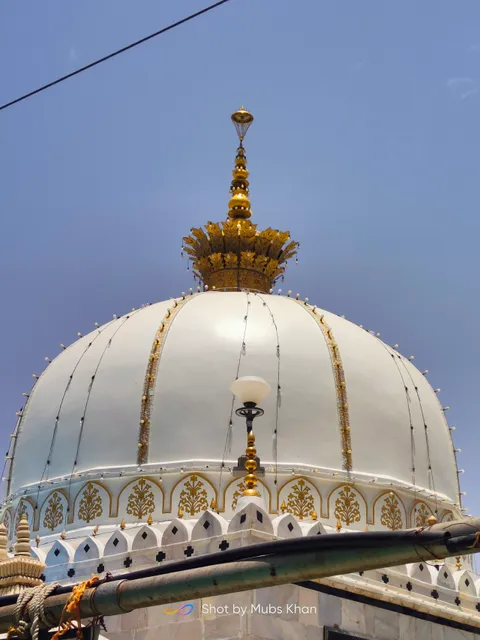
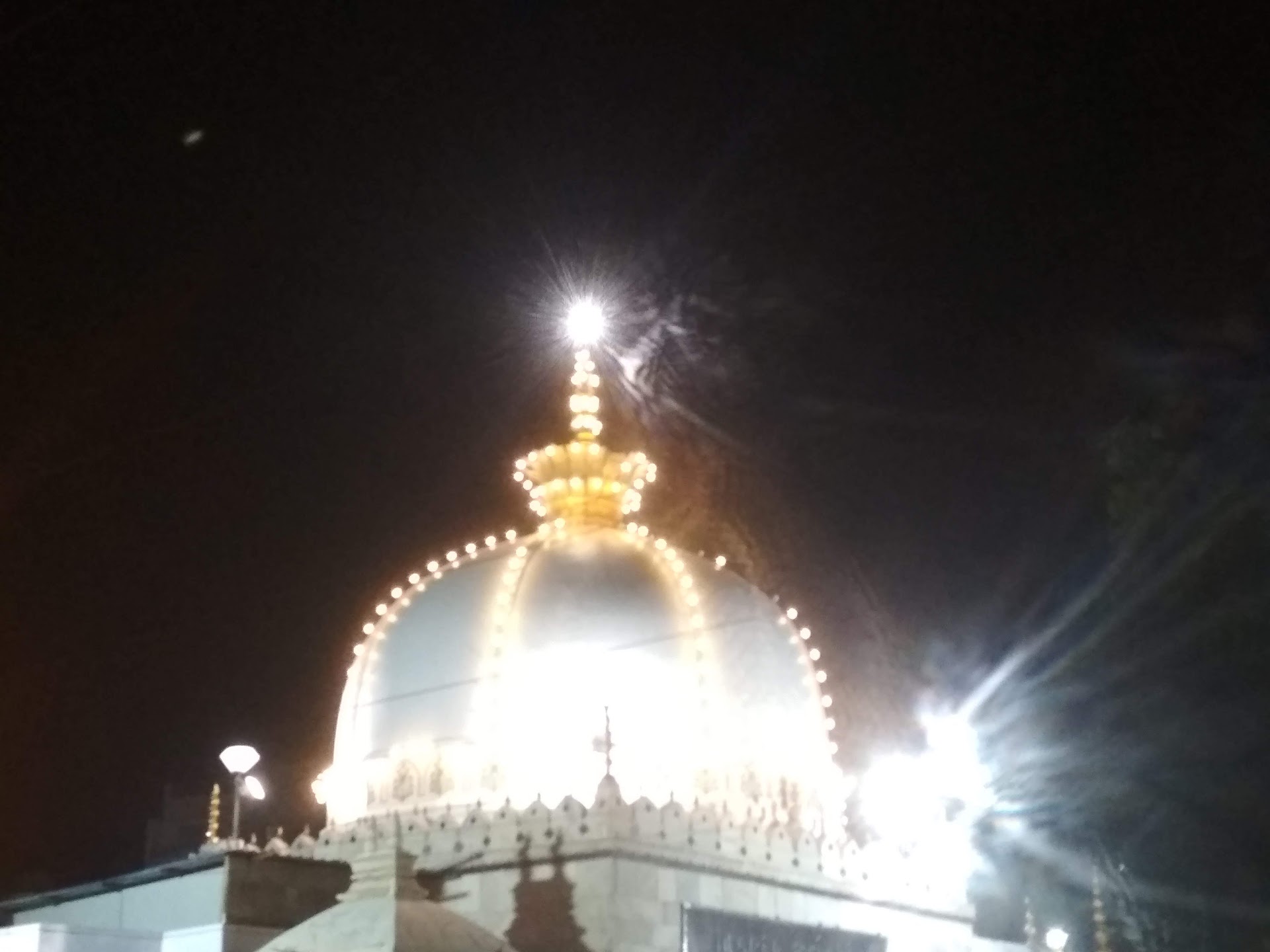
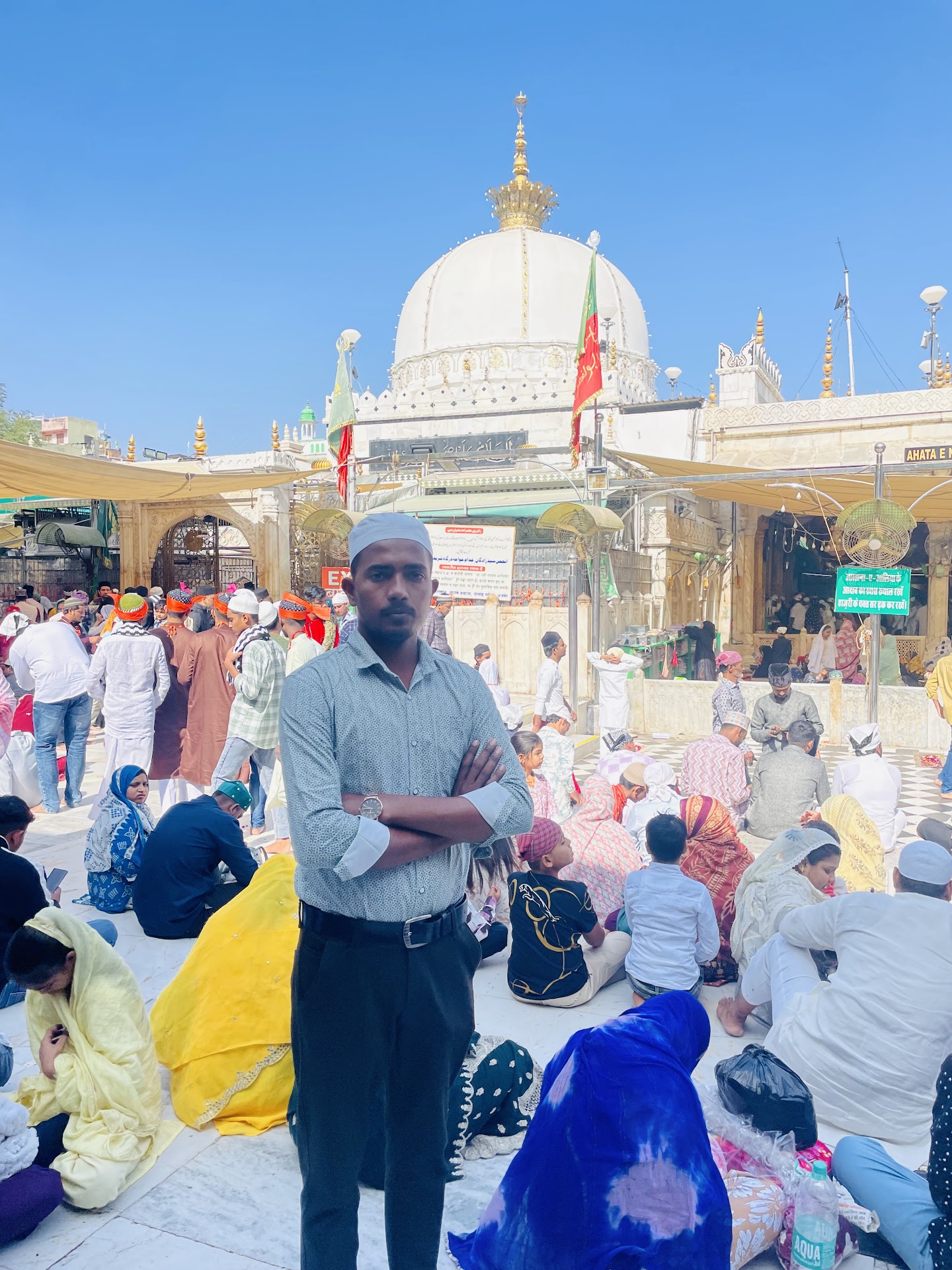
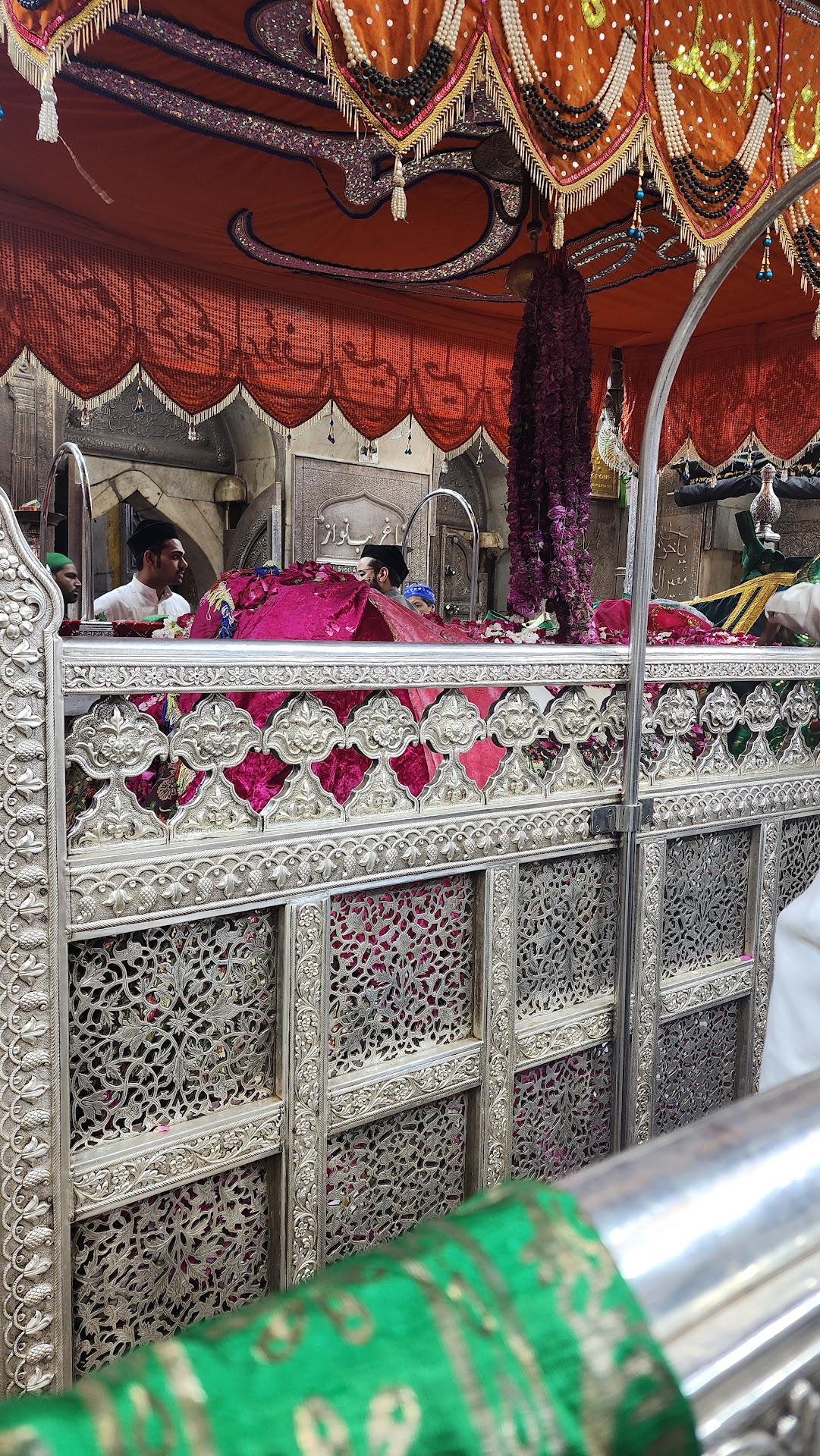
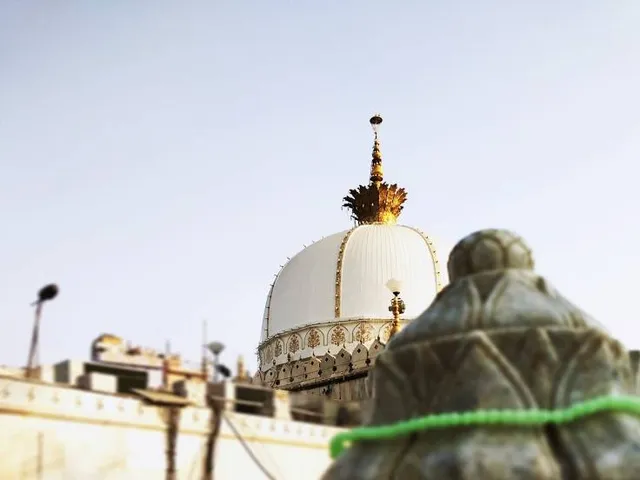
Ajmer Sharif Dargah is a Sufi Tomb of the Sufi saint, Khawaja Moinuddin Chishti, located at Ajmer Shareef, Rajasthan, India.
Nearby attractions
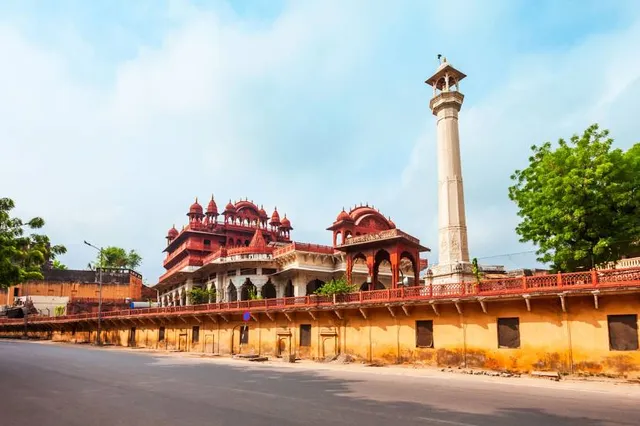
Akbari Masjid
FJ4H+Q35, Ander Kote Rd, Khadim Mohalla, Diggi Bazaar, Ajmer, Rajasthan 305001, India
Ajmer Fort
Naya Bazar, Naya Bazaar, Ajmer, Rajasthan 305001, India
Soni Ji Ki Nasiya Jain Temple
FJ8J+5MJ, Prithivi Raj Marg, Dumada, Dargah Bazar, Ajmer, Rajasthan 305001, India
Jharneshwar Mahadev
FJ2F+29F, Ander Kote Rd, Noor Colony, Indar Kot, Ajmer, Rajasthan 305001, India
Shahid Smarak
Shaheed Smarak, कवन्डसपुरा, Parao, Ajmer, Rajasthan 305001, India
Nearby restaurants
Garib Nawaz Restaurant
FJ4H+QF3, Diggi Bazaar, Ajmer, Rajasthan 305001, India
The Khadim's Restaurant
Nizam Gate, Phool Gali, Nala Bazar Rd, opp. Dargah, Ajmer, Rajasthan 305001, India
Zaffran Restaurant
Near Dargah Sharif Road connecting to Gate No. 4, Rajasthan 305001, India
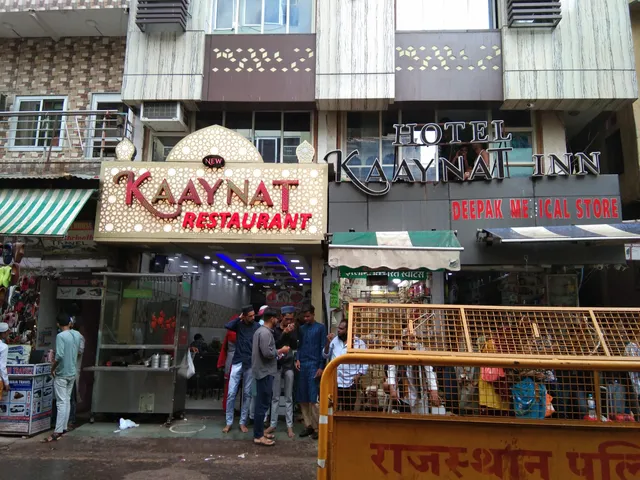
KAAYNAT RESTAURANT
Babul Gate No 2, KHADIM MOHALLA LANGAR KHANA Gali, Dargah Bazar Rd, dargah shareef, Diggi Bazaar, Ajmer, Rajasthan 305001, India
Momin Hotel & Restaurant
Langer Khana Gali, near Dargah Shareef, dargah shareef, Diggi Bazaar, Ajmer, Rajasthan 305001, India
Hotel barakath Kerala hotel
206/6, Sukhariya Nagar, Rajasthan 305001, India
Al-kaif Restaurant Ajmer
Pannigram Chowk, near Sanjari Medical, Diggi Bazaar, Ajmer, Rajasthan 305001, India
Ibrahim Hotel
01, Dargah Bazar, Ajmer, Rajasthan 305001, India
Pt. Badri Narayan Prasad Sweets Pvt. Ltd.
Opp. Nizam Gate, Dargah Bazar, Dhan Mandi, Ajmer, Rajasthan 305001, India
Shankar Chaat
4, Gol Payau, Naya Bazar, Ajmer, Rajasthan 305001, India
Nearby hotels
Zia house
Contact for Ziaraat (Darshan, Zia house, opposite gate no 4, Khadim Mohalla, Dargah Sharif, Diggi Bazaar, Ajmer, Rajasthan 305001, India
Hotel ATA Inn And Restaurant
Nala Bazar Rd, dargah shareef, Near, Diggi Bazaar, Ajmer, Rajasthan 305001, India
Hotel Madni Royale - Best Affordable Hotel Near Ajmer Dargah
Dargah Bazar Rd, opp. Jain Pandal, Lakhan Kothri, Ajmer, Rajasthan 305001, India
Hotel Raahat Palace Ajmer
Nala Bazar, Nala Bazar Rd, near Main Market, dargah shareef, Dargah Bazar, Ajmer, Rajasthan 305001, India
Hotel Shri Shivam Palace
FJ4H+WJ3, Nala Bazar Rd, Dargah Bazar, Ajmer, Rajasthan 305001, India
HOTEL ALISHAAN AJMER
Dargah Bazar, Ajmer, Rajasthan 305001, India
Hotel AL TOWHEED
Solah khamba tripoliya gate, Tripolia MAsjid, dargah shareef, Ajmer, Rajasthan 305001, India
Hotel Sukoon
116, Dargah Bazar Rd, opp. Sukoon Hotel, Dargah Bazar, Ajmer, Rajasthan 305001, India
Hotel Kaaynat Mahal Ajmer
Near Dargah Phool Gali, Nala Bazar Rd, Ajmer, Rajasthan 305001, India
HOTEL KANISHKA INN
Moti, Patti Katla Rd, Dargah Bazar, Ajmer, Rajasthan 305001, India
Related posts
Keywords
Khwaja Gharib Nawaz Dargah Sharif tourism.Khwaja Gharib Nawaz Dargah Sharif hotels.Khwaja Gharib Nawaz Dargah Sharif bed and breakfast. flights to Khwaja Gharib Nawaz Dargah Sharif.Khwaja Gharib Nawaz Dargah Sharif attractions.Khwaja Gharib Nawaz Dargah Sharif restaurants.Khwaja Gharib Nawaz Dargah Sharif travel.Khwaja Gharib Nawaz Dargah Sharif travel guide.Khwaja Gharib Nawaz Dargah Sharif travel blog.Khwaja Gharib Nawaz Dargah Sharif pictures.Khwaja Gharib Nawaz Dargah Sharif photos.Khwaja Gharib Nawaz Dargah Sharif travel tips.Khwaja Gharib Nawaz Dargah Sharif maps.Khwaja Gharib Nawaz Dargah Sharif things to do.
Khwaja Gharib Nawaz Dargah Sharif things to do, attractions, restaurants, events info and trip planning
Khwaja Gharib Nawaz Dargah Sharif
IndiaRajasthanAjmerKhwaja Gharib Nawaz Dargah Sharif

Basic Info

Khwaja Gharib Nawaz Dargah Sharif

Faiz Manzil, 111, Khadim Mohalla, dargah shareef, Nathwan Shah, Ajmer, Rajasthan 305001, India
4.6(14.7K)
Open 24 hours
Save
spot

Ratings & Description

Info

Ajmer Sharif Dargah is a Sufi Tomb of the Sufi saint, Khawaja Moinuddin Chishti, located at Ajmer Shareef, Rajasthan, India.

Cultural
Family friendly
attractions: Akbari Masjid, Ajmer Fort, Soni Ji Ki Nasiya Jain Temple, Jharneshwar Mahadev, Shahid Smarak, restaurants: Garib Nawaz Restaurant, The Khadim's Restaurant, Zaffran Restaurant, KAAYNAT RESTAURANT, Momin Hotel & Restaurant, Hotel barakath Kerala hotel, Al-kaif Restaurant Ajmer, Ibrahim Hotel, Pt. Badri Narayan Prasad Sweets Pvt. Ltd., Shankar Chaat
logoLearn more insights from Wanderboat AI.
Phone
+91 88753 00786
Website
khawajagharibnawaz.com

Plan your stay

hotel
Pet-friendly Hotels in Ajmer
Find a cozy hotel nearby and make it a full experience.

hotel
Affordable Hotels in Ajmer
Find a cozy hotel nearby and make it a full experience.

hotel
The Coolest Hotels You Haven't Heard Of (Yet)
Find a cozy hotel nearby and make it a full experience.

hotel
Trending Stays Worth the Hype in Ajmer
Find a cozy hotel nearby and make it a full experience.

Reviews

Nearby attractions of Khwaja Gharib Nawaz Dargah Sharif

Akbari Masjid

Ajmer Fort

Soni Ji Ki Nasiya Jain Temple

Jharneshwar Mahadev
Shahid Smarak

Akbari Masjid

Akbari Masjid

4.6

(284)

Open until 8:30 PM
Click for details
Ajmer Fort

Ajmer Fort

4.3

(1.7K)

Open 24 hours
Click for details
Soni Ji Ki Nasiya Jain Temple

Soni Ji Ki Nasiya Jain Temple

4.5

(1.9K)

Closed
Click for details
Jharneshwar Mahadev

Jharneshwar Mahadev

4.6

(113)

Open 24 hours
Click for details

Things to do nearby

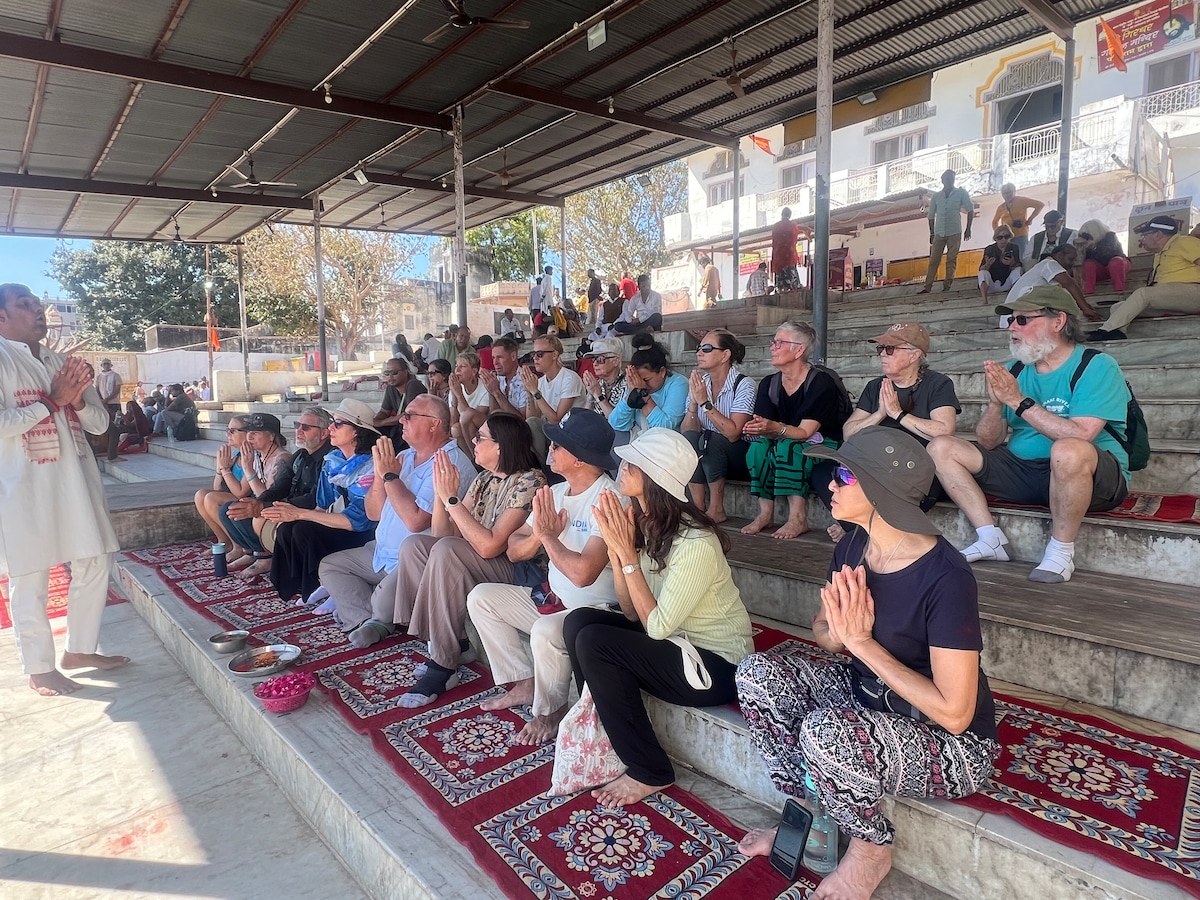
Spiritual Walking Tour - The Pushkar Route
Sat, Dec 6 • 10:00 AM
Pushkar, Rajasthan, 305022, India
View details

Nearby restaurants of Khwaja Gharib Nawaz Dargah Sharif

Garib Nawaz Restaurant

The Khadim's Restaurant

Zaffran Restaurant

KAAYNAT RESTAURANT

Momin Hotel & Restaurant

Hotel barakath Kerala hotel

Al-kaif Restaurant Ajmer

Ibrahim Hotel

Pt. Badri Narayan Prasad Sweets Pvt. Ltd.

Shankar Chaat

Garib Nawaz Restaurant

Garib Nawaz Restaurant

3.9

(131)

Click for details
The Khadim's Restaurant

The Khadim's Restaurant

4.6

(174)

$$

Click for details
Zaffran Restaurant

Zaffran Restaurant

3.9

(187)

Click for details
KAAYNAT RESTAURANT

KAAYNAT RESTAURANT

3.4

(88)

Click for details
Get the Appoverlay
Get the AppOne tap to find yournext favorite spots!
Wanderboat LogoWanderboat

Your everyday Al companion for getaway ideas

CompanyAbout Us
InformationAI Trip PlannerSitemap
SocialXInstagramTiktokLinkedin
LegalTerms of ServicePrivacy Policy

Get the app

© 2025 Wanderboat. All rights reserved.
logo

Reviews of Khwaja Gharib Nawaz Dargah Sharif

4.6
(14,669)
avatar
5.0
5y

Asalam alaikum every one , situated in the heart of ajmer,at the dargah of khaja Gareeb Nawaz rh ,all difference s of cast,creed & religion surrender to love n peace,To escape from the frantic city life.people from all walks visit KGN dargah to seek solace.it is here one will find peace & tranquility.filled in every ones heart n love for one of the greatest Sufi saint of india. Chishtī Muʿīn al-Dīn Ḥasan Sijzī (1142–1236 CE), known more commonly as Muʿīn al-Dīn Chishtī or Moinuddin Chishti6] or Khwājā Ghareeb Nawaz, or reverently as a Shaykh Muʿīn al-Dīn or Muʿīn al-Dīn or Khwājā Muʿīn al-Dīn ( In Urdu خواجہ معین الدین چشتی المعروف خواجہ غریب نواز ) by Muslims of the Indian subcontinent, was a Persian Muslim[3] preacher,[6] ascetic, religious scholar, philosopher, and mystic from Sistan,[6] who eventually ended up settling in the Indian subcontinent in the early 13th-century, where he promulgated the famous Chishtiyya order of Sunni mysticism.] This particular tariqa (order) became the dominant Muslim spiritual group in medieval India and many of the most beloved and venerated Indian Sunni saints[49] were Chishti in their affiliation, including Nizamuddin Awliya (d. 1325) and Amir Khusrow (d. 1325).[6] As such, Muʿīn al-Dīn Chishtī's legacy rests primarily on his having been "one of the most outstanding figures in the annals of Islamic mysticism."[2] Teacher:usmane harooni Students

Qutbuddin Bakhtiar Kaki. Muḥammad Mubārak al-ʿAlavī al-Kirmānī,[6] Ḥāmid b. Faḍlallāh Jamālī,[6] ʿAbd al-Ḥaqq Muḥaddith Dihlavī,[6] Ḥamīd al-Dīn Ṣūfī Nāgawrī,[7] Fakhr al-Dīn Chishtī,[7] and virtually all subsequent mystics of the Chishtiyya order

Although little is known of Muʿīn al-Dīn Chishtī's early life, it is probable that he travelled from Sistan to India to seek refuge from the increasing prevalence of Mongol military action in central Asia at that point in time.[6] Having arrived in Delhi during the reign of the sultan Iltutmish (d. 1236), Muʿīn al-Dīn moved from Delhi to Ajmer shortly thereafter, at which point he became increasingly influenced by the writings of the famous Sunni Hanbali scholar and mystic ʿAbdallāh Anṣārī (d. 1088), whose famous work on the lives of the early Islamic saints, the Ṭabāqāt al-ṣūfiyya, may have played a role in shaping Muʿīn al-Dīn's worldview.[6] It was during his time in Ajmer that Muʿīn al-Dīn acquired the reputation of being a charismatic and compassionate spiritual preacher and teacher; and biographical accounts of his life written after his death report that he received the gifts of many "spiritual marvels (karāmāt), such as miraculous travel, clairvoyance, and visions of angels"[6 in these years of his life. Muʿīn al-Dīn seems to have been unanimously regarded as a great saint after his passing.[6] Born in 1142 in Sistan, Muʿīn al-Dīn Chishtī was a teenager when his father, Sayyid G̲h̲iyāt̲h̲ al-Dīn (d. c. 1155), died,[2] with the latter leaving his grinding mill and orchard to his son.[2] His father, Ghayasuddin, and mother, Bibi Ummalwara (alias Bibi Mahe-Noor), were the descendants of Ali, through his sons Hassan and Hussain.[15] He lost both his parents at an early age of sixteen years.[15] Although he was initially hoping to continue his father's business,[2] the Mongol conquests in the region seem to have "turned his mind inwards,"[2] whence he soon began to develop strong contemplative and mystic tendencies in his personal piety.[2] Soon after, Muʿīn al-Dīn gave away all of his financial assets, and began a life of destitute itineracy, wandering in search of knowledge and wisdom throughout the neighbouring quarters of the Islamic world. Ilahi taab ado qurshido maahi Chiraaag e Chistiya...

   Read more
avatar
5.0
1y

The Khwaja Gareeb Nawaz Dargah, located in Ajmer, Rajasthan, is one of the most revered spiritual sites in India. It is the shrine of Khwaja Moinuddin Chishti, a 12th-century Sufi saint who is widely respected for his teachings of love, tolerance, and devotion to God. The Dargah, also known as the Ajmer Sharif Dargah, attracts millions of devotees from across the world, regardless of their religion or background, due to its reputation as a place of peace, healing, and spiritual solace.

Key Highlights of the Dargah:

Spiritual Significance: The Dargah is a symbol of unity, peace, and harmony. People from all walks of life, including Muslims, Hindus, Sikhs, and others, visit to seek blessings, offer prayers, and fulfill wishes. The saint’s teachings emphasize selflessness, devotion, and the importance of helping others, particularly the poor and downtrodden (as reflected in the name "Gareeb Nawaz," meaning "the benefactor of the poor").

Architecture: The Dargah complex is a beautiful blend of Mughal and Rajput architecture. It features a stunning marble tomb, an intricately designed entrance, and large courtyards. The main shrine is housed in a spacious and serene environment, and the complex includes various other structures, such as a mosque and a large prayer hall.

Atmosphere: The atmosphere around the shrine is deeply spiritual, with the sounds of qawwali (traditional Sufi music) filling the air, creating a profound and peaceful ambiance. The energy of the place is uplifting, drawing in visitors who often describe a sense of calm and emotional release during their visit.

The Spiritual Experience: Devotees often visit the shrine to make offerings (such as flowers, candles, and chadar), which is believed to bring blessings and fulfillment of desires. It is common for people to offer prayers for health, prosperity, and peace of mind. The rituals, while deeply rooted in Islamic traditions, are open to all, making it an inclusive and welcoming site.

Surrounding Area: The Dargah is located in a vibrant part of Ajmer, surrounded by markets selling various local handicrafts, sweets, and religious items. The bustling lanes, though crowded, add to the charm and cultural richness of the place.

Best Time to Visit: The shrine is open year-round, but it attracts the largest crowds during the annual Urs festival, which commemorates the death anniversary of Khwaja Moinuddin Chishti. The festival is marked by special prayers, rituals, and performances of qawwali music, drawing thousands of devotees from around the world.

Conclusion:

The Khwaja Gareeb Nawaz Dargah in Ajmer is not just a religious site; it's a place of universal appeal, attracting people for its profound spirituality, rich history, and messages of love and humanity. Whether you are seeking peace, healing, or simply a connection with something greater, the Dargah offers a truly transformative experience. It's a must-visit for anyone traveling to Rajasthan, especially for those interested in Sufi culture...

   Read more
avatar
5.0
6y

Located about 2 kms away from the main Ajmer Railway Station, the Ajmer Sharif Dargah is a popular holy place in Ajmer. At the foot of the prestigious Taragarh Hill is this shrine located, which attracts pilgrims from various places across the country. It contains several buildings made of white marbles around the two courtyards and also includes a massive gate that is donated by the Nizam of Hyderabad and even the Akbari Mosque which was constructed by the prestigious Mughal Emperor named Shah Jahan.

The Nizam Gate at the entrance is the main gate to the shrine which is followed by the Shahjahani Gate. Following this gate is the Buland Darwaza upon which the ‘urs’ flag is hoisted to mark the beginning of Moinuddin Chishti’s death anniversary rituals. The ‘urs’ for the Sufi saint Moinuddin Chishti is celebrated every year on the 6th and 7th days of the Rajab. Dewan Syed Zainul Abedin is the present Spiritual Head of the shrine of Ajmer Dargah. He is the direct descendant of Khawaja Moinuddin Chishti in the 22nd generation. Till date, around 150,000 pilgrims visit the dargah every single day as a mark of their gratitude towards the holy shrine.

Apart from the dargah, you can also visit the Nasiyan Temple in Ajmer which is believed to be its Golden Temple. This two-story temple is a beautiful creation that is decorated beautifully with precious stones amidst pure gold and silver. You can also go on camel rides on the sands of Pushkar to explore the place in a much better way.

Interesting facts about Ajmer Dargah

When Hazrat Khawaja Moinuddin Chishti was ruling the place, Dargah was the main source of water. One of the monuments inside the dargah known as the Jahalra was the primary source of water. Even today, it is used for all the rituals that were performed within the premises of the dargah.

Out of all the residents, Muhammad Bin Tughluq was the first person to visit the prestigious Dargah Sharif of the Hazrat Khawaja Moinuddin Chishty Ajmeri in the year 1332.

Devotional singers in the Ajmer Sharif’s hall dedicate qawwalis praising Allah after the namaaz is offered. This practice happens in the mehfil-e-same inside the Dargah.

Long ago, a water carrier named Nizam Sikka had saved the life of the Mughal Emperor Humayun. As a token of gratitude, he was permitted to rule the Mughal Empire for an entire day. Till date, the tomb of Nizam Sikka exists within the Dargah Sharif.

Inside the Dargah, a significant amount of food is prepared during the night and distributed to the public in the form of tabarruk. Tabarruk means a blessing which is given after the morning prayers.

Over 33 Quranic verses alongside the 99 sacred names of Allah have been beautifully inscribed on the Jama Masjid, which is a treat...

   Read more
Page 1 of 7
Previous
Next

Posts

Syed Rahmath AliSyed Rahmath Ali
Asalam alaikum every one , situated in the heart of ajmer,at the dargah of khaja Gareeb Nawaz rh ,all difference s of cast,creed & religion surrender to love n peace,To escape from the frantic city life.people from all walks visit KGN dargah to seek solace.it is here one will find peace & tranquility.filled in every ones heart n love for one of the greatest Sufi saint of india. Chishtī Muʿīn al-Dīn Ḥasan Sijzī (1142–1236 CE), known more commonly as Muʿīn al-Dīn Chishtī or Moinuddin Chishti[6] or Khwājā Ghareeb Nawaz, or reverently as a Shaykh Muʿīn al-Dīn or Muʿīn al-Dīn or Khwājā Muʿīn al-Dīn ( In Urdu خواجہ معین الدین چشتی المعروف خواجہ غریب نواز ) by Muslims of the Indian subcontinent, was a Persian Muslim[3] preacher,[6] ascetic, religious scholar, philosopher, and mystic from Sistan,[6] who eventually ended up settling in the Indian subcontinent in the early 13th-century, where he promulgated the famous Chishtiyya order of Sunni mysticism.] This particular tariqa (order) became the dominant Muslim spiritual group in medieval India and many of the most beloved and venerated Indian Sunni saints[4][8][9] were Chishti in their affiliation, including Nizamuddin Awliya (d. 1325) and Amir Khusrow (d. 1325).[6] As such, Muʿīn al-Dīn Chishtī's legacy rests primarily on his having been "one of the most outstanding figures in the annals of Islamic mysticism."[2] Teacher:usmane harooni Students Qutbuddin Bakhtiar Kaki. Muḥammad Mubārak al-ʿAlavī al-Kirmānī,[6] Ḥāmid b. Faḍlallāh Jamālī,[6] ʿAbd al-Ḥaqq Muḥaddith Dihlavī,[6] Ḥamīd al-Dīn Ṣūfī Nāgawrī,[7] Fakhr al-Dīn Chishtī,[7] and virtually all subsequent mystics of the Chishtiyya order Although little is known of Muʿīn al-Dīn Chishtī's early life, it is probable that he travelled from Sistan to India to seek refuge from the increasing prevalence of Mongol military action in central Asia at that point in time.[6] Having arrived in Delhi during the reign of the sultan Iltutmish (d. 1236), Muʿīn al-Dīn moved from Delhi to Ajmer shortly thereafter, at which point he became increasingly influenced by the writings of the famous Sunni Hanbali scholar and mystic ʿAbdallāh Anṣārī (d. 1088), whose famous work on the lives of the early Islamic saints, the Ṭabāqāt al-ṣūfiyya, may have played a role in shaping Muʿīn al-Dīn's worldview.[6] It was during his time in Ajmer that Muʿīn al-Dīn acquired the reputation of being a charismatic and compassionate spiritual preacher and teacher; and biographical accounts of his life written after his death report that he received the gifts of many "spiritual marvels (karāmāt), such as miraculous travel, clairvoyance, and visions of angels"[6][14] in these years of his life. Muʿīn al-Dīn seems to have been unanimously regarded as a great saint after his passing.[6] Born in 1142 in Sistan, Muʿīn al-Dīn Chishtī was a teenager when his father, Sayyid G̲h̲iyāt̲h̲ al-Dīn (d. c. 1155), died,[2] with the latter leaving his grinding mill and orchard to his son.[2] His father, Ghayasuddin, and mother, Bibi Ummalwara (alias Bibi Mahe-Noor), were the descendants of Ali, through his sons Hassan and Hussain.[15] He lost both his parents at an early age of sixteen years.[15] Although he was initially hoping to continue his father's business,[2] the Mongol conquests in the region seem to have "turned his mind inwards,"[2] whence he soon began to develop strong contemplative and mystic tendencies in his personal piety.[2] Soon after, Muʿīn al-Dīn gave away all of his financial assets, and began a life of destitute itineracy, wandering in search of knowledge and wisdom throughout the neighbouring quarters of the Islamic world. Ilahi taab ado qurshido maahi Chiraaag e Chistiya Ra raushnayi
Taukeer khanTaukeer khan
The **Khwaja Gareeb Nawaz Dargah**, located in **Ajmer**, Rajasthan, is one of the most revered spiritual sites in India. It is the shrine of **Khwaja Moinuddin Chishti**, a 12th-century Sufi saint who is widely respected for his teachings of love, tolerance, and devotion to God. The Dargah, also known as the **Ajmer Sharif Dargah**, attracts millions of devotees from across the world, regardless of their religion or background, due to its reputation as a place of peace, healing, and spiritual solace. ### Key Highlights of the Dargah: 1. **Spiritual Significance**: The Dargah is a symbol of unity, peace, and harmony. People from all walks of life, including Muslims, Hindus, Sikhs, and others, visit to seek blessings, offer prayers, and fulfill wishes. The saint’s teachings emphasize selflessness, devotion, and the importance of helping others, particularly the poor and downtrodden (as reflected in the name "Gareeb Nawaz," meaning "the benefactor of the poor"). 2. **Architecture**: The Dargah complex is a beautiful blend of Mughal and Rajput architecture. It features a stunning marble tomb, an intricately designed entrance, and large courtyards. The main shrine is housed in a spacious and serene environment, and the complex includes various other structures, such as a mosque and a large prayer hall. 3. **Atmosphere**: The atmosphere around the shrine is deeply spiritual, with the sounds of **qawwali** (traditional Sufi music) filling the air, creating a profound and peaceful ambiance. The energy of the place is uplifting, drawing in visitors who often describe a sense of calm and emotional release during their visit. 4. **The Spiritual Experience**: Devotees often visit the shrine to make offerings (such as flowers, candles, and chadar), which is believed to bring blessings and fulfillment of desires. It is common for people to offer prayers for health, prosperity, and peace of mind. The rituals, while deeply rooted in Islamic traditions, are open to all, making it an inclusive and welcoming site. 5. **Surrounding Area**: The Dargah is located in a vibrant part of Ajmer, surrounded by markets selling various local handicrafts, sweets, and religious items. The bustling lanes, though crowded, add to the charm and cultural richness of the place. 6. **Best Time to Visit**: The shrine is open year-round, but it attracts the largest crowds during the annual **Urs festival**, which commemorates the death anniversary of Khwaja Moinuddin Chishti. The festival is marked by special prayers, rituals, and performances of qawwali music, drawing thousands of devotees from around the world. ### Conclusion: The **Khwaja Gareeb Nawaz Dargah** in Ajmer is not just a religious site; it's a place of universal appeal, attracting people for its profound spirituality, rich history, and messages of love and humanity. Whether you are seeking peace, healing, or simply a connection with something greater, the Dargah offers a truly transformative experience. It's a must-visit for anyone traveling to Rajasthan, especially for those interested in Sufi culture and history.
Farooque KhanFarooque Khan
Located about 2 kms away from the main Ajmer Railway Station, the Ajmer Sharif Dargah is a popular holy place in Ajmer. At the foot of the prestigious Taragarh Hill is this shrine located, which attracts pilgrims from various places across the country. It contains several buildings made of white marbles around the two courtyards and also includes a massive gate that is donated by the Nizam of Hyderabad and even the Akbari Mosque which was constructed by the prestigious Mughal Emperor named Shah Jahan. The Nizam Gate at the entrance is the main gate to the shrine which is followed by the Shahjahani Gate. Following this gate is the Buland Darwaza upon which the ‘urs’ flag is hoisted to mark the beginning of Moinuddin Chishti’s death anniversary rituals. The ‘urs’ for the Sufi saint Moinuddin Chishti is celebrated every year on the 6th and 7th days of the Rajab. Dewan Syed Zainul Abedin is the present Spiritual Head of the shrine of Ajmer Dargah. He is the direct descendant of Khawaja Moinuddin Chishti in the 22nd generation. Till date, around 150,000 pilgrims visit the dargah every single day as a mark of their gratitude towards the holy shrine. Apart from the dargah, you can also visit the Nasiyan Temple in Ajmer which is believed to be its Golden Temple. This two-story temple is a beautiful creation that is decorated beautifully with precious stones amidst pure gold and silver. You can also go on camel rides on the sands of Pushkar to explore the place in a much better way. Interesting facts about Ajmer Dargah When Hazrat Khawaja Moinuddin Chishti was ruling the place, Dargah was the main source of water. One of the monuments inside the dargah known as the Jahalra was the primary source of water. Even today, it is used for all the rituals that were performed within the premises of the dargah. Out of all the residents, Muhammad Bin Tughluq was the first person to visit the prestigious Dargah Sharif of the Hazrat Khawaja Moinuddin Chishty Ajmeri in the year 1332. Devotional singers in the Ajmer Sharif’s hall dedicate qawwalis praising Allah after the namaaz is offered. This practice happens in the mehfil-e-same inside the Dargah. Long ago, a water carrier named Nizam Sikka had saved the life of the Mughal Emperor Humayun. As a token of gratitude, he was permitted to rule the Mughal Empire for an entire day. Till date, the tomb of Nizam Sikka exists within the Dargah Sharif. Inside the Dargah, a significant amount of food is prepared during the night and distributed to the public in the form of tabarruk. Tabarruk means a blessing which is given after the morning prayers. Over 33 Quranic verses alongside the 99 sacred names of Allah have been beautifully inscribed on the Jama Masjid, which is a treat to the eyes.
See more posts
See more posts
hotel
Find your stay

Pet-friendly Hotels in Ajmer

Find a cozy hotel nearby and make it a full experience.

Asalam alaikum every one , situated in the heart of ajmer,at the dargah of khaja Gareeb Nawaz rh ,all difference s of cast,creed & religion surrender to love n peace,To escape from the frantic city life.people from all walks visit KGN dargah to seek solace.it is here one will find peace & tranquility.filled in every ones heart n love for one of the greatest Sufi saint of india. Chishtī Muʿīn al-Dīn Ḥasan Sijzī (1142–1236 CE), known more commonly as Muʿīn al-Dīn Chishtī or Moinuddin Chishti[6] or Khwājā Ghareeb Nawaz, or reverently as a Shaykh Muʿīn al-Dīn or Muʿīn al-Dīn or Khwājā Muʿīn al-Dīn ( In Urdu خواجہ معین الدین چشتی المعروف خواجہ غریب نواز ) by Muslims of the Indian subcontinent, was a Persian Muslim[3] preacher,[6] ascetic, religious scholar, philosopher, and mystic from Sistan,[6] who eventually ended up settling in the Indian subcontinent in the early 13th-century, where he promulgated the famous Chishtiyya order of Sunni mysticism.] This particular tariqa (order) became the dominant Muslim spiritual group in medieval India and many of the most beloved and venerated Indian Sunni saints[4][8][9] were Chishti in their affiliation, including Nizamuddin Awliya (d. 1325) and Amir Khusrow (d. 1325).[6] As such, Muʿīn al-Dīn Chishtī's legacy rests primarily on his having been "one of the most outstanding figures in the annals of Islamic mysticism."[2] Teacher:usmane harooni Students Qutbuddin Bakhtiar Kaki. Muḥammad Mubārak al-ʿAlavī al-Kirmānī,[6] Ḥāmid b. Faḍlallāh Jamālī,[6] ʿAbd al-Ḥaqq Muḥaddith Dihlavī,[6] Ḥamīd al-Dīn Ṣūfī Nāgawrī,[7] Fakhr al-Dīn Chishtī,[7] and virtually all subsequent mystics of the Chishtiyya order Although little is known of Muʿīn al-Dīn Chishtī's early life, it is probable that he travelled from Sistan to India to seek refuge from the increasing prevalence of Mongol military action in central Asia at that point in time.[6] Having arrived in Delhi during the reign of the sultan Iltutmish (d. 1236), Muʿīn al-Dīn moved from Delhi to Ajmer shortly thereafter, at which point he became increasingly influenced by the writings of the famous Sunni Hanbali scholar and mystic ʿAbdallāh Anṣārī (d. 1088), whose famous work on the lives of the early Islamic saints, the Ṭabāqāt al-ṣūfiyya, may have played a role in shaping Muʿīn al-Dīn's worldview.[6] It was during his time in Ajmer that Muʿīn al-Dīn acquired the reputation of being a charismatic and compassionate spiritual preacher and teacher; and biographical accounts of his life written after his death report that he received the gifts of many "spiritual marvels (karāmāt), such as miraculous travel, clairvoyance, and visions of angels"[6][14] in these years of his life. Muʿīn al-Dīn seems to have been unanimously regarded as a great saint after his passing.[6] Born in 1142 in Sistan, Muʿīn al-Dīn Chishtī was a teenager when his father, Sayyid G̲h̲iyāt̲h̲ al-Dīn (d. c. 1155), died,[2] with the latter leaving his grinding mill and orchard to his son.[2] His father, Ghayasuddin, and mother, Bibi Ummalwara (alias Bibi Mahe-Noor), were the descendants of Ali, through his sons Hassan and Hussain.[15] He lost both his parents at an early age of sixteen years.[15] Although he was initially hoping to continue his father's business,[2] the Mongol conquests in the region seem to have "turned his mind inwards,"[2] whence he soon began to develop strong contemplative and mystic tendencies in his personal piety.[2] Soon after, Muʿīn al-Dīn gave away all of his financial assets, and began a life of destitute itineracy, wandering in search of knowledge and wisdom throughout the neighbouring quarters of the Islamic world. Ilahi taab ado qurshido maahi Chiraaag e Chistiya Ra raushnayi
Syed Rahmath Ali

Syed Rahmath Ali

hotel
Find your stay

Affordable Hotels in Ajmer

Find a cozy hotel nearby and make it a full experience.

Get the Appoverlay
Get the AppOne tap to find yournext favorite spots!
The **Khwaja Gareeb Nawaz Dargah**, located in **Ajmer**, Rajasthan, is one of the most revered spiritual sites in India. It is the shrine of **Khwaja Moinuddin Chishti**, a 12th-century Sufi saint who is widely respected for his teachings of love, tolerance, and devotion to God. The Dargah, also known as the **Ajmer Sharif Dargah**, attracts millions of devotees from across the world, regardless of their religion or background, due to its reputation as a place of peace, healing, and spiritual solace. ### Key Highlights of the Dargah: 1. **Spiritual Significance**: The Dargah is a symbol of unity, peace, and harmony. People from all walks of life, including Muslims, Hindus, Sikhs, and others, visit to seek blessings, offer prayers, and fulfill wishes. The saint’s teachings emphasize selflessness, devotion, and the importance of helping others, particularly the poor and downtrodden (as reflected in the name "Gareeb Nawaz," meaning "the benefactor of the poor"). 2. **Architecture**: The Dargah complex is a beautiful blend of Mughal and Rajput architecture. It features a stunning marble tomb, an intricately designed entrance, and large courtyards. The main shrine is housed in a spacious and serene environment, and the complex includes various other structures, such as a mosque and a large prayer hall. 3. **Atmosphere**: The atmosphere around the shrine is deeply spiritual, with the sounds of **qawwali** (traditional Sufi music) filling the air, creating a profound and peaceful ambiance. The energy of the place is uplifting, drawing in visitors who often describe a sense of calm and emotional release during their visit. 4. **The Spiritual Experience**: Devotees often visit the shrine to make offerings (such as flowers, candles, and chadar), which is believed to bring blessings and fulfillment of desires. It is common for people to offer prayers for health, prosperity, and peace of mind. The rituals, while deeply rooted in Islamic traditions, are open to all, making it an inclusive and welcoming site. 5. **Surrounding Area**: The Dargah is located in a vibrant part of Ajmer, surrounded by markets selling various local handicrafts, sweets, and religious items. The bustling lanes, though crowded, add to the charm and cultural richness of the place. 6. **Best Time to Visit**: The shrine is open year-round, but it attracts the largest crowds during the annual **Urs festival**, which commemorates the death anniversary of Khwaja Moinuddin Chishti. The festival is marked by special prayers, rituals, and performances of qawwali music, drawing thousands of devotees from around the world. ### Conclusion: The **Khwaja Gareeb Nawaz Dargah** in Ajmer is not just a religious site; it's a place of universal appeal, attracting people for its profound spirituality, rich history, and messages of love and humanity. Whether you are seeking peace, healing, or simply a connection with something greater, the Dargah offers a truly transformative experience. It's a must-visit for anyone traveling to Rajasthan, especially for those interested in Sufi culture and history.
Taukeer khan

Taukeer khan

hotel
Find your stay

The Coolest Hotels You Haven't Heard Of (Yet)

Find a cozy hotel nearby and make it a full experience.

hotel
Find your stay

Trending Stays Worth the Hype in Ajmer

Find a cozy hotel nearby and make it a full experience.

Located about 2 kms away from the main Ajmer Railway Station, the Ajmer Sharif Dargah is a popular holy place in Ajmer. At the foot of the prestigious Taragarh Hill is this shrine located, which attracts pilgrims from various places across the country. It contains several buildings made of white marbles around the two courtyards and also includes a massive gate that is donated by the Nizam of Hyderabad and even the Akbari Mosque which was constructed by the prestigious Mughal Emperor named Shah Jahan. The Nizam Gate at the entrance is the main gate to the shrine which is followed by the Shahjahani Gate. Following this gate is the Buland Darwaza upon which the ‘urs’ flag is hoisted to mark the beginning of Moinuddin Chishti’s death anniversary rituals. The ‘urs’ for the Sufi saint Moinuddin Chishti is celebrated every year on the 6th and 7th days of the Rajab. Dewan Syed Zainul Abedin is the present Spiritual Head of the shrine of Ajmer Dargah. He is the direct descendant of Khawaja Moinuddin Chishti in the 22nd generation. Till date, around 150,000 pilgrims visit the dargah every single day as a mark of their gratitude towards the holy shrine. Apart from the dargah, you can also visit the Nasiyan Temple in Ajmer which is believed to be its Golden Temple. This two-story temple is a beautiful creation that is decorated beautifully with precious stones amidst pure gold and silver. You can also go on camel rides on the sands of Pushkar to explore the place in a much better way. Interesting facts about Ajmer Dargah When Hazrat Khawaja Moinuddin Chishti was ruling the place, Dargah was the main source of water. One of the monuments inside the dargah known as the Jahalra was the primary source of water. Even today, it is used for all the rituals that were performed within the premises of the dargah. Out of all the residents, Muhammad Bin Tughluq was the first person to visit the prestigious Dargah Sharif of the Hazrat Khawaja Moinuddin Chishty Ajmeri in the year 1332. Devotional singers in the Ajmer Sharif’s hall dedicate qawwalis praising Allah after the namaaz is offered. This practice happens in the mehfil-e-same inside the Dargah. Long ago, a water carrier named Nizam Sikka had saved the life of the Mughal Emperor Humayun. As a token of gratitude, he was permitted to rule the Mughal Empire for an entire day. Till date, the tomb of Nizam Sikka exists within the Dargah Sharif. Inside the Dargah, a significant amount of food is prepared during the night and distributed to the public in the form of tabarruk. Tabarruk means a blessing which is given after the morning prayers. Over 33 Quranic verses alongside the 99 sacred names of Allah have been beautifully inscribed on the Jama Masjid, which is a treat to the eyes.
Farooque Khan

Farooque Khan

See more posts
See more posts