Ajmer Fort, also known as Taragarh Fort, is a magnificent historical fortress situated in the city of Ajmer, Rajasthan. It is one of the oldest and most strategically significant forts in India, perched atop the steep Nagpahari (Star Hill) at a height of about 800 feet. The fort sits 2,855 feet above sea level and overlooks the city of Ajmer and the surrounding Aravalli hills, providing an imposing view of the region.
The fort's construction dates back to around 1100 AD and is attributed to King Ajaypal Chauhan of the Chauhan dynasty. It was originally called Ajaymeru Durg, meaning "Invincible Fort," signifying its importance as a stronghold for the rulers of the Chauhan clan. The fort witnessed several historic battles and sieges, notably during the medieval conflicts between Rajput rulers and invading forces, including the first Islamic attack in 724 AD during the reign of Chauhan King Durlabhraj I.
Known for its formidable defenses, Taragarh Fort was renowned for its massive walls—about 20 feet thick and equally high—running for nearly three kilometers in circumference. The fort complex includes 14 bastions, numerous gates such as Lakshmi Pol, Phuta Darwaza, and Gagudi ki Phatak, and extensive water reservoir systems that ensured a steady supply of water during sieges. One of its largest bastions, the Bhim Burj, housed a giant cannon called Garbh Gunjam, or "Thunder from the Womb," underscoring its military significance.
Throughout history, Taragarh Fort served as a key military base for the Chauhans and later for subsequent regimes, including the Mughals. After the celebrated Battle of Khanwa in 1527, where Rana Sanga of Mewar was defeated by Babur (the founder of the Mughal Empire), the fort came under Mughal control. It subsequently played an important role as an administrative center for the Mughal province of Ajmer.
Architecturally, the fort is a blend of robust Rajput military design with Mughal influences seen in some later additions. The use of large stones, strong fortifications, and breathtaking vantage points combined with artistic details such as intricately carved gates exhibits the craftsmanship of the era. The fort also houses a shrine dedicated to Miran Saheb, a Muslim saint who was killed during a Rajput attack in 1202 CE, reflecting the region’s diverse cultural history.
In the British colonial era, the fort lost its military prominence and was converted into a sanatorium for troops. Today, it stands partially in ruins but remains one of Ajmer’s most popular historic landmarks. The fort offers visitors panoramic views of the city below and the sweeping Aravalli range, making it a favored spot for sightseeing and historical exploration.
Visitors can reach Taragarh Fort by a steep climb or by jeep along winding mountain roads. The journey itself provides an immersive experience of rugged terrain mixed with extraordinary views. Inside the fort, visitors can explore the remnants of battlements, ancient gates, water tanks, and historic sites. Ajmer Fort or Taragarh Fort is a remarkable testament to Rajput valor, medieval military architecture, and the layered history of Rajasthan. Its formidable presence atop the hill, rich historical narratives, and architectural grandeur offer an insightful window into India’s past and the enduring legacy of its warrior kings. Visiting the fort is not only a walk through history but also an appreciation of the resilience and strategic genius of its...
Read moreDuring my recent visit to Ajmer, Rajasthan, I had the pleasure of stepping back in time and immersing myself in the historical grandeur of Ajmer Fort. Nestled atop the Taragarh Hill, this impressive fort has witnessed the rise and fall of empires, and it stands today as a testament to the region's rich history. In this realistic review blog, I will share my personal experiences and insights gained from exploring the captivating Ajmer Fort.
Architectural Marvel: Ajmer Fort is a true architectural marvel, boasting a blend of Rajput and Mughal architectural styles. As I entered through the grand gate, I was greeted by magnificent structures, intricate carvings, and imposing walls that showcased the architectural prowess of the bygone era. The fort's design and layout reflect the strategic importance it held, with multiple layers of defense and commanding views of the surrounding landscape.
Historical Significance: Ajmer Fort holds significant historical importance as it served as a stronghold for various dynasties, including the Chauhans, Mughals, and Marathas. Exploring its walls and chambers, I felt a deep connection to the past, imagining the stories of battles, conquests, and the lives of those who inhabited the fort. The fort serves as a window into the region's rich history, offering glimpses into the power struggles and cultural exchanges that shaped the land.
Stunning Views: Perched atop Taragarh Hill, Ajmer Fort offers breathtaking panoramic views of the city of Ajmer and its surroundings. As I climbed higher within the fort, the vista expanded, revealing the picturesque Aravalli Mountains, the bustling cityscape, and the tranquil Ana Sagar Lake. The stunning views from the fort provided a captivating backdrop, allowing me to appreciate the natural beauty and historical significance of the region.
Intriguing Architecture: Within Ajmer Fort, I discovered a range of fascinating architectural elements. From the grand palace halls adorned with delicate frescoes and mirror work to the intricately carved temples dedicated to Hindu deities, every corner of the fort held surprises. The blend of architectural styles and the attention to detail in the design elements showcased the artistic brilliance of the craftsmen of that era.
Cultural Heritage: Ajmer Fort is not just a historical monument; it is a living testament to the region's cultural heritage. The fort continues to host cultural events and exhibitions that celebrate the art, music, and traditions of Rajasthan. During my visit, I had the opportunity to witness traditional performances, admire local artwork, and engage with the local community, which added a vibrant and immersive dimension to my experience.
Conclusion: Exploring Ajmer Fort is a journey through time, immersing visitors in the rich history and architectural grandeur of Rajasthan. Its awe-inspiring architecture, historical significance, stunning views, intriguing details, and vibrant cultural heritage make it a must-visit destination for history enthusiasts and cultural explorers. Ajmer Fort stands as a testament to the region's glorious past and serves as a reminder of the legacies left behind by the dynasties that once ruled this land. A visit to Ajmer Fort is a mesmerizing experience that connects you to the splendor of the past and leaves you with a deeper appreciation for the heritage and cultural tapestry of this...
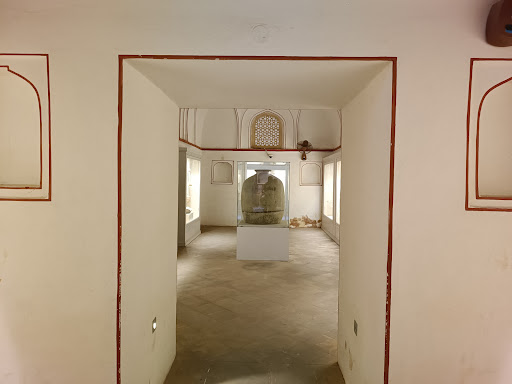
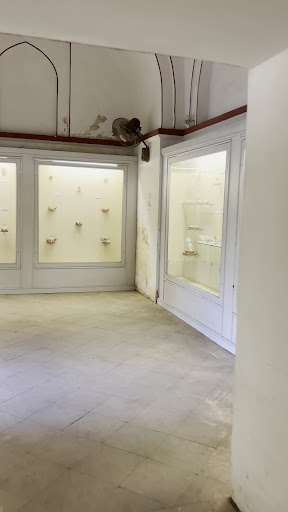
Read moreThe Government Museum in Ajmer, located within the historic Akbari Fort, is a treasure trove of history that sadly falls short in how it's presented. Built by Emperor Akbar in the 16th century, the fort once served as a royal residence during his visits to Ajmer. With its simple yet elegant Mughal architecture, the fort stands as a silent witness to centuries of history.
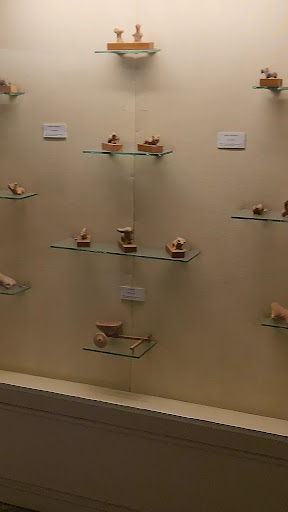
Now functioning as a state museum, it houses a diverse collection of excavated sculptures, ancient idols, inscriptions, and traditional weaponry. While the artifacts are undeniably valuable, the museum’s curation lacks context and depth. Several stone inscriptions in ancient Sanskrit and other Indian languages are left untranslated, offering no explanation of their historical significance. Similarly, idols and relics are displayed without any tags, dates, or background information—leaving visitors to interpret them blindly.
The armory section, with its impressive array of swords, daggers, shields, and arrows, grabs attention but fails to educate. There's no detail on the era, purpose, or historical background of the weapons. Each item feels disconnected, robbing visitors of a chance to truly engage with the heritage.
Essential Information:
Entry Fee: ₹55 (₹50 online) Visit Duration: 1.5 to 2 hours Parking: Paid, available Staff: Polite and cooperative Washroom: Not available
Despite these shortcomings, the museum is still a worthwhile visit—especially for those drawn to architecture, history, or quiet reflection. The fort offers a peaceful setting and a glimpse into the Mughal era, with panoramic views that add to the experience.
However, to truly become a center of cultural education, the Archaeological Department must step up. Proper translations, informative labels, and historical context are essential. Without them, the museum risks becoming just a room full of unidentified artifacts instead of a place where history comes alive.
A must-visit for history enthusiasts, but the museum urgently needs improved interpretation and better presentation to unlock its...
Read more