If you want to truly understand the Andaman & Nicobar Islands beyond just their scenic beaches, a visit to Naval Marine Museum Samudrika is a must. Maintained by the Indian Navy, this museum in Port Blair is a fascinating blend of marine biodiversity, tribal history, and island ecology, offering a well-rounded perspective of the archipelago.
What to Expect Inside the Museum The museum is divided into five sections, each showcasing a different aspect of Andaman’s rich heritage:
✔️ Marine Life Exhibit – The highlight of the museum, this section displays a stunning variety of corals, seashells, and marine species found in the waters around Andaman. The collection is diverse, featuring rare species that give you a glimpse of the incredible underwater world of the region.
✔️ Tribal & Cultural History – A fascinating section that sheds light on the indigenous tribes of Andaman, including the Great Andamanese, Onge, Jarwa, and Sentinelese. Their way of life, traditions, and the efforts to preserve their culture are well-documented through photographs, models, and artifacts.
✔️ Geography & Ecology – This section educates visitors about the volcanic origins of the Andaman Islands, the tectonic movements that formed them, and their fragile ecosystem. It’s an eye-opener on why conservation efforts are crucial for these islands.
✔️ Naval History & Role in Andaman – As a museum maintained by the Indian Navy, this part showcases the Navy’s presence in Andaman and its role in maritime security. There are models of naval ships, historical photographs, and details about the strategic importance of Andaman in India’s defense.
✔️ Shell & Coral Collection – A mesmerizing display of vibrant and unique corals and shells found in the region. Some of these corals are rare and protected, making this an educational experience about the island’s marine wealth and conservation needs.
Why You Should Visit? ✅ Perfect for Nature & History Enthusiasts – Whether you love marine life or history, the museum offers an insightful experience. ✅ Well-Maintained & Informative – The museum is neatly organized with detailed explanations, making it easy to understand even for first-time visitors. ✅ Great for Families & Kids – If you’re traveling with kids, they will love the marine exhibits and the engaging information about ocean life. ✅ Short & Crisp Visit – The museum is not too large, and you can comfortably explore it within 45 minutes to an hour.
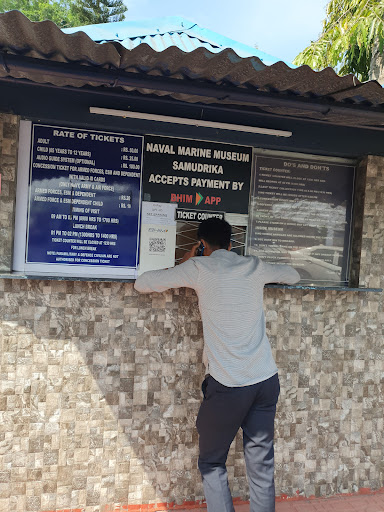
Things to Keep in Mind ✔️ The entry fee is minimal, making it a budget-friendly experience. ✔️ Photography is restricted inside, so respect the rules. ✔️ The museum is closed on Mondays, so plan accordingly. ✔️ It is located near the Andaman Teal House, making it convenient to club with other...
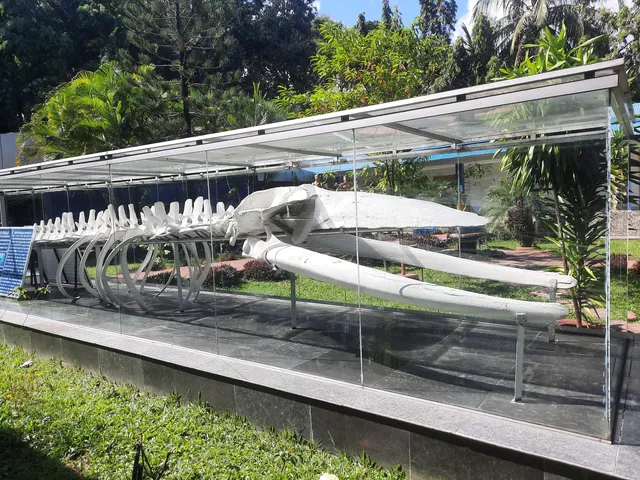
Read moreSamudrika Naval Marine Museum is a famous tourist destination in Andaman. This museum is maintained by Indian Navy and it is focused on creating general awareness about the marine life and the ocean of the region. The displays and exhibits of the museum represent the history of Andaman Island and people of the region, archaeology, marine life, and general information of the land. The term Samudrika means Samudra, which means sea. The museum also has collection of corals, sculptures related to marine life, and much more. The exhibits in the museum provide information about the sensitive eco-system that we live in, the oceanic life, culture, and much more. The museum is located in Port Blair, closer to Andaman Teal House, on Haddo road. The museum has five sections of exhibits. There are five rooms in the museum and exhibits in each room are as follows Room One This room has exhibits regarding the tribal culture, volcanoes of the region, wood species found in the island, insects, and types of forest in the area. Room Two This room is called Aqua Room, as it holds exhibits related to the marine wealth of the land. This room holds numerous exhibits of undersea world like stone fish, parrot fish, and others in a large aquarium. Room Three This is called Coral Room. This room has an extensive collection of corals, most of which are extraordinary in structure. Room Four This is called Display Room. This is the room for sea shell collection. Room Five This is called Tribal Room. This room has numerous exhibits explaining the tribal lifestyle of the region. Right outside the museum, there is a large blue whale skeleton. This skeleton came from the shores of Nicobar Islands There is a tribal souvenir shop (gift shop) inside the museum, where you can buy souvenirs of Tribal art work, artificial artifacts, knick-knacks, and others.. Entry fee for adults – INR 50 The museum is open from Tuesday to Sunday. Timing : 9 am – 1 pm and...
Read more"A bountiful treasure trove dedicated to Andaman and Nicobar Archipelago"
The Indian Navy has always been remarkably professional and thoughtful in corroborating their museums. Sumadrika is an exceptional exhibit because of the sheer amount of content and pipelined presentation.
I bought the audio tour option at the entrance and got a wired headset with a small ipod like device which had 76 files stored in it.
In the first room, I learned about the making of Andaman and Nicobar "necklace" islands and their flora and fauna. Then about Great Andamanese, Onge, Jarawa, Sinhalese and other sects of native tribal people and their turf islands and subtle cultural differences
An hour and a half flew by as I heard and saw through the dense and vivid orientation containing various infographic panels, a wall long volcano painting, some historical portraits, two miniature aquariums, followed by three rooms of shells and corals.
And these shells and corals were a real delight. Oyesters, Shankhs, and Australian Clam shells and Table, Staghorn, and Brain corals made me realise that the landscape beneath the sea is alive, colourful and unfathomable.
In the fish zones, I cheered the antics of live 🐠🐟🐡s, sea urchins, cat fishes, anchovies, and most intriguingly stone fishes that camouflage as, you guessed it, stones on eye contact and move in your blind spot.
The grand finale was the second last room. There beside the jumbo sized Tridacna Coral, were three shells of HawkBill Turtles on the wall. The story of youngest turtle told in first person narrative was something special. I appreciated the tribute this museum left to these large turtles.
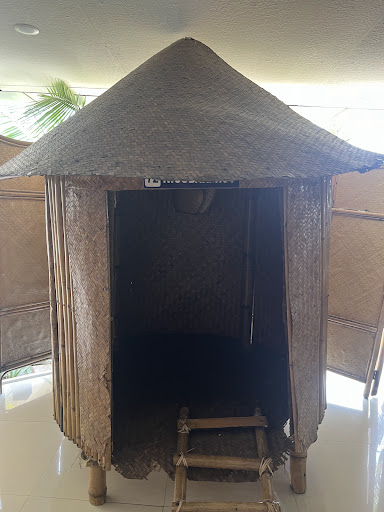
Outside the rooms the wonders continued to grow even bigger with a replica of Nicobari hut and then an exoskeleton of blue whale at selfie point.
Highly...
Read more