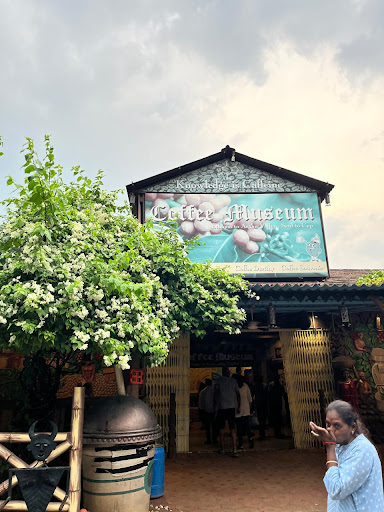
The Coffee Museum at Araku Valley is a truly unique experience, unlike any other museum in the country. As its name suggests, it is dedicated entirely to coffee and offers an in-depth look at the history and origin of this beloved beverage. The museum starts by taking visitors on a journey through time, explaining how coffee was discovered and its evolution across different cultures. From its humble beginnings in Ethiopia to its widespread cultivation in India, the displays are both informative and engaging. For those who are passionate about coffee, it’s a treat to learn about the variety of ways in which coffee is grown, harvested, and processed across India and the globe.
One of the highlights of the museum is its section on the different types of coffee beans found in various regions. Here, you’ll learn how the geography, climate, and soil affect the taste and quality of the beans, and what makes Indian coffee, especially from the Araku Valley, so unique. The museum also showcases traditional coffee-making methods from centuries past, with various artifacts on display. These old brewing devices and grinding tools from medieval times allow visitors to appreciate how far coffee-making has come. What adds to the experience is the thoughtful signage throughout the museum. Every exhibit is well-documented, with detailed descriptions in both English and the local language, providing a clear understanding of the historical significance of each installation.
The museum isn’t just a place to learn; it’s a sensory experience. Once you’ve taken in all the information, you’re greeted by a well-stocked shop that sells a wide variety of coffee-related products. From freshly ground coffee powders to delicious coffee chocolates and exotic spices, there’s something for every coffee enthusiast. One item you absolutely must try is the chocolate-covered espresso beans, which come in two versions: a 42% and a 72% dark chocolate variant. While the 42% is milder and more palatable for most, the 72% is for those who enjoy strong, bitter flavors. The shop is a great place to pick up souvenirs and gifts for friends and family, as the products here are unique to the region.
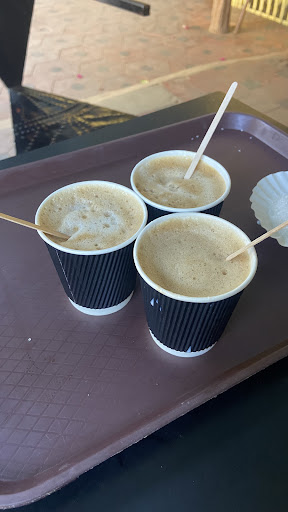
After browsing the shop, don’t miss out on visiting the café adjacent to the museum. Whether you’re in the mood for a piping hot cup of coffee or a refreshing cold brew, the café offers a variety of delicious drinks. The rich aroma of freshly brewed coffee fills the air, making it impossible to resist trying at least one of their specialties. Their drinks, whether hot or cold, are made from freshly roasted Araku coffee beans and offer a truly authentic flavor. This is the perfect spot to relax and rejuvenate after exploring the museum. If you’re feeling hungry, there’s also a snack counter just outside where you can grab a quick bite, including sandwiches, fries, and pizzas.
In summary, the Coffee Museum at Araku Valley is more than just a museum—it’s an immersive experience. From learning about the origins and history of coffee to shopping for unique coffee products, and finally enjoying a delicious coffee drink at the café, it has something for everyone. Whether you’re a coffee connoisseur or just someone looking for a fun and educational outing, this museum is a must-visit when in Araku Valley. The combination of history, culture, shopping, and refreshments makes it a perfect stop for tourists and...
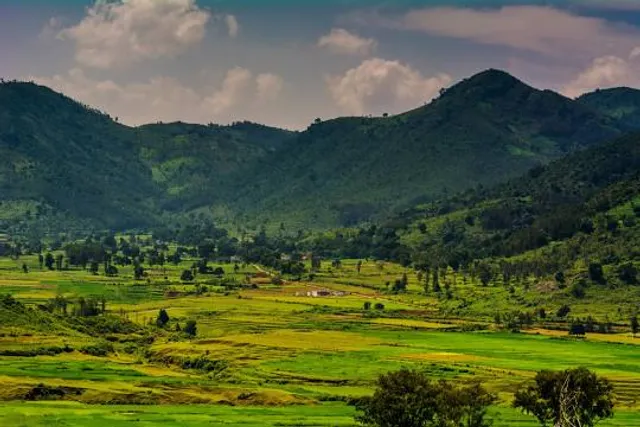
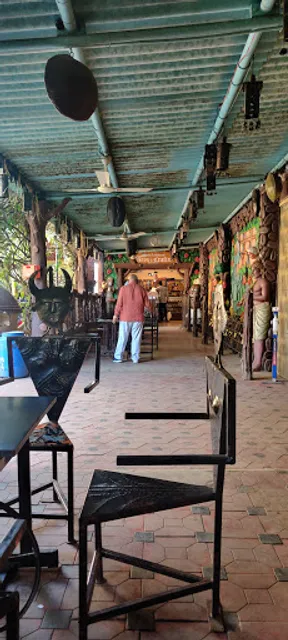
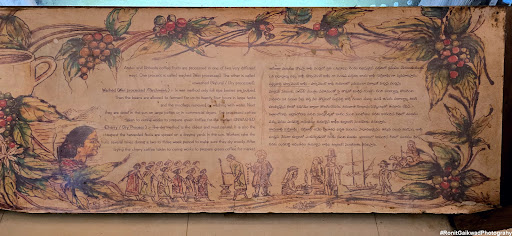
Read moreThe museum showcases various aspects of coffee production, from plantation to brewing, and educates visitors about the cultural significance of coffee in the area. the Araku Coffee House was set up by Prakash Rao, a migrant to the area. While the coffee house was first established as a catering business, it eventually expanded into a small museum tracing the history of coffee in the Araku Valley. The museum features tableaus with dolls depicting the processes involved in making coffee and the Sampoorna Coffee Gallery exhibits dioramas about the history of the bean. The murals also illustrate the journey of coffee from being berries to being ground and roasted and brewed in a cup. Established in 2006, the museum is now maintained by Rao’s sons Naresh Amelia, Santosh Kumar and Gopal Rao. The Valley, which is located in the Eastern Ghats of Andhra Pradesh, approximately 130 km away from the city of Visakhapatnam, was introduced to coffee plantations in 1898 by the British civil servant N.S. Brodie. Since this colonial genesis of the plantations in Andhra Pradesh, the Araku tribal coffee farmers have been engaged in the art of cultivating coffee.The interactive exhibits and demonstrations make it an engaging visit for coffee enthusiasts. Additionally, the museum often offers tastings of locally grown coffee, allowing visitors to savor the distinct flavors of Araku coffee. Overall, it's a fascinating stop to delve into the world of coffee amidst the picturesque setting of Araku Valley.The museum shows us the local history of the coffee plantation and the shop is filled with different treats made from coffee and of course coffee itself. The cafe there also serves a variety of both hot and cold coffees.This area near araku bus stand All veriety s of coffee evailable Inside the coffee musium chocolate musium different types of chocklets evailable Entry ticket 20 ₹
Here One can experience the evolution : How the coffee came to india and farmers started producing coffee plantations and made coffee out of it. Apart from that, this museum also have wide varieties of authentic original coffee made out of beans write in front of us and served, small stall for coffee chocolates and lollipops (additional cost), sitting option (tables for sit and eat) Tip : Try Arabic coffee & Ethinic Coffee lucikily when i Visited there was a small band team played music for 15 mins, i don't know it'll be all the time.Must try the chocolates made by coffee and also must try the work famous Araku coffee here. Also visit the hand made gifting items. Which are affordable in cost. Parking is available - enough parking no cost
Best' place Must...
Read moreI recently visited the so-called 'coffee museum,' and to be honest, it was a complete disappointment. Upon entering, I was expecting to immerse myself in the rich history and culture of coffee, but instead, I was met with a lackluster display of information and an overwhelming focus on sales.The exhibits were sparse, and there was hardly anything informative to read or learn about coffee. It felt more like a glorified coffee shop with a few random coffee-related artifacts scattered around.But what truly ruined the experience for me was the attitude of the staff, particularly when I tried to interact with them about the coffee beans. As a coffee enthusiast, I always like to smell the beans before making a purchase, as it helps me gauge the freshness and quality. However, when I politely asked if I could smell the beans before buying, the employee's response was shockingly rude.He flat-out refused, stating that simply being in the store and looking at the coffee beans inside the packaging should be enough for me. When I insisted, explaining that it's common practice for customers to smell the beans before purchasing, he became even more dismissive and condescending. He insisted that if I wanted to smell the beans, I would have to buy them first.Feeling frustrated and disrespected, I tried to reason with him, explaining that most coffee bean packets have a small opening for customers to sniff before making a decision. But my attempts to communicate were met with disdain, and I was ultimately left with two options: buy the beans or leave.This encounter left a sour taste in my mouth, both literally and figuratively. As someone who values quality and customer service, I was deeply disappointed by the lack of respect and understanding shown by the staff. It's a shame that what could have been a memorable and enjoyable experience turned into a frustrating and unpleasant ordeal.In conclusion, I would strongly advise against visiting this 'coffee museum' unless you're solely interested in purchasing overpriced coffee beans without the opportunity to assess their quality beforehand. Save your time and money for a more worthwhile coffee-related...
Read more