The Tribal Museum at Araku Valley is a fascinating cultural hub located just opposite the Coffee Museum. With an entry fee of INR 70 per person, it offers visitors a unique glimpse into the life and traditions of the local tribal communities. While there are additional adventure activities such as ziplining, rope cycling, and boating available for an extra fee, they don’t quite live up to the expectations. For instance, the manmade lake with a fountain, which is intended for boating, feels rather underwhelming due to its small size and the fact that the fountain was not functioning during our visit. The boating experience itself is brief and lacks excitement, making it a less valuable activity for the price. The zip line, though fun, only lasts around 15-20 seconds and comes at an extra cost of INR 200, which feels somewhat overpriced for such a short experience.
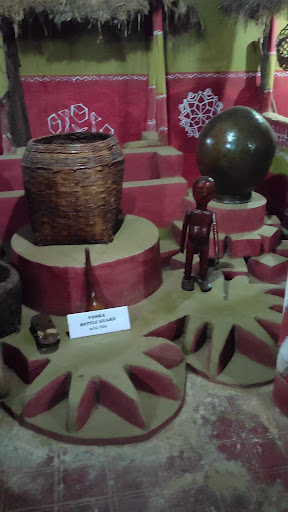
Despite the lackluster adventure activities, the real highlight of the Tribal Museum lies within its exhibits. The journey begins with a display of a traditional hut showcasing various agricultural tools and instruments used by the local tribal people. These include actual items like ploughs and wicker baskets, all arranged thoughtfully to provide visitors with an authentic look into tribal farming practices. The best part is the detailed descriptions accompanying each exhibit, explaining how these tools were used in daily life. This level of detail really adds an educational aspect to the museum, making it a perfect place for those interested in learning more about the tribal way of life.
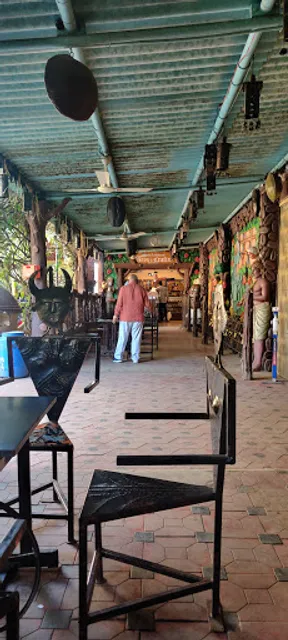
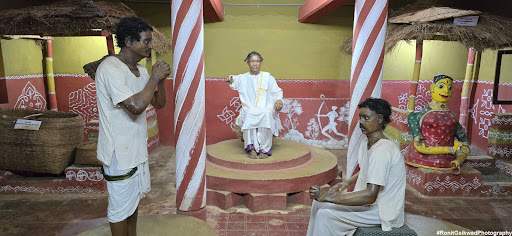
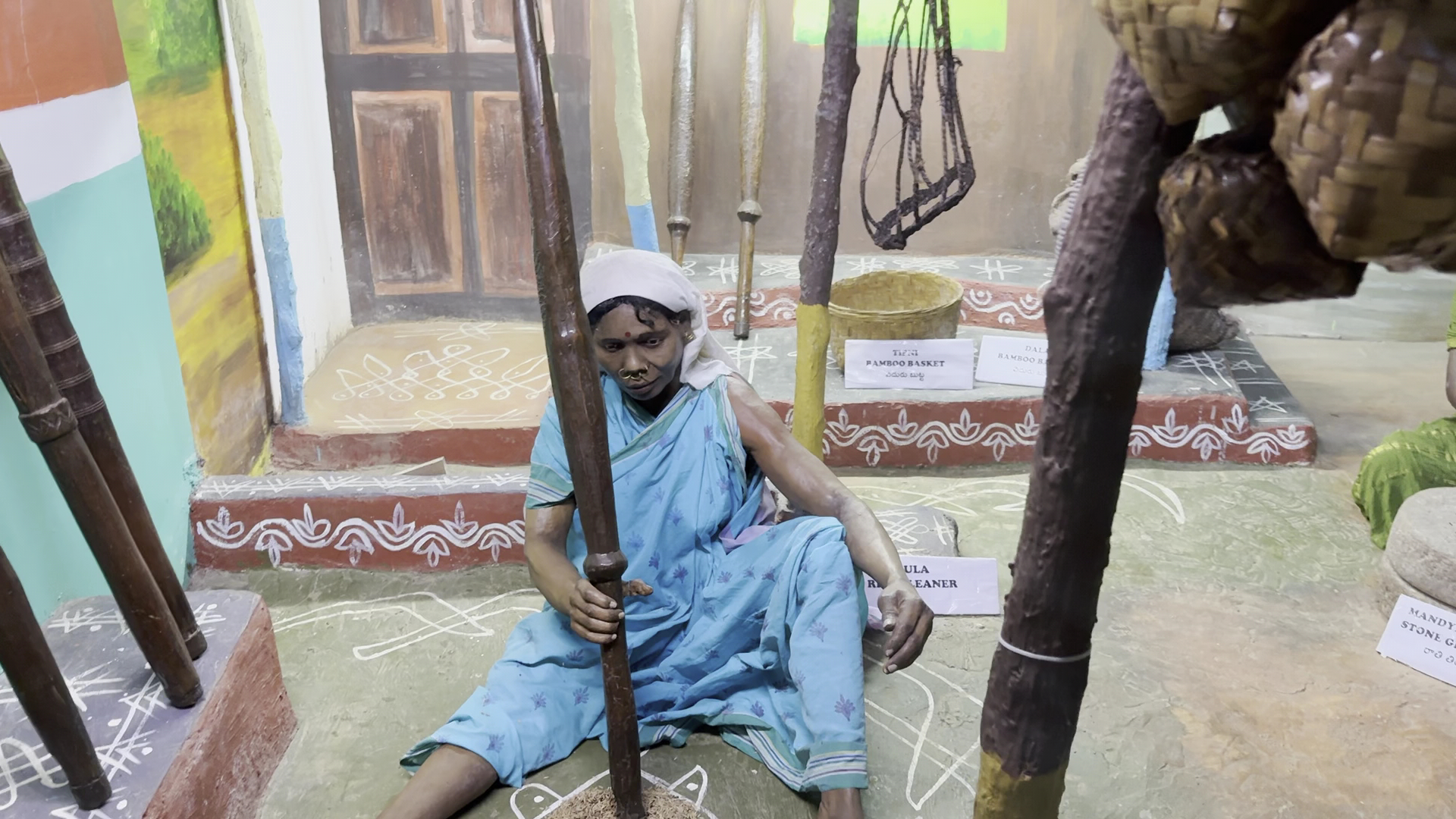
As you move further inside the museum, the experience becomes even more immersive. A dome-shaped structure houses life-sized models that depict the daily life, rituals, and traditions of the tribes. From kitchen setups to festival celebrations, every aspect of tribal life is meticulously recreated. The craftsmanship of the models is impressive, and the museum is well-maintained, providing visitors with a vivid representation of the tribal lifestyle. Every window offers a scene from tribal life, and next to these models, you'll find information boards that provide detailed explanations of each aspect in both English and the local language. These thoughtful touches make the museum not only a visual delight but also a deeply informative experience.
One of the most impressive parts of the museum is the attention to detail in depicting tribal festivals and rituals. Each exhibit offers a window into how the tribal communities celebrate their festivals, complete with life-sized models of people dressed in traditional attire. The accompanying descriptions are thorough and provide valuable context, making it easy to understand the significance of these celebrations in the tribal culture. This section of the museum truly stands out as it brings to life the vibrant cultural heritage of the tribes, something that is often overlooked in mainstream tourism.
In conclusion, while the adventure activities at the Tribal Museum could use some improvement, the museum itself is a must-visit for anyone interested in the rich cultural history of the tribal communities in Araku Valley. The exhibits are well-curated, informative, and provide a fascinating look into the daily life and traditions of the local tribes. For those who appreciate cultural tourism, the Tribal Museum offers an insightful and enriching experience, and it is highly recommended to make time for this on your visit to...
Read moreThe Tribal Museum in Araku Valley is a vibrant celebration of the region’s rich cultural heritage, offering visitors a captivating glimpse into the lives and traditions of the indigenous tribes. Nestled amidst the scenic beauty of Araku, the museum stands as a colorful tribute to the craftsmanship, history, and art of the local tribal communities.
The exhibits are beautifully curated, showcasing intricate tribal artifacts, traditional tools, musical instruments, and stunning handwoven textiles. Each display tells a story, weaving together the customs, rituals, and daily lives of the tribes. The life-sized tribal huts and dioramas add an immersive touch, making the experience feel authentic and enriching. The museum also features a small but charming section on tribal dance and folklore, bringing the vibrant culture alive for visitors.
The lush gardens surrounding the museum create a serene ambiance, making it an excellent spot for relaxation and photography. The local artisans selling handicrafts outside the museum provide an opportunity to take home unique souvenirs, while the tribal café nearby offers a taste of authentic regional flavors.
However, there is significant scope for improvement. A dedicated parking area would be a welcome addition, as the current lack of facilities can be inconvenient for visitors. Enhanced amenities such as shaded seating areas, guided tours, and interactive exhibits could elevate the experience and attract greater footfall.
Despite these shortcomings, the Tribal Museum is a treasure trove of cultural richness and a must-visit for those seeking to delve into the heritage of Araku’s tribes. It is not merely a museum but a bridge connecting modern visitors to the ancient traditions of the region. With a few thoughtful upgrades, it has the potential to become a truly iconic...
Read moreNice place,,, It is locate in Araku Valley, near Padmapura Botanical Gardens, the Tribal Museum was established in 1996 by the Andhra Pradesh Tourism Development Corporation. It was set up with the aim of conserving and displaying the tribal culture of the region. This museum offers an insightful glimpse into the lives, traditions, and art of the indigenous tribes of Andhra Pradesh. Araku tribal museum is a nice place of Araku which explores tribal culture of Eastern Ghats. Its a Art and craft museum which basically displays tribal life of the people who stays in Araku valley.
Visitors can explore artefacts, tools, and exhibits that highlight the cultural richness of the region. Location: Situated in the centre of Araku Valley, the Tribal Museum is a treasure trove of tribal artefacts and history. Entry fee: Entry fees are rupees 50 per adult.
By Train. You can also travel from Vizag to Araku Valley by train. The nearest stop is at Araku railway staition, which is only 1.7 km away from the center of the town. There are three other railway stations nearby – Araku Valley station, Shimiliguda, and Gorapur.
Vishakhapatnam, which is running between Vishakhapatnam to Araku and one has to get down at Borra Guhalu Station. This train will go through 58 Tunnels. In my view, the place is publicized in undeserving eulogies. Every tourist visiting Araku Valley area is curious to know about the marriage rituals of the tribals of this area, mostly belonging to Bagata, Konda Reddy and...
Read more