Konda Reddy Fort, Kurnool
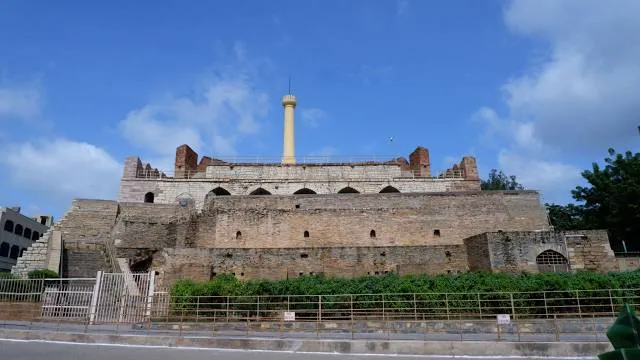
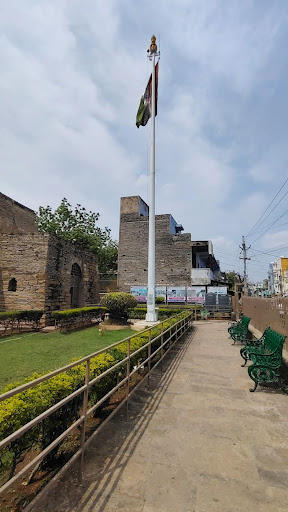
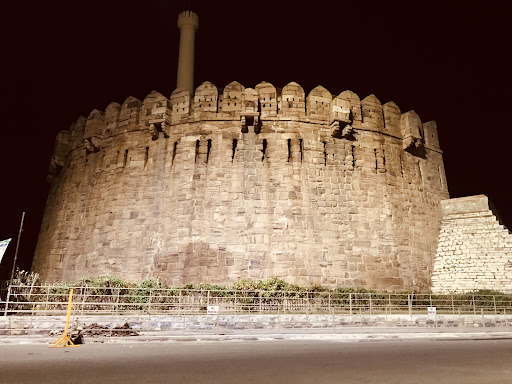
Konda Reddy Fort, also known as Kurnool Fort, is a historical monument situated in Kurnool, Andhra Pradesh. This fort is a symbol of the rich cultural heritage and history of the region, known for its unique architecture and its role in various historical events.
Key Highlights:
Architecture:
The fort showcases traditional Vijayanagara architectural style, with sturdy stone walls, bastions, and intricate carvings. The main entrance features a large arched gateway, with some parts still intact, reflecting the fort's past grandeur.
Significance:
The fort is named after the local chieftain, Konda Reddy, who is associated with the fort’s history. It served as a defensive stronghold and played a significant role during various historical conflicts in the Deccan region.
Structure:
The fort is known for its underground passages, which were strategically used for escape and warfare. It also has watchtowers that offer panoramic views of the surrounding landscape.
History:
Built By: Initially constructed by the rulers of the Vijayanagara Empire in the 16th century, the fort later came under the control of several dynasties, including the Qutb Shahi kings of Golconda and the Nawabs of Kurnool.
Konda Reddy’s Legend: The fort is named after Konda Reddy, a warrior chieftain who was imprisoned in the fort by the Golconda rulers. According to legend, Konda Reddy tried to escape from the fort using one of the secret tunnels but was caught and eventually executed. The fort thus became synonymous with his bravery and tragic end.
British Era: During the British colonial period, the fort lost its military significance but remained a symbol of regional pride and resistance.
Tourist Attractions:
Watchtowers: The watchtowers offer scenic views of Kurnool city and its surroundings, making it a popular spot for photography and sightseeing.
Underground Passages: These tunnels are a unique feature of the fort, believed to have been used for secretive movement of troops and supplies.
Granaries and Armories: Parts of the fort house old granaries and armories, which were used to store food and weapons during sieges.
Carvings and Inscriptions: The walls of the fort are adorned with various carvings and inscriptions in Telugu, showcasing the artistic skills of the period.
Journey Approaches:
By Road: Kurnool is well-connected by road, with regular bus services from major cities like Hyderabad, Bangalore, and Vijayawada. The fort is centrally located in Kurnool, easily accessible by auto-rickshaws and cabs.
By Train: The nearest railway station is Kurnool City Railway Station, which is about 2 km from the fort. From the station, you can hire an auto or a cab to reach the fort.
By Air: The nearest airport is Rajiv Gandhi International Airport in Hyderabad, about 210 km away. From the airport, you can take a bus or hire a cab to Kurnool.
Konda Reddy Fort stands as a testament to the region's rich history and offers a glimpse into the strategic and architectural brilliance of the past. It's a must-visit for history enthusiasts and those interested in exploring the heritage of...
Read moreThe Kurnool Fort is located in the heart of Kurnool and is one of the prominent landmarks of the town. It was believed to be built by Achyuta Devarayalu, belonging to Vijayanagar Empire and stands even today as the splendorous examples of the architecture of those times. Konda Reddy Buruju is a part of Kurnool Fort and also the only part left out of the magnificent fort.
There was a tunnel across the River Krishna to Alampur. You can see this tunnel even now. This was the prison where Konda Reddy had his last breath and hence the tower was named in his memory. The bastion is in the shape of a huge pillar and has two storeys. The first storey has an underground passage about 25kms long, which leads you to Alampur, a town in Mahbubnagar District.
Many treasure hunters tried to dig this through passage. Some were successful and the fate of others is not known. Recently after an attempt by a well known person of Kurnool to take the treasure, this passage is closed permanently. Reaching the highest point of the monument, you get the panoramic view of the city. The fort is now almost in a ruined state, with some of the portions still standing strong. One such ruined portion of the Kurnool Fort is the Erra Buruju, (Erra meaning Red and Buruju meaning Watch-tower ), built of red sand stone.
This Buruju was built by the Vijayanagara rulers and played a significant role for the successive dynasties who ruled the place. There are two small ancient temples at the foot of this Buruju dedicated to Goddess Yellamma. Pedda Yellamma Temple is on the south-eastern side while Chinna Yellamma Temple is on the north-eastern side. People still believe that there is some hidden treasure in Erra Buruju.
On the walls of this Erra Buruju, you can find some of the splendour symbols that were of historical importance. On the south eastern side of the wall, you can find a buffalo and Goddess Yellamma, on the eastern side of the wall you can find a mythical lion and a sheep (or a royal boar). On the north-eastern side of the wall you can see a rider on a royal elephant uprooting a tree that symbolises Lord Indra on Airavath (His vehicle) and kalpavriksham (the divine tree).
On the same wall you can also see images like snake engulfing a frog, a buffalo, pair of elephants, pair of spiders, monkey climbing the tree and a horse drawing a chariot. You can also see slight images of Sri Rama, Lakshmana and Goddess Sita. There is also an image of an elephant and a lion...
Read moreThe Kurnool Fort is located in the heart of Kurnool and is one of the prominent landmarks of the town. It was believed to be built by Achyuta Devarayalu, belonging to Vijayanagar Empire and stands even today as the splendorous examples of the architecture of those times. Konda Reddy Buruju is a part of Kurnool Fort and also the only part left out of the magnificent fort.
There was a tunnel across the River Krishna to Alampur. You can see this tunnel even now. This was the prison where Konda Reddy had his last breath and hence the tower was named in his memory. The bastion is in the shape of a huge pillar and has two storeys. The first storey has an underground passage about 25kms long, which leads you to Alampur, a town in Mahbubnagar District.
Many treasure hunters tried to dig this through passage. Some were successful and the fate of others is not known. Recently after an attempt by a well known person of Kurnool to take the treasure, this passage is closed permanently. Reaching the highest point of the monument, you get the panoramic view of the city. The fort is now almost in a ruined state, with some of the portions still standing strong. One such ruined portion of the Kurnool Fort is the Erra Buruju, (Erra meaning Red and Buruju meaning Watch-tower ), built of red sand stone.
This Buruju was built by the Vijayanagara rulers and played a significant role for the successive dynasties who ruled the place. There are two small ancient temples at the foot of this Buruju dedicated to Goddess Yellamma. Pedda Yellamma Temple is on the south-eastern side while Chinna Yellamma Temple is on the north-eastern side. People still believe that there is some hidden treasure in Erra Buruju.
On the walls of this Erra Buruju, you can find some of the splendour symbols that were of historical importance. On the south eastern side of the wall, you can find a buffalo and Goddess Yellamma, on the eastern side of the wall you can find a mythical lion and a sheep (or a royal boar). On the north-eastern side of the wall you can see a rider on a royal elephant uprooting a tree that symbolises Lord Indra on Airavath (His vehicle) and kalpavriksham (the...
Read more