Frequently asked questions (FAQs) about the Sri Padmavathi Ammavaru Temple in Tiruchanur:
What is the significance of the Sri Padmavathi Ammavaru Temple? The temple is dedicated to Goddess Padmavathi, the consort of Lord Venkateswara (Balaji). It holds great religious and historical importance, as it is believed that worshipping here brings prosperity, peace, and marital harmony.
Where is the Sri Padmavathi Ammavaru Temple located? Ans: The temple is located in Tiruchanur, a small town near Tirupati in the Chittoor district of Andhra Pradesh, India. It is approximately 5 kilometers away from the famous Sri Venkateswara Temple in Tirupati.
What is the best time to visit the Sri Padmavathi Ammavaru Temple? Ans: The best time to visit the temple is during the Padmavathi Brahmotsavam festival, which typically takes place in November or December. However, it can get crowded during peak pilgrimage seasons, so early morning or weekdays are ideal for a peaceful visit.
How do I reach the Sri Padmavathi Ammavaru Temple from Tirupati? Ans:The temple is just about 5 kilometers from Tirupati. You can reach it by taking a taxi, auto-rickshaw, or bus. There are also private transport options available.
What are the temple timings? Ans:The temple is generally open from 6:00 AM to 8:00 PM. The darshan (viewing of the deity) typically takes place in the morning and evening, but it’s recommended to check the exact timings on the day of your visit.
Are there any special rituals or poojas performed at the temple? Ans:Yes, the temple conducts various rituals and poojas, including the famous Kalyanotsavam (marriage ceremony) and the Padmavathi Brahmotsavam. Special darshans are also available for devotees, and regular rituals are performed with great devotion.
What facilities are available for devotees at the temple? Ans:The temple provides basic facilities such as drinking water, toilets, and prasadam counters. There are also nearby accommodation options for those who wish to stay longer and engage in spiritual activities.
8.Can I perform special prayers or poojas at the temple? Ans:Yes, devotees can perform special poojas, including the Kalyanotsavam (marriage ceremony) for couples. There are also options for offering special prayers for prosperity, marital harmony, and blessings.
Is there an entry fee to visit the temple? Ans: No, there is no entry fee to visit the temple. However, certain special darshans and rituals may have a nominal charge.
What is the dress code for visitors? Ans: Devotees are advised to wear traditional attire when visiting the temple. For men, this typically means wearing dhotis or pants with shirts, and for women, sarees or salwar kameez is preferred. Modest dress is recommended for all visitors.
These FAQs should help clarify some common questions about the Sri Padmavathi Ammavaru Temple and assist in...
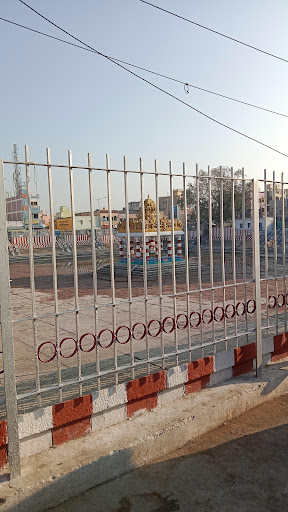
Read moreSri Padmavati Ammavari Temple, also known as Alamelu Mangapuram Temple, is a revered Hindu temple located in Tiruchanur, near Tirupati, in Andhra Pradesh. The temple is dedicated to Goddess Padmavati, the consort of Lord Venkateswara, and is an important pilgrimage site, especially for those visiting the Tirumala Venkateswara Temple. It is believed that a visit to Tirumala is considered incomplete without offering prayers to Goddess Padmavati at this temple.
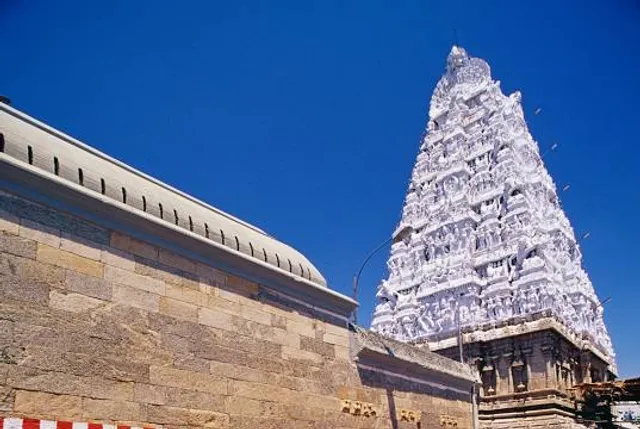
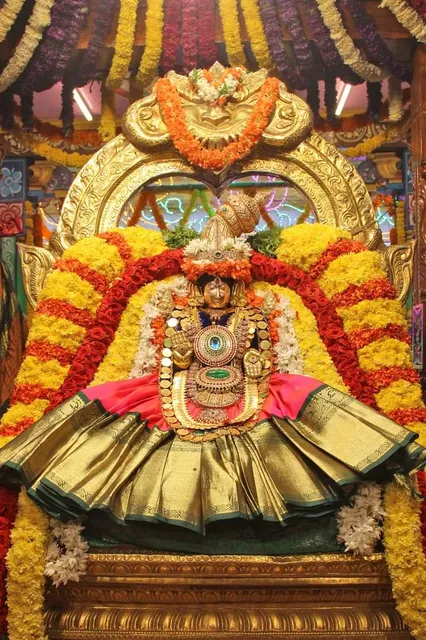
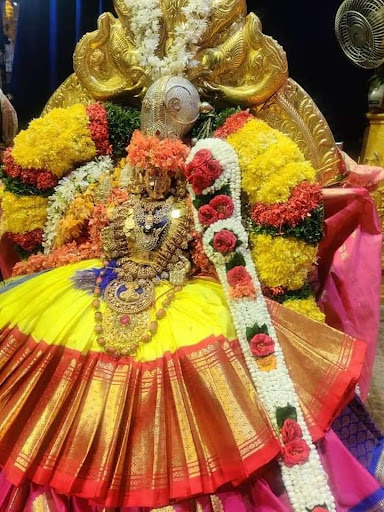
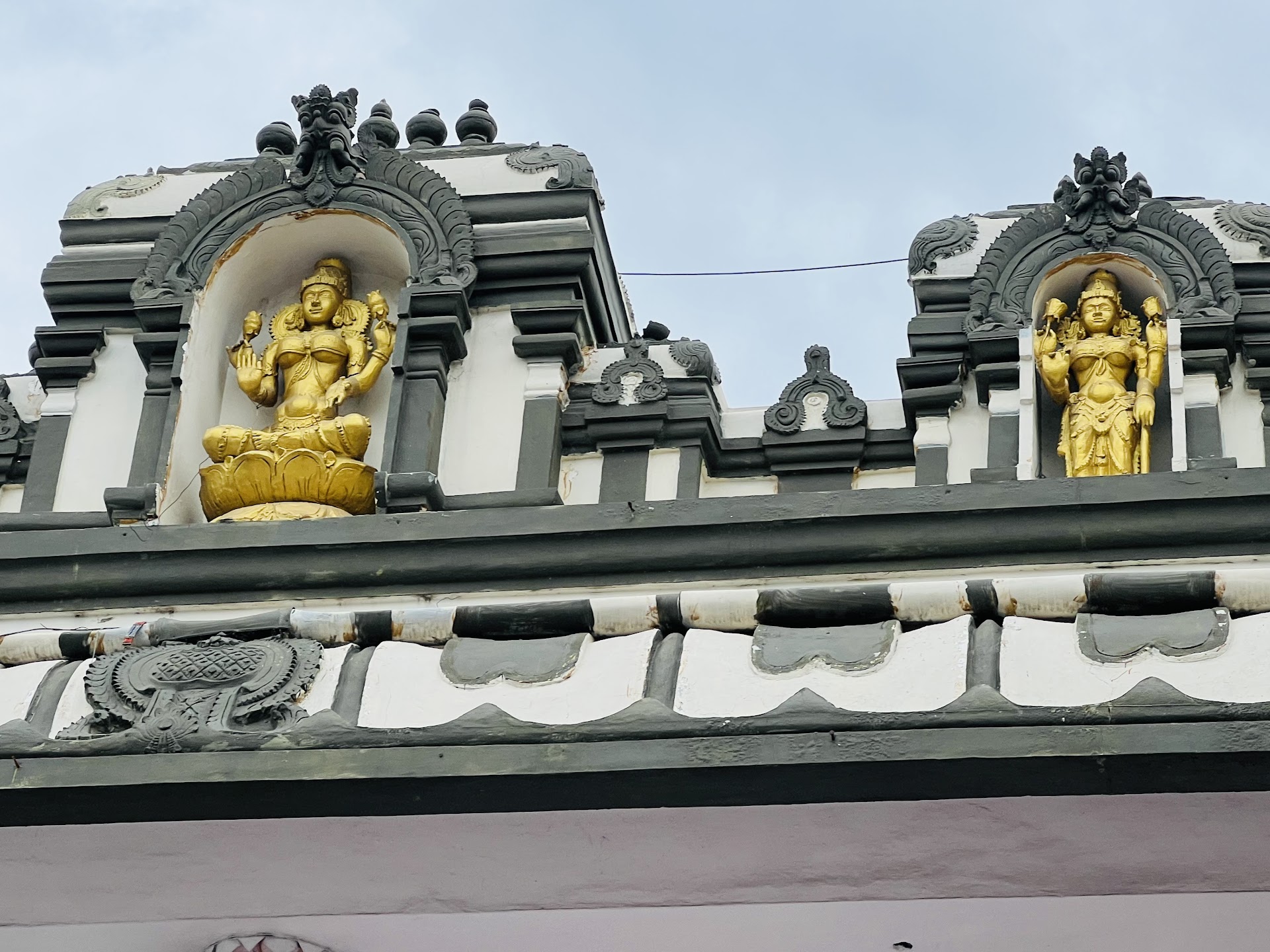
Mythological Significance: According to legend, Goddess Padmavati emerged from a golden lotus in the temple tank known as Padma Sarovaram. She is believed to be an incarnation of Goddess Lakshmi, and she later married Lord Venkateswara. The temple is situated in Tiruchanur, about 5 kilometers from Tirupati, and is considered sacred because of its connection with the divine love and union of Lord Venkateswara and Goddess Padmavati. Architecture: The Sri Padmavati Ammavari Temple follows the traditional Dravidian style of architecture. The temple complex is adorned with a beautifully decorated gopuram (tower), and the main sanctum houses the deity of Goddess Padmavati, depicted in a sitting posture with a lotus in her hand. The temple also has shrines dedicated to other deities, including Sri Krishna Swamy and Sri Sundararaja Swamy. Festivals and Rituals: Karthika Brahmotsavam is the most prominent festival celebrated at the temple, usually in the month of Karthika (November-December). The temple is beautifully decorated, and a grand procession of the deity on different vahanas (vehicles) is carried out during the festival, which attracts thousands of devotees. Another major event is the Panchami Teertham, which marks the day Goddess Padmavati is believed to have emerged from the Padma Sarovaram. It is the culmination of the Brahmotsavam and is considered highly auspicious. The temple also observes Sankranti, Navaratri, and other important Hindu festivals with great devotion, and devotees visit in large numbers to seek the blessings of the goddess. Spiritual Experience: Devotees believe that offering prayers at Sri Padmavati Ammavari Temple brings prosperity, happiness, and well-being. The temple has a serene and peaceful atmosphere, which provides a spiritually enriching experience to all those who visit. The Padma Sarovaram tank, which is part of the temple complex, is a sacred water body where pilgrims take a holy dip before offering prayers, as it is believed to cleanse sins and grant blessings. Visiting Sri Padmavati Ammavari Temple is an important part of the pilgrimage to Tirumala, as Goddess Padmavati is considered the divine consort of Lord Venkateswara. The temple's historical significance, spiritual atmosphere, and vibrant festivals make it a must-visit for those seeking blessings and...
Read morePadmavathi, also called Ammavari or Alamelumangam, is known by different names. From Tirupati, you can get a direct bus to the temple in Tiruchanur from either the railway station or the bus stand. The bus ride takes about 15 minutes and costs ₹20, dropping you right in front of the temple.
On the temple road, there are lockers available where you can safely keep your luggage, footwear, and mobile phones at affordable prices. For darshan, there are free tickets as well as ₹50 and ₹200 tickets. However, the temple is usually crowded, especially on weekends and auspicious days, with waiting times exceeding 2 hours. Toilets are available throughout the area, and annadanam (free meal service) is offered in the afternoon, though it also involves a waiting time of at least 2 hours.
Panjami Day:
Every year during the month of Karthika, a famous festival called Panjami is celebrated. On this day, direct entry to the temple is not allowed. If you plan to visit the temple, it is better to avoid this day as the waiting time is extremely long, ranging from 7 to 9 hours.
Additionally, buses do not drop visitors directly at the temple on Panjami day. They stop at least 3 km away, requiring a walk of around 2 km in a queue. To witness the Ammavari Pooja from start to end and take a holy bath in the temple tank (Kovil Kulam), it is advisable to arrive by 2:00 AM or even the previous night. If you only wish to bathe in Kovil Kulam, you can come after 12:00 PM when the Pooja is over, as there will be no waiting time.
It is best to avoid bringing children under 10 years of age as they may not be able to endure the long waiting times. However, milk, breakfast, food, water bottles, and fruits are distributed by volunteers (kanikai), and toilets are available everywhere.
After taking the bath, do not attempt to join the darshan queue on the same day, as even the ₹200 queue has a minimum waiting time of 3 hours. Unmarried individuals often come to bathe on this auspicious day, believing it will help them get married soon.
Near Gate 2, there is a laddu counter where you can purchase laddus of different sizes and prices without much crowd. Polythene covers are also sold for carrying the laddus. You can also see the beautifully decorated temple car (ther), which is displayed only on this day, making it a sight not to miss.
Opposite Gate 2, there is a flower show held exclusively on Panjami day, which is another must-see. Due to the heavy crowd, traffic is significantly increased on this day. It is best to avoid darshan on Panjami day and enjoy the other festivities instead.
Note: If you visit as a group, you can enjoy the Panjami day...
Read more