HTML SitemapExplore
logo
Find Things to DoFind The Best Restaurants

Kamakhya Devi — Attraction in Assam

Name
Kamakhya Devi
Description
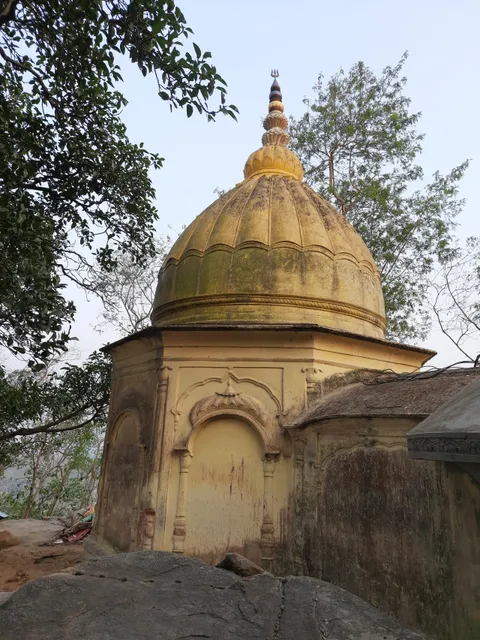
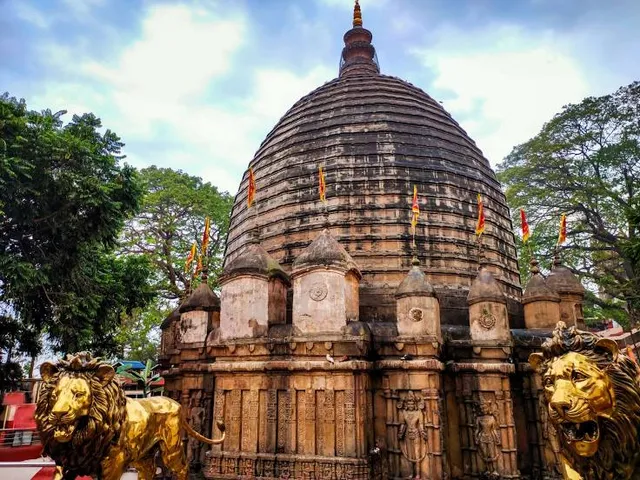
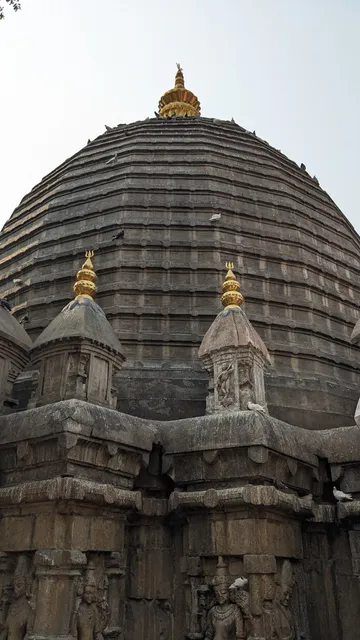
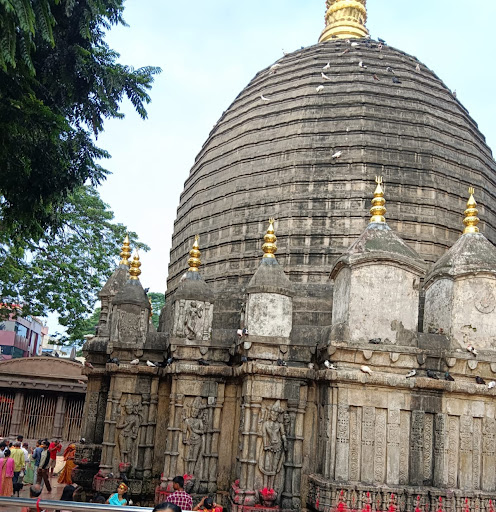
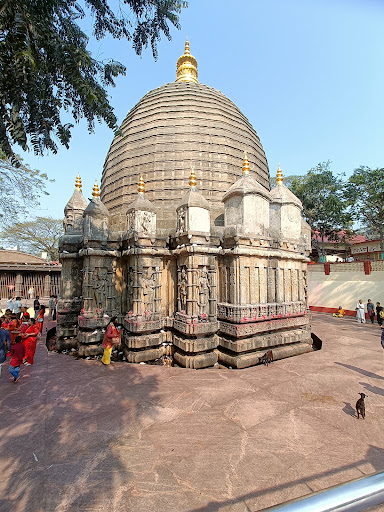
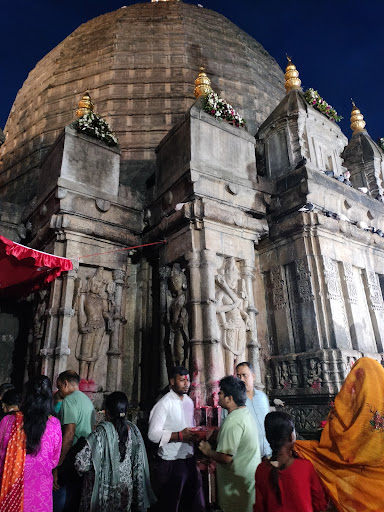
The Kamakhya Temple at Nilachal hills in Guwahati, Assam is one of the oldest and most revered centres of Tantric practices, dedicated to the goddess Kamakhya. The temple is the center of the Kulachara Tantra Marga and the site of the Ambubachi Mela, an annual festival that celebrates the menstruation of the goddess.
Nearby attractions
Maa Kamakhya Temple
Kamakhya, Guwahati, Assam 781010, India
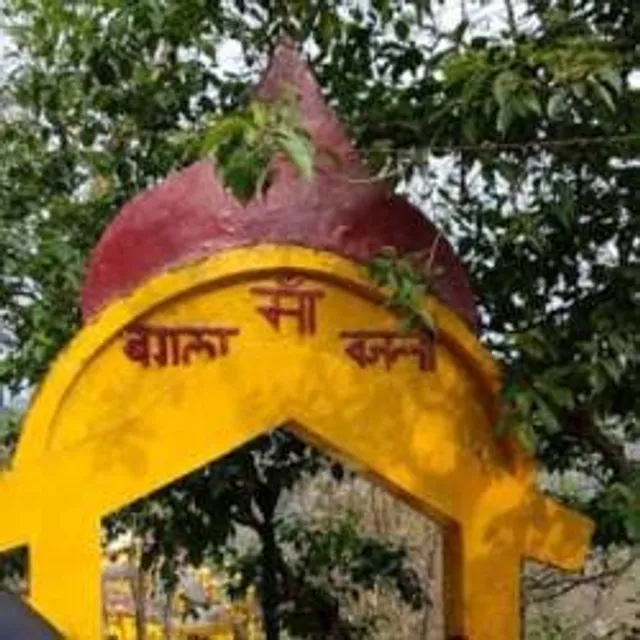
Maa Bagalamukhi Temple
5P86+C3C, Bhubaneswari road, Kamakhya, Guwahati, Assam 781010, India
Bhubaneswari Temple
5P86+V7Q, Kamakhya, Guwahati, Assam 781010, India
Nilachal Hills
5P77+P22, Hargobinda Sarma Path, Nursery, Guwahati, Assam 781010, India
Nearby restaurants
Jai Maa Kamakhya Hyderabad Kitchen
Kamakhya Dham, Bagala Temple Road, near VIP Parking, Bhutnath, Guwahati, Assam 781010, India
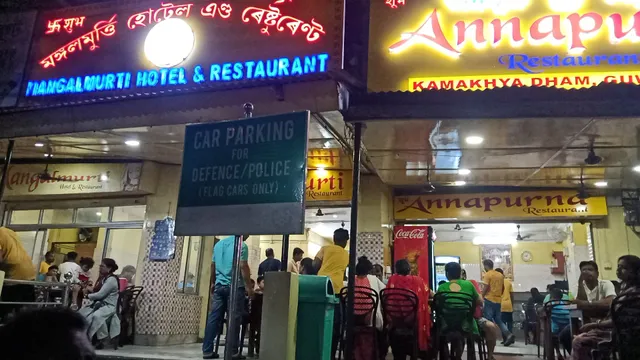
Mangalmurti Hotel & Restaurant
5P84+CQ9, Kamakhya, Guwahati, Assam 781010, India
Kamakhya Sweets
kali Mandir, Kamakhya Temple Road, near, Guwahati, Assam 781010, India
JAY MAA HOTEL & RESTAURANT
5P74+RJW, Kamakhya, Guwahati, Assam 781010, India
Radha Krishna hotel restaurant
5P74+QMG, Kamakhya Mandir Rd, Kamakhya, Guwahati, Assam 781010, India
Maa Durga Hotel & Restaurant
5P74+RMM, Kamakhya, Guwahati, Assam 781010, India
Maa Kali Hotel
T.N. Tower, 114, Assam Trunk Rd, Maligaon Gate No.4, Maligaon, Guwahati, Assam 781011, India
Garden Cafe - by Shree -
Gate no. 3, NE Frontier Railway, Headquarter, Maligaon, Guwahati, Assam 781011, India
B Cube's Kitchen
Maligaon Gate No. 1, Kamakhya, Guwahati, Assam 781011, India
Kamakhya Hotel
5P52+RGG, Assam Trunk Rd, Maligaon, Guwahati, Assam 781011, India
Nearby hotels
Hotel Shreemoyee Inn
Near, main gate of, Kamakhya, Guwahati, Assam 781010, India
Hemalata Heritage Home
5P84+89P, Kamakhya, Guwahati, Assam 781010, India
OYO 5638 Om Regency
Kamakhya Dham, Kamakhya Mandir Rd, near Kamakhya Higher Secondary School, Nursery, Guwahati, Assam 781010, India
Flagship Kamakhya Dham
near Kamakhya Higher Secondary School, Kamakhya, Guwahati, Assam 781010, India
Hotel Parvati
Temple Road, Kamakhya, Guwahati, Assam 781010, India
Bhargav Residency
Temple, Bagala Temple Road, Hill, Kamakhya, Guwahati, Assam 781010, India
Nilachal Homes
40, Lakhi Path, Kamakhya, Nursery, Guwahati, Assam 781010, India
CITY HOMESTAY
gate no.3, Assam Trunk Rd, opp. Northeast Frontier Railway, near Hazarika wine shop, Maligaon Gate No.4, HEADQUARTER, Maligaon, Guwahati, Assam 781011, India
SWASTIK INN
Kamakhya Gate, Swastik Ayodhaya Complex, 2nd Floor, Block-I, Assam Trunk Rd, Guwahati, Assam 781009, India
Hotel Pohor Regency
Kamakhya gate, Mekhela Ujuwa Path, near Vishwakarma Mandir, near Foot over Bridge, Bhutnath, Guwahati, Assam 781009, India
Related posts
Keywords
Kamakhya Devi tourism.Kamakhya Devi hotels.Kamakhya Devi bed and breakfast. flights to Kamakhya Devi.Kamakhya Devi attractions.Kamakhya Devi restaurants.Kamakhya Devi travel.Kamakhya Devi travel guide.Kamakhya Devi travel blog.Kamakhya Devi pictures.Kamakhya Devi photos.Kamakhya Devi travel tips.Kamakhya Devi maps.Kamakhya Devi things to do.
Kamakhya Devi things to do, attractions, restaurants, events info and trip planning
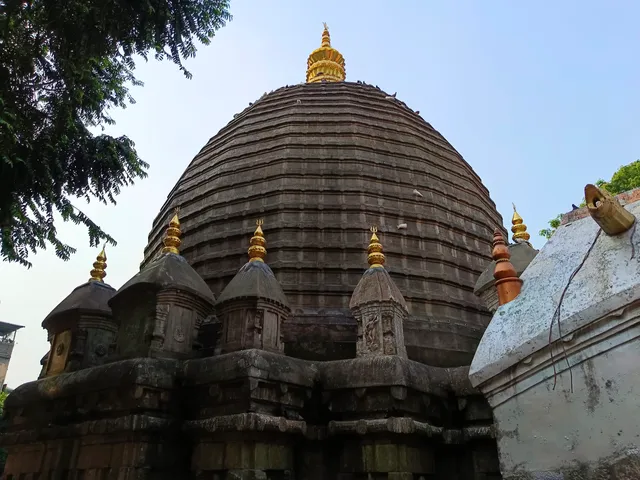
Kamakhya Devi
IndiaAssamKamakhya Devi

Basic Info

Kamakhya Devi

5P84+9W3, Kamakhya, Guwahati, Assam 781010, India
4.4(60)
Open until 12:00 AM
Save
spot

Ratings & Description

Info

The Kamakhya Temple at Nilachal hills in Guwahati, Assam is one of the oldest and most revered centres of Tantric practices, dedicated to the goddess Kamakhya. The temple is the center of the Kulachara Tantra Marga and the site of the Ambubachi Mela, an annual festival that celebrates the menstruation of the goddess.

Cultural
Scenic
Family friendly
attractions: Maa Kamakhya Temple, Maa Bagalamukhi Temple, Bhubaneswari Temple, Nilachal Hills, restaurants: Jai Maa Kamakhya Hyderabad Kitchen, Mangalmurti Hotel & Restaurant, Kamakhya Sweets, JAY MAA HOTEL & RESTAURANT, Radha Krishna hotel restaurant, Maa Durga Hotel & Restaurant, Maa Kali Hotel, Garden Cafe - by Shree -, B Cube's Kitchen, Kamakhya Hotel
logoLearn more insights from Wanderboat AI.
Phone
+91 361 273 4654
Open hoursSee all hours
FriOpen 24 hoursOpen

Plan your stay

hotel
Pet-friendly Hotels in Assam
Find a cozy hotel nearby and make it a full experience.

hotel
Affordable Hotels in Assam
Find a cozy hotel nearby and make it a full experience.

hotel
The Coolest Hotels You Haven't Heard Of (Yet)
Find a cozy hotel nearby and make it a full experience.

hotel
Trending Stays Worth the Hype in Assam
Find a cozy hotel nearby and make it a full experience.

Reviews

Nearby attractions of Kamakhya Devi

Maa Kamakhya Temple

Maa Bagalamukhi Temple

Bhubaneswari Temple

Nilachal Hills
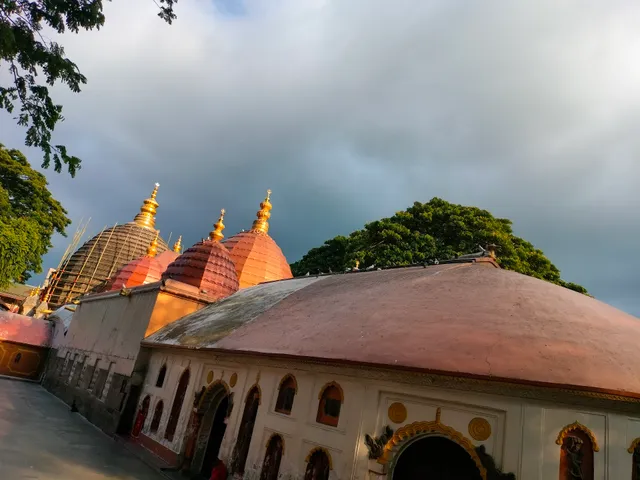
Maa Kamakhya Temple

Maa Kamakhya Temple

4.6

(13.5K)

Open 24 hours
Click for details
Maa Bagalamukhi Temple

Maa Bagalamukhi Temple

4.8

(481)

Closed
Click for details
Bhubaneswari Temple

Bhubaneswari Temple

4.7

(481)

Closed
Click for details
Nilachal Hills

Nilachal Hills

4.7

(513)

Closed
Click for details

Nearby restaurants of Kamakhya Devi

Jai Maa Kamakhya Hyderabad Kitchen

Mangalmurti Hotel & Restaurant

Kamakhya Sweets

JAY MAA HOTEL & RESTAURANT

Radha Krishna hotel restaurant

Maa Durga Hotel & Restaurant

Maa Kali Hotel

Garden Cafe - by Shree -

B Cube's Kitchen

Kamakhya Hotel

Jai Maa Kamakhya Hyderabad Kitchen

Jai Maa Kamakhya Hyderabad Kitchen

3.1

(56)

Click for details
Mangalmurti Hotel & Restaurant

Mangalmurti Hotel & Restaurant

3.9

(108)

Click for details
Kamakhya Sweets

Kamakhya Sweets

4.0

(14)

Click for details
JAY MAA HOTEL & RESTAURANT

JAY MAA HOTEL & RESTAURANT

4.1

(15)

Click for details
Get the Appoverlay
Get the AppOne tap to find yournext favorite spots!
Wanderboat LogoWanderboat

Your everyday Al companion for getaway ideas

CompanyAbout Us
InformationAI Trip PlannerSitemap
SocialXInstagramTiktokLinkedin
LegalTerms of ServicePrivacy Policy

Get the app

© 2025 Wanderboat. All rights reserved.
logo

Reviews of Kamakhya Devi

4.4
(60)
avatar
3.0
7w

The Kamakhya Temple is one of the most revered and powerful Hindu temples in India, located on the Nilachal Hill in Guwahati, Assam. It is especially significant in Shaktism, a tradition of Hinduism that focuses on the worship of the goddess Shakti or Devi.

🛕 KEY HIGHLIGHTS:

🔱 Presiding deity: The temple is dedicated to Goddess Kamakhya, a form of Shakti (the divine feminine power). Uniquely, there is no idol of the goddess. Instead, the sanctum houses a yoni-shaped (female genitalia) stone kept moist by a natural spring. This symbolizes the creative power of the feminine.

🩸 Ambubachi Mela: Held annually in June, this is the most famous festival at the temple. It celebrates the menstruation of Goddess Kamakhya, symbolizing fertility and the power of creation. During this time, the temple remains closed for three days, and devotees believe that the goddess undergoes her annual menstrual cycle.

📜 Mythological Significance: According to legend, Sati, the consort of Lord Shiva, immolated herself in protest of her father Daksha’s insult to Shiva. In grief, Shiva carried her body and roamed the universe. To save the world, Vishnu cut her body into 51 pieces, which fell across the Indian subcontinent. These are known as the "Shakti Peethas". The Kamakhya Temple marks the spot where her womb and vagina are believed to have fallen.

🚫 NEGATIVE ASPECTS:

Extreme Crowds & Long Wait Times: On normal days, expect to wait 2–4 hours to enter the sanctum. During festivals like Ambubachi Mela, wait times can stretch to 10+ hours. No organized or modern queue system; pushing and discomfort are common. Elderly, children, and those with health issues may struggle.

Lack of Cleanliness: Sanitation is a major issue around the temple and in queue areas. Trash, food waste, and animal waste (due to sacrificial practices) can be seen near temple grounds. Toilets are often poorly maintained and even hard to find.

Animal Sacrifices: Animal sacrifices (mainly buffaloes) still occur as part of religious rituals. For many tourists—especially foreigners or those unfamiliar with such traditions—this can be disturbing or even traumatizing. The practice is controversial - I personally detest this tradition.

Aggressive Touts & Fake Priests: You’ll likely encounter aggressive "guides", priests, or vendors offering rituals or shortcuts for money. Some may pressure you into paying unnecessary fees - simply feels like a way they misuse the 'bhakti' of the tourists.

Poor Tourist Infrastructure: Very little information is available in English or other foreign languages. Lack of official signage, audio guides, or interpretive material makes it hard to understand the temple's significance unless you’ve researched beforehand. Accessibility for people with disabilities is practically nonexistent.

Over-commercialization: Religious atmosphere is sometimes lost in the chaotic market around the temple. Souvenir shops, food stalls, and donation requests can feel overwhelming or exploitative.

Security and Safety Issues: Pickpocketing has been reported in crowded areas. There’s minimal visible security, especially in handling large crowds. No proper emergency medical support within temple premises.

POSITIVE ASPECTS:

🏯 Architecture & Setting: The temple’s architecture is distinctive, with a bulbous dome and beautifully carved stone sculptures. Located on Nilachal Hill, it offers breathtaking views of Guwahati and the Brahmaputra River. The surrounding area has a mystical aura, dotted with smaller shrines and natural scenery.

🛍️ Nearby Attractions & Experience: Guwahati city itself has other attractions like: • Umananda Temple • Assam State Museum • Kaziranga National Park • Can shop for local Assamese handicrafts and silk products.

🧳TIPS FOR TOURISTS: • Carry water, snacks, and hand sanitizer—basic amenities are limited. • Avoid touts or aggressive “guides” near the temple. • If you're sensitive to intense religious rituals, research beforehand or consult a...

   Read more
avatar
5.0
36w

Kamakhya Temple, located on the Nilachal Hill in Guwahati, Assam, is one of the most revered and unique temples in India. It is dedicated to Goddess Kamakhya, a powerful form of Shakti, and is one of the 51 Shakti Peethas. The temple is famous for its mysterious rituals, deep spiritual significance, and unique architecture. It attracts thousands of devotees, especially during the Ambubachi Mela, an annual fertility festival. Kamakhya Temple has deep historical significance. According to puranas, it is the site where Goddess Sati’s womb and genitals fell after Lord Shiva’s tandava (cosmic dance of destruction) following her self-immolation. This makes the temple a symbol of divine feminine energy and fertility. The temple has been an important religious site since ancient times, but the present structure was built in the 16th century by the Koch king Naranarayan after the original temple was destroyed. The temple is believed to grant blessings for fertility, power, and the fulfillment of desires. Kamakhya Temple is a blend of Hindu and Assamese architectural styles. The temple structure consists of: Shikhara (Dome-like Structure) – The temple has a beehive-shaped dome, characteristic of medieval Assamese temple architecture. Sanctum Sanctorum (Garbhagriha) – Unlike other temples, Kamakhya does not house an idol. Instead, it worships a natural rock fissure shaped like a yoni (female reproductive organ), which is kept moist by an underground spring. 3.Outer Complex– The temple is surrounded by other temples dedicated to various forms of Goddess Shakti, such as Tara, Bhairavi, and Bagalamukhi. 4.Intricate Carvings– The temple walls feature beautiful sculptures of gods, goddesses, and celestial beings. Ambubachi Mela This is the most famous festival of Kamakhya, held in June. It marks the annual menstruation cycle of the goddess, during which the temple remains closed for three days. Devotees believe that the goddess rests during this time, and on the fourth day, the temple is reopened with grand celebrations. During this period, the Brahmaputra River near the temple is said to turn red, symbolizing menstruation. Durga Puja & Navaratri The temple sees huge celebrations during Durga Puja, attracting thousands of devotees. Navaratri is also an important time when special Tantric rituals are performed. Visiting Kamakhya Temple Location & Accessibility Kamakhya Temple is located about 8 km from Guwahati Railway Station and 20 km from Lokpriya Gopinath Bordoloi International Airport. Taxis, auto-rickshaws, and buses(green bus at regular intervals of 10-20 minutes, private buses can be taken at any time) are available from different parts of Guwahati. Rapido and Uber are also offering well connectivity at most of the times at nominal prices. Entry & Timings The temple is open from 5:30 AM to 8:00 PM.  Note: Please please visit at this time so that crowd can be avoided and you can really have a beautiful experience there. Special darshan (VIP entry) is available for those who want to avoid long queues. The best time to visit is early morning to experience the morning aarti and avoid the rush. Crowd & Waiting Time The temple is often crowded, especially during Tuesdays, Fridays, Ambubachi Mela, and Navaratri. The average waiting time can range from 30 minutes to 2 hours. Atmosphere & Experience Visiting Kamakhya Temple is a spiritually enriching experience. The temple complex is peaceful, offering breathtaking views of the Brahmaputra River and Guwahati city. The divine energy, combined with the chants of devotees and the scent of incense, creates an intense spiritual ambiance. When you enters in the temple compound you will feel the powerful aura and positive energy of Maa Kamakhya. You will forgot all your worries and stress that is going on in your normal life. Please dedicate atleast one full day for Ma kamakhya. Don't hurry for your train or bus MAKE PLANS...

   Read more
avatar
5.0
22w

🔱 Maa Kamakhya Temple | Nilachal Hills, Guwahati, Assam 🔱

Located atop the Nilachal Hills in Guwahati, Assam, India, the sacred Maa Kamakhya Temple is not just a pilgrimage site but a powerful spiritual center steeped in ancient history, mythology, and divine mystery. It is one of the revered 51 Shakti Peethas, making it a significant destination for followers of Shaktism and spiritual seekers worldwide.

🛕 History & Mythological Significance:

According to ancient Hindu scriptures, Goddess Sati's body was dismembered, and her parts fell at 51 different places across the Indian subcontinent, forming the Shakti Peethas. It is believed that her womb and yoni (reproductive organ) fell at the site where the Kamakhya Temple now stands, making it the symbolic center of feminine energy, fertility, and creation.

Unlike typical temples, Maa Kamakhya represents the goddess in her most raw, creative, and maternal form, embodying desire (Kama), power (Shakti), and motherhood.

Kamakhya is renowned as a Tantric powerhouse, where deep spiritual and esoteric practices take place. It is believed that the secrets of creation and cosmic destruction are hidden within this divine abode.

Major Festivals:

Ambubachi Mela — Celebrated annually during June-July, marking the Earth's menstruation phase (symbolizing fertility). Millions of devotees gather during this grand fair.

Durga Puja, Dussehra, Kali Puja, and other significant rituals are celebrated with grandeur and devotion.

📍 Location & Accessibility:

The temple is situated approximately 7 km from the heart of Guwahati city, atop the scenic Nilachal Hills, surrounded by lush greenery and a serene atmosphere.

🚗 How to Reach:

✔️ By Train: Nearest Railway Stations — Kamakhya Junction and Guwahati Railway Station. The temple is about 20–25 minutes from the stations via taxi, auto-rickshaw, or local buses.

✔️ By Air: Lokpriya Gopinath Bordoloi International Airport, Guwahati — Approximately 20 km away. Taxis and local transport are easily available to the temple.

✔️ By Road: Guwahati is well connected by road to major cities in India. Private cars, buses, taxis, and shared autos regularly travel to the temple premises.

🏨 Accommodation & Food Options:

🛌 Where to Stay: The city offers a wide range of accommodations — from budget hotels to luxury stays. Nearby guest houses and temple-run dharamshalas are also available for devotees.

🍛 Where to Eat:

Devotional bhog prasad (offering) and local Assamese food stalls are available around the temple premises.

During the Ambubachi Mela, many organizations provide free meals to devotees.

Vegetarian food options and multi-cuisine restaurants (North Indian, South Indian, Assamese) are easily accessible in the city.

✨ Special Highlights:

✅ There is no idol of the Goddess inside the sanctum; instead, a natural rock shaped like a yoni (symbolizing the female generative power) with continuous water flow is worshipped. ✅ The Nilachal Hills offer panoramic views of Guwahati city. ✅ A unique environment of Tantric rituals, rarely found elsewhere in India. ✅ The peaceful natural surroundings, chirping birds, and cool mountain breeze enhance the spiritual experience.

❤️ My Personal Experience:

Words fall short to describe the divine experience at Maa Kamakhya Temple. The journey uphill through nature’s beauty, followed by stepping into the temple and feeling the grace and spiritual energy of the Goddess, is beyond expression. Though the temple gets crowded on special days, the administration maintains good arrangements.

Tips for Visitors: 👉 Visit early in the morning to avoid heavy crowds. 👉 Be cautious of brokers or unofficial guides at the entrance. 👉 Special vehicle facilities are available for senior citizens and differently-abled individuals.

🔱 Conclusion:

The chant of "Jai Maa Kamakhya" fills one's...

   Read more
Page 1 of 7
Previous
Next

Posts

Jiraiya the GallantJiraiya the Gallant
The Kamakhya Temple is one of the most revered and powerful Hindu temples in India, located on the Nilachal Hill in Guwahati, Assam. It is especially significant in Shaktism, a tradition of Hinduism that focuses on the worship of the goddess Shakti or Devi. 🛕 KEY HIGHLIGHTS: 🔱 Presiding deity: The temple is dedicated to Goddess Kamakhya, a form of Shakti (the divine feminine power). Uniquely, there is no idol of the goddess. Instead, the sanctum houses a yoni-shaped (female genitalia) stone kept moist by a natural spring. This symbolizes the creative power of the feminine. 🩸 Ambubachi Mela: Held annually in June, this is the most famous festival at the temple. It celebrates the menstruation of Goddess Kamakhya, symbolizing fertility and the power of creation. During this time, the temple remains closed for three days, and devotees believe that the goddess undergoes her annual menstrual cycle. 📜 Mythological Significance: According to legend, Sati, the consort of Lord Shiva, immolated herself in protest of her father Daksha’s insult to Shiva. In grief, Shiva carried her body and roamed the universe. To save the world, Vishnu cut her body into 51 pieces, which fell across the Indian subcontinent. These are known as the "Shakti Peethas". The Kamakhya Temple marks the spot where her womb and vagina are believed to have fallen. 🚫 NEGATIVE ASPECTS: 1. Extreme Crowds & Long Wait Times: On normal days, expect to wait 2–4 hours to enter the sanctum. During festivals like Ambubachi Mela, wait times can stretch to 10+ hours. No organized or modern queue system; pushing and discomfort are common. Elderly, children, and those with health issues may struggle. 2. Lack of Cleanliness: Sanitation is a major issue around the temple and in queue areas. Trash, food waste, and animal waste (due to sacrificial practices) can be seen near temple grounds. Toilets are often poorly maintained and even hard to find. 3. Animal Sacrifices: Animal sacrifices (mainly buffaloes) still occur as part of religious rituals. For many tourists—especially foreigners or those unfamiliar with such traditions—this can be disturbing or even traumatizing. The practice is controversial - I personally detest this tradition. 4. Aggressive Touts & Fake Priests: You’ll likely encounter aggressive "guides", priests, or vendors offering rituals or shortcuts for money. Some may pressure you into paying unnecessary fees - simply feels like a way they misuse the 'bhakti' of the tourists. 5. Poor Tourist Infrastructure: Very little information is available in English or other foreign languages. Lack of official signage, audio guides, or interpretive material makes it hard to understand the temple's significance unless you’ve researched beforehand. Accessibility for people with disabilities is practically nonexistent. 6. Over-commercialization: Religious atmosphere is sometimes lost in the chaotic market around the temple. Souvenir shops, food stalls, and donation requests can feel overwhelming or exploitative. 7. Security and Safety Issues: Pickpocketing has been reported in crowded areas. There’s minimal visible security, especially in handling large crowds. No proper emergency medical support within temple premises. POSITIVE ASPECTS: 1. 🏯 Architecture & Setting: The temple’s architecture is distinctive, with a bulbous dome and beautifully carved stone sculptures. Located on Nilachal Hill, it offers breathtaking views of Guwahati and the Brahmaputra River. The surrounding area has a mystical aura, dotted with smaller shrines and natural scenery. 2. 🛍️ Nearby Attractions & Experience: Guwahati city itself has other attractions like: • Umananda Temple • Assam State Museum • Kaziranga National Park • Can shop for local Assamese handicrafts and silk products. 🧳TIPS FOR TOURISTS: • Carry water, snacks, and hand sanitizer—basic amenities are limited. • Avoid touts or aggressive “guides” near the temple. • If you're sensitive to intense religious rituals, research beforehand or consult a local guide.
Gaurav AggarwalGaurav Aggarwal
Kamakhya Temple, located on the Nilachal Hill in Guwahati, Assam, is one of the most revered and unique temples in India. It is dedicated to Goddess Kamakhya, a powerful form of Shakti, and is one of the 51 Shakti Peethas. The temple is famous for its mysterious rituals, deep spiritual significance, and unique architecture. It attracts thousands of devotees, especially during the Ambubachi Mela, an annual fertility festival. Kamakhya Temple has deep historical significance. According to puranas, it is the site where Goddess Sati’s womb and genitals fell after Lord Shiva’s tandava (cosmic dance of destruction) following her self-immolation. This makes the temple a symbol of divine feminine energy and fertility. The temple has been an important religious site since ancient times, but the present structure was built in the 16th century by the Koch king Naranarayan after the original temple was destroyed. The temple is believed to grant blessings for fertility, power, and the fulfillment of desires. Kamakhya Temple is a blend of Hindu and Assamese architectural styles. The temple structure consists of: 1. Shikhara (Dome-like Structure) – The temple has a beehive-shaped dome, characteristic of medieval Assamese temple architecture. 2. Sanctum Sanctorum (Garbhagriha) – Unlike other temples, Kamakhya does not house an idol. Instead, it worships a natural rock fissure shaped like a yoni (female reproductive organ), which is kept moist by an underground spring. 3.Outer Complex– The temple is surrounded by other temples dedicated to various forms of Goddess Shakti, such as Tara, Bhairavi, and Bagalamukhi. 4.Intricate Carvings– The temple walls feature beautiful sculptures of gods, goddesses, and celestial beings. 1. Ambubachi Mela - This is the most famous festival of Kamakhya, held in June. It marks the annual menstruation cycle of the goddess, during which the temple remains closed for three days. Devotees believe that the goddess rests during this time, and on the fourth day, the temple is reopened with grand celebrations. - During this period, the Brahmaputra River near the temple is said to turn red, symbolizing menstruation. 2. Durga Puja & Navaratri - The temple sees huge celebrations during Durga Puja, attracting thousands of devotees. Navaratri is also an important time when special Tantric rituals are performed. Visiting Kamakhya Temple Location & Accessibility - Kamakhya Temple is located about 8 km from Guwahati Railway Station and 20 km from Lokpriya Gopinath Bordoloi International Airport. - Taxis, auto-rickshaws, and buses(green bus at regular intervals of 10-20 minutes, private buses can be taken at any time) are available from different parts of Guwahati. Rapido and Uber are also offering well connectivity at most of the times at nominal prices. Entry & Timings - The temple is open from 5:30 AM to 8:00 PM.  Note: Please please visit at this time so that crowd can be avoided and you can really have a beautiful experience there. - Special darshan (VIP entry) is available for those who want to avoid long queues. - The best time to visit is early morning to experience the morning aarti and avoid the rush. Crowd & Waiting Time - The temple is often crowded, especially during Tuesdays, Fridays, Ambubachi Mela, and Navaratri. - The average waiting time can range from 30 minutes to 2 hours. Atmosphere & Experience Visiting Kamakhya Temple is a spiritually enriching experience. The temple complex is peaceful, offering breathtaking views of the Brahmaputra River and Guwahati city. The divine energy, combined with the chants of devotees and the scent of incense, creates an intense spiritual ambiance. When you enters in the temple compound you will feel the powerful aura and positive energy of Maa Kamakhya. You will forgot all your worries and stress that is going on in your normal life. Please dedicate atleast one full day for Ma kamakhya. Don't hurry for your train or bus MAKE PLANS ACCORDINGLY.
Ajay MandalAjay Mandal
🔱 Maa Kamakhya Temple | Nilachal Hills, Guwahati, Assam 🔱 Located atop the Nilachal Hills in Guwahati, Assam, India, the sacred Maa Kamakhya Temple is not just a pilgrimage site but a powerful spiritual center steeped in ancient history, mythology, and divine mystery. It is one of the revered 51 Shakti Peethas, making it a significant destination for followers of Shaktism and spiritual seekers worldwide. 🛕 History & Mythological Significance: According to ancient Hindu scriptures, Goddess Sati's body was dismembered, and her parts fell at 51 different places across the Indian subcontinent, forming the Shakti Peethas. It is believed that her womb and yoni (reproductive organ) fell at the site where the Kamakhya Temple now stands, making it the symbolic center of feminine energy, fertility, and creation. Unlike typical temples, Maa Kamakhya represents the goddess in her most raw, creative, and maternal form, embodying desire (Kama), power (Shakti), and motherhood. Kamakhya is renowned as a Tantric powerhouse, where deep spiritual and esoteric practices take place. It is believed that the secrets of creation and cosmic destruction are hidden within this divine abode. Major Festivals: Ambubachi Mela — Celebrated annually during June-July, marking the Earth's menstruation phase (symbolizing fertility). Millions of devotees gather during this grand fair. Durga Puja, Dussehra, Kali Puja, and other significant rituals are celebrated with grandeur and devotion. 📍 Location & Accessibility: The temple is situated approximately 7 km from the heart of Guwahati city, atop the scenic Nilachal Hills, surrounded by lush greenery and a serene atmosphere. 🚗 How to Reach: ✔️ By Train: Nearest Railway Stations — Kamakhya Junction and Guwahati Railway Station. The temple is about 20–25 minutes from the stations via taxi, auto-rickshaw, or local buses. ✔️ By Air: Lokpriya Gopinath Bordoloi International Airport, Guwahati — Approximately 20 km away. Taxis and local transport are easily available to the temple. ✔️ By Road: Guwahati is well connected by road to major cities in India. Private cars, buses, taxis, and shared autos regularly travel to the temple premises. --- 🏨 Accommodation & Food Options: 🛌 Where to Stay: The city offers a wide range of accommodations — from budget hotels to luxury stays. Nearby guest houses and temple-run dharamshalas are also available for devotees. 🍛 Where to Eat: Devotional bhog prasad (offering) and local Assamese food stalls are available around the temple premises. During the Ambubachi Mela, many organizations provide free meals to devotees. Vegetarian food options and multi-cuisine restaurants (North Indian, South Indian, Assamese) are easily accessible in the city. --- ✨ Special Highlights: ✅ There is no idol of the Goddess inside the sanctum; instead, a natural rock shaped like a yoni (symbolizing the female generative power) with continuous water flow is worshipped. ✅ The Nilachal Hills offer panoramic views of Guwahati city. ✅ A unique environment of Tantric rituals, rarely found elsewhere in India. ✅ The peaceful natural surroundings, chirping birds, and cool mountain breeze enhance the spiritual experience. --- ❤️ My Personal Experience: Words fall short to describe the divine experience at Maa Kamakhya Temple. The journey uphill through nature’s beauty, followed by stepping into the temple and feeling the grace and spiritual energy of the Goddess, is beyond expression. Though the temple gets crowded on special days, the administration maintains good arrangements. Tips for Visitors: 👉 Visit early in the morning to avoid heavy crowds. 👉 Be cautious of brokers or unofficial guides at the entrance. 👉 Special vehicle facilities are available for senior citizens and differently-abled individuals. 🔱 Conclusion: The chant of "Jai Maa Kamakhya" fills one's heart, mind,
See more posts
See more posts
hotel
Find your stay

Pet-friendly Hotels in Assam

Find a cozy hotel nearby and make it a full experience.

The Kamakhya Temple is one of the most revered and powerful Hindu temples in India, located on the Nilachal Hill in Guwahati, Assam. It is especially significant in Shaktism, a tradition of Hinduism that focuses on the worship of the goddess Shakti or Devi. 🛕 KEY HIGHLIGHTS: 🔱 Presiding deity: The temple is dedicated to Goddess Kamakhya, a form of Shakti (the divine feminine power). Uniquely, there is no idol of the goddess. Instead, the sanctum houses a yoni-shaped (female genitalia) stone kept moist by a natural spring. This symbolizes the creative power of the feminine. 🩸 Ambubachi Mela: Held annually in June, this is the most famous festival at the temple. It celebrates the menstruation of Goddess Kamakhya, symbolizing fertility and the power of creation. During this time, the temple remains closed for three days, and devotees believe that the goddess undergoes her annual menstrual cycle. 📜 Mythological Significance: According to legend, Sati, the consort of Lord Shiva, immolated herself in protest of her father Daksha’s insult to Shiva. In grief, Shiva carried her body and roamed the universe. To save the world, Vishnu cut her body into 51 pieces, which fell across the Indian subcontinent. These are known as the "Shakti Peethas". The Kamakhya Temple marks the spot where her womb and vagina are believed to have fallen. 🚫 NEGATIVE ASPECTS: 1. Extreme Crowds & Long Wait Times: On normal days, expect to wait 2–4 hours to enter the sanctum. During festivals like Ambubachi Mela, wait times can stretch to 10+ hours. No organized or modern queue system; pushing and discomfort are common. Elderly, children, and those with health issues may struggle. 2. Lack of Cleanliness: Sanitation is a major issue around the temple and in queue areas. Trash, food waste, and animal waste (due to sacrificial practices) can be seen near temple grounds. Toilets are often poorly maintained and even hard to find. 3. Animal Sacrifices: Animal sacrifices (mainly buffaloes) still occur as part of religious rituals. For many tourists—especially foreigners or those unfamiliar with such traditions—this can be disturbing or even traumatizing. The practice is controversial - I personally detest this tradition. 4. Aggressive Touts & Fake Priests: You’ll likely encounter aggressive "guides", priests, or vendors offering rituals or shortcuts for money. Some may pressure you into paying unnecessary fees - simply feels like a way they misuse the 'bhakti' of the tourists. 5. Poor Tourist Infrastructure: Very little information is available in English or other foreign languages. Lack of official signage, audio guides, or interpretive material makes it hard to understand the temple's significance unless you’ve researched beforehand. Accessibility for people with disabilities is practically nonexistent. 6. Over-commercialization: Religious atmosphere is sometimes lost in the chaotic market around the temple. Souvenir shops, food stalls, and donation requests can feel overwhelming or exploitative. 7. Security and Safety Issues: Pickpocketing has been reported in crowded areas. There’s minimal visible security, especially in handling large crowds. No proper emergency medical support within temple premises. POSITIVE ASPECTS: 1. 🏯 Architecture & Setting: The temple’s architecture is distinctive, with a bulbous dome and beautifully carved stone sculptures. Located on Nilachal Hill, it offers breathtaking views of Guwahati and the Brahmaputra River. The surrounding area has a mystical aura, dotted with smaller shrines and natural scenery. 2. 🛍️ Nearby Attractions & Experience: Guwahati city itself has other attractions like: • Umananda Temple • Assam State Museum • Kaziranga National Park • Can shop for local Assamese handicrafts and silk products. 🧳TIPS FOR TOURISTS: • Carry water, snacks, and hand sanitizer—basic amenities are limited. • Avoid touts or aggressive “guides” near the temple. • If you're sensitive to intense religious rituals, research beforehand or consult a local guide.
Jiraiya the Gallant

Jiraiya the Gallant

hotel
Find your stay

Affordable Hotels in Assam

Find a cozy hotel nearby and make it a full experience.

Get the Appoverlay
Get the AppOne tap to find yournext favorite spots!
Kamakhya Temple, located on the Nilachal Hill in Guwahati, Assam, is one of the most revered and unique temples in India. It is dedicated to Goddess Kamakhya, a powerful form of Shakti, and is one of the 51 Shakti Peethas. The temple is famous for its mysterious rituals, deep spiritual significance, and unique architecture. It attracts thousands of devotees, especially during the Ambubachi Mela, an annual fertility festival. Kamakhya Temple has deep historical significance. According to puranas, it is the site where Goddess Sati’s womb and genitals fell after Lord Shiva’s tandava (cosmic dance of destruction) following her self-immolation. This makes the temple a symbol of divine feminine energy and fertility. The temple has been an important religious site since ancient times, but the present structure was built in the 16th century by the Koch king Naranarayan after the original temple was destroyed. The temple is believed to grant blessings for fertility, power, and the fulfillment of desires. Kamakhya Temple is a blend of Hindu and Assamese architectural styles. The temple structure consists of: 1. Shikhara (Dome-like Structure) – The temple has a beehive-shaped dome, characteristic of medieval Assamese temple architecture. 2. Sanctum Sanctorum (Garbhagriha) – Unlike other temples, Kamakhya does not house an idol. Instead, it worships a natural rock fissure shaped like a yoni (female reproductive organ), which is kept moist by an underground spring. 3.Outer Complex– The temple is surrounded by other temples dedicated to various forms of Goddess Shakti, such as Tara, Bhairavi, and Bagalamukhi. 4.Intricate Carvings– The temple walls feature beautiful sculptures of gods, goddesses, and celestial beings. 1. Ambubachi Mela - This is the most famous festival of Kamakhya, held in June. It marks the annual menstruation cycle of the goddess, during which the temple remains closed for three days. Devotees believe that the goddess rests during this time, and on the fourth day, the temple is reopened with grand celebrations. - During this period, the Brahmaputra River near the temple is said to turn red, symbolizing menstruation. 2. Durga Puja & Navaratri - The temple sees huge celebrations during Durga Puja, attracting thousands of devotees. Navaratri is also an important time when special Tantric rituals are performed. Visiting Kamakhya Temple Location & Accessibility - Kamakhya Temple is located about 8 km from Guwahati Railway Station and 20 km from Lokpriya Gopinath Bordoloi International Airport. - Taxis, auto-rickshaws, and buses(green bus at regular intervals of 10-20 minutes, private buses can be taken at any time) are available from different parts of Guwahati. Rapido and Uber are also offering well connectivity at most of the times at nominal prices. Entry & Timings - The temple is open from 5:30 AM to 8:00 PM.  Note: Please please visit at this time so that crowd can be avoided and you can really have a beautiful experience there. - Special darshan (VIP entry) is available for those who want to avoid long queues. - The best time to visit is early morning to experience the morning aarti and avoid the rush. Crowd & Waiting Time - The temple is often crowded, especially during Tuesdays, Fridays, Ambubachi Mela, and Navaratri. - The average waiting time can range from 30 minutes to 2 hours. Atmosphere & Experience Visiting Kamakhya Temple is a spiritually enriching experience. The temple complex is peaceful, offering breathtaking views of the Brahmaputra River and Guwahati city. The divine energy, combined with the chants of devotees and the scent of incense, creates an intense spiritual ambiance. When you enters in the temple compound you will feel the powerful aura and positive energy of Maa Kamakhya. You will forgot all your worries and stress that is going on in your normal life. Please dedicate atleast one full day for Ma kamakhya. Don't hurry for your train or bus MAKE PLANS ACCORDINGLY.
Gaurav Aggarwal

Gaurav Aggarwal

hotel
Find your stay

The Coolest Hotels You Haven't Heard Of (Yet)

Find a cozy hotel nearby and make it a full experience.

hotel
Find your stay

Trending Stays Worth the Hype in Assam

Find a cozy hotel nearby and make it a full experience.

🔱 Maa Kamakhya Temple | Nilachal Hills, Guwahati, Assam 🔱 Located atop the Nilachal Hills in Guwahati, Assam, India, the sacred Maa Kamakhya Temple is not just a pilgrimage site but a powerful spiritual center steeped in ancient history, mythology, and divine mystery. It is one of the revered 51 Shakti Peethas, making it a significant destination for followers of Shaktism and spiritual seekers worldwide. 🛕 History & Mythological Significance: According to ancient Hindu scriptures, Goddess Sati's body was dismembered, and her parts fell at 51 different places across the Indian subcontinent, forming the Shakti Peethas. It is believed that her womb and yoni (reproductive organ) fell at the site where the Kamakhya Temple now stands, making it the symbolic center of feminine energy, fertility, and creation. Unlike typical temples, Maa Kamakhya represents the goddess in her most raw, creative, and maternal form, embodying desire (Kama), power (Shakti), and motherhood. Kamakhya is renowned as a Tantric powerhouse, where deep spiritual and esoteric practices take place. It is believed that the secrets of creation and cosmic destruction are hidden within this divine abode. Major Festivals: Ambubachi Mela — Celebrated annually during June-July, marking the Earth's menstruation phase (symbolizing fertility). Millions of devotees gather during this grand fair. Durga Puja, Dussehra, Kali Puja, and other significant rituals are celebrated with grandeur and devotion. 📍 Location & Accessibility: The temple is situated approximately 7 km from the heart of Guwahati city, atop the scenic Nilachal Hills, surrounded by lush greenery and a serene atmosphere. 🚗 How to Reach: ✔️ By Train: Nearest Railway Stations — Kamakhya Junction and Guwahati Railway Station. The temple is about 20–25 minutes from the stations via taxi, auto-rickshaw, or local buses. ✔️ By Air: Lokpriya Gopinath Bordoloi International Airport, Guwahati — Approximately 20 km away. Taxis and local transport are easily available to the temple. ✔️ By Road: Guwahati is well connected by road to major cities in India. Private cars, buses, taxis, and shared autos regularly travel to the temple premises. --- 🏨 Accommodation & Food Options: 🛌 Where to Stay: The city offers a wide range of accommodations — from budget hotels to luxury stays. Nearby guest houses and temple-run dharamshalas are also available for devotees. 🍛 Where to Eat: Devotional bhog prasad (offering) and local Assamese food stalls are available around the temple premises. During the Ambubachi Mela, many organizations provide free meals to devotees. Vegetarian food options and multi-cuisine restaurants (North Indian, South Indian, Assamese) are easily accessible in the city. --- ✨ Special Highlights: ✅ There is no idol of the Goddess inside the sanctum; instead, a natural rock shaped like a yoni (symbolizing the female generative power) with continuous water flow is worshipped. ✅ The Nilachal Hills offer panoramic views of Guwahati city. ✅ A unique environment of Tantric rituals, rarely found elsewhere in India. ✅ The peaceful natural surroundings, chirping birds, and cool mountain breeze enhance the spiritual experience. --- ❤️ My Personal Experience: Words fall short to describe the divine experience at Maa Kamakhya Temple. The journey uphill through nature’s beauty, followed by stepping into the temple and feeling the grace and spiritual energy of the Goddess, is beyond expression. Though the temple gets crowded on special days, the administration maintains good arrangements. Tips for Visitors: 👉 Visit early in the morning to avoid heavy crowds. 👉 Be cautious of brokers or unofficial guides at the entrance. 👉 Special vehicle facilities are available for senior citizens and differently-abled individuals. 🔱 Conclusion: The chant of "Jai Maa Kamakhya" fills one's heart, mind,
Ajay Mandal

Ajay Mandal

See more posts
See more posts