HTML SitemapExplore
logo
Find Things to DoFind The Best Restaurants

Rang Ghar — Attraction in Assam

Name
Rang Ghar
Description
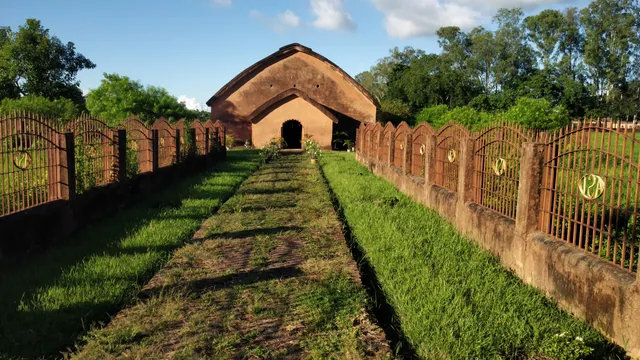
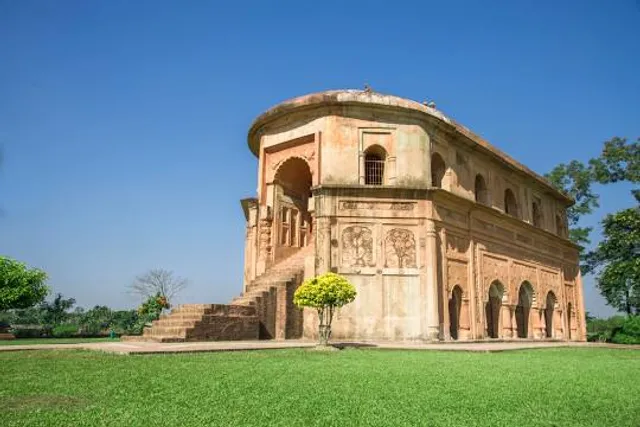
The Rang Ghar, is a two-storeyed building which once served as the royal sports-pavilion where Ahom kings and nobles were spectators at games like buffalo fights and other sports at Rupahi Pathar - particularly during the Rongali Bihu festival in the Ahom capital of Rangpur.
Nearby attractions
Talatal Ghar
XJ8F+FR5, Duboroni Ali Rd, Joysagar, Dicial Dhulia Gaon, Assam 785665, India
Gola Ghar
XJ7C+PV8, kareng road, Joysagar, Dicial Dhulia Gaon, Assam 785665, India
Uttaran Museum
XJ6F+6QJ, Joysagar, Dicial Dhulia Gaon, Assam 785665, India
Nearby restaurants
Maar Akhol
XJ8C+R9R, Joysagar, Dicial Dhulia Gaon, Assam 785640, India
Nearby hotels
MoVe Inn Homestay
A, T.Road, opposite to Ranghar, Joysagar, Sivasagar, Dicial Dhulia Gaon, Assam 785640, India
High Trees Homestay- Ranghar
Junaki Nagar, Dicial Dhulia Gaon, Assam 785697, India
JN Homestay Sivasagar
XJ6G+R4, near Talatal ghar, Joysagar, Dicial Dhulia Gaon, Assam 785665, India
ORCHID PARK HOMESTAY
RANGNATH MANDIR, Jayanagar, Joysagar, Dicial Dhulia Gaon, Assam 785665, India
Related posts
Keywords
Rang Ghar tourism.Rang Ghar hotels.Rang Ghar bed and breakfast. flights to Rang Ghar.Rang Ghar attractions.Rang Ghar restaurants.Rang Ghar travel.Rang Ghar travel guide.Rang Ghar travel blog.Rang Ghar pictures.Rang Ghar photos.Rang Ghar travel tips.Rang Ghar maps.Rang Ghar things to do.
Rang Ghar things to do, attractions, restaurants, events info and trip planning
Rang Ghar
IndiaAssamRang Ghar

Basic Info

Rang Ghar

Rang Ghar Rd, Joysagar, Dicial Dhulia Gaon, Assam 785640, India
4.6(1.6K)
Open until 12:00 AM
Save
spot

Ratings & Description

Info

The Rang Ghar, is a two-storeyed building which once served as the royal sports-pavilion where Ahom kings and nobles were spectators at games like buffalo fights and other sports at Rupahi Pathar - particularly during the Rongali Bihu festival in the Ahom capital of Rangpur.

Cultural
Outdoor
Family friendly
attractions: Talatal Ghar, Gola Ghar, Uttaran Museum, restaurants: Maar Akhol
logoLearn more insights from Wanderboat AI.
Open hoursSee all hours
WedOpen 24 hoursOpen

Plan your stay

hotel
Pet-friendly Hotels in Assam
Find a cozy hotel nearby and make it a full experience.

hotel
Affordable Hotels in Assam
Find a cozy hotel nearby and make it a full experience.

hotel
The Coolest Hotels You Haven't Heard Of (Yet)
Find a cozy hotel nearby and make it a full experience.

hotel
Trending Stays Worth the Hype in Assam
Find a cozy hotel nearby and make it a full experience.

Reviews

Nearby attractions of Rang Ghar

Talatal Ghar

Gola Ghar

Uttaran Museum
Talatal Ghar

Talatal Ghar

4.5

(2.1K)

Open 24 hours
Click for details
Gola Ghar

Gola Ghar

4.4

(63)

Open 24 hours
Click for details
Uttaran Museum

Uttaran Museum

4.4

(289)

Open 24 hours
Click for details

Nearby restaurants of Rang Ghar

Maar Akhol
Maar Akhol

Maar Akhol

3.5

(153)

Click for details
Get the Appoverlay
Get the AppOne tap to find yournext favorite spots!
Wanderboat LogoWanderboat

Your everyday Al companion for getaway ideas

CompanyAbout Us
InformationAI Trip PlannerSitemap
SocialXInstagramTiktokLinkedin
LegalTerms of ServicePrivacy Policy

Get the app

© 2025 Wanderboat. All rights reserved.
logo

Posts

AVINABAVINAB
Rang Ghar in Sibsagar, Assam, stands proudly as the oldest amphitheater in Asia, and it offers a fascinating glimpse into the rich history of the Ahom royals. This historical site was once used as a pavilion for witnessing sporting events, making it a unique and culturally significant destination. One of the commendable aspects is the maintenance effort put forth by the ASI (Archaeological Survey of India), ensuring that Rang Ghar is kept in a decent standard. However, it's important to note that physical tickets are no longer available. Instead, visitors can conveniently obtain online tickets by scanning a QR code using their cell phones, streamlining the entry process. The entrance fee is reasonable, with a cost of Rs 20 per adult, and children up to 15 years old can enter for free, making it a family-friendly attraction. However, during our visit, we encountered the inconvenience of the toilets not being open to the public, which could be improved to enhance the overall experience for visitors. While the historical significance and architectural marvel of Rang Ghar are captivating, the garden and lawns surrounding the amphitheater could benefit from better maintenance. This would undoubtedly elevate the ambiance and add to the overall enjoyment of the site. In conclusion, Rang Ghar is a must-visit destination for history enthusiasts and those interested in experiencing a piece of India's fascinating past. With the convenience of online ticketing and a reasonable entrance fee, it's accessible to a wide range of visitors. Nevertheless, attention to facilities such as the toilets and the improvement of the garden's maintenance would undoubtedly enhance the overall experience
Himangshu BaishyaHimangshu Baishya
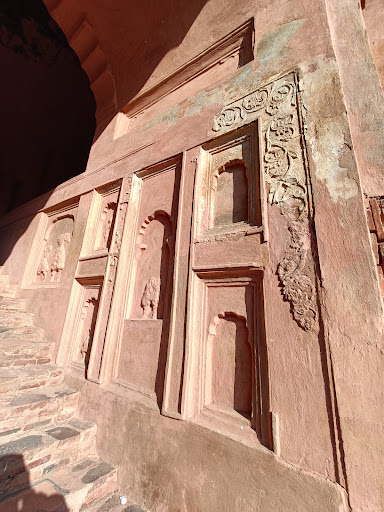
Rang Ghar is a historic structure located in the city of Sivasagar in the Indian state of Assam. It is a two-storeyed building that was built during the reign of the Ahom dynasty in the 18th century. The Rang Ghar is considered to be one of the oldest surviving amphitheaters in Asia and is a major tourist attraction in Assam. The architecture of Rang Ghar is unique and impressive. It is built using bricks and lime mortar and has a dome-shaped roof that resembles an inverted boat. The structure has four entrances and a central courtyard that can accommodate up to 6000 spectators. The walls of the building are adorned with intricate carvings and sculptures. The Rang Ghar was originally built as a royal pavilion for the Ahom kings to witness various cultural and sporting events. The amphitheater was used for traditional Assamese sports like buffalo fights, bull fights, and cockfights. It was also used for cultural events like Bihu dance performances and musical concerts. Today, the Rang Ghar is a popular tourist destination in Assam and attracts visitors from all over the world. The amphitheater has been restored and preserved by the Archaeological Survey of India and is open to the public. Visitors can explore the building and learn about its history and significance. The Rang Ghar is also a popular venue for cultural events and performances. In conclusion, the Rang Ghar is a fascinating piece of history and architecture that represents the rich cultural heritage of Assam. It is a must-visit destination for anyone traveling to the region and offers a glimpse into the ancient traditions and customs of Assamese society.
Saurav saikiaSaurav saikia
Rang Ghar is a significant cultural symbol in Assam, India. It is a traditional hut or pavilion that is built during festivals and celebrations, particularly during the Bihu festivals, which are an integral part of Assamese culture. Here are some interesting facts about Rang Ghar in Assam: - Traditional architecture: Rang Ghar is typically built using natural materials like bamboo, thatch, and wood, showcasing traditional Assamese architecture. - Colorful decorations: The hut is adorned with vibrant colors, patterns, and designs, creating a visually stunning display. - Cultural significance: Rang Ghar represents the rich cultural heritage of Assam and is a symbol of community, unity, and celebration. - Bihu festivals: Rang Ghar is an essential part of Bihu festivals, which are celebrated three times a year (Bohag Bihu in April, Magh Bihu in January, and Kati Bihu in October). - Community involvement: Building and decorating Rang Ghar is a community effort, promoting social bonding and collective participation. - Traditional performances: Rang Ghar often hosts traditional performances like music, dance, and theater, showcasing Assamese art forms. Rang Ghar is an integral part of Assamese culture and heritage, reflecting the state's rich history, traditions, and community spirit.
See more posts
See more posts
hotel
Find your stay

Pet-friendly Hotels in Assam

Find a cozy hotel nearby and make it a full experience.

Rang Ghar in Sibsagar, Assam, stands proudly as the oldest amphitheater in Asia, and it offers a fascinating glimpse into the rich history of the Ahom royals. This historical site was once used as a pavilion for witnessing sporting events, making it a unique and culturally significant destination. One of the commendable aspects is the maintenance effort put forth by the ASI (Archaeological Survey of India), ensuring that Rang Ghar is kept in a decent standard. However, it's important to note that physical tickets are no longer available. Instead, visitors can conveniently obtain online tickets by scanning a QR code using their cell phones, streamlining the entry process. The entrance fee is reasonable, with a cost of Rs 20 per adult, and children up to 15 years old can enter for free, making it a family-friendly attraction. However, during our visit, we encountered the inconvenience of the toilets not being open to the public, which could be improved to enhance the overall experience for visitors. While the historical significance and architectural marvel of Rang Ghar are captivating, the garden and lawns surrounding the amphitheater could benefit from better maintenance. This would undoubtedly elevate the ambiance and add to the overall enjoyment of the site. In conclusion, Rang Ghar is a must-visit destination for history enthusiasts and those interested in experiencing a piece of India's fascinating past. With the convenience of online ticketing and a reasonable entrance fee, it's accessible to a wide range of visitors. Nevertheless, attention to facilities such as the toilets and the improvement of the garden's maintenance would undoubtedly enhance the overall experience
AVINAB

AVINAB

hotel
Find your stay

Affordable Hotels in Assam

Find a cozy hotel nearby and make it a full experience.

Get the Appoverlay
Get the AppOne tap to find yournext favorite spots!
Rang Ghar is a historic structure located in the city of Sivasagar in the Indian state of Assam. It is a two-storeyed building that was built during the reign of the Ahom dynasty in the 18th century. The Rang Ghar is considered to be one of the oldest surviving amphitheaters in Asia and is a major tourist attraction in Assam. The architecture of Rang Ghar is unique and impressive. It is built using bricks and lime mortar and has a dome-shaped roof that resembles an inverted boat. The structure has four entrances and a central courtyard that can accommodate up to 6000 spectators. The walls of the building are adorned with intricate carvings and sculptures. The Rang Ghar was originally built as a royal pavilion for the Ahom kings to witness various cultural and sporting events. The amphitheater was used for traditional Assamese sports like buffalo fights, bull fights, and cockfights. It was also used for cultural events like Bihu dance performances and musical concerts. Today, the Rang Ghar is a popular tourist destination in Assam and attracts visitors from all over the world. The amphitheater has been restored and preserved by the Archaeological Survey of India and is open to the public. Visitors can explore the building and learn about its history and significance. The Rang Ghar is also a popular venue for cultural events and performances. In conclusion, the Rang Ghar is a fascinating piece of history and architecture that represents the rich cultural heritage of Assam. It is a must-visit destination for anyone traveling to the region and offers a glimpse into the ancient traditions and customs of Assamese society.
Himangshu Baishya

Himangshu Baishya

hotel
Find your stay

The Coolest Hotels You Haven't Heard Of (Yet)

Find a cozy hotel nearby and make it a full experience.

hotel
Find your stay

Trending Stays Worth the Hype in Assam

Find a cozy hotel nearby and make it a full experience.

Rang Ghar is a significant cultural symbol in Assam, India. It is a traditional hut or pavilion that is built during festivals and celebrations, particularly during the Bihu festivals, which are an integral part of Assamese culture. Here are some interesting facts about Rang Ghar in Assam: - Traditional architecture: Rang Ghar is typically built using natural materials like bamboo, thatch, and wood, showcasing traditional Assamese architecture. - Colorful decorations: The hut is adorned with vibrant colors, patterns, and designs, creating a visually stunning display. - Cultural significance: Rang Ghar represents the rich cultural heritage of Assam and is a symbol of community, unity, and celebration. - Bihu festivals: Rang Ghar is an essential part of Bihu festivals, which are celebrated three times a year (Bohag Bihu in April, Magh Bihu in January, and Kati Bihu in October). - Community involvement: Building and decorating Rang Ghar is a community effort, promoting social bonding and collective participation. - Traditional performances: Rang Ghar often hosts traditional performances like music, dance, and theater, showcasing Assamese art forms. Rang Ghar is an integral part of Assamese culture and heritage, reflecting the state's rich history, traditions, and community spirit.
Saurav saikia

Saurav saikia

See more posts
See more posts

Reviews of Rang Ghar

4.6
(1,551)
avatar
5.0
11w

Ranghar: A Glimpse into the Royal Past of Assam Nestled in the heart of Sivasagar, Assam, stands Ranghar, a magnificent two-storied structure that whispers tales of a bygone era. Often hailed as the "Colosseum of the East," this royal sports pavilion is a remarkable testament to the architectural brilliance and cultural legacy of the Ahom dynasty, who ruled the region for nearly six centuries.

The history of Ranghar is a story of vision and resilience. It was initially constructed with wood and bamboo by King Swargadeo Rudra Singha in 1696. Recognizing its importance as a center for royal entertainment and public gatherings, his son, Swargadeo Pramatta Singha, rebuilt it with more durable materials—brick and a unique indigenous mortar. This mortar, a paste of sticky rice, eggs, and a type of pulse, is a fascinating example of Ahom ingenuity, a technique that has allowed the structure to endure for centuries.

From a distance, the monument's most striking feature is its roof, which is shaped like an inverted Ahom royal long boat. The base is adorned with a series of arched entrances, and the roof is topped with decorative carvings of stone crocodiles. Climbing the steep staircase to the upper floor reveals a panoramic view of the vast Rupahi Pathar, the field where the Ahom kings and nobles would watch traditional games like buffalo and cock fights, wrestling, and other festivities, particularly during the vibrant Rongali Bihu festival.

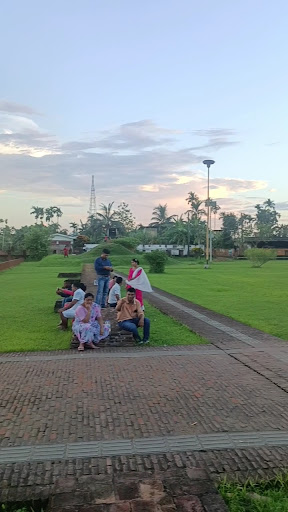
For any visitor, Ranghar offers more than just a historical tour; it is an immersive experience. The surrounding area is well-maintained with manicured lawns, making it a peaceful and picturesque spot for a stroll or photography. While the interior might lack extensive displays, the sheer atmosphere of the place transports you back to the golden age of the Ahom kingdom. It's recommended to visit during the winter months (October to February) for the most pleasant weather. The site is a key part of the larger historical landscape of Sivasagar, with other notable Ahom monuments like Talatal Ghar and Sivadol just a short drive away, making it an excellent starting point for exploring the region's rich heritage.

Ranghar is not just a building; it is a symbol of Assamese pride and a living relic of a powerful dynasty. Its unique architecture and historical significance make it a must-visit destination for anyone interested in India's diverse...

   Read more
avatar
5.0
2y

Rang Ghar, situated in the mesmerizing city of Sivasagar, Assam, is a true masterpiece that captures the essence of Assamese culture and history. As I stepped into this architectural marvel, I was instantly transported back in time, immersed in the grandeur and elegance of the Ahom dynasty.

The Rang Ghar, which translates to "Amusement House," is a symbol of architectural brilliance. Its unique design, resembling a traditional Ahom royal pavilion, is a true delight to behold. The two-storied structure stands tall, with a fascinating blend of Hindu and Islamic architectural elements. The magnificent sloping roofs, adorned with intricate carvings, showcase the remarkable craftsmanship of the Ahom dynasty.

Upon entering the Rang Ghar, I was awe-struck by the vast open space, once used for royal sports and entertainment. The grandeur of the amphitheater-style seating arrangement is a testament to the Ahom rulers' love for sports, particularly the traditional game of buffalo fights. Imagining the roaring crowds and the excitement of these events was a surreal experience.

The Rang Ghar's historical significance is further enhanced by the fact that it is one of the oldest surviving amphitheaters in Asia. It serves as a poignant reminder of Assam's rich heritage and its glorious past. The preservation efforts taken to maintain the structure are commendable, ensuring that visitors like me can witness its splendor.

Visiting Rang Ghar was not only a visual treat but also an educational journey. The well-maintained museum adjacent to the structure showcases artifacts and relics from the Ahom era, providing valuable insights into the region's history and culture. The knowledgeable guides added depth to the experience, narrating captivating stories and legends associated with Rang Ghar.

In conclusion, Rang Ghar is an architectural marvel that evokes a sense of awe and admiration. It is a testament to Assam's rich heritage and the glorious Ahom dynasty. Whether you are a history enthusiast or simply appreciate breathtaking beauty, Rang Ghar is a must-visit destination. Prepare to be captivated by its grandeur and transported back in time to an era of...

   Read more
avatar
5.0
48w

Rang Ghar, often referred to as the "House of Entertainment," is a historic two-storied pavilion situated in Sivasagar, Assam. Constructed during the Ahom dynasty, it is considered one of the oldest surviving amphitheaters in Asia. The structure was initially built using bamboo and wood during the reign of Swargadeo Rudra Singha and later reconstructed with brick by Swargadeo Pramatta Singha between 1744 and 1751 AD.

The architecture of Rang Ghar showcases a unique blend of Mughal and Southeast Asian influences. The roof is shaped like an inverted royal Ahom long boat, and the base features a series of arched entrances. Atop the roof sits a decorative pair of carved stone crocodiles. The construction utilized special thin baked bricks and a mortar made from a mixture of rice, eggs, and other indigenous materials, reflecting the advanced building techniques of the time.

Historically, Rang Ghar served as a royal sports pavilion where Ahom kings and nobles watched traditional games such as buffalo fights, especially during the Rongali Bihu festival. The adjoining field, known as Rupohi Pothar, was the venue for these events, contributing to the spread of such games throughout the kingdom and neighboring states.

In recent years, concerns have been raised about the preservation of Rang Ghar due to environmental factors and human activities. Cracks have been observed in various parts of the structure, prompting calls for conservation efforts to protect this historical monument.

Recognizing its cultural significance, the entrance to the Srimanta Sankaradeva Kalakshetra in Guwahati echoes the design of Rang Ghar. Additionally, the monument was featured in the logo of the 33rd National Games held in Guwahati in February 2007, highlighting its importance as a symbol of Assam's rich heritage.

For visitors, Rang Ghar offers a glimpse into the grandeur of the Ahom dynasty and serves as a testament to Assam's architectural and cultural legacy. Its proximity to other historical sites in Sivasagar makes it a significant destination for those interested in exploring the...

   Read more
Page 1 of 7
Previous
Next