Taj-ul-Masajid, meaning "Crown Among Mosques," is one of the largest and most magnificent mosques in India, located in Bhopal. Its construction began in the 19th century under the reign of Sultan Shah Jahan Begum, the visionary ruler of Bhopal.
However, due to financial constraints, the work remained incomplete for several decades. It was not until the 1970s that efforts to complete the mosque were resumed, and by 1985, the main large building and minarets were finally completed. This blend of old and new architectural styles adds to the mosque's unique character and historical significance.
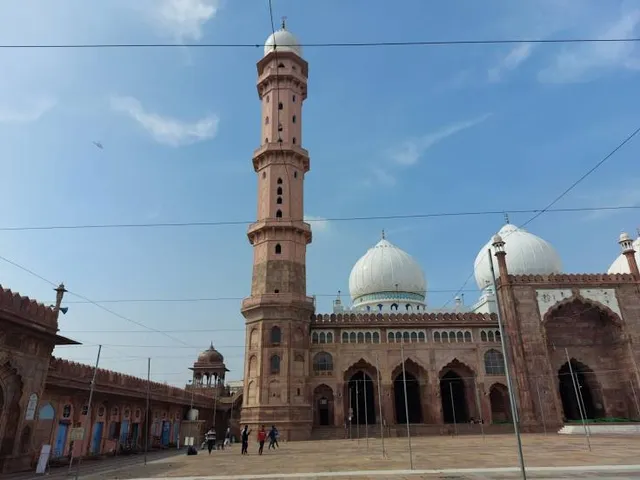
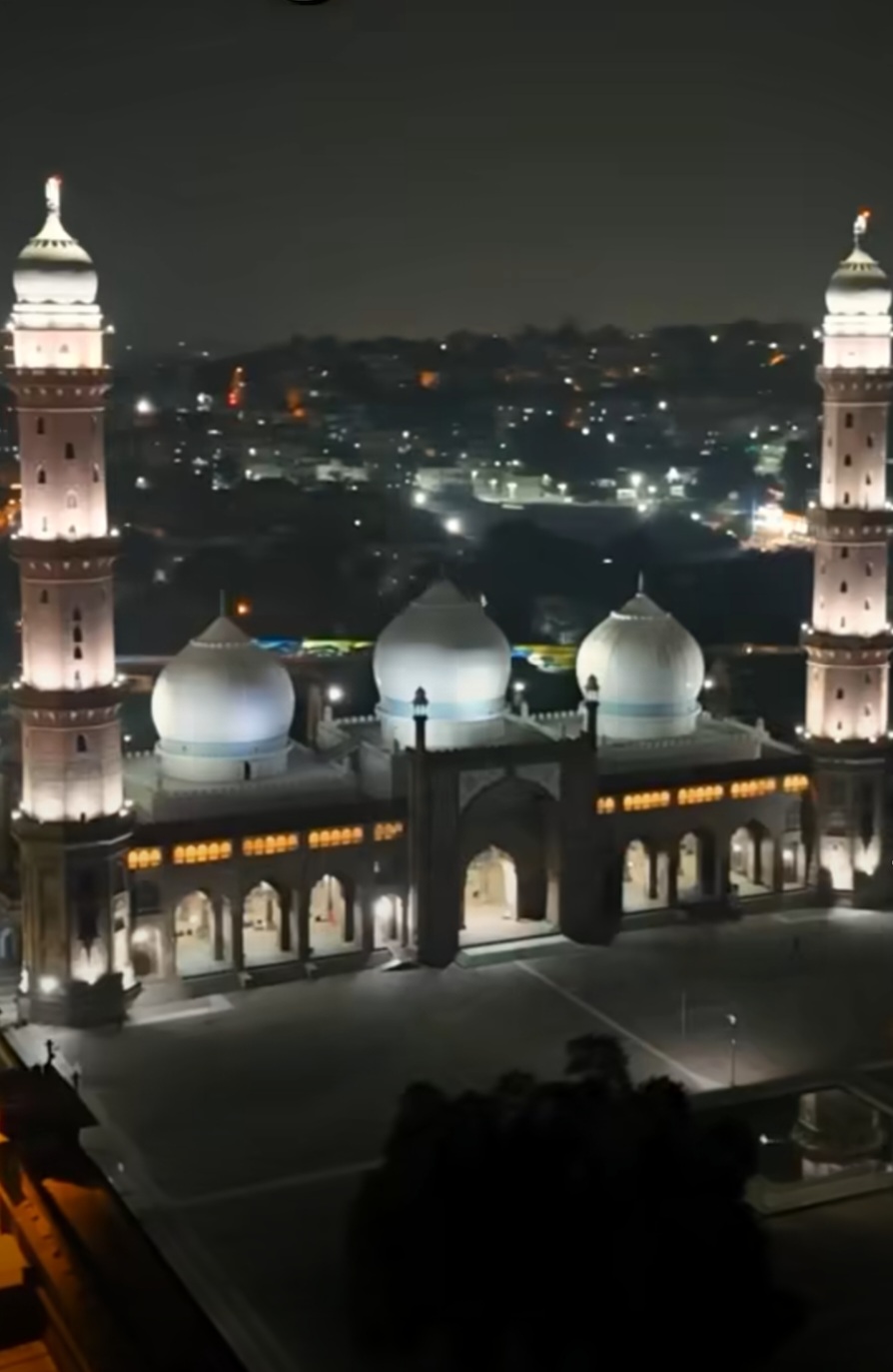
The mosque stands as a striking example of Indo-Islamic architecture, with its pink sandstone building crowned by two towering minarets and three majestic white domes. Its intricately carved arches, ornate calligraphy, and floral motifs showcase the exquisite craftsmanship of the era.
The main prayer hall is vast, accommodating thousands of worshippers, while the expansive courtyard provides a peaceful environment for prayer and reflection. There is also a small pond within the premises, though entry to this area is restricted.
Over time, the mosque has become not only a place of worship but also a cultural and educational center for the Muslim community. Religious lectures, Quranic studies, and educational programs are conducted to promote Islamic knowledge and values.
Despite its grandeur, the mosque has faced challenges in maintenance, with concerns about litter and improper upkeep. Many believe that with collective effort, the mosque could be restored to its full glory, preserving its heritage for future generations.
Situated in the heart of Bhopal, Taj-ul-Masajid remains a major landmark and a popular tourist destination. The best time to visit is during the winter months from October to March, with morning and evening hours being ideal to avoid the harsh midday sun.
Visitors are advised to dress modestly, remove their shoes before entering the main prayer hall, and respect the sanctity of the space by maintaining silence. Photography is generally allowed, but capturing images of worshippers in prayer should be avoided.
The mosque's presence dominates the Bhopal skyline, offering breathtaking views from elevated areas in the city. During early mornings and late afternoons, the sunlight enhances the intricate details of the architecture, making it a spectacular sight. Whether viewed from a distance or explored up close, Taj-ul-Masajid is a masterpiece that reflects the city's rich history and cultural heritage.
Despite its historical significance and architectural brilliance, maintenance remains an area of concern. Some visitors have noted the presence of litter and unsightly water pipes, highlighting the need for better upkeep. Many believe that with active contributions from the Muslim community in Madhya Pradesh, the mosque could be significantly improved in just a few months.
Today, Taj-ul-Masajid stands as a symbol of faith, history, and architectural grandeur. It continues to inspire awe among visitors and remains an integral part of Bhopal's cultural landscape. Its serene ambiance, combined with its breathtaking Mughal architecture, makes it a place worth visiting, whether for spiritual reflection or to appreciate its artistic and...
Read moreTaj-ul-Masajid: A Majestic Symbol of Faith in Bhopal
The Taj-ul-Masajid, meaning "Crown Among Mosques," is not just a place of worship, but a historical and architectural marvel that dominates the Bhopal skyline. As one of the largest mosques in India, it stands as a testament to the rich cultural heritage of the city and the vision of its founders.
The construction of the Taj-ul-Masajid began in the 19th century under the reign of Shah Jahan Begum, the visionary ruler of Bhopal. However, due to financial constraints, it remained incomplete for several decades. It was finally completed in 1985, with the addition of the main facade and minarets. This blend of old and new architectural styles adds to the mosque's unique character.
Architectural Grandeur The mosque's imposing structure is a sight to behold. Its pink facade, crowned by two towering minarets and three magnificent white domes, is a striking example of Indo-Islamic architecture. The main prayer hall is vast and can accommodate thousands of worshippers. The intricate calligraphy adorning the walls and the delicate floral motifs on the pillars showcase the exquisite craftsmanship of the era.
Stepping into the courtyard of the Taj-ul-Masajid, one is enveloped by a sense of tranquility. The vast open space, the gentle sound of the fountain, and the sight of worshippers engaged in prayer create an atmosphere of peace and serenity. The mosque is not only a place of worship but also a center for community gatherings and religious education.
The Taj-ul-Masajid is a must-visit destination for anyone visiting Bhopal, regardless of their religious beliefs. It offers a glimpse into the city's rich history and architectural heritage. The mosque's grandeur, serenity, and cultural significance make it a truly unforgettable experience.
While the mosque welcomes visitors of all faiths, it's important to dress modestly and respectfully. Photography is generally allowed, but it's best to avoid taking pictures of people praying. Remove your shoes before entering the main prayer hall. Maintain silence and avoid any disruptive behavior.
The Taj-ul-Masajid is more than just a mosque; it is a symbol of Bhopal's rich cultural tapestry, a beacon of faith, and an architectural masterpiece that continues to inspire awe...
Read moreTaj-ul-Masajid, located in Bhopal, India, is one of the most magnificent and iconic mosques in the country. Its name translates to "Crown of Mosques," and rightfully so, as its grandeur and architectural splendor make it a crown jewel of Islamic architecture in India.
Construction of Taj-ul-Masajid began in the 19th century during the reign of Sultan Shah Jahan Begum of Bhopal, but it was later halted due to lack of funds. It was not until the 1970s that efforts were resumed, and the mosque was finally completed in 1985. The mosque's design is a harmonious blend of Mughal and Islamic architectural styles, featuring imposing domes, towering minarets, intricate marble carvings, and ornate calligraphy.
The main prayer hall of Taj-ul-Masajid is awe-inspiring, with a vast central courtyard capable of accommodating thousands of worshippers during prayers. The prayer hall is adorned with exquisite marble flooring, intricately carved pillars, and beautifully crafted mihrabs (prayer niches) that point towards the direction of Mecca.
The mosque's exterior is equally breathtaking, with its imposing facade adorned with intricately carved arches, domes, and minarets rising majestically into the sky. The central dome, in particular, is a sight to behold, with its elegant silhouette and intricate detailing.
Taj-ul-Masajid not only serves as a place of worship but also as a cultural and educational center for the Muslim community in Bhopal. It hosts religious lectures, Quranic studies, and other educational programs aimed at promoting Islamic knowledge and values.
Beyond its religious significance, Taj-ul-Masajid is also a popular tourist attraction, drawing visitors from all over the world who come to admire its architectural beauty and learn about its rich history. The mosque's serene atmosphere and stunning architecture make it a must-visit destination for anyone traveling to Bhopal, offering a glimpse into India's rich cultural and...
Read more