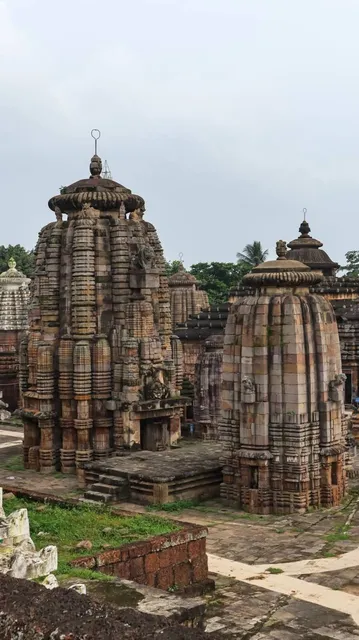
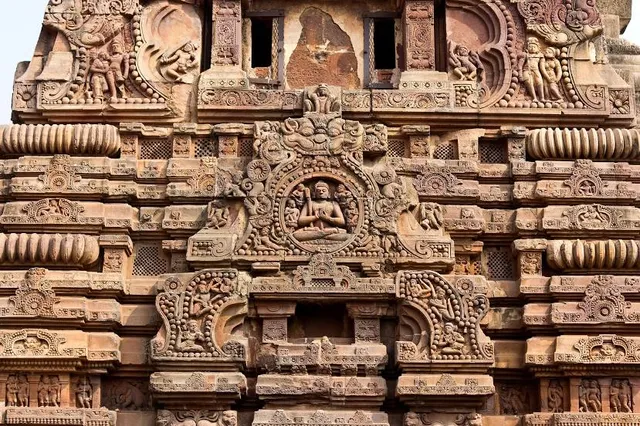
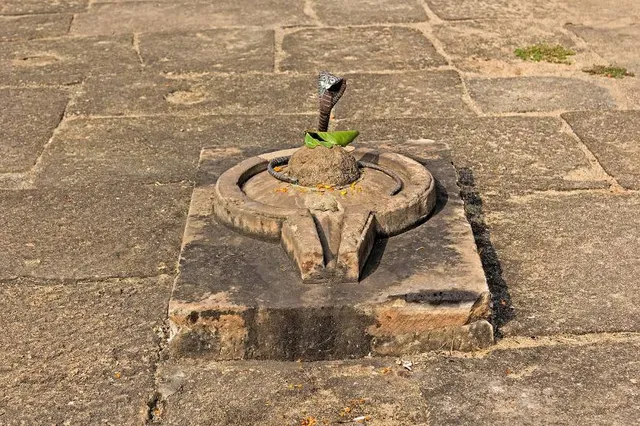
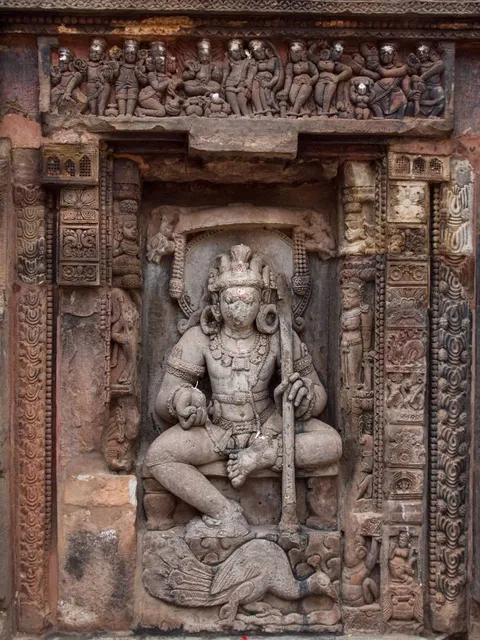
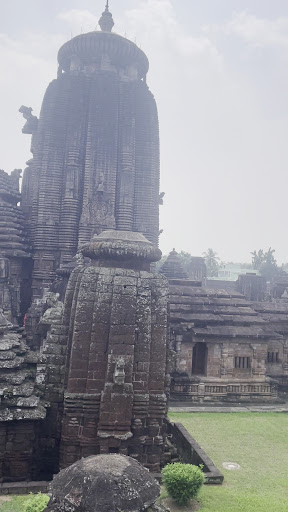
This is one of the most sacred and architecturally stunning temples in India, is a must-visit for devotees and history enthusiasts alike. Located in Bhubaneswar, Odisha, this ancient temple is dedicated to Lord Shiva (worshipped as Harihara, a form of both Shiva and Vishnu) and is the largest and most prominent temple in the city. It is believed to have been constructed in the 11th century by King Jajati Keshari of the Somavamsi dynasty, although parts of the temple date back even earlier. The temple beautifully showcases the Kalinga-style architecture, making it a significant spiritual and cultural landmark.
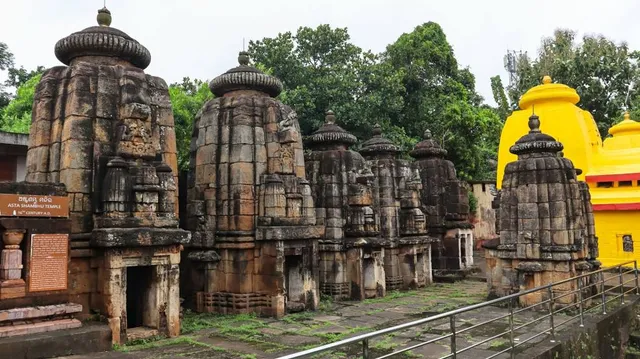
Pros: Architectural Grandeur & Historical Significance • The towering 180-foot vimana is an outstanding example of Kalinga-style temple architecture, featuring intricate stone carvings of deities, celestial beings, animals, and mythological figures. • The temple complex consists of more than 50 smaller shrines, each with unique carvings and spiritual importance. • The main sanctum houses a self-manifested Shiva Lingam, believed to have existed since time immemorial. Divine & Spiritual Ambience • The chanting of Vedic hymns, the ringing of bells, and the fragrance of sandalwood and incense create a deeply immersive spiritual atmosphere. • Devotees offer prayers, perform rituals, and seek blessings from Lord Lingaraj with great reverence. Holy Bindu Sagar Lake • Just outside the temple is the Bindu Sagar Lake, which is considered sacred. It is believed that the water of this lake contains drops from all the holy rivers of India. Many devotees take a dip in its waters before entering the temple. Grand Festivals & Rituals • The Maha Shivaratri festival is the biggest celebration at Lingaraj Temple, attracting thousands of devotees from across India. The temple is beautifully illuminated, and an elaborate night-long puja takes place. • The Chandan Yatra and Rukuna Rath Yatra, where the deities are taken in a grand procession on a chariot, are also spectacular events that draw large crowds. • The temple follows daily rituals with four main offerings: Sandhya Dhupa, Bhoga Mandapa, Dwipahar Dhupa, and Pahuda Dhupa. Devotees can partake in these sacred offerings.
Cons: Entry Restrictions for Non-Hindus • Only Hindus are allowed inside the temple complex, which may be disappointing for international tourists and people from other faiths. • However, non-Hindus can still admire the temple from the viewing platform located outside the complex near the boundary walls. Overcrowding & Long Queues • The temple is extremely crowded during festivals, weekends, and auspicious days, making darshan difficult. • Long queues can take anywhere from 30 minutes to over 2 hours, especially during Maha Shivaratri or Kartik Purnima. Cleanliness & Maintenance Issues • While the temple itself is well-maintained, the surrounding areas and approach roads could be cleaner. • There are many street vendors and beggars outside the temple, sometimes leading to inconvenience for visitors. Strict Security & Photography Restrictions • Mobile phones, cameras, and electronic gadgets are strictly not allowed inside the temple premises. Visitors need to deposit them at the entrance. • While this rule maintains the temple’s sanctity, it may disappoint tourists who want to capture the temple’s beauty.
Visitor Tips: ✔️ Best Time to Visit: Early mornings (5 AM - 8 AM) or late evenings to avoid crowds. Maha Shivaratri is a must-experience, but expect heavy crowds. ✔️ Dress Code: Wear traditional attire ✔️ Storage Facility: Since phones and cameras are not allowed, make use of the locker facility at the temple entrance. Final Verdict: Lingaraj Temple is a spiritual, historical, and architectural gem of Odisha. Whether you are a devotee seeking blessings or a traveler exploring India’s ancient temples, this place offers an unforgettable experience. Despite minor issues like overcrowding and entry restrictions, its divine aura and stunning architecture make it...
Read moreLingaraj Temple: A Masterpiece of Odishan Architecture and Devotion**
Introduction
The Lingaraj Temple, located in the heart of Bhubaneswar, is one of the most renowned and revered temples in India. This magnificent temple is a testament to the architectural and spiritual brilliance of ancient Odisha (formerly Orissa). Spanning over 5,000 square meters, the temple complex is dedicated to Lord Shiva, specifically in his form as Lord Lingaraj, the Lord of the Linga.
Historical Background
The Lingaraj Temple's history can be traced back over a thousand years to the 11th century. It was built during the reign of King Jajati Keshari of the Somavamsi dynasty, who was a devout follower of Lord Shiva. The temple has since been an important pilgrimage site for devotees of Lord Shiva and a significant cultural and historical symbol of the region.
Architectural Marvel
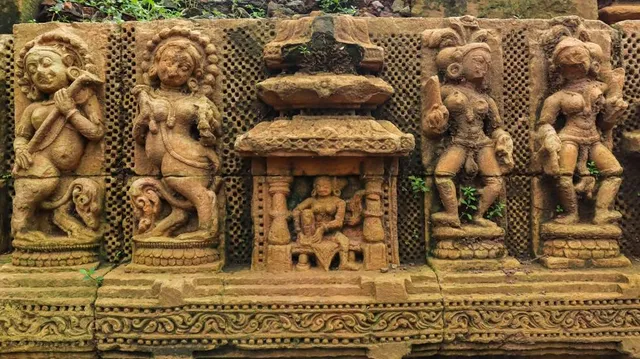
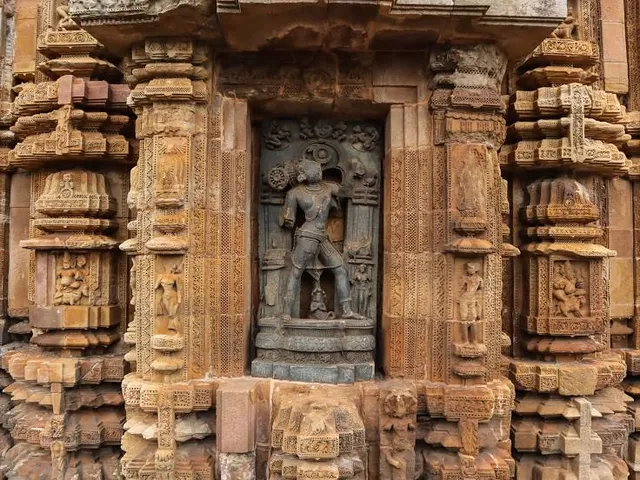
Kalinga Architecture: The Lingaraj Temple exemplifies Kalinga architecture, a distinctive style of temple construction developed in Odisha. It is characterized by its pyramidical tower, known as the Vimana, and the Jagamohana, the assembly hall. The temple's architecture is a visual delight, with intricate carvings and sculptures that depict scenes from Hindu mythology, animals, dancers, and various deities.
Vimana and Jagamohana: The main temple consists of a 55-meter tall Vimana, which dominates the Bhubaneswar skyline. The Jagamohana, although smaller, is equally impressive, featuring finely detailed sculptures and carvings. The hall is supported by numerous pillars, each uniquely decorated.
Bindu Sarovara: The temple complex also includes a sacred pond called Bindu Sarovara. Devotees believe that taking a dip in this pond before visiting the temple purifies the soul.
Spiritual Significance
The Lingaraj Temple is a center of great spiritual significance:
Lord Lingaraj: The presiding deity of the temple, Lord Lingaraj, is a form of Lord Shiva. He is revered as the lord of the Linga, representing the infinite and formless aspect of the divine.
Rituals and Festivals: The temple hosts a variety of rituals and festivals throughout the year. The Mahashivaratri festival is especially grand, attracting thousands of devotees who come to offer their prayers and seek Lord Lingaraj's blessings.
Inclusivity and Tradition
Open to All: Unlike some temples in India that restrict entry based on religion, Lingaraj Temple is open to all, irrespective of their faith. This inclusivity reflects the diverse and tolerant culture of Odisha.
Servitors and Traditions: The temple is maintained and operated by hereditary servitor families, who have been performing their roles for generations. These servitors are an integral part of the temple's traditions and rituals.
Challenges and Preservation Efforts
Conservation Challenges: Over time, environmental factors and human activities have taken a toll on the temple's structural integrity and sculptures. Conservation efforts are ongoing to preserve this architectural treasure.
UNESCO Recognition: The Lingaraj Temple complex is included in the tentative list of UNESCO World Heritage Sites, which may help in garnering more attention and resources for its preservation.
Visitor Experience
A visit to the Lingaraj Temple offers a rich cultural and spiritual experience:
Pilgrimage: Devotees come from all over India to seek blessings and perform rituals at the temple.
Architectural Marvel: Art and architecture enthusiasts are captivated by the intricate carvings and the grandeur of the temple.
Cultural Insights: Lingaraj Temple offers valuable insights into Odisha's rich cultural and religious traditions.
Conclusion
The...
Read moreA Magnificent Journey into Kalinga's Heart, with a Word of Caution Standing as the magnificent soul of Bhubaneswar, the "Temple City of India," the Lingaraj Temple is an architectural marvel and a spiritual behemoth. My recent visit was a journey back in time, a sensory experience filled with awe, devotion, and a slight touch of modern-day reality. A Glimpse into History Before you even step inside, the temple's history looms as large as its towering spire. Built in the 11th century by King Jajati Keshari of the Somavamsi dynasty, Lingaraj Temple is the quintessential example of Kalinga architecture in its full maturity. It is dedicated to Lord Shiva as Harihara – a unique form that represents the syncretism of Shaivism (Shiva) and Vaishnavism (Vishnu). The central deity is a Swayambhu (self-manifested) lingam, which is considered incredibly sacred. The sprawling complex, with its 50-odd smaller shrines, is a testament to centuries of faith and masterful craftsmanship. The Awe-Inspiring Experience The moment you pass through the main gate, the sheer scale of the main sanctum's tower (Vimana), soaring to a height of 180 feet, is breathtaking. The intricate carvings that adorn every inch of the sandstone structure are a sight to behold. Deities, celestial beings, mythical creatures, and floral patterns tell a thousand stories etched in stone. The atmosphere inside is thick with spirituality; the air is filled with the fragrance of incense, ghee lamps, and flowers, accompanied by the continuous murmur of chants and ringing bells. The feeling of being in a living, breathing place of worship that has been active for a thousand years is truly profound. The Dissonance: Where Commerce Meets Piety However, this sublime spiritual experience was unfortunately marred by a very worldly issue. As I neared the inner sanctum (Garbhagriha) to get a glimpse of the deity, the commercial aspect of the temple became glaringly apparent. A number of pujaris (priests) were quite insistent, bordering on aggressive, in directing devotees towards special pujas. My personal experience was a bit disheartening. I was approached and told that for a proper blessing and prasad, a special puja was necessary. The price quoted was a staggering ₹2000. When I politely declined, expressing my desire for just a simple darshan, the attitude soured. This transactional nature of worship felt deeply out of place within such a sacred space. It creates an uncomfortable environment, making one feel that blessings are conditional on payment, which goes against the very grain of spiritual seeking. For a pilgrim who comes with pure devotion, this can be a very jarring and disappointing experience. Final Verdict The Lingaraj Temple is, without a doubt, an unmissable destination. Its architectural grandeur and historical significance are unparalleled. It is a masterpiece that every history, art, and architecture enthusiast must see. However, visitors should be prepared for the commercial pressures within. My advice would be to be firm yet polite. You are not obligated to pay for any special puja to receive blessings. Go for the divine art, the palpable history, and the spiritual aura. But be prepared for the very human commerce that operates within its sacred walls. It is a magnificent monument, but one where you must navigate the material to experience the spiritual. Key Tips for Visitors: No Cameras or Phones: They are strictly prohibited inside. You can deposit them at a locker outside for a small fee. Dress Code: Modest attire is required. Cover your shoulders and knees. Entry: Please note that only Hindus are permitted to enter the temple premises. Others can get a decent view from a viewing platform...
Read more