HTML SitemapExplore
logo
Find Things to DoFind The Best Restaurants

Regional Museum of Natural History — Attraction in Bhubaneswar Municipal Corporation

Name
Regional Museum of Natural History
Description
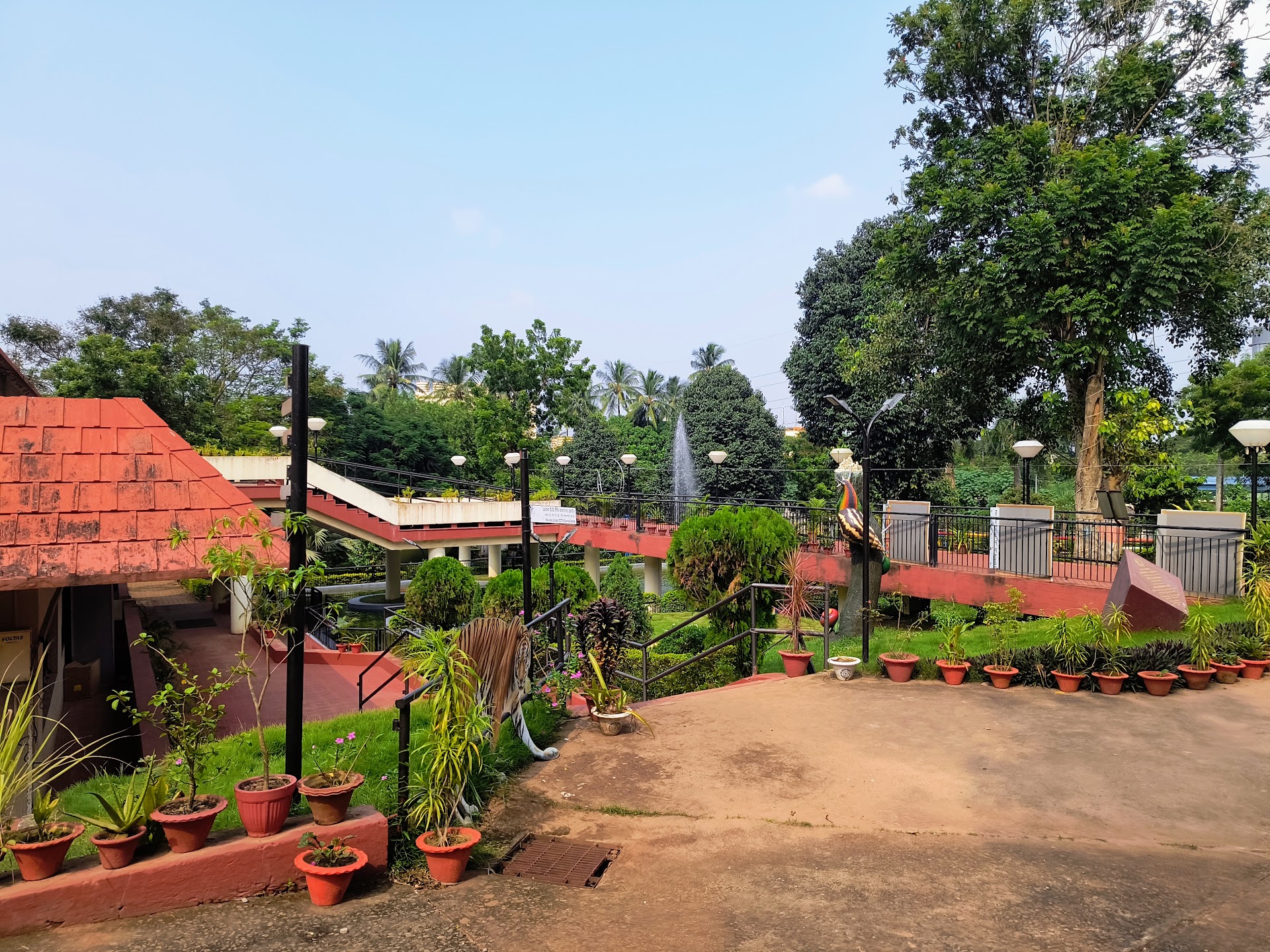
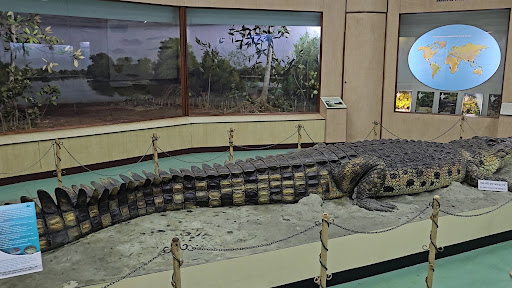
The Regional Museum of Natural History, Bhubaneswar is a museum in Bhubaneswar, Odisha, India with exhibits on plants, animals and geology of the eastern region of India. The Regional Museum of Natural History at Bhubaneswar, was inaugurated in 2004.
Nearby attractions
Regional Science Centre Bhubaneswar (Science Park)
93b, Pandit Jawaharlal Nehru Marg, Acharya Vihar, Bhubaneswar, Odisha 751022, India
Nearby restaurants
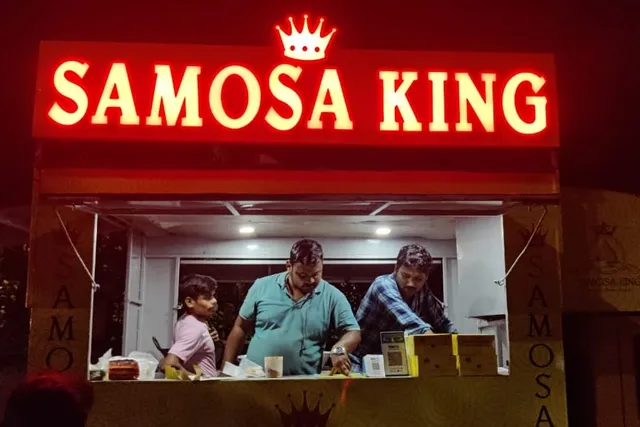
SAMOSA KING
Sachivalaya Marg, Doordarshan Colony, Gajapati Nagar, Bhubaneswar, Odisha 751013, India
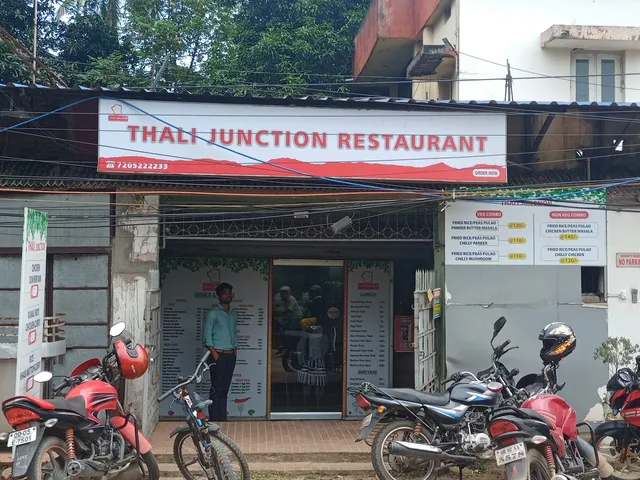
Thali Junction
M5/29, Acharya Vihar, Bhubaneswar, Odisha 751013, India
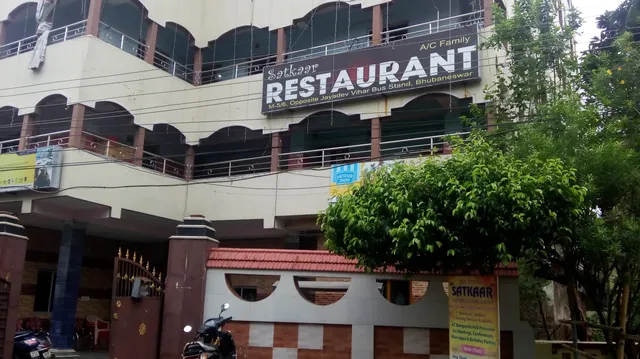
Satkar Restaurant
Acharya Vihar, Bhubaneswar, Odisha 751022, India
KBR ROLLS
7RWP+C42, Bhoinagar Basti, Bhoinagar, Bhubaneswar, Odisha 751022, India
9th Bistro
Hotel Sheetal, Gridco Colony, Saheed Nagar, Bhubaneswar, Odisha 751022, India
District High | Lounge Bar and Garden
Naibedya Complex, Plot no 2296, Doordarshan Colony, Jayadev Vihar, Bhubaneswar, Odisha 751013, India
Food Fataakha
94p, Near Utkal Villa Apartment, Acharya Vihar - jaydev Vihar Rd, Acharya Vihar, Bhubaneswar, Odisha 751022, India
DESIRE- the lounge bar
7RXF+98Q, Jayadev Vihar, Bhubaneswar, Odisha 751013, India
Hotel Darbar & Restaurant
UNIT-9 FLAT,Anand Bazar, near Water Tank, Bhubaneswar, Odisha 751022, India
Domino's Pizza | Jayadev Vihar, Bhubaneshwar
First Floor PAL Heights, J 7, Jayadev Vihar, Bhubaneswar, Odisha 751013, India
Nearby hotels
Hotel Seetal
Hotel Seetal, Square, Gridco Colony, Vani Vihar, Bhubaneswar, Odisha 751022, India
Greenland Premium Hotel
Plot No, HIG37, Jayadev Vihar, Bhubaneswar, Odisha 751013, India
Hotel Pal Heights
J-7, Jayadev Vihar-Ekamra Kanana Rd, Jayadev Vihar, Bhubaneswar, Odisha 751013, India
SM Residency, Plot No 91
7RWQ+83C, Gridco Colony, Utkal Univarsity, Bhoinagar, Bhubaneswar, Odisha 751022, India
Flagship Maa Bhagabati Guest House
258, Plot - 258, Mayfair Lagoon Rd, Doordarshan Colony, Jayadev Vihar, Bhubaneswar, Odisha 751013, India
FabHotel Greenland Grand
Plot no-38, BhubaneswarPlot, opposite Pal heights, Doordarshan Colony, Jayadev Vihar, Bhubaneswar, Odisha 751013, India
Karisma Premium
Hig 3, Gangadhar Meher Marg, BDA Colony, Nagar, Jayadev Vihar, Bhubaneswar, Odisha 751013, India
Flagship 75122 Raydission Inn
Ward 41, South East Zone, Municipal Corporation, Doordarshan Colony, Gajapati Nagar, Bhubaneswar, Odisha 751013, India
Midway Inn
100, Mall, near Pal heights, Jayadev Vihar, Bhubaneswar, Odisha 751013, India
OYO 8740 Nayapalli
HIG-35, BDA Colony, Doordarshan Colony, Jayadev Vihar, Bhubaneswar, Odisha 751013, India
Related posts
Keywords
Regional Museum of Natural History tourism.Regional Museum of Natural History hotels.Regional Museum of Natural History bed and breakfast. flights to Regional Museum of Natural History.Regional Museum of Natural History attractions.Regional Museum of Natural History restaurants.Regional Museum of Natural History travel.Regional Museum of Natural History travel guide.Regional Museum of Natural History travel blog.Regional Museum of Natural History pictures.Regional Museum of Natural History photos.Regional Museum of Natural History travel tips.Regional Museum of Natural History maps.Regional Museum of Natural History things to do.
Regional Museum of Natural History things to do, attractions, restaurants, events info and trip planning
Regional Museum of Natural History
IndiaOdishaBhubaneswar Municipal CorporationRegional Museum of Natural History

Basic Info

Regional Museum of Natural History

Sachivalaya Marg, near Planetorium, Doordarshan Colony, Acharya Vihar, Bhubaneswar, Odisha 751013, India
4.5(2K)
Closed
Save
spot

Ratings & Description

Info

The Regional Museum of Natural History, Bhubaneswar is a museum in Bhubaneswar, Odisha, India with exhibits on plants, animals and geology of the eastern region of India. The Regional Museum of Natural History at Bhubaneswar, was inaugurated in 2004.

Cultural
Educational
Family friendly
Accessibility
attractions: Regional Science Centre Bhubaneswar (Science Park), restaurants: SAMOSA KING, Thali Junction, Satkar Restaurant, KBR ROLLS, 9th Bistro, District High | Lounge Bar and Garden, Food Fataakha, DESIRE- the lounge bar, Hotel Darbar & Restaurant, Domino's Pizza | Jayadev Vihar, Bhubaneshwar
logoLearn more insights from Wanderboat AI.
Phone
+91 674 256 7114
Open hoursSee all hours
Wed10 AM - 6 PMClosed

Plan your stay

hotel
Pet-friendly Hotels in Bhubaneswar Municipal Corporation
Find a cozy hotel nearby and make it a full experience.

hotel
Affordable Hotels in Bhubaneswar Municipal Corporation
Find a cozy hotel nearby and make it a full experience.

hotel
The Coolest Hotels You Haven't Heard Of (Yet)
Find a cozy hotel nearby and make it a full experience.

hotel
Trending Stays Worth the Hype in Bhubaneswar Municipal Corporation
Find a cozy hotel nearby and make it a full experience.

Reviews

Nearby attractions of Regional Museum of Natural History

Regional Science Centre Bhubaneswar (Science Park)
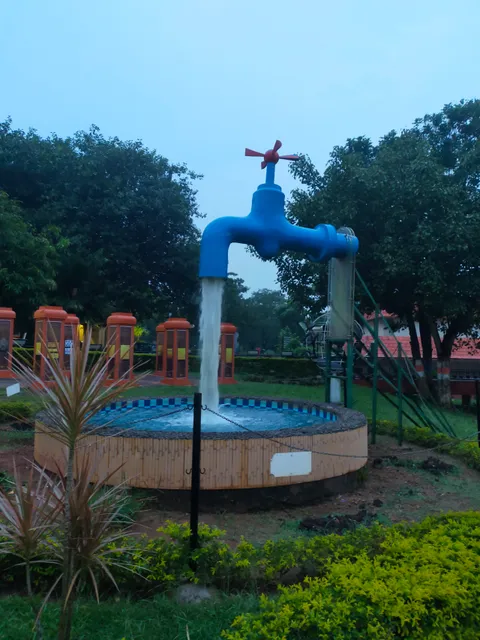
Regional Science Centre Bhubaneswar (Science Park)

Regional Science Centre Bhubaneswar (Science Park)

4.4

(2.9K)

Closed
Click for details

Nearby restaurants of Regional Museum of Natural History

SAMOSA KING

Thali Junction

Satkar Restaurant

KBR ROLLS

9th Bistro

District High | Lounge Bar and Garden

Food Fataakha
DESIRE- the lounge bar

Hotel Darbar & Restaurant

Domino's Pizza | Jayadev Vihar, Bhubaneshwar

SAMOSA KING

SAMOSA KING

4.2

(120)

Click for details
Thali Junction

Thali Junction

3.8

(485)

Click for details
Satkar Restaurant

Satkar Restaurant

3.7

(526)

$$

Closed
Click for details
KBR ROLLS

KBR ROLLS

3.9

(32)

$

Click for details
Get the Appoverlay
Get the AppOne tap to find yournext favorite spots!
Wanderboat LogoWanderboat

Your everyday Al companion for getaway ideas

CompanyAbout Us
InformationAI Trip PlannerSitemap
SocialXInstagramTiktokLinkedin
LegalTerms of ServicePrivacy Policy

Get the app

© 2025 Wanderboat. All rights reserved.
logo

Reviews of Regional Museum of Natural History

4.5
(2,043)
avatar
5.0
4y

Open main menu


Search

Regional Museum of Natural History, Bhubaneswar

Language

Download PDF

Watch

Edit

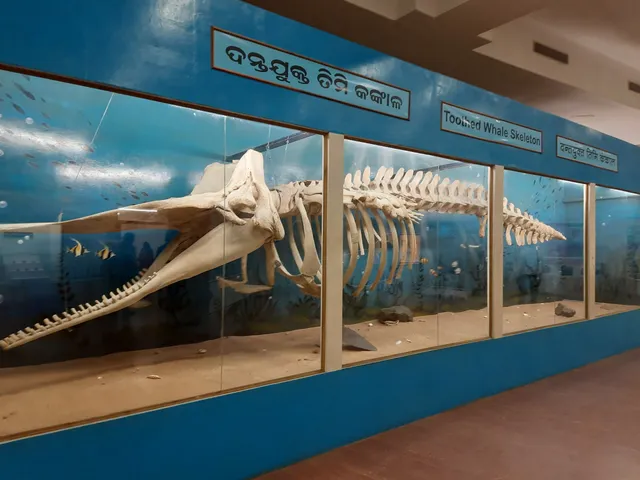
The Regional Museum of Natural History, Bhubaneswar is a museum in Bhubaneswar, Odisha, India with exhibits on plants, animals and geology of the eastern region of India. The Regional Museum of Natural History at Bhubaneswar, was inaugurated in 2004.[1] It was undertaken by the Ministry of Environment and Forests, Government of India. The museum is located near Acharaya Vihar Square on Sachivalaya Marg, Bhubaneswar. The museum exhibits plants, animals and geology of the Odisha, the Eastern and north-eastern India[2] and the Andaman and Nicobar Islands of India.[1] The galleries emphasize the conservation of nature and natural resources while depicting ecological interrelationship among plants and animals. Visually challenged students can feel the exhibits of animals on the premises. The museum provides an extracurricular activity for schools and promotes environmental awareness. A skeleton of baleen whale has been installed in the museum, which is supposed to be largest for any museum in India.[3] Since May, 2017 this museum became one of the first museums in india to generate and use green energy though solar power production. This grid connected solar power plant is of roof type and generate 189 KvA electricity per month which makes it largest rooftop solar power plant in Odisha.


Regional Museum of Natural History Bhubaneswar

See alsoEdit

National Museum of Natural History, New Delhi

Regional Museum of Natural History, Bhopal

Regional Museum of Natural History Mysore

Rajiv Gandhi Regional Museum of Natural History, Sawai Madhopur

Odisha State Museum

Tribal Research Institute Museum

ReferencesEdit

^ a b "Regional Museum of Natural History, Bhubaneswar". National Museum of Natural History, Government of India. Retrieved 13 March 2013.

^ "A slice of northeast in Bhubaneswar". Times of India. 1 June 2011. Retrieved 13 March 2013.

^ "Bhubaneswar Museum exhibits gigantic blue whale skeleton". Sify. 12 August 2010. Retrieved 13 March 2013.

External linksEdit

Homepage of Regional Museum of Natural History, Bhubaneswar

Last edited 9 months ago by Ser Amantio di Nicolao

RELATED ARTICLES

Regional Museum of Natural History Mysore

List of power stations in India

Wikipedia list article

Rajiv Gandhi Regional Museum of Natural History

Museum of Natural History in Ramsinghpura, Sawai Madhopur


Content is available under CC BY-SA 3.0 unless otherwise noted.

Privacy policy

Terms of...

   Read more
avatar
4.0
1y

A Window into Nature's Wonders: Regional Museum of Natural History, Bhubaneswar

The Regional Museum of Natural History, located in Bhubaneswar, is an educational and engaging destination that offers a glimpse into the diverse and fascinating world of nature. This museum is a fantastic resource for both children and adults, fostering a love for nature, science, and the environment.

Exhibits and Attractions:

The museum is spread over two floors and features a wide range of exhibits, highlighting the flora, fauna, and geological history of the region. There are various engaging and interactive displays, including a fossil gallery, a butterfly garden, and a miniature replica of the Eastern Ghats. The museum also features a well-curated section on the indigenous tribes of the region and their relationship with nature.

One of the highlights of the museum is the vivarium, which houses live specimens of reptiles, amphibians, and birds. This section allows visitors to observe the animals up close and learn about their unique characteristics and behaviors. The museum also has a well-stocked library, which houses a vast collection of books and resources on natural history, making it a treasure trove for researchers and enthusiasts.

Educational Programs:

The Regional Museum of Natural History also offers various educational programs and workshops for students, teachers, and the general public. These programs aim to educate visitors about the importance of conservation and the magnificent biodiversity of the region. The museum conducts guided tours and has a team of knowledgeable staff members who are always willing to answer questions and provide insights into the exhibits.

Things to Keep in Mind:

While the museum is a great place for families and groups, it may not be suitable for very young children as some exhibits may be too detailed or complicated for them. It is recommended to visit the museum during weekdays or early mornings to avoid crowds.

Conclusion:

The Regional Museum of Natural History is a valuable resource for anyone interested in learning about the rich biodiversity of the region. With its fascinating exhibits, interactive displays, and educational programs, it offers a unique and engaging experience that fosters a deeper appreciation and understanding of the...

   Read more
avatar
5.0
2y

Visiting a natural science museum is an enriching and captivating experience that allows individuals to explore the wonders of the natural world. From ancient fossils to interactive exhibits, these museums provide a unique opportunity to engage with scientific knowledge and gain a deeper understanding of our planet's history and diversity.

Upon entering a natural science museum, one is often greeted by impressive displays showcasing prehistoric creatures and their habitats. The skeletons of dinosaurs, the massive replicas of marine creatures, and the preserved specimens of extinct species create a sense of awe and wonder. These exhibits offer a glimpse into the ancient past and help us comprehend the vastness of geological time.

Interactive exhibits play a crucial role in enhancing the visitor's experience. Visitors can participate in hands-on activities, conduct experiments, and solve puzzles that demonstrate scientific principles. These interactive displays encourage active learning and enable visitors to explore scientific concepts through personal engagement.

Natural science museums also provide valuable educational opportunities. They often feature informative panels, videos, and knowledgeable staff members who are eager to share their expertise. Guided tours and workshops offer deeper insights into various scientific fields, such as paleontology, geology, astronomy, and biology. This exposure to scientific knowledge fosters curiosity and inspires visitors to develop a greater appreciation for the natural world.

Additionally, natural science museums frequently host temporary exhibitions and special events, further enhancing the visitor's experience. These exhibits may focus on specific topics like climate change, space exploration, or biodiversity conservation, offering a chance to delve into current scientific research and its implications.

Overall, visiting a natural science museum is an immersive journey through the wonders of the natural world. It provides a platform for individuals of all ages to engage with scientific knowledge, gain a deeper understanding of our planet's history, and cultivate a sense of awe and appreciation for the diversity and complexity of...

   Read more
Page 1 of 7
Previous
Next

Posts

AkashAkash
A Window into Nature's Wonders: Regional Museum of Natural History, Bhubaneswar The Regional Museum of Natural History, located in Bhubaneswar, is an educational and engaging destination that offers a glimpse into the diverse and fascinating world of nature. This museum is a fantastic resource for both children and adults, fostering a love for nature, science, and the environment. Exhibits and Attractions: The museum is spread over two floors and features a wide range of exhibits, highlighting the flora, fauna, and geological history of the region. There are various engaging and interactive displays, including a fossil gallery, a butterfly garden, and a miniature replica of the Eastern Ghats. The museum also features a well-curated section on the indigenous tribes of the region and their relationship with nature. One of the highlights of the museum is the vivarium, which houses live specimens of reptiles, amphibians, and birds. This section allows visitors to observe the animals up close and learn about their unique characteristics and behaviors. The museum also has a well-stocked library, which houses a vast collection of books and resources on natural history, making it a treasure trove for researchers and enthusiasts. Educational Programs: The Regional Museum of Natural History also offers various educational programs and workshops for students, teachers, and the general public. These programs aim to educate visitors about the importance of conservation and the magnificent biodiversity of the region. The museum conducts guided tours and has a team of knowledgeable staff members who are always willing to answer questions and provide insights into the exhibits. Things to Keep in Mind: While the museum is a great place for families and groups, it may not be suitable for very young children as some exhibits may be too detailed or complicated for them. It is recommended to visit the museum during weekdays or early mornings to avoid crowds. Conclusion: The Regional Museum of Natural History is a valuable resource for anyone interested in learning about the rich biodiversity of the region. With its fascinating exhibits, interactive displays, and educational programs, it offers a unique and engaging experience that fosters a deeper appreciation and understanding of the natural world.
RABISHANKAR BEHERARABISHANKAR BEHERA
The Regional Museum of Natural History in Bhubaneswar is a worthwhile, free-to-enter destination, especially for families and students, offering an informative and engaging look at the region's biodiversity through exhibits like large animal skeletons (including whales), stuffed animals, fossils, and geological displays. While some older reviews suggest exhibits could use an upgrade, recent visitors praise its well-maintained displays and peaceful atmosphere. Located next to the planetarium, it's a great spot to spend a few hours learning about local flora and fauna and the importance of conservation. What to See & Do Impressive Skeletons: Marvel at the life-size skeletons of large animals like elephants and whales, which are a major highlight. Stuffed Animals & Specimens: Explore a diverse collection of stuffed birds, mammals, reptiles, and insects, as well as specimens preserved in jars. Fossil & Geological Exhibits: Discover fossils and rocks that showcase the geological history of the area. Regional Biodiversity: Learn about the specific flora and fauna of Odisha, with exhibits on places like Chilika and Simlipal. Interactive Displays: Engage with interactive exhibits focused on ecosystems, biodiversity, and conservation efforts. Why Visit FREE Entry: The museum has no entry fee, making it an excellent and accessible educational experience. Educational Value: It's a treasure trove of information, ideal for students and anyone interested in life sciences. Family-Friendly: The exhibits are captivating for children and provide a fun and informative family outing. Conservation Awareness: The museum aims to foster an appreciation for the natural world and promote awareness about conservation. Tips for Your Visit Plan for a Few Hours: You can easily spend a couple of hours exploring the museum's extensive collections. Location: It's located next to the planetarium in Acharya Vihar, Bhubaneswar. Check for Updates: While many recent reviews are positive, some older ones noted that exhibits could benefit from renovations.
Dr. Srinivas Panicker KodiyathDr. Srinivas Panicker Kodiyath
Although the building and campus is well maintained and is worthy of spending a few hours for strolling around, the artifacts inside were disappointing. The place seemed poorly lit, and dusty like any government establishment.This place would have amused me as a kid in 1990. But we are in 2022 and the kids today are more informed, and need more to be engaged and amused. There were a few formalin preserved reptiles and usual birds, and skeletons. I expected way more from a natural history museum of Odisha which was supposed to display the rich geological history, rocks, fossils, and the anthropological specimen from the region. (C'mon the first landmass to come out of the sea in Precambrian earth was discovered to be in Singhbaum, Jharkhand...320 or 350 crore years back... and what are we telling the kids here in a regional museum with few random taxidermied butterfly and dolphin skeletons ?) Surprisingly the Kolkata museum is flooded with these rock, mineral specimen, fossils, bones and skeletons of prehistoric animals collected from the provinces across Eastern India since 1700s by the British, and it seemed they had less space to put up many more that they have kept in the celler.I wished to see a fraction of these here in Bhubaneshwar. This is a costly piece of land being wasted with a single floor museum with a somewhat 3-4000 square feet of display area poorly lit, explained and equipped. Natural history museums can be made so attractive that it could replace classrooms in these subjects, engaging the kids. I guess the government can do way better with this museum for the coming generations.
See more posts
See more posts
hotel
Find your stay

Pet-friendly Hotels in Bhubaneswar Municipal Corporation

Find a cozy hotel nearby and make it a full experience.

A Window into Nature's Wonders: Regional Museum of Natural History, Bhubaneswar The Regional Museum of Natural History, located in Bhubaneswar, is an educational and engaging destination that offers a glimpse into the diverse and fascinating world of nature. This museum is a fantastic resource for both children and adults, fostering a love for nature, science, and the environment. Exhibits and Attractions: The museum is spread over two floors and features a wide range of exhibits, highlighting the flora, fauna, and geological history of the region. There are various engaging and interactive displays, including a fossil gallery, a butterfly garden, and a miniature replica of the Eastern Ghats. The museum also features a well-curated section on the indigenous tribes of the region and their relationship with nature. One of the highlights of the museum is the vivarium, which houses live specimens of reptiles, amphibians, and birds. This section allows visitors to observe the animals up close and learn about their unique characteristics and behaviors. The museum also has a well-stocked library, which houses a vast collection of books and resources on natural history, making it a treasure trove for researchers and enthusiasts. Educational Programs: The Regional Museum of Natural History also offers various educational programs and workshops for students, teachers, and the general public. These programs aim to educate visitors about the importance of conservation and the magnificent biodiversity of the region. The museum conducts guided tours and has a team of knowledgeable staff members who are always willing to answer questions and provide insights into the exhibits. Things to Keep in Mind: While the museum is a great place for families and groups, it may not be suitable for very young children as some exhibits may be too detailed or complicated for them. It is recommended to visit the museum during weekdays or early mornings to avoid crowds. Conclusion: The Regional Museum of Natural History is a valuable resource for anyone interested in learning about the rich biodiversity of the region. With its fascinating exhibits, interactive displays, and educational programs, it offers a unique and engaging experience that fosters a deeper appreciation and understanding of the natural world.
Akash

Akash

hotel
Find your stay

Affordable Hotels in Bhubaneswar Municipal Corporation

Find a cozy hotel nearby and make it a full experience.

Get the Appoverlay
Get the AppOne tap to find yournext favorite spots!
The Regional Museum of Natural History in Bhubaneswar is a worthwhile, free-to-enter destination, especially for families and students, offering an informative and engaging look at the region's biodiversity through exhibits like large animal skeletons (including whales), stuffed animals, fossils, and geological displays. While some older reviews suggest exhibits could use an upgrade, recent visitors praise its well-maintained displays and peaceful atmosphere. Located next to the planetarium, it's a great spot to spend a few hours learning about local flora and fauna and the importance of conservation. What to See & Do Impressive Skeletons: Marvel at the life-size skeletons of large animals like elephants and whales, which are a major highlight. Stuffed Animals & Specimens: Explore a diverse collection of stuffed birds, mammals, reptiles, and insects, as well as specimens preserved in jars. Fossil & Geological Exhibits: Discover fossils and rocks that showcase the geological history of the area. Regional Biodiversity: Learn about the specific flora and fauna of Odisha, with exhibits on places like Chilika and Simlipal. Interactive Displays: Engage with interactive exhibits focused on ecosystems, biodiversity, and conservation efforts. Why Visit FREE Entry: The museum has no entry fee, making it an excellent and accessible educational experience. Educational Value: It's a treasure trove of information, ideal for students and anyone interested in life sciences. Family-Friendly: The exhibits are captivating for children and provide a fun and informative family outing. Conservation Awareness: The museum aims to foster an appreciation for the natural world and promote awareness about conservation. Tips for Your Visit Plan for a Few Hours: You can easily spend a couple of hours exploring the museum's extensive collections. Location: It's located next to the planetarium in Acharya Vihar, Bhubaneswar. Check for Updates: While many recent reviews are positive, some older ones noted that exhibits could benefit from renovations.
RABISHANKAR BEHERA

RABISHANKAR BEHERA

hotel
Find your stay

The Coolest Hotels You Haven't Heard Of (Yet)

Find a cozy hotel nearby and make it a full experience.

hotel
Find your stay

Trending Stays Worth the Hype in Bhubaneswar Municipal Corporation

Find a cozy hotel nearby and make it a full experience.

Although the building and campus is well maintained and is worthy of spending a few hours for strolling around, the artifacts inside were disappointing. The place seemed poorly lit, and dusty like any government establishment.This place would have amused me as a kid in 1990. But we are in 2022 and the kids today are more informed, and need more to be engaged and amused. There were a few formalin preserved reptiles and usual birds, and skeletons. I expected way more from a natural history museum of Odisha which was supposed to display the rich geological history, rocks, fossils, and the anthropological specimen from the region. (C'mon the first landmass to come out of the sea in Precambrian earth was discovered to be in Singhbaum, Jharkhand...320 or 350 crore years back... and what are we telling the kids here in a regional museum with few random taxidermied butterfly and dolphin skeletons ?) Surprisingly the Kolkata museum is flooded with these rock, mineral specimen, fossils, bones and skeletons of prehistoric animals collected from the provinces across Eastern India since 1700s by the British, and it seemed they had less space to put up many more that they have kept in the celler.I wished to see a fraction of these here in Bhubaneshwar. This is a costly piece of land being wasted with a single floor museum with a somewhat 3-4000 square feet of display area poorly lit, explained and equipped. Natural history museums can be made so attractive that it could replace classrooms in these subjects, engaging the kids. I guess the government can do way better with this museum for the coming generations.
Dr. Srinivas Panicker Kodiyath

Dr. Srinivas Panicker Kodiyath

See more posts
See more posts