Archaeological Site of Nalanda Mahavihara at Nalanda, Bihar The Nalanda Mahavihara site is in the State of Bihar, in north-eastern India. It comprises the archaeological remains of a monastic and scholastic institution dating from the 3rd century BCE to the 13th century CE. It includes stupas, shrines, viharas (residential and educational buildings) and important art works in stucco, stone and metal. Nalanda stands out as the most ancient university of the Indian Subcontinent. It engaged in the organized transmission of knowledge over an uninterrupted period of 800 years. The historical development of the site testifies to the development of Buddhism into a religion and the flourishing of monastic and educational traditions.
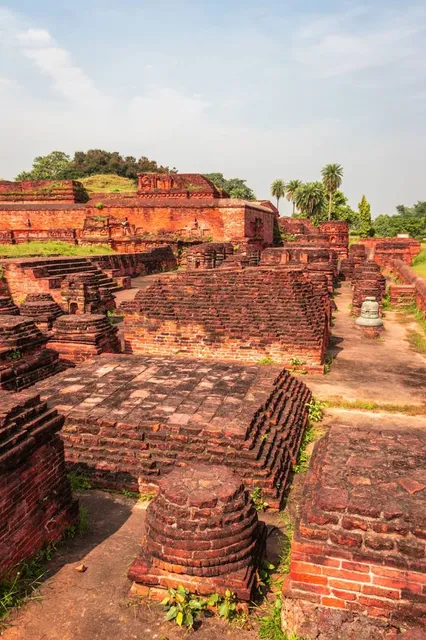
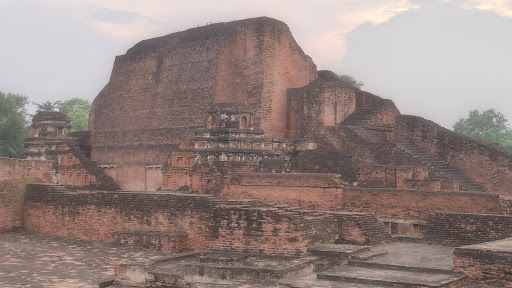
English French Arabic Chinese Russian Spanish Japanese Dutch Hindi Archaeological Site of Nalanda Mahavihara at Nalanda, Bihar Excavated Remains of Nalanda Mahavihara: View of Site no. 03 and structure to north of Site no. 1B from East © Rajneesh Raj Archaeological Site of Nalanda Mahavihara at Nalanda, BiharArchaeological Site of Nalanda Mahavihara at Nalanda, BiharArchaeological Site of Nalanda Mahavihara at Nalanda, BiharArchaeological Site of Nalanda Mahavihara at Nalanda, BiharArchaeological Site of Nalanda Mahavihara at Nalanda, BiharArchaeological Site of Nalanda Mahavihara at Nalanda, BiharArchaeological Site of Nalanda Mahavihara at Nalanda, BiharArchaeological Site of Nalanda Mahavihara at Nalanda, BiharArchaeological Site of Nalanda Mahavihara at Nalanda, BiharArchaeological Site of Nalanda Mahavihara at Nalanda, Bihar Outstanding Universal Value Brief synthesis
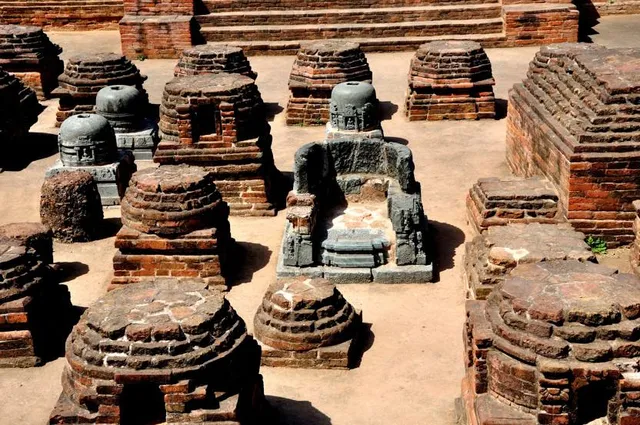
The Archaeological Site of Nalanda Mahavihara is located in the North-eastern state of Bihar, India. Spread over an area of 23 hectares the Archaeological site of Nalanda Mahavihara presents remains dating from circa. 3rd Cen BCE with one of the earliest, the largest of its time and longest serving monastic cum scholastic establishment in Indian Subcontinent from 5th Cen CE - 13th Cen CE before the sack and abandonment of Nalanda in the 13th Century. It includes stupas, chaityas, viharas, shrines, many votive structures and important art works in stucco, stone and metal. The layout of the buildings testifies to the change from grouping around the stupa-chaitya to a formal linear alignment flanking an axis from south to north. The historic development of the property testifies to the development of Buddhism into a religion and the flourishing of monastic and educational traditions.
Criterion (iv): The Archaeological Site of Nalanda Mahavihara established and developed planning, architectural, artistic principles that were adopted later by many similar institutions in the Indian Subcontinent, South Asia and Southeast Asia.
Standardisation of the architecture of viharas and the evolution of temple-like chaitya into Nalanda prototypes manifests the sustained interchange and patronage towards the expansion of physical infrastructure. The quadrangular free-standing vihara of Gandhara period evolved into a complete residential cum-educational infrastructure borrowed by monastic-cities of South Asia such as Paharpur, Vikramshila, Odantapuri and Jagaddala.
Nalanda shows emergence and mainstreaming of a chaitya having quincuxial (five-fold) form. As a reflection and representation of changing religious practices, this new form replaced the traditionally dominant stupa and influenced Buddhist temples in the region.
Criterion (vi): Nalanda Mahavihara, as a centre for higher learning marks the zenith in the evolution of sangharama (monastic establishment) into the earliest higher learning establishment of early medieval India. Its merit-based approach said to have embraced all contemporary sources of knowledge and systems of learning practiced in the Indian subcontinent.
Nalanda remains one of the earliest and longest serving extraordinary...
Read moreA Timeless Beacon of Knowledge: The Ruins of Nalanda Mahavihara
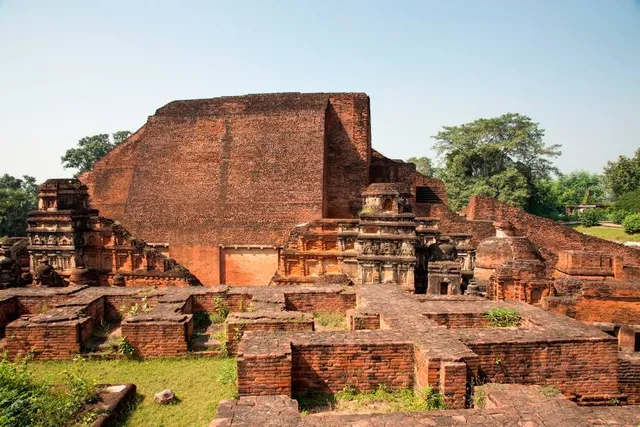
The Ruins of Nalanda Mahavihara in Bihar stand as a monumental testament to humanity’s enduring quest for knowledge and enlightenment. This ancient seat of learning is not merely an archaeological marvel but a symbol of intellectual and spiritual grandeur that shaped civilizations across Asia.
A Legacy of Scholarly Excellence Founded in the 5th century CE, Nalanda evolved into the world’s first residential university, attracting scholars from distant lands. For over 800 years, it thrived as a hub of interdisciplinary education, offering courses in philosophy, astronomy, medicine, logic, and mathematics. The campus once housed thousands of students and teachers, creating a vibrant community of learning and discourse.
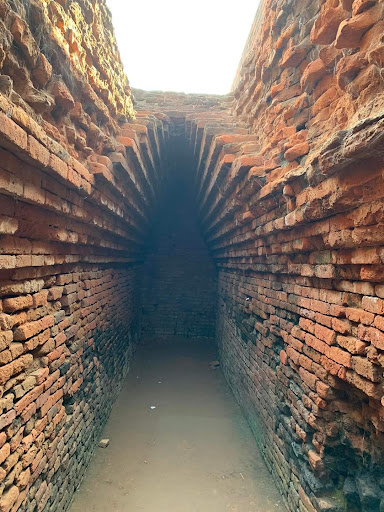
Architectural Splendor Walking through the red-brick ruins today, visitors are awed by the meticulous planning and artistic brilliance of Nalanda. The site features: Temple No. 3, the most iconic structure, with multiple phases of construction and intricate carvings of Buddha and Bodhisattvas. Monasteries revealing multi-story residential cells, courtyards, and shrines that reflect the daily life of monks and scholars. The remnants of legendary libraries, once home to countless manuscripts that preserved ancient wisdom.
A Spiritual and Cultural Pilgrimage Nalanda’s serene ambiance, dotted with ancient stupas and shaded by lush gardens, invites reflection on its profound legacy. The nearby archaeological museum enriches the experience with artifacts like Buddha statues, coins, and inscriptions, offering glimpses into its golden era. The site’s influence extended far beyond its physical boundaries, shaping monastic architecture and educational traditions across Asia.
*Why Visit Nalanda? Historical Significance: A cradle of global education and cross-cultural exchange. Architectural Grandeur: Marvel at the fusion of artistic and structural brilliance. Spiritual Resonance: Walk in the footsteps of great thinkers and spiritual leaders. Modern Revival: The spirit of Nalanda lives on in institutions dedicated to learning and research.
Nalanda is more than ruins—it is a living ode to the power of knowledge. For history enthusiasts, spiritual seekers, and curious travelers, this sacred site offers an unforgettable journey into India’s intellectual and cultural zenith.
Plan Your Visit: Open daily, the site is best explored during cooler months. Combine with trips to nearby historical and spiritual destinations for a deeper dive into Bihar’s...
Read moreVisiting Nalanda University was an enlightening experience that seamlessly blended the echoes of ancient wisdom with the aspirations of modern education. As I approached the campus, a sense of history and intellectualism enveloped me. The sprawling grounds, with their meticulously designed architecture, gave a glimpse of the grandeur that the ancient Nalanda Mahavihara once possessed.
Walking through the remnants of the ancient university, now beautifully restored and preserved, was like stepping back in time. The remnants revealed the architectural brilliance and the extent of knowledge that once thrived within these hallowed halls. Imagining the scholarly debates and exchange of ideas that took place in these very courtyards centuries ago was awe-inspiring.
The juxtaposition of the old ruins with the modern infrastructure was striking. The contemporary buildings, designed with sustainability in mind, reflected a commitment to environmental harmony. The lush green surroundings, carefully landscaped, created a serene ambiance conducive to learning and reflection.
Engaging with the vibrant academic community was a highlight of the visit. Interactions with faculty and students showcased the diversity of thought and cultures that converge at Nalanda University. Discussions about interdisciplinary studies and the importance of collaborative research emphasized the university's contemporary approach to education.
Participating in a lecture by a distinguished scholar was a privilege. The depth of knowledge and the passion for research were palpable, and it reinforced the commitment of Nalanda University to academic excellence. The emphasis on research-driven education was evident, inspiring me to delve deeper into my own academic pursuits.
However, I also observed that certain facilities and amenities were in the process of development, indicating ongoing efforts to enhance the overall student experience.
In conclusion, visiting Nalanda University was a journey through time and intellect. It offered a unique blend of historical significance and modern educational values, leaving me with a profound appreciation for the pursuit of knowledge and the cultural heritage that the university embodies. I left with a sense of anticipation, eager to witness the continued growth and contributions of this esteemed...
Read more