HTML SitemapExplore
logo
Find Things to DoFind The Best Restaurants

Nalanda Museum — Attraction in Bihar

Name
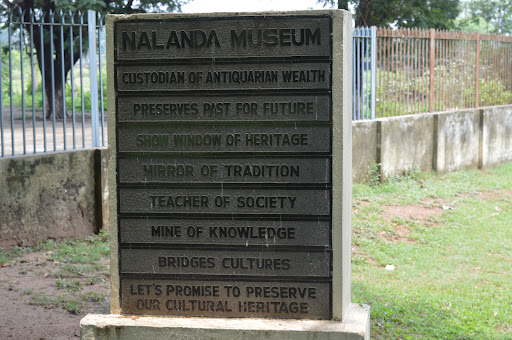
Nalanda Museum
Description
Nearby attractions
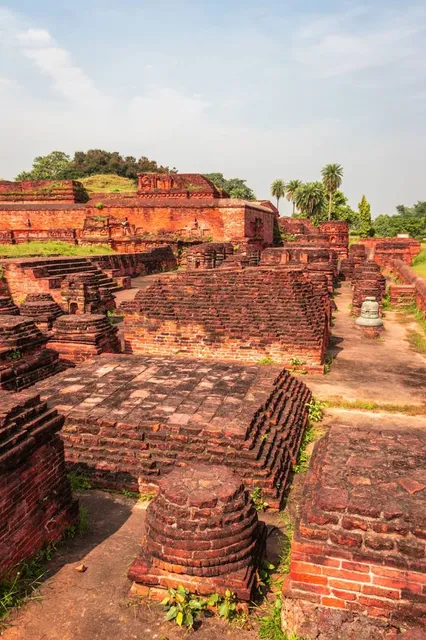
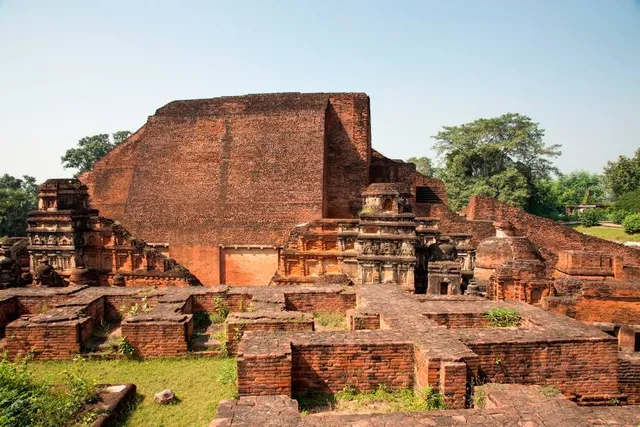
Ruins of Nalanda Mahavihara
Nalanda University Site Rd, Mohanpur, Bargaon, Bihar 803111, India
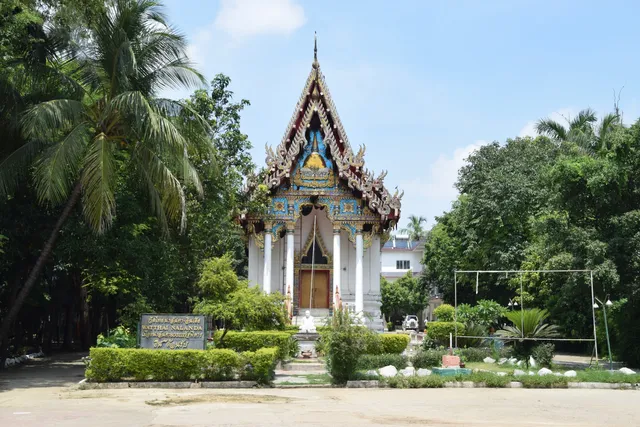
Wat Thai Nalanda Temple
4CHV+67G, Nalanda University Site Rd, Bargaon, Bihar 803111, India
Nearby restaurants
Subham Restaurant
4CPW+7P3, Bargaon, Bihar 803111, India
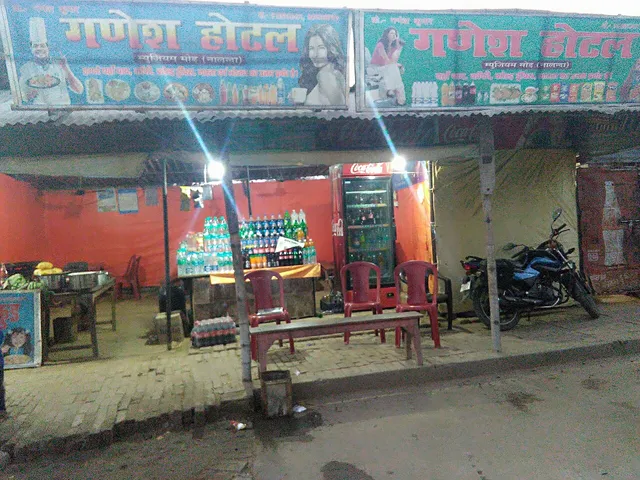
Ganesh Hotel
Nalanda University Site Rd, Bargaon, Bihar 803111, India
Nearby hotels
Related posts
Keywords
Nalanda Museum tourism.Nalanda Museum hotels.Nalanda Museum bed and breakfast. flights to Nalanda Museum.Nalanda Museum attractions.Nalanda Museum restaurants.Nalanda Museum travel.Nalanda Museum travel guide.Nalanda Museum travel blog.Nalanda Museum pictures.Nalanda Museum photos.Nalanda Museum travel tips.Nalanda Museum maps.Nalanda Museum things to do.
Nalanda Museum things to do, attractions, restaurants, events info and trip planning
Nalanda Museum
IndiaBiharNalanda Museum

Basic Info

Nalanda Museum

4CPX+49J, Nalanda, Bihar 803111, India
4.5(1.2K)
Open 24 hours
Save
spot

Ratings & Description

Info

Cultural
Accessibility
attractions: Ruins of Nalanda Mahavihara, Wat Thai Nalanda Temple, restaurants: Subham Restaurant, Ganesh Hotel
logoLearn more insights from Wanderboat AI.
Website
tourism.bihar.gov.in

Plan your stay

hotel
Pet-friendly Hotels in Bihar
Find a cozy hotel nearby and make it a full experience.
hotel
Affordable Hotels in Bihar
Find a cozy hotel nearby and make it a full experience.
hotel
The Coolest Hotels You Haven't Heard Of (Yet)
Find a cozy hotel nearby and make it a full experience.
hotel
Trending Stays Worth the Hype in Bihar
Find a cozy hotel nearby and make it a full experience.

Reviews

Nearby attractions of Nalanda Museum

Ruins of Nalanda Mahavihara

Wat Thai Nalanda Temple

Ruins of Nalanda Mahavihara

Ruins of Nalanda Mahavihara

4.6

(4K)

Open 24 hours
Click for details
Wat Thai Nalanda Temple

Wat Thai Nalanda Temple

4.5

(284)

Open until 4:00 PM
Click for details

Nearby restaurants of Nalanda Museum

Subham Restaurant

Ganesh Hotel

Subham Restaurant

Subham Restaurant

2.7

(5)

Open until 10:00 PM
Click for details
Ganesh Hotel

Ganesh Hotel

4.2

(8)

Click for details
Get the Appoverlay
Get the AppOne tap to find yournext favorite spots!
Wanderboat LogoWanderboat

Your everyday Al companion for getaway ideas

CompanyAbout Us
InformationAI Trip PlannerSitemap
SocialXInstagramTiktokLinkedin
LegalTerms of ServicePrivacy Policy

Get the app

© 2025 Wanderboat. All rights reserved.
logo

Posts

Aditya GhoshAditya Ghosh
Nalanda Nalanda Museum established in the year 1917 is one of the most prestigious site-museums of Archaeological Survey of India. It houses antiquities found from the excavated site of Nalanda Mahavihara supposedly the earliest university cum monastery complex which flourished during 5th – 12th centuries of Christian era under the patronage of Gupta, Maukhari and Pala rulers. Later on few object collected from the neighbouring villages of Nalanda and few from Rajgir too were added to the treasures of this museum. There about 350 artifacts at display whereas more than thirteen thousand are kept in the reserve collection. Display includes stone images and sculptures, bronzes, stuccos, terracottas, inscription, iron objects, ivory & bone objects and potteries etc. arranged in four galleries and the main hall. The main hall exhibits master pieces of stone and two huge earthen storage jars. Twelve handed Bodhisattva Avalokitesvara, about two meters high image of Samantabhadra, Nagaraj with seven serpent hood canopy, a colossal image of Buddha seated in dharmachakra mudra, a tantric deity Trailokyavijya trampling Shiva-Gauri, and Buddha seated in bhumisparsa mudra are worth mentioning specimens in this hall. The central space of the hall has been occupied by a scale model of the excavated site in a table showcase. ABOUT GALLERY NO. 1 Nalanda Gallery No. 01 exhibits stone images and sculptures of Buddhist, Jaina and Brahmanical faiths through wall showcases and pedestals. Khasarpana Avalokitesvara, tantric deity Heruka trampling Shiva, Aparajita trampling Ganesa, six headed Yamantaka, Marichi riding on chariot driven by seven pigs and a panel showing eight scenes of Buddha’s life are significant enough among Buddhist specimens whereas Shiva-Parvati, a bifacial panel showing Shiva Parvati & Kuber, Vishnu, Lakshmi and Revanta are Brahmanical highlights. Jaina images include Parsvanath and Rishbhnath, mounted on wooden pedestals shown in dhyana & kayotsarga postures respectively. ABOUT GALLERY NO. 2 Gallery No. 2 is miscellaneous minor objects found during excavations such as seal-sealings, terracottas, brick-tiles, stucco objects, ivory and bone objects and iron implements etc. have been displayed in Gallery No.2. Terracotta seal with legend “sri nalanda mahaviha riyarya bhikshu sanghasya”, decorative swastika tile, iron padlock, terracotta tablet with pratitya samutpads sutta, sample of charred rice, stucco head of Buddha & Bodhisattva and a multi spouted pot found from Rajgir are noteworthy specimens in this gallery. ABOUT GALLERY NO. 3 Gallery No. 03 is meant exclusively for the bronzes of Nalanda. Besides Buddhist sculptures such as Buddha in abhaya, varada & bhumisparsa mudra, Prajnaparmita, Tara, Loknath and many others, some Brahmanical deities like Vishnu, Ganesa, Surya, Kamadeva too have been displayed. The objects of day to day use like scepter, quiver, waist-band etc and some miniature stupas & temples of architectural interest have also been displayed in independent show cases. ABOUT GALLERY NO. 4 Gallery No. 04 exhibits stone images of Buddhist interest like important events of Buddha’s life, Padmapani, Vajrapani, Tara, Marichi, Jambhala and two miniature temples. Two panels depicting Kinnaras worshipping Kalpavriksha and stone inscriptions of Purnavarman, Yasovarmadeva & Vipulsrimitra are the special attraction of this gallery. "The Archaeological Site of Nalanda Mahavihara (Nalanda University) is included among the world heritage list of UNESCO (2016)." A visit to Nalanda museum is in fact a meaningful journey through the corridors of our glorious past.
Chandan PriyadarshiChandan Priyadarshi
Founded in the year 1971, Nalanda Archaeological Museum has excavations from Rajgir and Nalanda, an ancient university and a monastic complex.  There are around 13463 antique items here, out of which 349 are displayed in the 4 main galleries. The archeological items that were found from Nalanda can be traced back between 5th to 12th centuries AD. However, those brought from Rajgir are even older. Museum consists of sculptures and statues that are in stucco, stone, terracotta and stucco though majority are in Basalt stone. Images and paintings found here belong to Buddhism, Jainism and Hinduism. The main gallery has 16 sculptures including Buddha in Varad, Samantbhadra, Bhumisparsh posture, Trailokya Vijay, Maitreya, Bodhisattva Avalokiteshvara, Nagaraj, Samantbhadra and Parshvanath. On the entry gated of the central hall, a scale model of Nalanda remains is installed. The first gallery has 57 sculptures and images out of some of the important ones include miracle of Sravasti, Goddess Laxmi, Lord Ganesha, Buddha in varad mudra, Vaishali-miracle, Surya, Heruka, Marichi, Rishabhanath and Shiva-Parvati. The second galley of Archaeological Museum in Nalanda houses 147 assorted objects made including inscriptions, stuccos, terracotta and iron implements. Some of the displays that are worth mentioning here include stone inscriptions of Yashovarmana, terracotta seal saying Sri ‘, Nalanda Mahavihariya arya bhikshu sanghasya’, fragmentary tablet of Nidanasutta, stone inscriptions of Yashovarmana, Dharmachakra, terracotta tiles with swastika, charred rice samples and Stupas with peepal leaf motifs. Another noteworthy display here is a multi-spouted pot that points out towards serpent worship in Rajgir. The third gallery houses 93 bronze specimens including those from Hinduism as well as Buddhism. There are images of God Surya, Lord Ganehsa, Lord Vishnu and Indrani, Kamadeva, 2 Buddha images in boon-giving and earth touching posture, a Buddhist temple, Bodhisattava padmapani, Loknath and more. In the fourth gallery , there are around 36 images and stone sculptures comprising of Lord Vishnu, Marich, Padmapani Bodhisattvas, crowned Lord Buddha in preaching pose, Kinnaras worshipping kalpadrum along with others. There is a separate shed in the museum that has 2 huge jars (belonging to 1st century CE) that were found in the monastic complex at Nalanda. The other possessions include bronze and terracotta items, images, copper plates, pottery and stone sculptures
Nabendu MondalNabendu Mondal
Nalanda University, located in Bihar, India, is a contemporary revival of the ancient Nalanda Mahavihara, a renowned center of learning dating back to the 5th century. The university is committed to rekindling the spirit of inquiry, academic excellence, and intercultural dialogue that characterized its predecessor. The academic ambiance at Nalanda University is truly remarkable. The diverse faculty and student body represent a wide array of cultures, fostering an enriching and inclusive environment for learning. The university places a strong emphasis on interdisciplinary studies, encouraging students to explore and integrate knowledge across various domains. One of the standout features of Nalanda University is its commitment to sustainability and ecological awareness. The campus is designed with eco-friendly principles, promoting a harmonious relationship with the environment. This aligns with the university's dedication to addressing contemporary global challenges through sustainable practices and responsible education. The curriculum is designed to be rigorous and intellectually stimulating, encouraging critical thinking and research. The focus on research-oriented learning equips students with the skills necessary to tackle real-world problems. Additionally, the presence of esteemed scholars and academics adds immense value to the academic experience. However, the infrastructure at Nalanda University is still evolving, and there have been some challenges in terms of facilities and resources. Despite this, the university's commitment to excellence is evident, and efforts are continuously made to improve and expand the campus infrastructure. In conclusion, Nalanda University is a promising institution that upholds the legacy of its ancient predecessor while embracing contemporary educational values. With a strong emphasis on sustainability, interdisciplinary studies, and a diverse academic community, it is positioned to contribute significantly to the academic landscape and foster future leaders and thinkers.
See more posts
See more posts
hotel
Find your stay

Pet-friendly Hotels in Bihar

Find a cozy hotel nearby and make it a full experience.

Nalanda Nalanda Museum established in the year 1917 is one of the most prestigious site-museums of Archaeological Survey of India. It houses antiquities found from the excavated site of Nalanda Mahavihara supposedly the earliest university cum monastery complex which flourished during 5th – 12th centuries of Christian era under the patronage of Gupta, Maukhari and Pala rulers. Later on few object collected from the neighbouring villages of Nalanda and few from Rajgir too were added to the treasures of this museum. There about 350 artifacts at display whereas more than thirteen thousand are kept in the reserve collection. Display includes stone images and sculptures, bronzes, stuccos, terracottas, inscription, iron objects, ivory & bone objects and potteries etc. arranged in four galleries and the main hall. The main hall exhibits master pieces of stone and two huge earthen storage jars. Twelve handed Bodhisattva Avalokitesvara, about two meters high image of Samantabhadra, Nagaraj with seven serpent hood canopy, a colossal image of Buddha seated in dharmachakra mudra, a tantric deity Trailokyavijya trampling Shiva-Gauri, and Buddha seated in bhumisparsa mudra are worth mentioning specimens in this hall. The central space of the hall has been occupied by a scale model of the excavated site in a table showcase. ABOUT GALLERY NO. 1 Nalanda Gallery No. 01 exhibits stone images and sculptures of Buddhist, Jaina and Brahmanical faiths through wall showcases and pedestals. Khasarpana Avalokitesvara, tantric deity Heruka trampling Shiva, Aparajita trampling Ganesa, six headed Yamantaka, Marichi riding on chariot driven by seven pigs and a panel showing eight scenes of Buddha’s life are significant enough among Buddhist specimens whereas Shiva-Parvati, a bifacial panel showing Shiva Parvati & Kuber, Vishnu, Lakshmi and Revanta are Brahmanical highlights. Jaina images include Parsvanath and Rishbhnath, mounted on wooden pedestals shown in dhyana & kayotsarga postures respectively. ABOUT GALLERY NO. 2 Gallery No. 2 is miscellaneous minor objects found during excavations such as seal-sealings, terracottas, brick-tiles, stucco objects, ivory and bone objects and iron implements etc. have been displayed in Gallery No.2. Terracotta seal with legend “sri nalanda mahaviha riyarya bhikshu sanghasya”, decorative swastika tile, iron padlock, terracotta tablet with pratitya samutpads sutta, sample of charred rice, stucco head of Buddha & Bodhisattva and a multi spouted pot found from Rajgir are noteworthy specimens in this gallery. ABOUT GALLERY NO. 3 Gallery No. 03 is meant exclusively for the bronzes of Nalanda. Besides Buddhist sculptures such as Buddha in abhaya, varada & bhumisparsa mudra, Prajnaparmita, Tara, Loknath and many others, some Brahmanical deities like Vishnu, Ganesa, Surya, Kamadeva too have been displayed. The objects of day to day use like scepter, quiver, waist-band etc and some miniature stupas & temples of architectural interest have also been displayed in independent show cases. ABOUT GALLERY NO. 4 Gallery No. 04 exhibits stone images of Buddhist interest like important events of Buddha’s life, Padmapani, Vajrapani, Tara, Marichi, Jambhala and two miniature temples. Two panels depicting Kinnaras worshipping Kalpavriksha and stone inscriptions of Purnavarman, Yasovarmadeva & Vipulsrimitra are the special attraction of this gallery. "The Archaeological Site of Nalanda Mahavihara (Nalanda University) is included among the world heritage list of UNESCO (2016)." A visit to Nalanda museum is in fact a meaningful journey through the corridors of our glorious past.
Aditya Ghosh

Aditya Ghosh

hotel
Find your stay

Affordable Hotels in Bihar

Find a cozy hotel nearby and make it a full experience.

Get the Appoverlay
Get the AppOne tap to find yournext favorite spots!
Founded in the year 1971, Nalanda Archaeological Museum has excavations from Rajgir and Nalanda, an ancient university and a monastic complex.  There are around 13463 antique items here, out of which 349 are displayed in the 4 main galleries. The archeological items that were found from Nalanda can be traced back between 5th to 12th centuries AD. However, those brought from Rajgir are even older. Museum consists of sculptures and statues that are in stucco, stone, terracotta and stucco though majority are in Basalt stone. Images and paintings found here belong to Buddhism, Jainism and Hinduism. The main gallery has 16 sculptures including Buddha in Varad, Samantbhadra, Bhumisparsh posture, Trailokya Vijay, Maitreya, Bodhisattva Avalokiteshvara, Nagaraj, Samantbhadra and Parshvanath. On the entry gated of the central hall, a scale model of Nalanda remains is installed. The first gallery has 57 sculptures and images out of some of the important ones include miracle of Sravasti, Goddess Laxmi, Lord Ganesha, Buddha in varad mudra, Vaishali-miracle, Surya, Heruka, Marichi, Rishabhanath and Shiva-Parvati. The second galley of Archaeological Museum in Nalanda houses 147 assorted objects made including inscriptions, stuccos, terracotta and iron implements. Some of the displays that are worth mentioning here include stone inscriptions of Yashovarmana, terracotta seal saying Sri ‘, Nalanda Mahavihariya arya bhikshu sanghasya’, fragmentary tablet of Nidanasutta, stone inscriptions of Yashovarmana, Dharmachakra, terracotta tiles with swastika, charred rice samples and Stupas with peepal leaf motifs. Another noteworthy display here is a multi-spouted pot that points out towards serpent worship in Rajgir. The third gallery houses 93 bronze specimens including those from Hinduism as well as Buddhism. There are images of God Surya, Lord Ganehsa, Lord Vishnu and Indrani, Kamadeva, 2 Buddha images in boon-giving and earth touching posture, a Buddhist temple, Bodhisattava padmapani, Loknath and more. In the fourth gallery , there are around 36 images and stone sculptures comprising of Lord Vishnu, Marich, Padmapani Bodhisattvas, crowned Lord Buddha in preaching pose, Kinnaras worshipping kalpadrum along with others. There is a separate shed in the museum that has 2 huge jars (belonging to 1st century CE) that were found in the monastic complex at Nalanda. The other possessions include bronze and terracotta items, images, copper plates, pottery and stone sculptures
Chandan Priyadarshi

Chandan Priyadarshi

hotel
Find your stay

The Coolest Hotels You Haven't Heard Of (Yet)

Find a cozy hotel nearby and make it a full experience.

hotel
Find your stay

Trending Stays Worth the Hype in Bihar

Find a cozy hotel nearby and make it a full experience.

Nalanda University, located in Bihar, India, is a contemporary revival of the ancient Nalanda Mahavihara, a renowned center of learning dating back to the 5th century. The university is committed to rekindling the spirit of inquiry, academic excellence, and intercultural dialogue that characterized its predecessor. The academic ambiance at Nalanda University is truly remarkable. The diverse faculty and student body represent a wide array of cultures, fostering an enriching and inclusive environment for learning. The university places a strong emphasis on interdisciplinary studies, encouraging students to explore and integrate knowledge across various domains. One of the standout features of Nalanda University is its commitment to sustainability and ecological awareness. The campus is designed with eco-friendly principles, promoting a harmonious relationship with the environment. This aligns with the university's dedication to addressing contemporary global challenges through sustainable practices and responsible education. The curriculum is designed to be rigorous and intellectually stimulating, encouraging critical thinking and research. The focus on research-oriented learning equips students with the skills necessary to tackle real-world problems. Additionally, the presence of esteemed scholars and academics adds immense value to the academic experience. However, the infrastructure at Nalanda University is still evolving, and there have been some challenges in terms of facilities and resources. Despite this, the university's commitment to excellence is evident, and efforts are continuously made to improve and expand the campus infrastructure. In conclusion, Nalanda University is a promising institution that upholds the legacy of its ancient predecessor while embracing contemporary educational values. With a strong emphasis on sustainability, interdisciplinary studies, and a diverse academic community, it is positioned to contribute significantly to the academic landscape and foster future leaders and thinkers.
Nabendu Mondal

Nabendu Mondal

See more posts
See more posts

Reviews of Nalanda Museum

4.5
(1,189)
avatar
5.0
6y

Nalanda Nalanda Museum established in the year 1917 is one of the most prestigious site-museums of Archaeological Survey of India. It houses antiquities found from the excavated site of Nalanda Mahavihara supposedly the earliest university cum monastery complex which flourished during 5th – 12th centuries of Christian era under the patronage of Gupta, Maukhari and Pala rulers. Later on few object collected from the neighbouring villages of Nalanda and few from Rajgir too were added to the treasures of this museum. There about 350 artifacts at display whereas more than thirteen thousand are kept in the reserve collection. Display includes stone images and sculptures, bronzes, stuccos, terracottas, inscription, iron objects, ivory & bone objects and potteries etc. arranged in four galleries and the main hall.

The main hall exhibits master pieces of stone and two huge earthen storage jars. Twelve handed Bodhisattva Avalokitesvara, about two meters high image of Samantabhadra, Nagaraj with seven serpent hood canopy, a colossal image of Buddha seated in dharmachakra mudra, a tantric deity Trailokyavijya trampling Shiva-Gauri, and Buddha seated in bhumisparsa mudra are worth mentioning specimens in this hall. The central space of the hall has been occupied by a scale model of the excavated site in a table showcase.

ABOUT GALLERY NO. 1 Nalanda Gallery No. 01 exhibits stone images and sculptures of Buddhist, Jaina and Brahmanical faiths through wall showcases and pedestals. Khasarpana Avalokitesvara, tantric deity Heruka trampling Shiva, Aparajita trampling Ganesa, six headed Yamantaka, Marichi riding on chariot driven by seven pigs and a panel showing eight scenes of Buddha’s life are significant enough among Buddhist specimens whereas Shiva-Parvati, a bifacial panel showing Shiva Parvati & Kuber, Vishnu, Lakshmi and Revanta are Brahmanical highlights. Jaina images include Parsvanath and Rishbhnath, mounted on wooden pedestals shown in dhyana & kayotsarga postures respectively.

ABOUT GALLERY NO. 2 Gallery No. 2 is miscellaneous minor objects found during excavations such as seal-sealings, terracottas, brick-tiles, stucco objects, ivory and bone objects and iron implements etc. have been displayed in Gallery No.2. Terracotta seal with legend “sri nalanda mahaviha riyarya bhikshu sanghasya”, decorative swastika tile, iron padlock, terracotta tablet with pratitya samutpads sutta, sample of charred rice, stucco head of Buddha & Bodhisattva and a multi spouted pot found from Rajgir are noteworthy specimens in this gallery.

ABOUT GALLERY NO. 3 Gallery No. 03 is meant exclusively for the bronzes of Nalanda. Besides Buddhist sculptures such as Buddha in abhaya, varada & bhumisparsa mudra, Prajnaparmita, Tara, Loknath and many others, some Brahmanical deities like Vishnu, Ganesa, Surya, Kamadeva too have been displayed. The objects of day to day use like scepter, quiver, waist-band etc and some miniature stupas & temples of architectural interest have also been displayed in independent show cases.

ABOUT GALLERY NO. 4 Gallery No. 04 exhibits stone images of Buddhist interest like important events of Buddha’s life, Padmapani, Vajrapani, Tara, Marichi, Jambhala and two miniature temples. Two panels depicting Kinnaras worshipping Kalpavriksha and stone inscriptions of Purnavarman, Yasovarmadeva & Vipulsrimitra are the special attraction of this gallery.

"The Archaeological Site of Nalanda Mahavihara (Nalanda University) is included among the world heritage list of UNESCO (2016)."

A visit to Nalanda museum is in fact a meaningful journey through the corridors of our...

   Read more
avatar
5.0
10y

The Archaeological Museum, Nalanda (District Nalanda, Bihar)

The museum established in 1917 houses the antiquities mainly those excavated from Nalanda, the earliest university cum monastery complex and from Rajgir.

Out of 13463 antiquities, 349 are on display in the four galleries of the museum. The antiquities from Nalanda are datable from 5th to 12th century AD but some of those from Rajgir are a little earlier in date. The sculptures kept in this museum are made of stone, bronzes, stucco and terracotta but majority of those have been carved on Basalt stone. Most of the images belong to Buddhist faith but those belonging to Jaina or Hindu religion are also quite good in number.

The key gallery displays sixteen sculptures among which Trailokya Vijay (a Vajrayana diety), Bodhisattva Avalokiteshvara, Maitreya, Buddha in Varad, Dharmachakra and Bhumisparsh posture, Samantbhadra, Parshvanath and Nagaraj are worth mentioning. A scale model of excavated remains of Nalanda University occupies the central place of the hall.

There are fifty-seven images and sculptures displayed in the first gallery. Those of Khasarpana, Heruka, Marichi,Vagesvari, Vaishali-mircle, Buddha in varad mudra, miracle of Sravasti, Surya, Lakshmi, Ganesh, Shiva-Parvati, Kuber and Rishabhanath are significant ones.

The second gallery exhibits one hundred and forty seven miscellaneous objects including terracotta, stuccos, iron implements and inscriptions. The terracotta seal with legend “Sri Nalanda Mahavihariya arya bhikshu sanghasya”, the stone inscriptions of Yashovarmana, Purnavarman of Vipula Srimitra, fragmentary tablet of Nidanasutta, terracotta tiles showing swastika and kirtimukha, Dharmachakra,Votive Stupas in pipal leaf motiff and sample of charred rice are some note worthy objects in this gallery. The central showcase exhibits a multi spouted pot related to serpent worship found from Rajgir.

In the third gallery altogether ninety-three specimens of bronzes have been displayed. Two images of Buddha in boon giving posture, Tara, Prajnaparmita, Loknath, Bodhisattava padmapani, Buddha in earth touching posture, depiction of a Buddhist temple, etc. are some important images related to Buddhist faith whereas images of Ganesh, Surya, Kamadeva, Indrani and Vishnu, etc. are examples of Brahmanical religion.

Out of thirty-six stone sculptures and images kept in the fourth gallery. Kinnaras worshipping kalpadrum (2 pannels), Vishnu, crowned Buddha in preaching pose with important events of his life, Buddha in Bhumisparsh-mudhra with eight events, Marichi, Vajrapni and Padmapani Bodhisattvas are worth mentioning.

Two huge jars found from the monastic complex at Nalanda have displayed in a separate shed. A rich wealth of stone sculptures and images, terracotta, bronzes and other antiquarian objects are preserved in its reserve collection.

Opening Hours : 10.00 am to 5.00 pm Closed on – Friday

Entrance Fee : Rs. 5/- per head (Children up to...

   Read more
avatar
5.0
1y

The museum established in 1917 houses the antiquities mainly those excavated from Nalanda, the earliest university cum monastery complex and from Rajgir.

Out of 13463 antiquities, 349 are on display in the four galleries of the museum. The antiquities from Nalanda are datable from 5th to 12th century AD but some of those from Rajgir are a little earlier in date. The sculptures kept in this museum are made of stone, bronzes, stucco and terracotta but majority of those have been carved on Basalt stone. Most of the images belong to Buddhist faith but those belonging to Jaina or Hindu religion are also quite good in number.

The key gallery displays sixteen sculptures among which Trailokya Vijay (a Vajrayana diety), Bodhisattva Avalokiteshvara, Maitreya, Buddha in Varad, Dharmachakra and Bhumisparsh posture, Samantbhadra, Parshvanath and Nagaraj are worth mentioning. A scale model of excavated remains of Nalanda University occupies the central place of the hall.

There are fifty-seven images and sculptures displayed in the first gallery. Those of Khasarpana, Heruka, Marichi,Vagesvari, Vaishali-mircle, Buddha in varad mudra, miracle of Sravasti, Surya, Lakshmi, Ganesh, Shiva-Parvati, Kuber and Rishabhanath are significant ones.

The second gallery exhibits one hundred and forty seven miscellaneous objects including terracotta, stuccos, iron implements and inscriptions. The terracotta seal with legend “Sri Nalanda Mahavihariya arya bhikshu sanghasya”, the stone inscriptions of Yashovarmana, Purnavarman of Vipula Srimitra, fragmentary tablet of Nidanasutta, terracotta tiles showing swastika and kirtimukha, Dharmachakra,Votive Stupas in pipal leaf motiff and sample of charred rice are some note worthy objects in this gallery. The central showcase exhibits a multi spouted pot related to serpent worship found from Rajgir.

In the third gallery altogether ninety-three specimens of bronzes have been displayed. Two images of Buddha in boon giving posture, Tara, Prajnaparmita, Loknath, Bodhisattava padmapani, Buddha in earth touching posture, depiction of a Buddhist temple, etc. are some important images related to Buddhist faith whereas images of Ganesh, Surya, Kamadeva, Indrani and Vishnu, etc. are examples of Brahmanical religion.

Out of thirty-six stone sculptures and images kept in the fourth gallery. Kinnaras worshipping kalpadrum (2 pannels), Vishnu, crowned Buddha in preaching pose with important events of his life, Buddha in Bhumisparsh-mudhra with eight events, Marichi, Vajrapni and Padmapani Bodhisattvas are worth mentioning.

Two huge jars found from the monastic complex at Nalanda have displayed in a separate shed. A rich wealth of stone sculptures and images, terracotta, bronzes and other antiquarian objects are preserved in its reserve collection.

Opening Hours : 10.00 am to 5.00...

   Read more
Page 1 of 7
Previous
Next