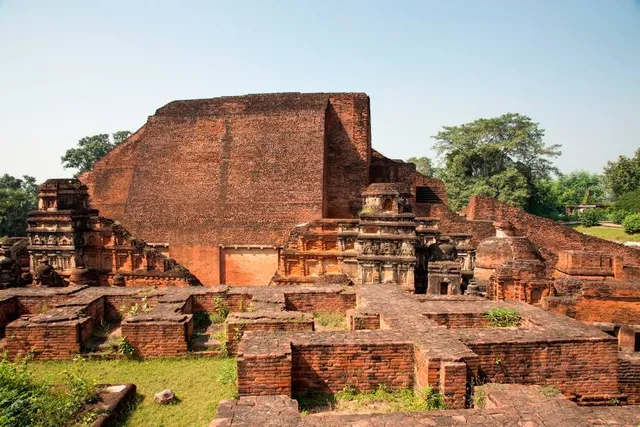
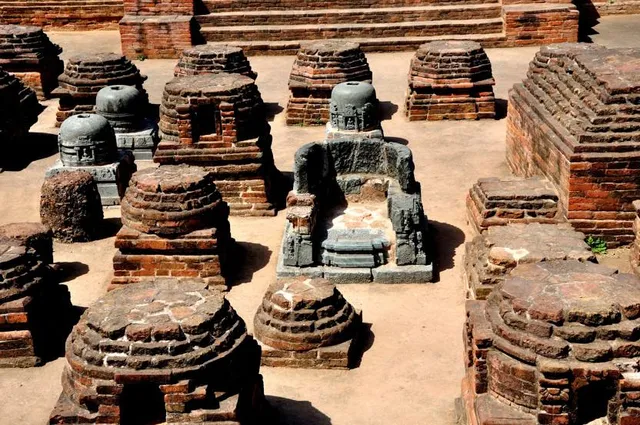
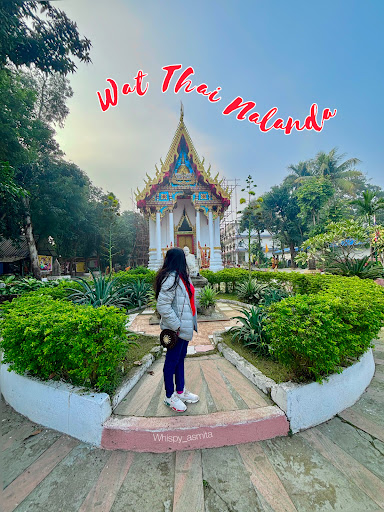
Nice place....,!!
Hiuen Tsang (Chinese: 玄奘; pinyin: Xuán Zàng; Wade-Giles: Hsüan-tsang) was a famous Chinese Buddhist monk. He came to India during the reign of Harshavardhana. He lived in India for 15 years. He has given details of his travels and erstwhile India in his book See-U-Ki. His accounts reveal the social, economic, religious and cultural state of Harshaan India.
((ह्वेन त्सांग (चीनी: 玄奘; pinyin: Xuán Zàng; Wade-Giles: Hsüan-tsang) एक प्रसिद्ध चीनी बौद्ध भिक्षु था। वह हर्षवर्द्धन के शासन काल में भारत आया था। वह भारत में 15 वर्षों तक रहा। उसने अपनी पुस्तक सी-यू-की में अपनी यात्रा तथा तत्कालीन भारत का विवरण दिया है। उसके वर्णनों से हर्षकालीन भारत की सामाजिक, आर्थिक, धार्मिक तथा सांस्कृतिक अवस्था का परिचय मिलता है।))
((In 629, he was inspired to go to India in a dream. At the same time, the war of the Tang dynasty and the Turks was going on. For this reason, the king prohibited foreign travel. It migrated from the Tang State via Liangzhou and Qinghai Province, praying to some Buddhist defenders. Then, via Gobi desert, it reached Kumul, Tian Shan in the west direction, and reached Turfan. It is a matter of 630. The Buddhist king there armed it for further travel. He also gave it several letters of introduction. Then it reached Kucha with the bandits via Yankee and Theravada monastery. Thence passed through Akru before becoming northeast. Then, via the Tian Shan Pass in Kyrgyzstan, met the great Khan via Tokamak, Uzbekistan. He then reached Che-shih (the present capital) at Tashkent in the west and southwest. Then and west came the desert after Samarkand, which was under the emperor of Persia. There they roamed the Buddhist ruins. He also influenced the local king with his teachings. Then and to the south it crossed the famous Pamir ranges and reached Amu Dariya and Tarmase. It found more than a thousand Buddhist monks there. From there reached Kunduz and saw the funeral of the prince there. While there he met the monk Dharam Singh. On his telling, he traveled to Balakh and saw many Buddhist sites there. Special among these was Nav Vihar, or Navbahar; Which was called the westernmost Buddhist monastery. There he found about 3000 monks,))
((सन 629 में उसे एक स्वपन में भारत जाने की प्रेरणा मिली। उसी समय तंग वंश और तुर्कों का युद्ध चल रहे थे। इस कारण राजा ने विदेश यात्राएं निषेध कर रखीं थीं। इसने कुछ बौद्ध रक्षकों से प्रार्थना करके लियांगज़ाउ और किंघाई प्रांत होते हुए तंग राज्य से पलायन किया। फ़िर इसने गोबी मरुस्थ होते हुए कुमुल, तियान शान पश्चिम दिशा में, हो कर तुर्फान पहुंचा। यह सन 630 की बात है। वहां के बौद्ध राजा ने इसे आगे की यात्रा हेतु सशस्त्र किया। उसने इसे कई परिचय हेतु पत्र भी दिये। फिर यह डाकुओं के साथ यांकी और थेरवाडा मठ होते हुए कुचा पहुंचा। वहां से पूर्वोत्तर होने से पहले आक्रु से गुजरा। फिर किर्घिस्तान के तियान शान दर्रे से होते हुए तोकमक, उज़्बेकिस्तान होकर महान खान से मिला। फिर वह पश्चिम और दक्षिण पश्चिम में ताश्कंत में चे-शिह (वर्तमान राजधानी) पहुंचा। फिर और पश्चिम में मरुस्थल के बाद समरकंद पहुंचा, जो फारस के बादशाह के अधीन था। वहां वे बौद्ध खंडहरों में घूमे। उसने स्थानीय राजा को भी अपनी शिक्षाओं से प्रभावित किया। फिर और दक्षिण में इसने प्रसिद्ध पामीर पर्वतमाला को पार किया और अमु दरिया और तर्मेज़ पहुंचा। वहां इसे हज़ार से अधिक बौद्ध बिक्षु मिले। वहां से कुण्डूज़ पहुंचा और वहां के राजकुमार की अन्त्येष्टि देखी। वहीं उसकी मुलाकात भिक्षु धर्मसिंह से हुई। उसके बताने पर उसने बलख की यात्रा की और वहां अनेकों बौद्ध स्थल देखे। इनमें खास था नव विहार, या नवबहार; जिसे पश्चिमतम बौद्ध मठ कहा गय। वहां उसे लगभग 3000 भिक्षु मिले, जिनमें प्रज्ञानाकर भी थे। यहीं इसने महत्वपूर्ण महाविभाष पाठ्य देखा, जिसे बाद में चीनी में अनुवाद भी किया था। फ़िर दक्षिण में बामियान आये, जहां इसकी राजा से भेंट हुई और इसने दर थरवडा मठ और दो बड़े मठ भी देखे। फिर पूर्व में शिबर दर्रे को पार कर कापिसी पहुंचे, जो काबुल से साथ कि, मी, दूर है। यहां महायन के सौ मठ थे और 6000 भिक्षु थे। यह गांधार प्रदेश था। इस यात्रा में इसे हिन्दू और जैन भी मिले। फिर यह जलालाबाद और लघमन आया। यहां आकर इसको सन्तोष हुआ कि वह भारत पहुंच गया है। यह सन 630 की बात है।))
I have been here many times and visited again today,...
Read more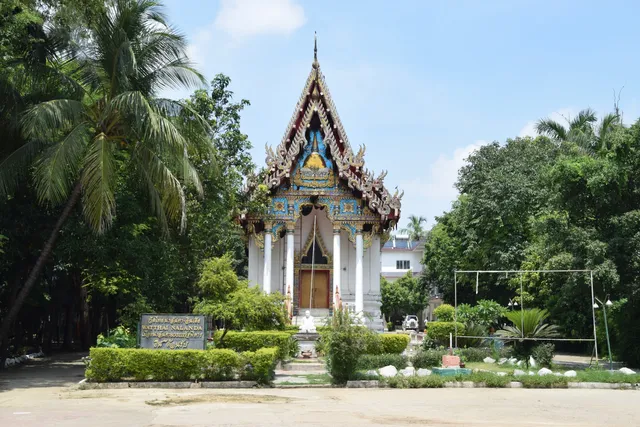
 Learn more insights from Wanderboat AI.