As a curious traveler with a penchant for exploring unique museums, I stumbled upon the Sulabh International Museum of Toilets during my recent visit to Delhi. Initially, I must admit, I had my doubts about the appeal of a museum dedicated to toilets. However, my experience at this one-of-a-kind establishment turned out to be surprisingly captivating and educational.
Located in a modest building in the heart of Delhi, the museum offers a glimpse into the history and evolution of sanitation practices throughout the ages. The moment I entered, I was welcomed by friendly staff members who seemed genuinely enthusiastic about their subject matter. Their passion for promoting clean and hygienic sanitation was infectious and set the tone for an engaging visit.
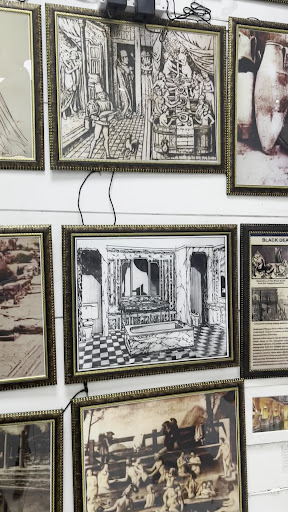
The museum's well-organized exhibits are a testament to the efforts put into showcasing the global journey of toilets. From ancient times to modern innovations, each display is accompanied by detailed information boards, photographs, and even some interactive elements. I found myself absorbed in the intriguing stories behind various sanitation systems, their cultural significance, and the ingenious ways in which humans have tackled this fundamental aspect of life.
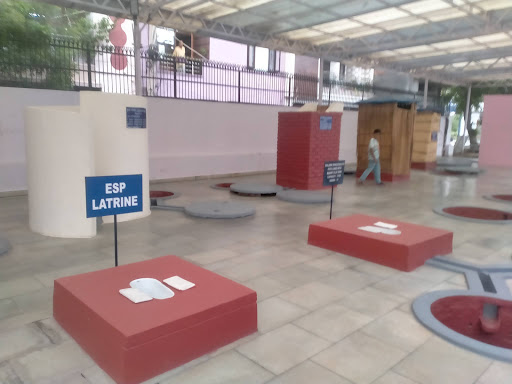
The collection boasts an impressive array of toilets, ranging from replicas of ancient chambers to sophisticated modern designs. Walking through the museum, I marveled at the diversity of toilet styles, materials, and functionality. It was eye-opening to learn about the different approaches adopted by different civilizations to tackle the challenges of waste management.
The highlight of my visit was the section dedicated to historical sanitation practices. It offered an engrossing insight into the ingenious solutions employed by civilizations across the world, including intricate drainage systems, communal latrines, and even toilet designs from royal palaces. The museum also doesn't shy away from addressing the global sanitation crisis and the efforts made by Sulabh International to provide affordable and accessible toilets to those in need.
What truly impressed me was the museum's commitment to raising awareness about hygiene, health, and sanitation-related issues. The displays were thoughtfully curated, providing a unique blend of historical context and practical information. It was evident that the Sulabh International Museum of Toilets aims to educate visitors about the importance of clean sanitation and its impact on society.
I must also commend the museum's facilities, which were clean, well-maintained, and equipped with modern amenities. The staff was always available to answer questions and provide additional insights, further enriching the experience.
In conclusion, visiting the Sulabh International Museum of Toilets was a memorable and unexpectedly fascinating experience. It sheds light on an often overlooked aspect of human history while emphasizing the significance of sanitation for public health. Whether you're a history enthusiast, a curious traveler, or someone interested in societal development, this museum is definitely worth a visit. I highly recommend it as an educational and thought-provoking destination that will leave you with a newfound appreciation for the...
Read moreThe Sulabh International Museum of Toilets in Delhi is run by the Sulabh International, dedicated to the global history of sanitation and toilets. According to Time magazine, the museum is one of the weirdest museums1] among the "10 museums around the world that are anything but mundane".[2] It was established in 1992 by Dr. Bindeshwar Pathak, a social activist, founder of Sulabh Sanitation and Social Reform Movement, recipient of national and international awards including the Stockholm Water Prize in 2009. His objective in establishing this museum was to highlight the need to address the problems of the sanitation sector in the country, considering the efforts made in various parts of the world in this field since the third millennium BC. Established in 1992, the museum[3] has exhibits from 50 countries.[1] Sanitatin artifact, spanning from 3000 BC through the end of the 20th Century, are arranged chronologically: "Ancient, Medieval and Modern."[3]
The museum's exhibits bring out the development of toilet-related technology of the entire gamut of human history. Over time, they highlight social habits, etiquette specific to existing sanitary situation and the legal framework. The items on display not only include privies, chamber pots, decorated Victorian toilet seats, toilet furniture, bidets and water closets in vogue since from 1145 AD to the present. Display boards have poetry related to toilet and its use.[3
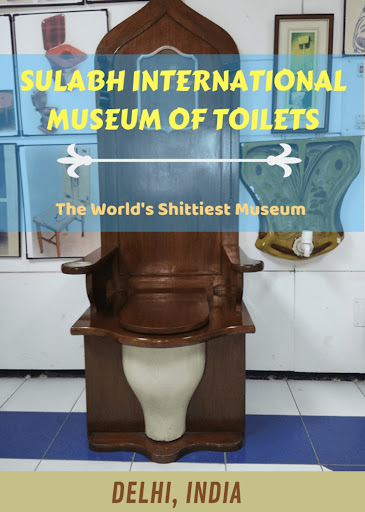
Some of the interesting and amusing objects and information charts on display are: a reproduction of a commode in the form of treasure chest of the British medieval period;[3] a reproduction of the supposed toilet of King Louis XIV which is reported to have been used by the king to defecate while holding court;[4] a toilet camouflaged in the form of a bookcase;[2] information on the technology transfer from Russia to NASA to convert urine into potable water, a deal of $19 million; display boards with comics, jokes and cartoons related to humour on toilets;[1] toilet pots made of gold and silver used by the Roman emperors; information about flush pot designed in 1596 by Sir John Harington during Queen Elizabeth I's regime; the sewerage system that existed during the Harappan Civilization; and historical information from the Lothal archeological site on the development of toilets during the Indus Valley...
Read moreReview: Sulabh International Museum of Toilets – A Thought-Provoking Visit
I recently had the opportunity to visit the Sulabh International Museum of Toilets in Delhi with my son, with the purpose of introducing him to the importance of solid waste management and environmental awareness. What we experienced there was far more enriching than we had anticipated.
The museum, established by Dr. Bindeshwar Pathak, is a unique and insightful space dedicated to the history and evolution of toilets from ancient times to the modern era. The museum manager personally guided us through the exhibits, providing a detailed and engaging explanation of the transformation of sanitation practices across various civilizations. From primitive open defecation systems to intricate medieval commodes and modern bio-toilets, the collection showcases how hygiene, technology, and culture have shaped toilet design over centuries.
Each exhibit was not only informative but also deeply thought-provoking. It was eye-opening to realize how much of a role sanitation plays in shaping public health and dignity, especially in developing countries like India. The historical context provided added a fascinating dimension—underlining how societies, both ancient and modern, have grappled with the challenges of waste management.
For my son, the visit was an excellent learning experience. He came away with a deeper understanding of how poor sanitation impacts the environment and human health, and why change is necessary. The session was more than just an academic exploration—it was a call to action.
India, with its growing population and urban sprawl, urgently needs a sanitation revolution, and institutions like Sulabh are doing commendable work in spreading awareness. I highly recommend this museum to parents, educators, and policymakers alike. It is a place where history, science, and social responsibility come together to inspire a cleaner, more...
Read more