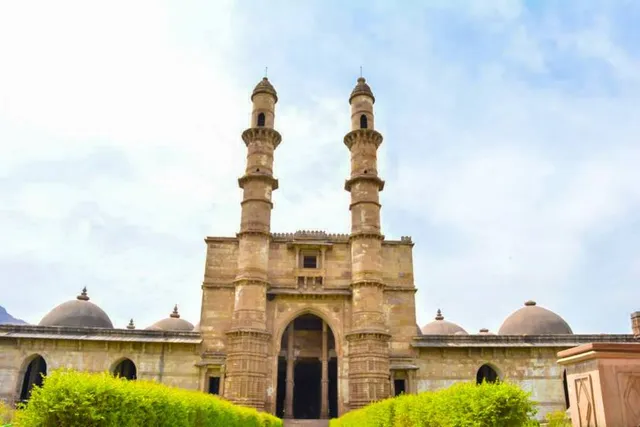
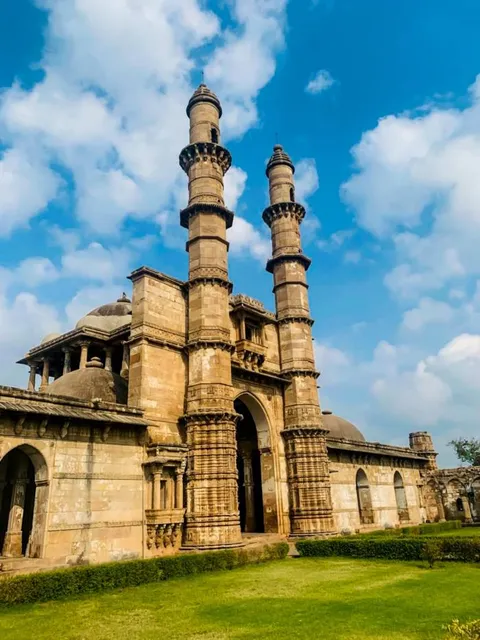
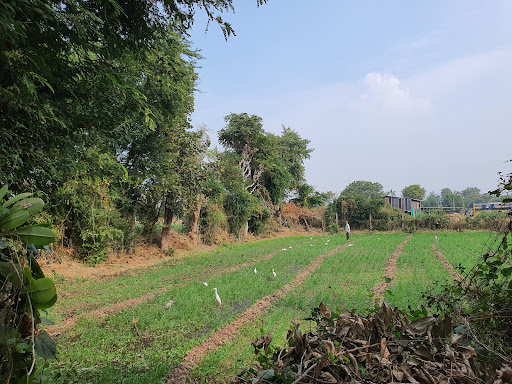
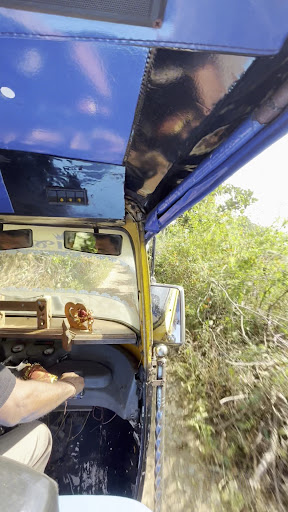
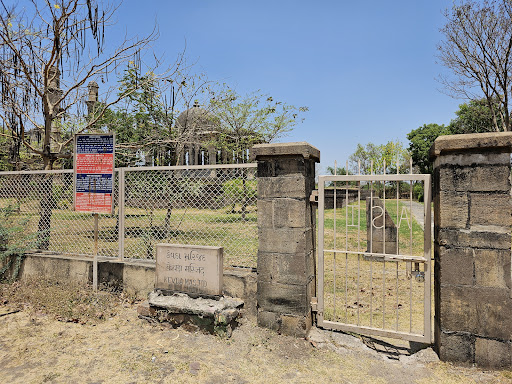
This mosque is seculeded. You will need to walk towards this. Car will not reach this place. Kevada Mosque (also Kewda or Kevda) is a mosque in Champaner, Gujarat state, western India. It is part of the Champaner-Pavagadh Archaeological Park, a UNESCO World Heritage Site. The mosque has minarets, globe-like domes, and narrow stairs. According to Ruggles (2008), nature was integrated into the Kevada mosque's architecture in a way that was unusual elsewhere in the Islamic world.
This mosque was built in Champaner during the time of Mahmud Begada, as were several other mosques, such as the Bawaman, Ek Minar, Jama, Khajuri, Nagina, and Shahar Ki. After James Burgess and Henry Cousens wrote descriptions of the Kevada, Jama, and Nagina Mosques, roads were built to reach them. The Kevada is notable because of its mausoleum. Kathra Mosque is west of the Kevada.
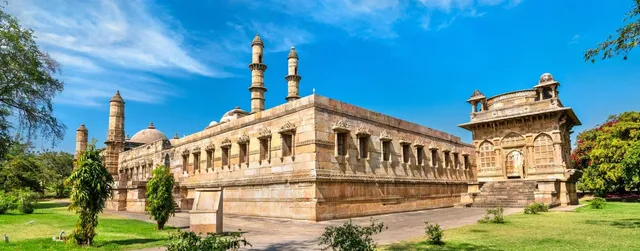
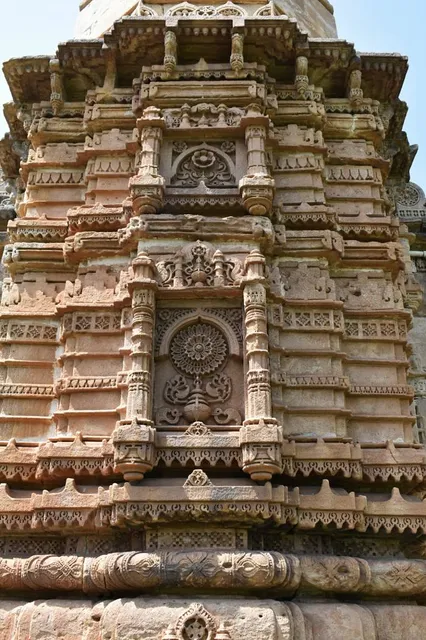
The mosque has many mihrabs, all intricately carved. There is a damaged brick tank for ablutions before prayers are offered at the mosque. The centotaph is square in shape with a fluted central dome and four corner domes; it is located next to the tank. The layout of the mosque is rectangular. Floral and geometrical designs adorn the niches. The tribate inter-columns are considered attractive. The prayer hall, a double storied structure, had three domes but the central dome has since disappeared. The windows have balconies built over pillars with intricate carved decorations. There are two minarets, which are also decorated with intricate carvings. Restoration works were carried out in the 1890s.
Archaeological Survey of India (ASI) reports of 2006 indicate that extensive restoration works were carried out at the Kevada Mosque and also at many other monuments in Champaner-Pavagadh Archaeological Park, the Jami Mosque, fort walls, Bawana Mosque, Lila Gubaz, Sikandar Shah Tomb and Sikander tomb, which resulted in a slight increase in tourist traffic...
Read moreAs Champaner Pavagarh Archaeological Park was the final destination of my road trip of January February 2019. Kevda Masjid was the our next site to Visit after Jama Masjid.
The Kevada Mosque was built in the 15th century under the reign of Sultan Mahmud Begada. This mosque is small compared to the city mosque and Jama Masjid, but the architecture is very attractive, elegant and impressive.
Before entering to the main prayer hall a very special Cenotaph is built of stone. Having numerous stone columns carved with floral motifs which are supporting the roof having a central large dome and all the four corners with small round domes. Ceiling is also decorated. Northern side is having arches. An ablution water Hauz ruins are located in the Courtyard.
To access the main prayer hall which is two storeyed in the centre two small archways and the central Archway is flanked by two decorated Minarates. These minarets are having a narrow staircases. Either side small archways are having decorated windows with balconies. Mihrab and Member are finely carved. Having windows in South West and North sides and their frames are decorated and carved with floral and geometrical motifs. Other two Mihrabs are magnificent. Roof was having three domes as central one is lost. Ceilings of the main prayer hall including the domes are unique example of Indo Sarcenic Architecture. Walls are quite strong and having the special features and supports. This Mosque model is unique and elegant. We were blessed to enjoy the special features and Architecture of this mosque.
It's a major tourists attraction and part of Champaner Pavagarh Archaeological Park a World Heritage site. It attracts history buffs wanderers soulseekers art and architecture lovers. It is a very calmly place and half an hour is enough to visit. Nearest attractions are Nagina Masjid Jama Masjid etc can be...
Read moreThis mosque was built in Champaner during the time of Mahmud Begada, as were several other masjids, such as the Bawaman, Ek Minar, Jama, Khajuri, Nagina, and Shahar Ki. The Kevada is notable because of its mausoleum. Kathra Masjid is west of the Kevada.
The masjid has many mehrabs, all intricately carved. There is a damaged brick tank for ablutions before prayers are offered at the mosque. The centotaph is square in shape with a fluted central dome and four corner domes; it is located next to the tank. The layout of the masjid is rectangularFloral and geometrical designs adorn the niches. The tribate inter-columns are considered attractive. The prayer hall, a double storied structure, had three domes but the central dome has since disappeared. The windows have balconies built over pillars with intricate carved decorations. There are two minarets, which are also decorated with intricate carvings. Restoration works were carried out...
Read more