Gujari Mahal, located within the magnificent Gwalior Fort, is a historical gem that showcases the rich cultural heritage of India. My visit to this architectural marvel left me in awe of its intricate design, historical significance, and the treasures it holds within.
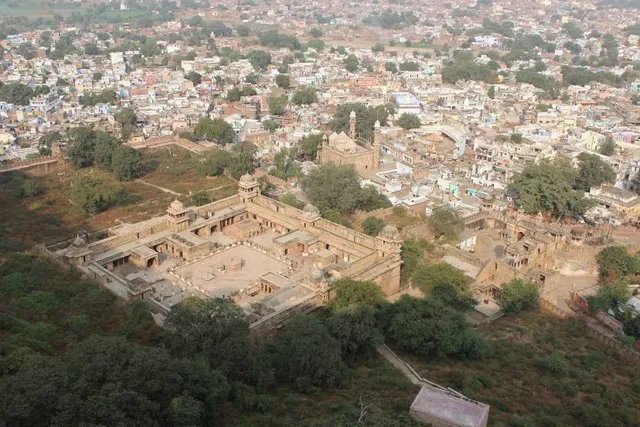
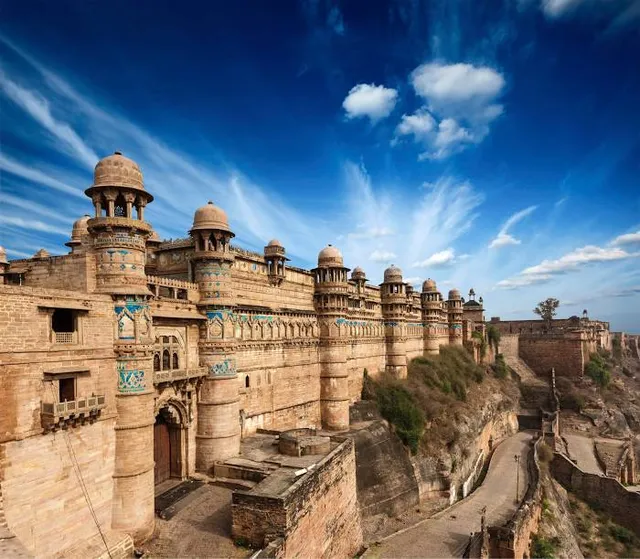
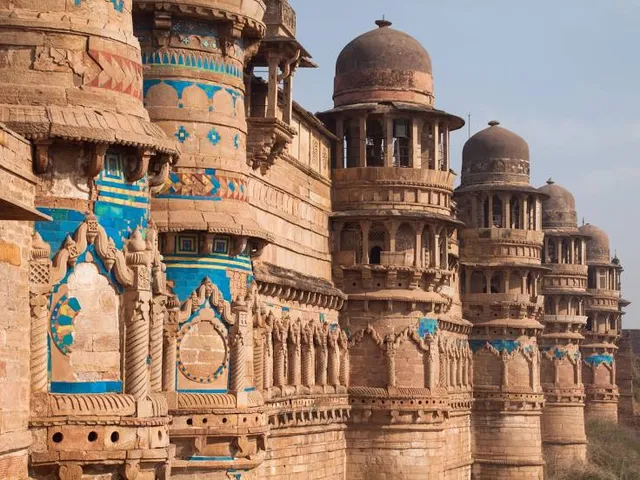
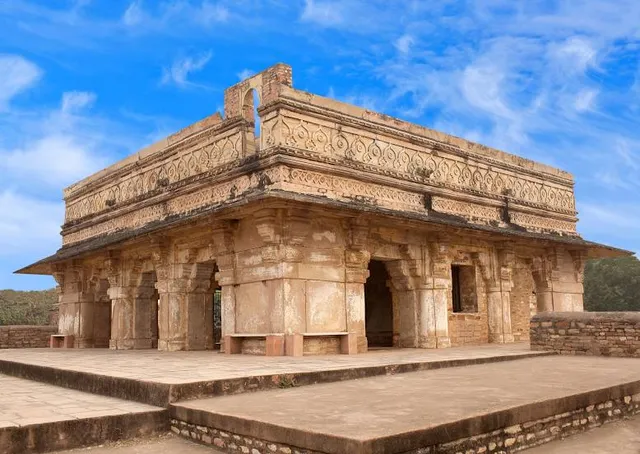
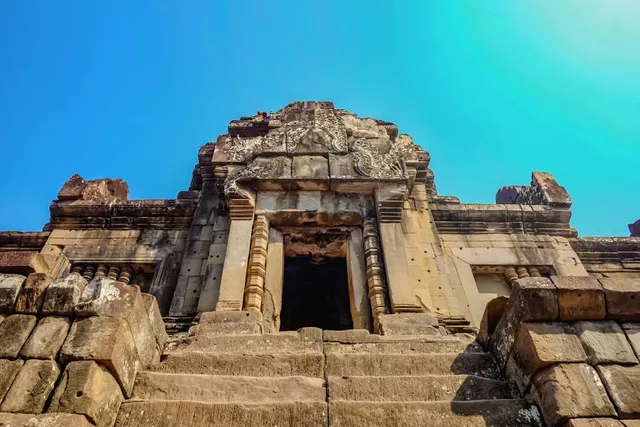
As I entered Gujari Mahal, I was immediately struck by its majestic presence and the intricate carvings adorning its walls. The architecture reflects a harmonious blend of Hindu and Islamic influences, adding to its unique charm. The palace stands as a testament to the grandeur of the bygone era and offers a glimpse into the life and culture of the region.
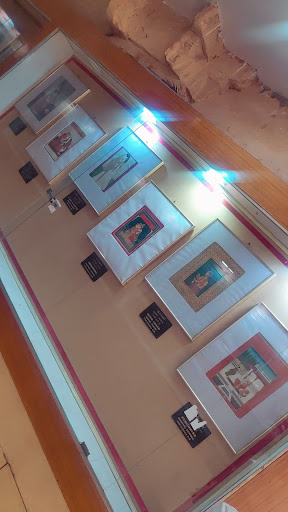
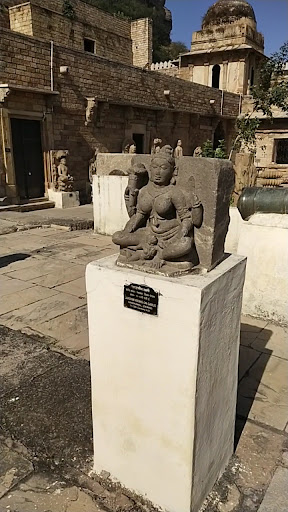
Inside Gujari Mahal, the museum houses a remarkable collection of artifacts and antiquities. The exquisite sculptures, intricately carved pillars, ancient coins, and archaeological finds provide insights into the rich history and artistic brilliance of the region. The museum's well-curated exhibits and informative displays offer a fascinating journey through time.
The museum also houses a remarkable collection of rare artifacts belonging to Rani Mrignayani, a renowned queen from the region. The intricate jewelry, royal costumes, and personal belongings on display offer a glimpse into the opulent lifestyle of the royal family.
The preservation and maintenance of Gujari Mahal are commendable. The museum is well-maintained, with clean and well-lit galleries that enhance the viewing experience. The knowledgeable staff members are always ready to provide insights and answer questions, adding to the overall educational experience.
The surrounding area of Gujari Mahal offers breathtaking views of the Gwalior Fort and the cityscape. The serene ambiance and well-manicured gardens provide a peaceful retreat where visitors can relax and soak in the beauty of the surroundings.
In conclusion, Gujari Mahal is a treasure trove of history and art that takes visitors on a journey back in time. Its architectural splendor, captivating exhibits, and rich cultural heritage make it a must-visit destination for history enthusiasts and art lovers. A visit to Gujari Mahal is a captivating experience that leaves one with a deeper appreciation for the region's history and the craftsmanship...
Read moreBuilt by Man Singh in the 15th century for his favorite wife Mrignayani, Gujari Mahal is now in ruins and also an archaeological museum as it showcases various sculptures, statues and other remains dating back to 1st and 2nd century BC. Gujari Mahal, itself is one of the remarkable place for tourists. This is second important palace of Gwalior fort from the art & architectural point of view. The palace was built by king Man Singh for his beloved queen Mrignayani who was born in Gujjar family. The king called her Mrignayani due to her beautiful eyes as that of deer. Gujari Mahal Museum is one of the important museum under the Directorate of Archaeology, Archives and Museums, Madhya Pradesh. In the year 1913, the then Maharaja of Gwalior State Shri Madhav Rao Scindhia formed an Archaeological Department and appointed Shri M.B. Garde as Director of it . The decision to establish a museum in Gwalior was taken in 1914. Subsequently, ancient objects were collected from various places of the Gwalior state. In the year 1922 the museum was inaugrated. Since its inception the museum has gone through various stages of development. Many new galleries have also been introduced. one of the most beautiful and uniquely maintained museum in India. You can find many rare and unusual figurines. Shiva carrying the corpse of Sati, Buddha meditating with a hand touching the ground (bhoomi-sparsh buddha), thousand limbed kaali and three faced Sun.
The legend behind the Gujri queen is equally interesting. King Maan Singh had 8 rajput Queens who lived in closed(I mean, literally) chambers of his fort. He saw a strong gujar girl who separated two fighting bulls with her bare hands.
On proposing a marriage, this extraordinary girl demanded a separate open fort for her as a symbol of her dignity despite of her lower caste, a pipeline system to bring water from her hometown to her fort and permission to stay with the king in every battle of his life. Such unusual magical places are born from the womb of such unusual magical love stories only.
She died fighting alongside her...
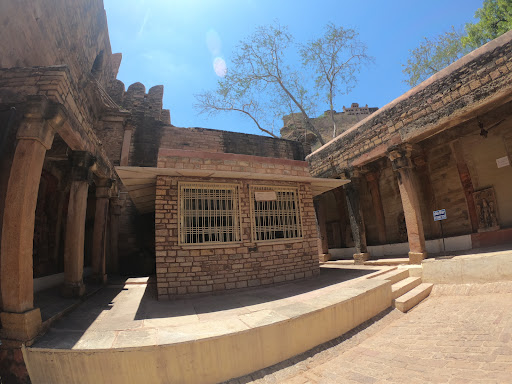
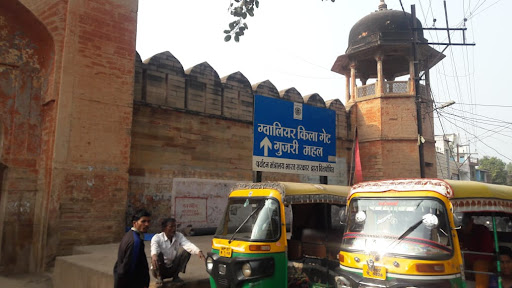
Read moreGujari Mahal is a notable attraction because it was the Royal Residence of Raja Man Singh Tomar's beloved Queen Mirignayni who was from a Gujjar family. It's located below the fort in the East near the Badal Gate. This palace was built by Raja Man Singh Tomar. Its Architecture is notable double storeyed ornate entrance above balconied windows, porch, numerous rooms and halls double storeyed pavilions with domed roofs in all the four sides of a rectangular courtyard. A basement and all are having decorated sculptures on pillars, capitals, brackets etc. Sand stone was used in its construction.
In 1913 AD during the reign of Madhav Rao Scindia initiative were taken under the supervision of Mr. Garde to establish the Archaeological Museum and finally it was inaugurated in 1922 AD as a State Museum and located in this well preserved Gujari Mahal. Presently it has about 17 galleries and many open galleries. It has many artefacts which were excavated from Mohan Jo daro, Vidisha, Ujjain etc. It displays the stone sculptures, paintings, coins, terracotta, inscriptions, arms and weapons, lintels, including the artefacts which are being displayed in the international exhibitions. These antiques belongs to the 1 AD to medieval periods. It also houses the Garuda Capital of Heliodorous pillar known as Kham Baba situated in Vidisha. These Sculptures belongs to Buddhism Jainism and Hinduism. Shiva as Natraj, Vishnu as Vaikuntha, Boar, Vamana, Goddess Parvati as Mahishamardini, Salbhanjika etc are notable.
This museum certainly display th Indian cultural legacy hence this museum is a major attraction among the history buffs wanderers soulseekers art culture and Architecture lovers. It remains closed on every Monday and for Photography and videography additional charges to be paid which are affordable. It needs two hours and nearest attractions are Badal Gate, Chaturbhuj Temple,...
Read more