HTML SitemapExplore
logo
Find Things to DoFind The Best Restaurants

Qutub Shahi Tombs — Attraction in Hyderabad

Name
Qutub Shahi Tombs
Description
Nearby attractions
7 Tombs Park
99WW+CQP, 7 Tombs Rd, Toli Chowki, Hyderabad, Telangana 500104, India
Deccan Park
99VX+X4P, Qutub Shahi Tombs, 7 Tombs Rd, Hyderabad, Telangana 500104, India
Nearby restaurants
BAB AL MANDI
99VX+2WP, Building no. 9-4-139 Virat nagar, 7 Tombs Rd, Beside Golf Club, Banjara Darwaja, Toli Chowki, Hyderabad, Telangana 500008, India
Pyare Khalu Fry Fish Center
9-10-404, Fort Rd, Resham Bagh, Golconda Fort, Hyderabad, Telangana 500008, India
Sahan Arabi
9-4-136/F, ANURAG COLONY, 7 Tombs Rd, Hyderabad, Telangana 500008, India
Big Cheese Cafe
7 Tombs Rd, Vivekananda Nagar, Shaikpet, Hyderabad, Telangana 500104, India
Chaat corner
Neknampur Rd, Baba Colony, Ibrahim Bagh, Puppalguda, Hyderabad, Telangana 500104, India
Nearby hotels
Related posts
Keywords
Qutub Shahi Tombs tourism.Qutub Shahi Tombs hotels.Qutub Shahi Tombs bed and breakfast. flights to Qutub Shahi Tombs.Qutub Shahi Tombs attractions.Qutub Shahi Tombs restaurants.Qutub Shahi Tombs travel.Qutub Shahi Tombs travel guide.Qutub Shahi Tombs travel blog.Qutub Shahi Tombs pictures.Qutub Shahi Tombs photos.Qutub Shahi Tombs travel tips.Qutub Shahi Tombs maps.Qutub Shahi Tombs things to do.
Qutub Shahi Tombs things to do, attractions, restaurants, events info and trip planning
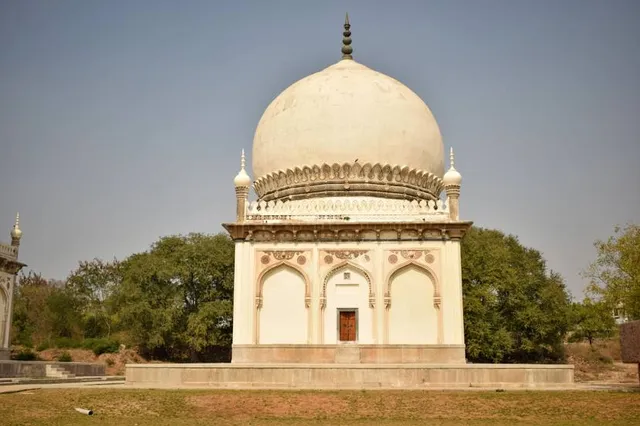
Qutub Shahi Tombs
IndiaTelanganaHyderabadQutub Shahi Tombs

Basic Info

Qutub Shahi Tombs

Qutub Shahi Tombs, Hyderabad, Telangana 500104, India
4.4(8.5K)
Closed
Save
spot

Ratings & Description

Info

Cultural
Outdoor
Accessibility
Family friendly
attractions: 7 Tombs Park, Deccan Park, restaurants: BAB AL MANDI, Pyare Khalu Fry Fish Center, Sahan Arabi, Big Cheese Cafe, Chaat corner
logoLearn more insights from Wanderboat AI.
Website
hyderabad.telangana.gov.in
Open hoursSee all hours
Sun9:30 AM - 5:30 PMClosed

Plan your stay

hotel
Pet-friendly Hotels in Hyderabad
Find a cozy hotel nearby and make it a full experience.
hotel
Affordable Hotels in Hyderabad
Find a cozy hotel nearby and make it a full experience.
hotel
The Coolest Hotels You Haven't Heard Of (Yet)
Find a cozy hotel nearby and make it a full experience.
hotel
Trending Stays Worth the Hype in Hyderabad
Find a cozy hotel nearby and make it a full experience.

Reviews

Nearby attractions of Qutub Shahi Tombs

7 Tombs Park

Deccan Park

7 Tombs Park

7 Tombs Park

4.5

(1.3K)

Open 24 hours
Click for details
Deccan Park

Deccan Park

4.2

(1.5K)

Closed
Click for details

Things to do nearby

Romantic tour in Hyderabad
Tue, Dec 9 • 8:00 AM
Hyderabad
View details
Candlelight Open Air: Tribute to Arijit Singh
Sat, Dec 13 • 6:00 PM
Ramdev Guda, Ibrahim Bagh, Hyderabad, 500031
View details
Old city Walking Tour in Charminar
Sun, Dec 7 • 5:00 PM
Madina Lane, Rikab Gunj, Ghansi Bazaar, Hyderabad, 500002
View details

Nearby restaurants of Qutub Shahi Tombs

BAB AL MANDI

Pyare Khalu Fry Fish Center

Sahan Arabi

Big Cheese Cafe

Chaat corner

BAB AL MANDI

BAB AL MANDI

4.0

(471)

Click for details
Pyare Khalu Fry Fish Center

Pyare Khalu Fry Fish Center

4.4

(22)

Click for details
Sahan Arabi

Sahan Arabi

3.9

(150)

Click for details
Big Cheese Cafe

Big Cheese Cafe

4.8

(27)

$

Click for details
Get the Appoverlay
Get the AppOne tap to find yournext favorite spots!
Wanderboat LogoWanderboat

Your everyday Al companion for getaway ideas

CompanyAbout Us
InformationAI Trip PlannerSitemap
SocialXInstagramTiktokLinkedin
LegalTerms of ServicePrivacy Policy

Get the app

© 2025 Wanderboat. All rights reserved.
logo

Reviews of Qutub Shahi Tombs

4.4
(8,523)
avatar
5.0
50w

The Qutb Shahi Tombs A Testament to the Glorious Past of Hyderabad

The Qutb Shahi Tombs, situated in the Ibrahim Bagh near Golconda Fort, are one of Hyderabad's most remarkable heritage sites. These tombs serve as an eternal tribute to the rulers of the Qutb Shahi dynasty, who ruled the region for nearly 170 years (1518-1687). With their exquisite architecture, tranquil surroundings, and rich history, these tombs reflect the grandeur, artistry, and cultural heritage of the Deccan region.

Historical Background The Qutb Shahi dynasty, founded by Sultan Quli Qutb Shah in 1518, played a pivotal role in shaping the cultural and architectural landscape of Hyderabad and Golconda. The dynasty ruled until 1687 when Mughal Emperor Aurangzeb Alamgir Rahmatullah Alaih conquered the region, marking the end of the Qutb Shahi rule.

The Qutb Shahi Tombs were constructed during the 16th and 17th centuries and house the final resting places of the seven Qutb Shahi rulers, alongside other royal family members and nobles. These tombs stand as monuments to their reign, reflecting their contributions to art, architecture, and governance.

Architectural Marvel The Qutb Shahi Tombs are a stunning blend of Persian, Indo-Islamic, and Deccan architectural styles. Some key features of the tombs include:

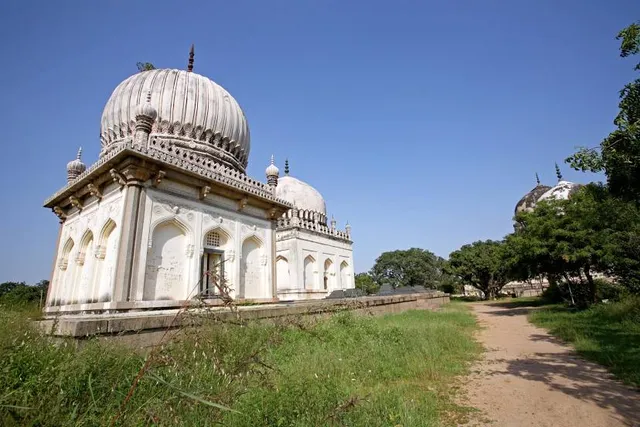
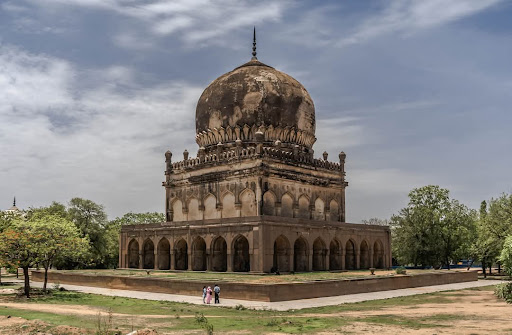
Each tomb features large domes, intricately carved arches, and ornate minarets that showcase the artistry of the time.

The walls and ceilings are adorned with fine calligraphy, floral motifs, and geometrical patterns, highlighting the craftsmanship of the Qutb Shahi period.

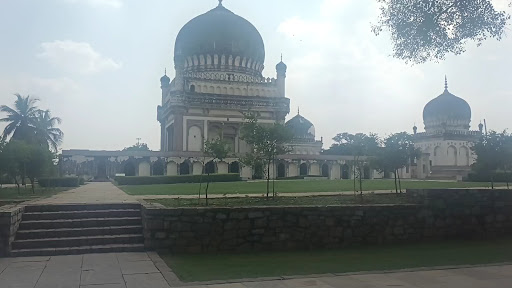
The tombs are arranged in a symmetrical pattern within a serene landscape, creating a harmonious environment that adds to their grandeur. Unique Constructio Made primarily of granite, the tombs are robust yet elegant, with plasterwork enhancing their aesthetic appeal.

The largest and most impressive among them is the tomb of Muhammad Quli Qutb Shah, the fifth ruler and founder of Hyderabad. Its imposing structure and ornate details leave visitors in awe.

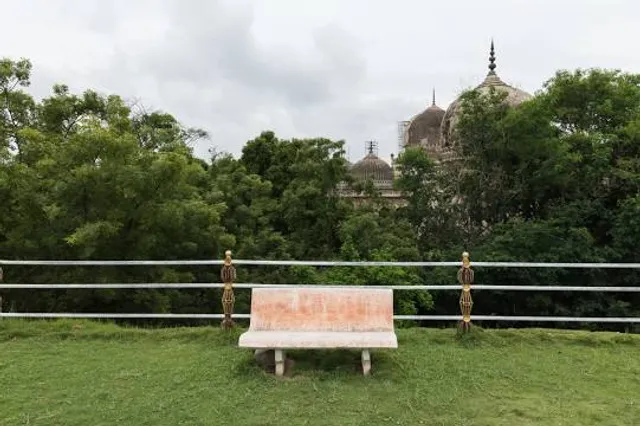
The Tombs Complex and Its Surroundings The Qutb Shahi Tombs complex is a sprawling heritage site surrounded by lush greenery. The beautifully landscaped Ibrahim Bagh adds to the tranquility of the place, making it ideal for family outings, reflection, and quiet contemplation. Informative placards and guides provide visitors with rich insights into the lives of the Qutb Shahi rulers and the historical significance of each tomb.

The tombs are not just architectural marvels but sacred spaces where the rulers, queens, and nobles of the Qutb Shahi dynasty found their eternal rest.

Connection to Aurangzeb and Golconda Fort, The history of the Qutb Shahi Tombs is incomplete without mentioning Aurangzeb Alamgir Rahmatullah Alaih. In 1687, Mughal Emperor Aurangzeb conquered the Golconda Fort after a prolonged siege, effectively ending the Qutb Shahi dynasty. The kinsmen of the fallen rulers were laid to rest in the Qutb Shahi Tombs, marking the end of an era. Aurangzeb’s conquest not only led to the Mughal annexation of the Deccan region but also influenced the fate of the Qutb Shahi architectural legacy.

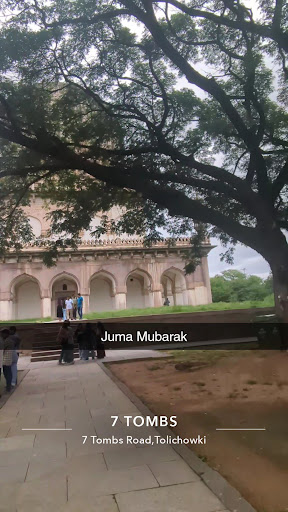
A Place of Worship and Serenity The Qutb Shahi Tombs complex is often described as a serene and peaceful environment, ideal for prayer and contemplation. The lush gardens, chirping birds, and majestic tombs create a unique spiritual and historical ambiance. While primarily a heritage site, its atmosphere makes it an excellent place to perform Jumu'ah prayers or seek peace away from the hustle of modern city life.

Why you visit..

A journey through time, offering insights into Hyderabad's glorious past and its rulers.

An opportunity to marvel at centuries-old Indo-Islamic and Persian architectural styles.

A chance to explore the cultural heritage and traditions of the Deccan Sultanate.

Ideal for family outings, photography, and quiet reflection amidst lush greenery.

A perfect destination for history enthusiasts, students, and researchers interested in India's...

   Read more
avatar
4.0
2y

Visiting the Qutub Shahi Tombs was an exquisite experience that transported me back in time. The site exuded an aura of historical grandeur and architectural brilliance that left me awe-inspired. From the moment I set foot in this magnificent necropolis, I was captivated by the sheer beauty and historical significance of the Qutub Shahi Tombs.

The intricate carvings and architectural marvels of each tomb showcased the rich heritage of the Qutub Shahi dynasty. Walking through the well-preserved structures, I felt a deep sense of reverence for the rulers and nobles who found their eternal resting place here. The attention to detail in the design, with delicate ornamentation and exquisite calligraphy, was a testament to the craftsmanship of the artisans of that era.

The sprawling complex, set against the backdrop of lush greenery and serene surroundings, provided a peaceful atmosphere conducive to reflection and contemplation. It was a surreal experience to explore the various tombs, each with its unique charm and historical significance. The ambiance was both tranquil and majestic, allowing visitors like me to immerse ourselves in the rich history of the Deccan region.

One of the highlights of my visit was the grandeur of the main tomb, the mausoleum of Muhammad Quli Qutub Shah, the fifth ruler of the Qutub Shahi dynasty. The sheer scale of the structure and the intricacy of its architecture were awe-inspiring. As I stood before it, I couldn't help but marvel at the artistic genius and vision of the architects and craftsmen who created this masterpiece centuries ago.

Apart from the main tomb, the complex boasted several other smaller tombs, each telling its own unique story. Exploring these lesser-known tombs allowed me to appreciate the diversity of architectural styles and artistic motifs that were prevalent during the Qutub Shahi period. The tombs were not mere structures; they were portals to the past, offering a glimpse into the lives and times of the people who once thrived in this region.

The surrounding gardens and pathways were meticulously maintained, enhancing the overall experience of my visit. I found solace in the tranquility of the gardens, where I could sit and admire the beauty of the tombs while soaking in the peaceful atmosphere. The juxtaposition of history and nature created a harmonious environment that made my visit truly unforgettable.

In addition to the architectural marvels, the site also served as a historical treasure trove, with informative plaques and displays providing valuable insights into the Qutub Shahi dynasty and the cultural heritage of Hyderabad. The efforts taken to preserve and showcase this heritage were commendable, making the visit not only visually stunning but also intellectually enriching.

I was also deeply moved by the sense of cultural pride that permeated the entire site. Local visitors and tourists alike seemed to appreciate the historical significance of the Qutub Shahi Tombs, creating a sense of shared reverence among everyone present. It was heartening to see people from diverse backgrounds come together to celebrate and honor this cultural heritage.

In conclusion, my visit to the Qutub Shahi Tombs was a soul-stirring journey through time and heritage. The site offered a perfect blend of architectural splendor, historical significance, and natural beauty. It was a testament to the rich cultural tapestry of Hyderabad and a reminder of the enduring legacy of the Qutub Shahi dynasty. I left the tombs with a profound sense of awe and gratitude, grateful for the opportunity to witness and appreciate such a marvel of human creativity and historical importance. It's a must-visit destination for anyone seeking to delve into the heart of India's vibrant past and experience the magic of its...

   Read more
avatar
3.0
51w

I recently visited the Qutub Shahi Tombs with my friends on a weekend, and it was an experience that left me with mixed emotions. On one hand, I was amazed by the incredibly architecture and brilliant details of the tombs. On the other hand, I was disappointed by the poor maintenance and management of this heritage site.

Located in the heart of Hyderabad, the Qutub Shahi Tombs are a treasure trove of historical significance and architectural brilliance. The tombs, which date back to the 16th century, are a testament to the rich cultural heritage of the city. As we walked through the complex, we were struck by the intricate carvings, ornate details, and stunning architecture that seemed to transport us back in time.

However, despite its historical significance and architectural brilliance, the Qutub Shahi Tombs are not well-maintained. The complex was littered with trash, and the gardens were overgrown and neglected. It was clear that the site was not receiving the care and attention it deserved.

I was also disappointed by the poor management of the site. There were no clear signs or directions, As a visitor, it was frustrating to navigate the complex and get the information we needed.

Despite these challenges, the Qutub Shahi Tombs are still a must-visit destination for anyone interested in history, architecture, or culture. The Aga Khan Institute's restoration efforts are commendable, and it's clear that the site has the potential to be a world-class tourist destination.

To improve the experience, I would recommend that the authorities focus on better maintenance and management of the site. This could include providing clear signs and directions, training staff to be more helpful and informative, and increasing security to prevent vandalism and littering.

In conclusion, the Qutub Shahi Tombs are a hidden gem in the heart of Hyderabad, waiting to be discovered and appreciated. With better maintenance and management, this heritage site could be transformed into a world-class tourist destination that showcases the rich cultural heritage of India.

Recommendations:

Better maintenance and management of the site Clear signs and directions Trained staff to provide information and assistance Increased security to prevent vandalism and littering Restoration efforts to preserve the historical monuments Guided tours to provide insight into the history and significance of the tombs Best time to visit: Early morning or late afternoon to avoid the crowds and heat. Wear comfortable shoes, as you'll be doing a lot of walking. Bring plenty of water and snacks, as options may be limited within the complex. Hire a guide or audio guide to get the most out of your visit and learn about the history and significance of the tombs. Respect the monuments and gardens, and avoid littering or damaging the property in any way. Take plenty of photos, but be respectful of other visitors and the monuments themselves. Consider visiting the nearby Golconda Fort for a comprehensive understanding of the region's history...

   Read more
Page 1 of 7
Previous
Next

Posts

Think About SuhrawardiThink About Suhrawardi
The Qutb Shahi Tombs A Testament to the Glorious Past of Hyderabad The Qutb Shahi Tombs, situated in the Ibrahim Bagh near Golconda Fort, are one of Hyderabad's most remarkable heritage sites. These tombs serve as an eternal tribute to the rulers of the Qutb Shahi dynasty, who ruled the region for nearly 170 years (1518-1687). With their exquisite architecture, tranquil surroundings, and rich history, these tombs reflect the grandeur, artistry, and cultural heritage of the Deccan region. Historical Background The Qutb Shahi dynasty, founded by Sultan Quli Qutb Shah in 1518, played a pivotal role in shaping the cultural and architectural landscape of Hyderabad and Golconda. The dynasty ruled until 1687 when Mughal Emperor Aurangzeb Alamgir Rahmatullah Alaih conquered the region, marking the end of the Qutb Shahi rule. The Qutb Shahi Tombs were constructed during the 16th and 17th centuries and house the final resting places of the seven Qutb Shahi rulers, alongside other royal family members and nobles. These tombs stand as monuments to their reign, reflecting their contributions to art, architecture, and governance. Architectural Marvel The Qutb Shahi Tombs are a stunning blend of Persian, Indo-Islamic, and Deccan architectural styles. Some key features of the tombs include: Each tomb features large domes, intricately carved arches, and ornate minarets that showcase the artistry of the time. The walls and ceilings are adorned with fine calligraphy, floral motifs, and geometrical patterns, highlighting the craftsmanship of the Qutb Shahi period. The tombs are arranged in a symmetrical pattern within a serene landscape, creating a harmonious environment that adds to their grandeur. Unique Constructio Made primarily of granite, the tombs are robust yet elegant, with plasterwork enhancing their aesthetic appeal. The largest and most impressive among them is the tomb of Muhammad Quli Qutb Shah, the fifth ruler and founder of Hyderabad. Its imposing structure and ornate details leave visitors in awe. The Tombs Complex and Its Surroundings The Qutb Shahi Tombs complex is a sprawling heritage site surrounded by lush greenery. The beautifully landscaped Ibrahim Bagh adds to the tranquility of the place, making it ideal for family outings, reflection, and quiet contemplation. Informative placards and guides provide visitors with rich insights into the lives of the Qutb Shahi rulers and the historical significance of each tomb. The tombs are not just architectural marvels but sacred spaces where the rulers, queens, and nobles of the Qutb Shahi dynasty found their eternal rest. Connection to Aurangzeb and Golconda Fort, The history of the Qutb Shahi Tombs is incomplete without mentioning Aurangzeb Alamgir Rahmatullah Alaih. In 1687, Mughal Emperor Aurangzeb conquered the Golconda Fort after a prolonged siege, effectively ending the Qutb Shahi dynasty. The kinsmen of the fallen rulers were laid to rest in the Qutb Shahi Tombs, marking the end of an era. Aurangzeb’s conquest not only led to the Mughal annexation of the Deccan region but also influenced the fate of the Qutb Shahi architectural legacy. A Place of Worship and Serenity The Qutb Shahi Tombs complex is often described as a serene and peaceful environment, ideal for prayer and contemplation. The lush gardens, chirping birds, and majestic tombs create a unique spiritual and historical ambiance. While primarily a heritage site, its atmosphere makes it an excellent place to perform Jumu'ah prayers or seek peace away from the hustle of modern city life. Why you visit.. A journey through time, offering insights into Hyderabad's glorious past and its rulers. An opportunity to marvel at centuries-old Indo-Islamic and Persian architectural styles. A chance to explore the cultural heritage and traditions of the Deccan Sultanate. Ideal for family outings, photography, and quiet reflection amidst lush greenery. A perfect destination for history enthusiasts, students, and researchers interested in India's rich heritage...
ismail KINGismail KING
Visiting the Qutub Shahi Tombs was an exquisite experience that transported me back in time. The site exuded an aura of historical grandeur and architectural brilliance that left me awe-inspired. From the moment I set foot in this magnificent necropolis, I was captivated by the sheer beauty and historical significance of the Qutub Shahi Tombs. The intricate carvings and architectural marvels of each tomb showcased the rich heritage of the Qutub Shahi dynasty. Walking through the well-preserved structures, I felt a deep sense of reverence for the rulers and nobles who found their eternal resting place here. The attention to detail in the design, with delicate ornamentation and exquisite calligraphy, was a testament to the craftsmanship of the artisans of that era. The sprawling complex, set against the backdrop of lush greenery and serene surroundings, provided a peaceful atmosphere conducive to reflection and contemplation. It was a surreal experience to explore the various tombs, each with its unique charm and historical significance. The ambiance was both tranquil and majestic, allowing visitors like me to immerse ourselves in the rich history of the Deccan region. One of the highlights of my visit was the grandeur of the main tomb, the mausoleum of Muhammad Quli Qutub Shah, the fifth ruler of the Qutub Shahi dynasty. The sheer scale of the structure and the intricacy of its architecture were awe-inspiring. As I stood before it, I couldn't help but marvel at the artistic genius and vision of the architects and craftsmen who created this masterpiece centuries ago. Apart from the main tomb, the complex boasted several other smaller tombs, each telling its own unique story. Exploring these lesser-known tombs allowed me to appreciate the diversity of architectural styles and artistic motifs that were prevalent during the Qutub Shahi period. The tombs were not mere structures; they were portals to the past, offering a glimpse into the lives and times of the people who once thrived in this region. The surrounding gardens and pathways were meticulously maintained, enhancing the overall experience of my visit. I found solace in the tranquility of the gardens, where I could sit and admire the beauty of the tombs while soaking in the peaceful atmosphere. The juxtaposition of history and nature created a harmonious environment that made my visit truly unforgettable. In addition to the architectural marvels, the site also served as a historical treasure trove, with informative plaques and displays providing valuable insights into the Qutub Shahi dynasty and the cultural heritage of Hyderabad. The efforts taken to preserve and showcase this heritage were commendable, making the visit not only visually stunning but also intellectually enriching. I was also deeply moved by the sense of cultural pride that permeated the entire site. Local visitors and tourists alike seemed to appreciate the historical significance of the Qutub Shahi Tombs, creating a sense of shared reverence among everyone present. It was heartening to see people from diverse backgrounds come together to celebrate and honor this cultural heritage. In conclusion, my visit to the Qutub Shahi Tombs was a soul-stirring journey through time and heritage. The site offered a perfect blend of architectural splendor, historical significance, and natural beauty. It was a testament to the rich cultural tapestry of Hyderabad and a reminder of the enduring legacy of the Qutub Shahi dynasty. I left the tombs with a profound sense of awe and gratitude, grateful for the opportunity to witness and appreciate such a marvel of human creativity and historical importance. It's a must-visit destination for anyone seeking to delve into the heart of India's vibrant past and experience the magic of its architectural wonders.
Zaid OmerZaid Omer
I recently visited the Qutub Shahi Tombs with my friends on a weekend, and it was an experience that left me with mixed emotions. On one hand, I was amazed by the incredibly architecture and brilliant details of the tombs. On the other hand, I was disappointed by the poor maintenance and management of this heritage site. Located in the heart of Hyderabad, the Qutub Shahi Tombs are a treasure trove of historical significance and architectural brilliance. The tombs, which date back to the 16th century, are a testament to the rich cultural heritage of the city. As we walked through the complex, we were struck by the intricate carvings, ornate details, and stunning architecture that seemed to transport us back in time. However, despite its historical significance and architectural brilliance, the Qutub Shahi Tombs are not well-maintained. The complex was littered with trash, and the gardens were overgrown and neglected. It was clear that the site was not receiving the care and attention it deserved. I was also disappointed by the poor management of the site. There were no clear signs or directions, As a visitor, it was frustrating to navigate the complex and get the information we needed. Despite these challenges, the Qutub Shahi Tombs are still a must-visit destination for anyone interested in history, architecture, or culture. The Aga Khan Institute's restoration efforts are commendable, and it's clear that the site has the potential to be a world-class tourist destination. To improve the experience, I would recommend that the authorities focus on better maintenance and management of the site. This could include providing clear signs and directions, training staff to be more helpful and informative, and increasing security to prevent vandalism and littering. In conclusion, the Qutub Shahi Tombs are a hidden gem in the heart of Hyderabad, waiting to be discovered and appreciated. With better maintenance and management, this heritage site could be transformed into a world-class tourist destination that showcases the rich cultural heritage of India. Recommendations: - Better maintenance and management of the site - Clear signs and directions - Trained staff to provide information and assistance - Increased security to prevent vandalism and littering - Restoration efforts to preserve the historical monuments - Guided tours to provide insight into the history and significance of the tombs - Best time to visit: Early morning or late afternoon to avoid the crowds and heat. - Wear comfortable shoes, as you'll be doing a lot of walking. - Bring plenty of water and snacks, as options may be limited within the complex. - Hire a guide or audio guide to get the most out of your visit and learn about the history and significance of the tombs. - Respect the monuments and gardens, and avoid littering or damaging the property in any way. - Take plenty of photos, but be respectful of other visitors and the monuments themselves. - Consider visiting the nearby Golconda Fort for a comprehensive understanding of the region's history and culture.
See more posts
See more posts
hotel
Find your stay

Pet-friendly Hotels in Hyderabad

Find a cozy hotel nearby and make it a full experience.

The Qutb Shahi Tombs A Testament to the Glorious Past of Hyderabad The Qutb Shahi Tombs, situated in the Ibrahim Bagh near Golconda Fort, are one of Hyderabad's most remarkable heritage sites. These tombs serve as an eternal tribute to the rulers of the Qutb Shahi dynasty, who ruled the region for nearly 170 years (1518-1687). With their exquisite architecture, tranquil surroundings, and rich history, these tombs reflect the grandeur, artistry, and cultural heritage of the Deccan region. Historical Background The Qutb Shahi dynasty, founded by Sultan Quli Qutb Shah in 1518, played a pivotal role in shaping the cultural and architectural landscape of Hyderabad and Golconda. The dynasty ruled until 1687 when Mughal Emperor Aurangzeb Alamgir Rahmatullah Alaih conquered the region, marking the end of the Qutb Shahi rule. The Qutb Shahi Tombs were constructed during the 16th and 17th centuries and house the final resting places of the seven Qutb Shahi rulers, alongside other royal family members and nobles. These tombs stand as monuments to their reign, reflecting their contributions to art, architecture, and governance. Architectural Marvel The Qutb Shahi Tombs are a stunning blend of Persian, Indo-Islamic, and Deccan architectural styles. Some key features of the tombs include: Each tomb features large domes, intricately carved arches, and ornate minarets that showcase the artistry of the time. The walls and ceilings are adorned with fine calligraphy, floral motifs, and geometrical patterns, highlighting the craftsmanship of the Qutb Shahi period. The tombs are arranged in a symmetrical pattern within a serene landscape, creating a harmonious environment that adds to their grandeur. Unique Constructio Made primarily of granite, the tombs are robust yet elegant, with plasterwork enhancing their aesthetic appeal. The largest and most impressive among them is the tomb of Muhammad Quli Qutb Shah, the fifth ruler and founder of Hyderabad. Its imposing structure and ornate details leave visitors in awe. The Tombs Complex and Its Surroundings The Qutb Shahi Tombs complex is a sprawling heritage site surrounded by lush greenery. The beautifully landscaped Ibrahim Bagh adds to the tranquility of the place, making it ideal for family outings, reflection, and quiet contemplation. Informative placards and guides provide visitors with rich insights into the lives of the Qutb Shahi rulers and the historical significance of each tomb. The tombs are not just architectural marvels but sacred spaces where the rulers, queens, and nobles of the Qutb Shahi dynasty found their eternal rest. Connection to Aurangzeb and Golconda Fort, The history of the Qutb Shahi Tombs is incomplete without mentioning Aurangzeb Alamgir Rahmatullah Alaih. In 1687, Mughal Emperor Aurangzeb conquered the Golconda Fort after a prolonged siege, effectively ending the Qutb Shahi dynasty. The kinsmen of the fallen rulers were laid to rest in the Qutb Shahi Tombs, marking the end of an era. Aurangzeb’s conquest not only led to the Mughal annexation of the Deccan region but also influenced the fate of the Qutb Shahi architectural legacy. A Place of Worship and Serenity The Qutb Shahi Tombs complex is often described as a serene and peaceful environment, ideal for prayer and contemplation. The lush gardens, chirping birds, and majestic tombs create a unique spiritual and historical ambiance. While primarily a heritage site, its atmosphere makes it an excellent place to perform Jumu'ah prayers or seek peace away from the hustle of modern city life. Why you visit.. A journey through time, offering insights into Hyderabad's glorious past and its rulers. An opportunity to marvel at centuries-old Indo-Islamic and Persian architectural styles. A chance to explore the cultural heritage and traditions of the Deccan Sultanate. Ideal for family outings, photography, and quiet reflection amidst lush greenery. A perfect destination for history enthusiasts, students, and researchers interested in India's rich heritage...
Think About Suhrawardi

Think About Suhrawardi

hotel
Find your stay

Affordable Hotels in Hyderabad

Find a cozy hotel nearby and make it a full experience.

Get the Appoverlay
Get the AppOne tap to find yournext favorite spots!
Visiting the Qutub Shahi Tombs was an exquisite experience that transported me back in time. The site exuded an aura of historical grandeur and architectural brilliance that left me awe-inspired. From the moment I set foot in this magnificent necropolis, I was captivated by the sheer beauty and historical significance of the Qutub Shahi Tombs. The intricate carvings and architectural marvels of each tomb showcased the rich heritage of the Qutub Shahi dynasty. Walking through the well-preserved structures, I felt a deep sense of reverence for the rulers and nobles who found their eternal resting place here. The attention to detail in the design, with delicate ornamentation and exquisite calligraphy, was a testament to the craftsmanship of the artisans of that era. The sprawling complex, set against the backdrop of lush greenery and serene surroundings, provided a peaceful atmosphere conducive to reflection and contemplation. It was a surreal experience to explore the various tombs, each with its unique charm and historical significance. The ambiance was both tranquil and majestic, allowing visitors like me to immerse ourselves in the rich history of the Deccan region. One of the highlights of my visit was the grandeur of the main tomb, the mausoleum of Muhammad Quli Qutub Shah, the fifth ruler of the Qutub Shahi dynasty. The sheer scale of the structure and the intricacy of its architecture were awe-inspiring. As I stood before it, I couldn't help but marvel at the artistic genius and vision of the architects and craftsmen who created this masterpiece centuries ago. Apart from the main tomb, the complex boasted several other smaller tombs, each telling its own unique story. Exploring these lesser-known tombs allowed me to appreciate the diversity of architectural styles and artistic motifs that were prevalent during the Qutub Shahi period. The tombs were not mere structures; they were portals to the past, offering a glimpse into the lives and times of the people who once thrived in this region. The surrounding gardens and pathways were meticulously maintained, enhancing the overall experience of my visit. I found solace in the tranquility of the gardens, where I could sit and admire the beauty of the tombs while soaking in the peaceful atmosphere. The juxtaposition of history and nature created a harmonious environment that made my visit truly unforgettable. In addition to the architectural marvels, the site also served as a historical treasure trove, with informative plaques and displays providing valuable insights into the Qutub Shahi dynasty and the cultural heritage of Hyderabad. The efforts taken to preserve and showcase this heritage were commendable, making the visit not only visually stunning but also intellectually enriching. I was also deeply moved by the sense of cultural pride that permeated the entire site. Local visitors and tourists alike seemed to appreciate the historical significance of the Qutub Shahi Tombs, creating a sense of shared reverence among everyone present. It was heartening to see people from diverse backgrounds come together to celebrate and honor this cultural heritage. In conclusion, my visit to the Qutub Shahi Tombs was a soul-stirring journey through time and heritage. The site offered a perfect blend of architectural splendor, historical significance, and natural beauty. It was a testament to the rich cultural tapestry of Hyderabad and a reminder of the enduring legacy of the Qutub Shahi dynasty. I left the tombs with a profound sense of awe and gratitude, grateful for the opportunity to witness and appreciate such a marvel of human creativity and historical importance. It's a must-visit destination for anyone seeking to delve into the heart of India's vibrant past and experience the magic of its architectural wonders.
ismail KING

ismail KING

hotel
Find your stay

The Coolest Hotels You Haven't Heard Of (Yet)

Find a cozy hotel nearby and make it a full experience.

hotel
Find your stay

Trending Stays Worth the Hype in Hyderabad

Find a cozy hotel nearby and make it a full experience.

I recently visited the Qutub Shahi Tombs with my friends on a weekend, and it was an experience that left me with mixed emotions. On one hand, I was amazed by the incredibly architecture and brilliant details of the tombs. On the other hand, I was disappointed by the poor maintenance and management of this heritage site. Located in the heart of Hyderabad, the Qutub Shahi Tombs are a treasure trove of historical significance and architectural brilliance. The tombs, which date back to the 16th century, are a testament to the rich cultural heritage of the city. As we walked through the complex, we were struck by the intricate carvings, ornate details, and stunning architecture that seemed to transport us back in time. However, despite its historical significance and architectural brilliance, the Qutub Shahi Tombs are not well-maintained. The complex was littered with trash, and the gardens were overgrown and neglected. It was clear that the site was not receiving the care and attention it deserved. I was also disappointed by the poor management of the site. There were no clear signs or directions, As a visitor, it was frustrating to navigate the complex and get the information we needed. Despite these challenges, the Qutub Shahi Tombs are still a must-visit destination for anyone interested in history, architecture, or culture. The Aga Khan Institute's restoration efforts are commendable, and it's clear that the site has the potential to be a world-class tourist destination. To improve the experience, I would recommend that the authorities focus on better maintenance and management of the site. This could include providing clear signs and directions, training staff to be more helpful and informative, and increasing security to prevent vandalism and littering. In conclusion, the Qutub Shahi Tombs are a hidden gem in the heart of Hyderabad, waiting to be discovered and appreciated. With better maintenance and management, this heritage site could be transformed into a world-class tourist destination that showcases the rich cultural heritage of India. Recommendations: - Better maintenance and management of the site - Clear signs and directions - Trained staff to provide information and assistance - Increased security to prevent vandalism and littering - Restoration efforts to preserve the historical monuments - Guided tours to provide insight into the history and significance of the tombs - Best time to visit: Early morning or late afternoon to avoid the crowds and heat. - Wear comfortable shoes, as you'll be doing a lot of walking. - Bring plenty of water and snacks, as options may be limited within the complex. - Hire a guide or audio guide to get the most out of your visit and learn about the history and significance of the tombs. - Respect the monuments and gardens, and avoid littering or damaging the property in any way. - Take plenty of photos, but be respectful of other visitors and the monuments themselves. - Consider visiting the nearby Golconda Fort for a comprehensive understanding of the region's history and culture.
Zaid Omer

Zaid Omer

See more posts
See more posts