Jawahar Kala Kendra (JKK) Jaipur: A Cultural Gem in the Pink City
Nestled amidst the bustling streets of Jaipur, Jawahar Kala Kendra (JKK) stands as a cultural beacon, enriching the vibrant tapestry of the Pink City. With a history rooted in art and a commitment to preserving Rajasthan's rich heritage, JKK is a testament to the city's artistic prowess and cultural legacy. In this review, we'll explore the myriad goods and experiences that make JKK a must-visit destination for art aficionados and culture enthusiasts alike.
Architectural Marvel:
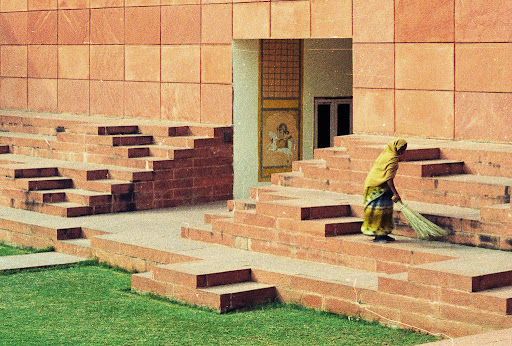
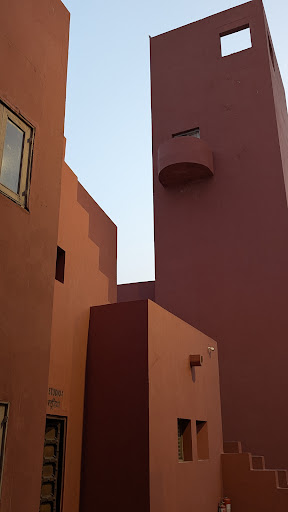
First and foremost, JKK's architectural grandeur is an art form in itself. Designed by the legendary architect Charles Correa, the Kendra is a striking blend of contemporary design and traditional Rajasthani elements. The geometric patterns, open courtyards, and the use of local pink sandstone create an enchanting backdrop for all that unfolds within its walls.
Cultural Riches:
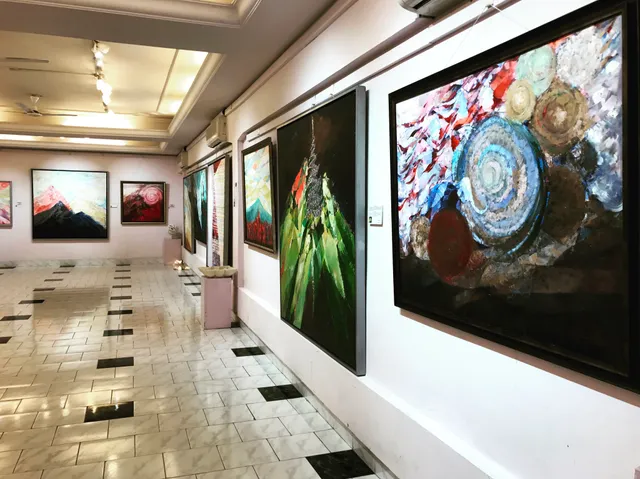
JKK is a treasure trove of cultural experiences. The art galleries house a diverse collection of contemporary and traditional art, allowing visitors to immerse themselves in Rajasthan's artistic heritage. The revolving exhibitions ensure that there's always something new and exciting to explore, making each visit unique.
Creative Workshops:
One of JKK's standout features is its commitment to fostering creativity. The center frequently hosts workshops, where both novices and seasoned artists can participate in a wide array of creative activities. From pottery to painting, these workshops provide an opportunity to learn from skilled artisans and unleash your inner artist.
Craft Bazaars:
For those looking to take a piece of Rajasthan's rich craft traditions home, JKK regularly hosts craft bazaars. These events showcase the work of local artisans, including pottery, textiles, jewelry, and more. It's an excellent place to shop for unique, handcrafted souvenirs.
Performing Arts:
JKK is a hub for performing arts, from traditional Rajasthani folk performances to contemporary theater and dance. The auditorium hosts a variety of cultural events and performances, ensuring that visitors can experience the beauty of Rajasthan's arts and culture in its many forms.
Library and Resource Center:
The Kendra's library and resource center are a haven for scholars, students, and anyone interested in delving deeper into Rajasthan's culture and history. It's a quiet and well-equipped space for research, making JKK a valuable resource for academics.
Cafes and Eateries:
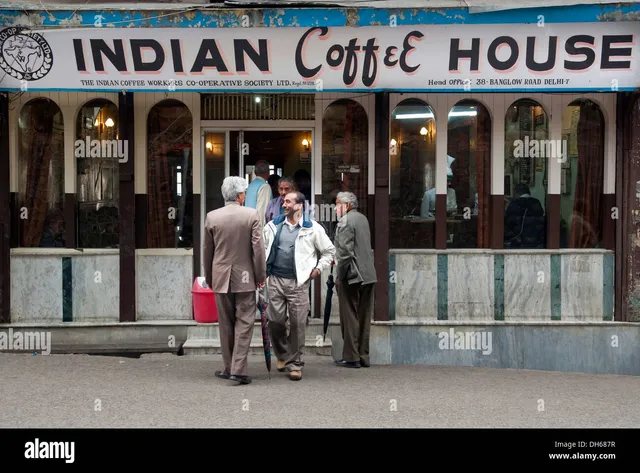
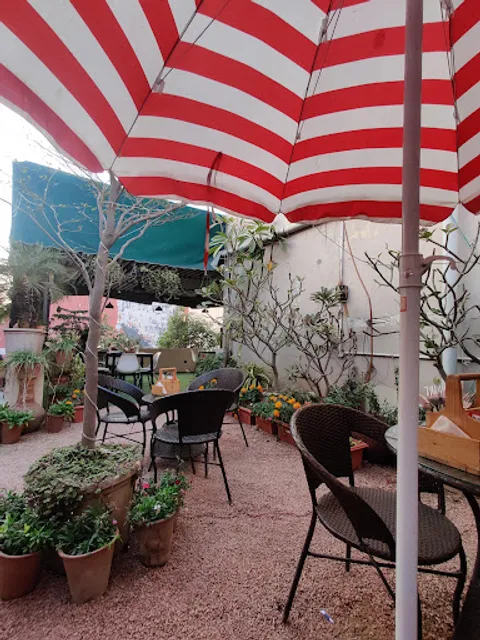
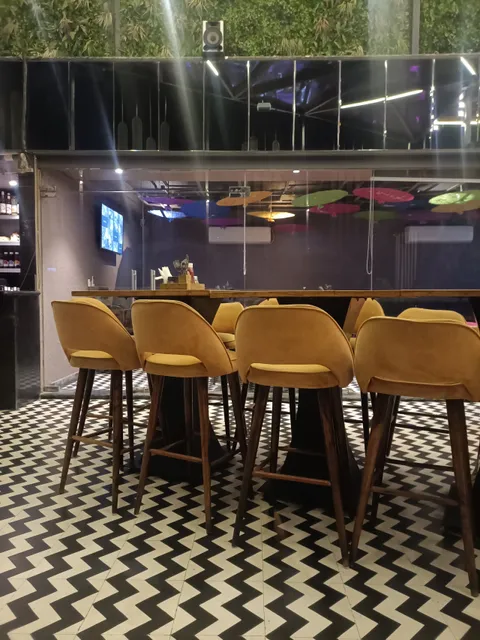
After immersing yourself in art and culture, JKK offers a variety of cafes and eateries where you can relax and savor local and international cuisine. The tranquil surroundings make it an ideal spot to unwind, reflect on your cultural journey, and enjoy a meal or a cup of tea.
Conclusion:
In conclusion, Jawahar Kala Kendra is an iconic cultural institution in Jaipur that offers a rich tapestry of artistic experiences. It's a place where tradition meets contemporary creativity, and where the vibrant culture of Rajasthan finds a modern expression. JKK not only preserves the state's cultural heritage but also nurtures and encourages artistic endeavors, making it an essential stop for anyone seeking to explore the arts and culture of the Pink City. Whether you're an art lover, a history enthusiast, or a casual tourist, JKK Jaipur has something to offer, making it a captivating destination that will leave you with a deeper appreciation of Rajasthan's...
Read moreThe Jawahar Kala Kendra (JKK) is a multi-arts center located in the city of Jaipur, India. It was built by the Government of Rajasthan to preserve Rajasthani arts and crafts.[1] The center has eight blocks housing museums, an amphitheater, a closed auditorium, a library, art display rooms, a cafeteria, a small hostel, and an art studio. It also houses two permanent art galleries and three others, and it hosts its yearly theatre festival. Rangayan, Mihir, Open Theatre, are a few of the many theatres housed in JKK. The building has eight squares and one main entrance. Each square is assigned to one planet in the plan and design. The square assigned to planet Brihaspati houses the library; planet Mangala houses the administrative offices; planet Budha houses the museum, which boasts a collection of miniature paintings, jewellery, photographs, musical instruments, and other cultural artifacts. Ketu houses other museum objects, among which an ornate antique carriage is prized.
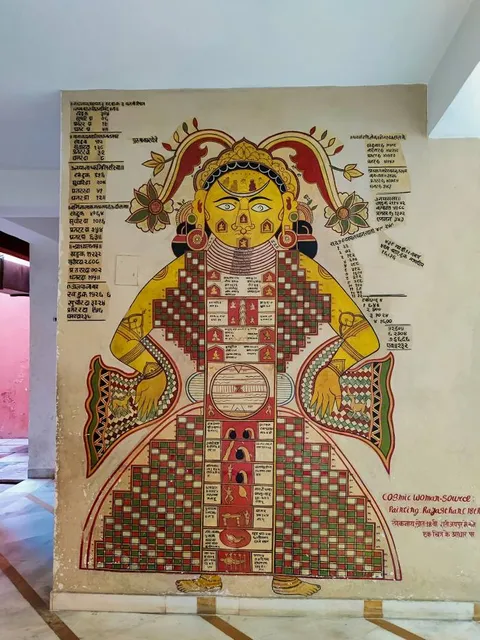
Traditional wooden statues of Rajasthani crafts and traditional terracotta wall panels are also exhibited. Planet Shukra houses the theatres, while planet Shani houses the art galleries, such as Sukriti, Surekh, Parijat, Chaturdik, etc. Rahu is the square that facilitates documentation and research. The central square is dedicated to the Surya, just as the sun is the centre of the universe. It also serves as an open-air theatre called ‘Madhyavati.’ The astrological symbol of each planet is illustrated in a mural on the adjoining wall of each corresponding section. The ground plan includes two museums, a folk art centre, a studio, a closed theatre known as ‘Rangayan,’ and an open-air theatre known as ‘Madhyavati.’
At Jawahar Kala Kendra, many local traditional folk theatres like Khayals, Rammats, and Tamashas are performed. Lok Rang, the national folk festival, is also held here annually. Its library houses 20,000 books on Art, Architecture, Culture, Sculpture, Music, Drama, and other related subjects. Monographs on studies of various art forms such as Ghumar, Kanhaiya, and Dhrupad have been published, along with a major publication on Wall Paintings of Rajasthan, Treasures of Albert Hall Museum, Abhaneri, etc. Summer schools for dance, theatre, music, painting, etc., are regularly conducted to train children. Renowned artists are invited for...
Read morehe Jawahar Kala Kendra Arts center located in Jaipur was designed in 1986 by Charles Correa. It was commissioned by the Rajasthan state government to preserve Rajasthani Arts and Crafts. The plan is inspired by the original city plan of Jaipur, consisting of nine squares with the central square left open as an open-to-sky courtyard amphitheater. The center is an analog of the original city plan of Jaipur drawn up by the Maharaja, a scholar, mathematician and astronomer, Jai Singh the Second, in the mid-17th century. His city plan, guided by the Shipla Shastras, was based on the ancient Vedic mandala of nine squares or houses which represent the nine planets (including two imaginary ones Ketu and Rahu). Due to the presence of a hill, one of the squares was transposed to the east and two of the squares were amalgamated to house the palace. Correa's plan for the Kendra invokes directly the original navagraha or nine house mandala. One of the squares is pivoted to recall the original city plan and also to create the entrance. As in the plan of Jaipur city based on the nine square Yantra in which one square is displaced and two central squares combined, in Kendra, the squares are defined by 8m high walls and are a symbol of the fortification walls of the Jaipur old city. The squares correspond to real and imaginary planets, such that each becomes the symbolic representation of the setting. Externally, the planets appear on the red sandstone facades as symbols inlaid in white marble and granite, while the plan configuration of nine squares corresponds internally to the mythical qualities associated with each planet. Mars signifies power, so the place of Mars, or Mangal Mahal, houses the offices of administration; Guru represents knowledge, and so forms the museum library; Venus as the artistic sign encloses the theater complex, and so on. At the very center of the universe, and imparting to the planets its creative energy, the sun manifests in the stepped tank, a reservoir of knowledge and confluence, of meeting...
Read more