HTML SitemapExplore
logo
Find Things to DoFind The Best Restaurants

Nishat Garden — Attraction in Jammu and Kashmir

Name
Nishat Garden
Description
Nearby attractions
Nearby restaurants
Peri Peri Restaurant
32 Nishat Shopping Market, Jammu and Kashmir 191121
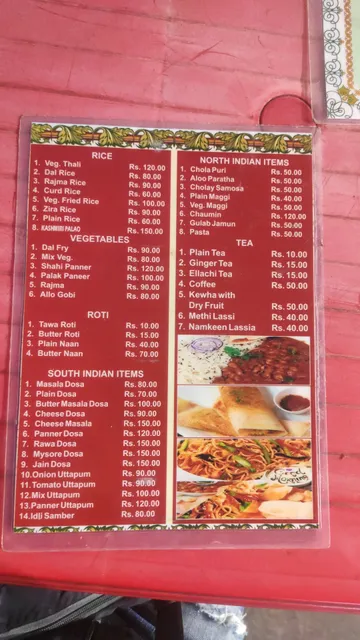
New South Indian Dhaba
Srinagar 191121
Delhi foods
Bagh Hussain, Nishat, Srinagar, Jammu and Kashmir 191121
The Gardener's Grill and cafe
Foreshore Rd, Nishat, Srinagar, Jammu and Kashmir 190001
Delhi Sweets
Nishat, Srinagar, Jammu and Kashmir 191121
The Nutshell
Nishat Harwan Rd, Ishber, Nishat, Srinagar, Jammu and Kashmir 191121
Haus
21/1, Nishat, Srinagar, Jammu and Kashmir 191121
Hukus Bukus (The Coffee Club)
Ishber, Foreshore Rd, near smc parking, Nishat, Srinagar, 191121
Cafe Hamin Ast-o By Hattrick
4VHG+6XC, Foreshore Rd, near Nishat Garden, Nishat, Srinagar, Jammu and Kashmir 190006
Treat Steak It Easy
3, Gupt Ganga - Ishber Rd, Nishat, Srinagar, Jammu and Kashmir 191121
Nearby hotels
Nishat Lake view resorts
Nishat Mughal Gardens, OLD Near, Bagh Hussain, Nishat, Srinagar, Jammu and Kashmir 191121
The Royal Nishat
Boulevard Rd, Bagh Hussain, Srinagar, Jammu and Kashmir 191121
King mahal villa
4VHH+WW, Nishat, Srinagar, Jammu and Kashmir 191121
Zostel Srinagar
Paradise Avenue Lane, Shalimar Road, Gupt Ganga - Ishber Rd, opposite Nutshell Restaurant, Nishat, Srinagar, Jammu and Kashmir 191121
Silver Oak by Olive County, Srinagar
Ishwar Ashram, Gupt Ganga - Ishber Rd, Nishat, Srinagar, Jammu and Kashmir 191121
OYO Nishat Hill Resort
near HDFC Bank, Brein, Srinagar, Jammu and Kashmir 191121
Aubiz Villa
75 Batgoo Road, Nishat Suth, near HDFC Bank, Brein, Branch, Srinagar, Jammu and Kashmir 191121
Noor by Lohono Stays
Link 2 Uphill Lane Ashram Road, Gupt Ganga - Ishber Rd, Nishat, Srinagar, Jammu and Kashmir 191121
Anjeer villa
Nishat, Srinagar, Jammu and Kashmir 191121
Lake Avenue by Stay Pattern
Nishat Suth, Lam, Dal Lake, Srinagar, Jammu and Kashmir 190025
Related posts
Keywords
Nishat Garden tourism.Nishat Garden hotels.Nishat Garden bed and breakfast. flights to Nishat Garden.Nishat Garden attractions.Nishat Garden restaurants.Nishat Garden travel.Nishat Garden travel guide.Nishat Garden travel blog.Nishat Garden pictures.Nishat Garden photos.Nishat Garden travel tips.Nishat Garden maps.Nishat Garden things to do.
Nishat Garden things to do, attractions, restaurants, events info and trip planning
Nishat Garden
IndiaJammu and KashmirNishat Garden

Basic Info

Nishat Garden

Boulevard Rd, Nishat, Srinagar, Jammu and Kashmir 191121
4.4(7.5K)
Closed
Save
spot

Ratings & Description

Info

Outdoor
Cultural
Family friendly
attractions: , restaurants: Peri Peri Restaurant, New South Indian Dhaba, Delhi foods, The Gardener's Grill and cafe, Delhi Sweets, The Nutshell, Haus, Hukus Bukus (The Coffee Club), Cafe Hamin Ast-o By Hattrick, Treat Steak It Easy
logoLearn more insights from Wanderboat AI.
Website
jktdc.co.in
Open hoursSee all hours
Sat9 AM - 7 PMClosed

Plan your stay

hotel
Pet-friendly Hotels in Jammu and Kashmir
Find a cozy hotel nearby and make it a full experience.
hotel
Affordable Hotels in Jammu and Kashmir
Find a cozy hotel nearby and make it a full experience.
hotel
The Coolest Hotels You Haven't Heard Of (Yet)
Find a cozy hotel nearby and make it a full experience.
hotel
Trending Stays Worth the Hype in Jammu and Kashmir
Find a cozy hotel nearby and make it a full experience.

Reviews

Nearby restaurants of Nishat Garden

Peri Peri Restaurant

New South Indian Dhaba

Delhi foods

The Gardener's Grill and cafe

Delhi Sweets

The Nutshell

Haus

Hukus Bukus (The Coffee Club)

Cafe Hamin Ast-o By Hattrick

Treat Steak It Easy

Peri Peri Restaurant

Peri Peri Restaurant

4.5

(9)

Click for details
New South Indian Dhaba

New South Indian Dhaba

4.0

(4)

Click for details
Delhi foods

Delhi foods

3.7

(15)

Click for details
The Gardener's Grill and cafe

The Gardener's Grill and cafe

4.3

(33)

Click for details
Get the Appoverlay
Get the AppOne tap to find yournext favorite spots!
Wanderboat LogoWanderboat

Your everyday Al companion for getaway ideas

CompanyAbout Us
InformationAI Trip PlannerSitemap
SocialXInstagramTiktokLinkedin
LegalTerms of ServicePrivacy Policy

Get the app

© 2025 Wanderboat. All rights reserved.
logo

Reviews of Nishat Garden

4.4
(7,506)
avatar
5.0
15w

Nishant Garden, also known as Nishat Bagh, is a magnificent Mughal garden located on the eastern banks of the Dal Lake in Srinagar, Jammu and Kashmir. Renowned as the second-largest Mughal garden in the Kashmir Valley after Shalimar Bagh, Nishat Garden spans approximately 12 hectares (around 30 acres) and is celebrated for its breathtaking views, intricate design, and historical significance. Its name, meaning “Garden of Joy” or “Garden of Bliss,” reflects the serene and picturesque environment it offers to visitors, perfectly blending nature with art and architecture.

The garden was designed and constructed in 1633 A.D. by Asif Khan, the elder brother of Nur Jahan, the influential wife of Mughal Emperor Jahangir. Unlike some of the other grand Mughal gardens designed for royalty, Nishat Bagh was built for a nobleman of the court but still embodies the exquisite aesthetic and cultural values of Mughal landscaping traditions. It is set against the backdrop of the Zabarwan mountain range, with stunning views of the Dal Lake and the snow-capped peaks of the Pir Panjal range in the distance.

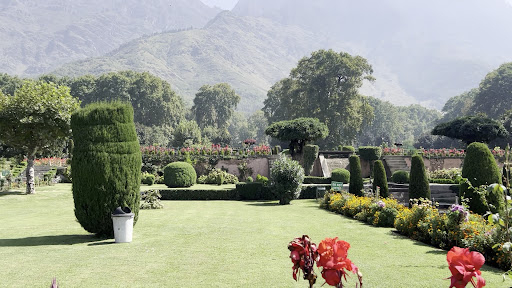
Nishat Garden is laid out in a traditional terraced fashion, consisting of twelve terraces which symbolize the twelve signs of the zodiac or the twelve months of the Islamic calendar. This unique sense of structure creates an elegant and harmonious flow from the lowest terraces near the lake's edge to the highest terraces which offer panoramic views of the surroundings. Each terrace features well-maintained flowerbeds, fountains, and flowing water channels or "waterways," which run through the garden, creating a peaceful and refreshing atmosphere.

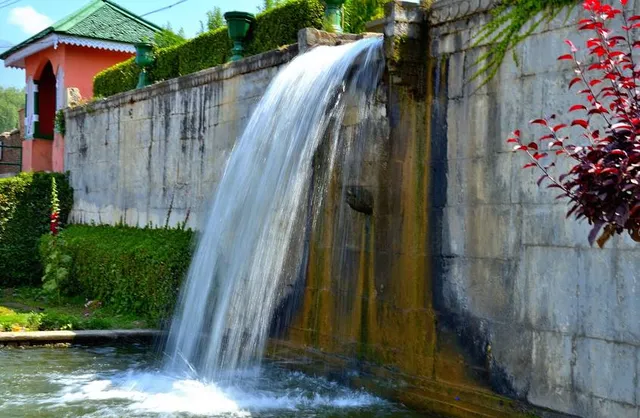
The garden’s water supply comes from the nearby spring known as "Gopi Thirst," providing clear and abundant water that cascades down the terraces via stone ramps designed to enhance the visual spectacle. The water channels are lined with marble fountains that sparkle in the sunlight and produce a delightful musical sound that complements the garden’s scenic beauty. Additionally, the garden’s many water features and pools contribute to the cool temperature and calming ambiance, offering visitors a peaceful retreat from the surrounding bustle.

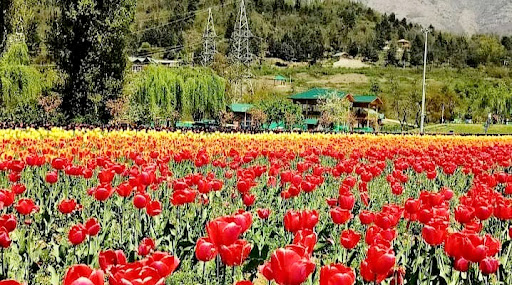
Nishat Garden is adorned with an array of trees, including the majestic Chinar trees, which are iconic in Kashmir. These trees offer shade and add a dramatic touch to the garden’s landscape, especially in autumn when their leaves turn brilliant shades of red and gold. Flowerbeds burst with vibrant colors from tulips, roses, daisies, and sunflowers, ensuring the garden is a feast for the senses throughout the year.

Architecturally, the garden also contains several Mughal-era structures, including the Baradari—a double-story pavilion enclosed on two sides with latticed windows. This was historically used as a summer retreat or a space for relaxation and entertainment, reflecting the grandeur and comfort of Mughal design and lifestyle.

Nishat Garden is more than just a visual spectacle—it stands as a cultural and historical emblem that has witnessed many phases of Kashmir’s rich history. Its design principles reflect the Mughal ideals of paradise on earth, combining nature, aesthetics, and spirituality in a harmonious whole.

Today, Nishat Garden is a major tourist attraction in Srinagar and a beloved spot for locals. Visitors often enjoy leisurely walks along the terraces, boat rides on the adjacent Dal Lake, photography, and simply soaking in the tranquil environment. The garden is open throughout the year and is easily accessible from Srinagar’s city center, making it an essential part of any itinerary focused on Kashmir’s natural and...

   Read more
avatar
5.0
2y

Nishat Bagh, nestled on the eastern side of the picturesque Dal Lake in Srinagar, is a testament to the exquisite Mughal garden design that has captivated visitors for centuries. As I strolled through its lush terraced lawns and vibrant flowerbeds, the timeless beauty of this garden unfolded before my eyes.

The first impression is undeniably the grandeur of the garden's layout. The meticulous planning of the terraces, each one offering a distinct view, creates a sense of harmony with nature. The symmetry of the fountains and pathways, adorned with meticulously manicured hedges, reflects the Mughal penchant for precision and aesthetics. Nishat Bagh isn't merely a garden; it's a living canvas where the Mughal emperors' vision comes to life.

One of the highlights of Nishat Bagh is its strategic location, affording breathtaking panoramas of Dal Lake and the surrounding mountains. As I ascended the terraces, each level provided a more enchanting view than the last. The shimmering waters of Dal Lake juxtaposed against the vibrant colors of the garden create a mesmerizing tableau, making it an ideal spot for photography enthusiasts.

The water channels that traverse the garden not only add to its visual appeal but also serve a functional purpose. The gentle murmur of water flowing through the meticulously designed channels creates a soothing ambiance. It's a sensory experience that complements the visual feast, offering a moment of tranquility amid the vibrant bloom.

Floral diversity is another hallmark of Nishat Bagh. The garden boasts a rich collection of flowers, from blooming roses to fragrant lilies. The seasonal variation ensures that each visit provides a unique palette of colors and scents. Spring brings a riot of blossoms, while autumn dresses the garden in warm hues, creating an ever-changing tapestry of nature's beauty.

The architecture within Nishat Bagh is a fine example of Mughal craftsmanship. The pavilions and terraces, adorned with intricate frescoes and ornate details, transport visitors to an era of opulence and refinement. These structures serve not only as visual attractions but also as shady retreats, inviting visitors to pause and absorb the historical and cultural richness of the garden.

Despite its historical significance and architectural splendor, Nishat Bagh also caters to the modern visitor. Well-maintained pathways make it accessible for people of all ages, and the presence of informative signboards enhances the educational aspect of the visit. The garden's well-manicured lawns provide an inviting space for families to picnic, adding a contemporary touch to its timeless charm.

In conclusion, Nishat Bagh is more than a garden; it's a journey through time and nature's beauty. Its harmonious design, panoramic views, floral abundance, and architectural marvels combine to create an enchanting experience. Whether you're a history enthusiast, a nature lover, or simply seeking a serene escape, Nishat Bagh offers a delightful rendezvous with the splendor of the Mughal era amidst the breathtaking...

   Read more
avatar
4.0
6w

Nishat Garden, also known as Nishat Bagh or the Garden of Bliss, stands proudly along the eastern banks of the Dal Lake in Srinagar, with the formidable Zabarwan Mountains forming its majestic backdrop.

This Mughal masterpiece was laid out in 1633 by Asif Khan, the brother of Empress Nur Jahan, and remains one of the finest examples of Mughal garden design harmoniously blended with the natural contours of Kashmir’s landscape.

The garden unfolds in a series of twelve ascending terraces, each symbolizing a zodiac sign, cascading down towards the lake. As one strolls through its pathways, the rhythmic murmur of the central water channel, lined with elegant fountains and bordered by lush lawns, fills the air with serenity and timeless grace.

The garden’s alignment draws inspiration from Persian “charbagh” architecture, yet it has been beautifully modified to suit the sloping terrain of Srinagar. Water flows from a high source, descending gracefully from one terrace to another, infusing motion and music into the stillness of the surroundings.

Ancient Chinar trees tower above the walkways, their leaves casting golden and crimson hues during autumn, while spring brings forth a spectacle of tulips, roses, marigolds, and lilies, turning the garden into a vibrant tapestry of colors. Visitors often describe the experience as walking through a living painting, one where nature, history, and geometry unite in quiet conversation.

Facing the shimmering Dal Lake, Nishat Garden captures both the reflections of snow-capped peaks and the slow movement of shikaras gliding over tranquil waters.

The garden thus provides an ever-changing scenic frame: misty mornings when light filters through the chinar canopy, sunlit terraces gleaming with dewdrops, and dusky evenings when the horizon burns with gold as the lake mirrors the dying light.

Each terrace promises a different vantage, an evolution of sight and feeling, culminating in breathtaking views of Kashmir’s famed natural beauty.

Beyond its visual splendor, Nishat Garden carries layers of cultural and historical resonance. It was conceived not merely as a royal retreat but as an artistic expression of paradise on earth, a reflection of the Mughal vision of cosmic order and human harmony.

The layout, symmetry, and symbolism embody the spiritual ideals of abundance and eternity. For travelers, the garden provides a gentle immersion into Kashmir’s heritage: a place where one can feel both the whisper of Mughal grandeur and the poetry of nature.

Today, Nishat Garden remains a cherished spot for locals and visitors alike, offering restful corners for contemplation, romantic settings for couples, and enchanting spaces for photographers.

Its atmosphere shifts with the seasons, lush green in summer, softly golden in autumn, and pristine under winter’s mild frost. Whether admired from its shaded alcoves or from a shikara floating nearby, the garden radiates a quiet bliss that truly befits its timeless name — The...

   Read more

Page 1 of 7
Previous
Next

Posts

Eon WaniEon Wani
Nishat Bagh, nestled on the eastern side of the picturesque Dal Lake in Srinagar, is a testament to the exquisite Mughal garden design that has captivated visitors for centuries. As I strolled through its lush terraced lawns and vibrant flowerbeds, the timeless beauty of this garden unfolded before my eyes. The first impression is undeniably the grandeur of the garden's layout. The meticulous planning of the terraces, each one offering a distinct view, creates a sense of harmony with nature. The symmetry of the fountains and pathways, adorned with meticulously manicured hedges, reflects the Mughal penchant for precision and aesthetics. Nishat Bagh isn't merely a garden; it's a living canvas where the Mughal emperors' vision comes to life. One of the highlights of Nishat Bagh is its strategic location, affording breathtaking panoramas of Dal Lake and the surrounding mountains. As I ascended the terraces, each level provided a more enchanting view than the last. The shimmering waters of Dal Lake juxtaposed against the vibrant colors of the garden create a mesmerizing tableau, making it an ideal spot for photography enthusiasts. The water channels that traverse the garden not only add to its visual appeal but also serve a functional purpose. The gentle murmur of water flowing through the meticulously designed channels creates a soothing ambiance. It's a sensory experience that complements the visual feast, offering a moment of tranquility amid the vibrant bloom. Floral diversity is another hallmark of Nishat Bagh. The garden boasts a rich collection of flowers, from blooming roses to fragrant lilies. The seasonal variation ensures that each visit provides a unique palette of colors and scents. Spring brings a riot of blossoms, while autumn dresses the garden in warm hues, creating an ever-changing tapestry of nature's beauty. The architecture within Nishat Bagh is a fine example of Mughal craftsmanship. The pavilions and terraces, adorned with intricate frescoes and ornate details, transport visitors to an era of opulence and refinement. These structures serve not only as visual attractions but also as shady retreats, inviting visitors to pause and absorb the historical and cultural richness of the garden. Despite its historical significance and architectural splendor, Nishat Bagh also caters to the modern visitor. Well-maintained pathways make it accessible for people of all ages, and the presence of informative signboards enhances the educational aspect of the visit. The garden's well-manicured lawns provide an inviting space for families to picnic, adding a contemporary touch to its timeless charm. In conclusion, Nishat Bagh is more than a garden; it's a journey through time and nature's beauty. Its harmonious design, panoramic views, floral abundance, and architectural marvels combine to create an enchanting experience. Whether you're a history enthusiast, a nature lover, or simply seeking a serene escape, Nishat Bagh offers a delightful rendezvous with the splendor of the Mughal era amidst the breathtaking landscapes of Kashmir.
A J BashhaA J Bashha
Nishat Garden, also known as Nishat Bagh or the Garden of Bliss, stands proudly along the eastern banks of the Dal Lake in Srinagar, with the formidable Zabarwan Mountains forming its majestic backdrop. This Mughal masterpiece was laid out in 1633 by Asif Khan, the brother of Empress Nur Jahan, and remains one of the finest examples of Mughal garden design harmoniously blended with the natural contours of Kashmir’s landscape. The garden unfolds in a series of twelve ascending terraces, each symbolizing a zodiac sign, cascading down towards the lake. As one strolls through its pathways, the rhythmic murmur of the central water channel, lined with elegant fountains and bordered by lush lawns, fills the air with serenity and timeless grace. The garden’s alignment draws inspiration from Persian “charbagh” architecture, yet it has been beautifully modified to suit the sloping terrain of Srinagar. Water flows from a high source, descending gracefully from one terrace to another, infusing motion and music into the stillness of the surroundings. Ancient Chinar trees tower above the walkways, their leaves casting golden and crimson hues during autumn, while spring brings forth a spectacle of tulips, roses, marigolds, and lilies, turning the garden into a vibrant tapestry of colors. Visitors often describe the experience as walking through a living painting, one where nature, history, and geometry unite in quiet conversation. Facing the shimmering Dal Lake, Nishat Garden captures both the reflections of snow-capped peaks and the slow movement of shikaras gliding over tranquil waters. The garden thus provides an ever-changing scenic frame: misty mornings when light filters through the chinar canopy, sunlit terraces gleaming with dewdrops, and dusky evenings when the horizon burns with gold as the lake mirrors the dying light. Each terrace promises a different vantage, an evolution of sight and feeling, culminating in breathtaking views of Kashmir’s famed natural beauty. Beyond its visual splendor, Nishat Garden carries layers of cultural and historical resonance. It was conceived not merely as a royal retreat but as an artistic expression of paradise on earth, a reflection of the Mughal vision of cosmic order and human harmony. The layout, symmetry, and symbolism embody the spiritual ideals of abundance and eternity. For travelers, the garden provides a gentle immersion into Kashmir’s heritage: a place where one can feel both the whisper of Mughal grandeur and the poetry of nature. Today, Nishat Garden remains a cherished spot for locals and visitors alike, offering restful corners for contemplation, romantic settings for couples, and enchanting spaces for photographers. Its atmosphere shifts with the seasons, lush green in summer, softly golden in autumn, and pristine under winter’s mild frost. Whether admired from its shaded alcoves or from a shikara floating nearby, the garden radiates a quiet bliss that truly befits its timeless name — The Garden of Joy.
Tanvir Omar ShakilTanvir Omar Shakil
Nishat Bagh, meaning "Garden of Joy," is a splendid Mughal garden situated on the eastern banks of Dal Lake in Srinagar, Jammu and Kashmir. Built in 1633 by Asif Khan, the elder brother of Empress Nur Jahan, this terraced garden is the second-largest Mughal garden in the Kashmir Valley, following Shalimar Bagh. Set against the backdrop of the majestic Zabarwan Mountains, Nishat Bagh offers panoramic views of Dal Lake and the distant snow-capped Pir Panjal range. 🌿 Garden Layout & Architecture Nishat Bagh is renowned for its twelve terraced levels, each symbolizing a zodiac sign. These terraces descend from the hilltop towards the lake, interconnected by a central water channel approximately 4 meters wide and 20 centimeters deep. Water flows gracefully from the top terrace, sourced from the Gopi Thirst spring, cascading through stone ramps and feeding numerous fountains and pools along the way. The garden's design reflects Persian influences, adapted to the local topography. Unlike the traditional Persian chahar bagh (fourfold) layout, Nishat Bagh features a linear, rectangular plan measuring about 548 meters in length and 338 meters in width. The garden is divided into two main sections: the public garden and the private Zenana (harem) garden. Lush avenues of chinar and cypress trees line the terraces, complemented by vibrant flowerbeds that bloom with tulips, daffodils, and irises in spring. Stone benches are strategically placed near water channels, offering visitors spots to relax and enjoy the serene ambiance. 🏛️ Historical Anecdote An intriguing tale surrounds Nishat Bagh's history. Emperor Shah Jahan, upon witnessing the garden's beauty, expressed his admiration to Asif Khan multiple times, hoping it would be gifted to him. When Asif Khan did not offer the garden, the emperor, feeling slighted, ordered the water supply to be cut off, leading to the garden's temporary abandonment. Eventually, the water was restored, and Shah Jahan permitted the garden's continued use. 🕒 Visitor Information Timings: Open daily from 9:00 AM to 7:00 PM. Entry Fee: INR 10 per person. Best Time to Visit: Spring (March to May) and Autumn (September to November) when the garden is in full bloom and the weather is pleasant. Accessibility: Approximately 11 km from Srinagar city center. Visitors can reach the garden by road or enjoy a scenic shikara ride across Dal Lake. Nishat Bagh stands as a testament to Mughal horticultural excellence, blending natural beauty with architectural finesse. Its cascading terraces, vibrant flora, and historical significance make it a must-visit destination for anyone exploring the Kashmir Valley.
See more posts
See more posts
hotel
Find your stay

Pet-friendly Hotels in Jammu and Kashmir

Find a cozy hotel nearby and make it a full experience.

Nishat Bagh, nestled on the eastern side of the picturesque Dal Lake in Srinagar, is a testament to the exquisite Mughal garden design that has captivated visitors for centuries. As I strolled through its lush terraced lawns and vibrant flowerbeds, the timeless beauty of this garden unfolded before my eyes. The first impression is undeniably the grandeur of the garden's layout. The meticulous planning of the terraces, each one offering a distinct view, creates a sense of harmony with nature. The symmetry of the fountains and pathways, adorned with meticulously manicured hedges, reflects the Mughal penchant for precision and aesthetics. Nishat Bagh isn't merely a garden; it's a living canvas where the Mughal emperors' vision comes to life. One of the highlights of Nishat Bagh is its strategic location, affording breathtaking panoramas of Dal Lake and the surrounding mountains. As I ascended the terraces, each level provided a more enchanting view than the last. The shimmering waters of Dal Lake juxtaposed against the vibrant colors of the garden create a mesmerizing tableau, making it an ideal spot for photography enthusiasts. The water channels that traverse the garden not only add to its visual appeal but also serve a functional purpose. The gentle murmur of water flowing through the meticulously designed channels creates a soothing ambiance. It's a sensory experience that complements the visual feast, offering a moment of tranquility amid the vibrant bloom. Floral diversity is another hallmark of Nishat Bagh. The garden boasts a rich collection of flowers, from blooming roses to fragrant lilies. The seasonal variation ensures that each visit provides a unique palette of colors and scents. Spring brings a riot of blossoms, while autumn dresses the garden in warm hues, creating an ever-changing tapestry of nature's beauty. The architecture within Nishat Bagh is a fine example of Mughal craftsmanship. The pavilions and terraces, adorned with intricate frescoes and ornate details, transport visitors to an era of opulence and refinement. These structures serve not only as visual attractions but also as shady retreats, inviting visitors to pause and absorb the historical and cultural richness of the garden. Despite its historical significance and architectural splendor, Nishat Bagh also caters to the modern visitor. Well-maintained pathways make it accessible for people of all ages, and the presence of informative signboards enhances the educational aspect of the visit. The garden's well-manicured lawns provide an inviting space for families to picnic, adding a contemporary touch to its timeless charm. In conclusion, Nishat Bagh is more than a garden; it's a journey through time and nature's beauty. Its harmonious design, panoramic views, floral abundance, and architectural marvels combine to create an enchanting experience. Whether you're a history enthusiast, a nature lover, or simply seeking a serene escape, Nishat Bagh offers a delightful rendezvous with the splendor of the Mughal era amidst the breathtaking landscapes of Kashmir.
Eon Wani

Eon Wani

hotel
Find your stay

Affordable Hotels in Jammu and Kashmir

Find a cozy hotel nearby and make it a full experience.

Get the Appoverlay
Get the AppOne tap to find yournext favorite spots!
Nishat Garden, also known as Nishat Bagh or the Garden of Bliss, stands proudly along the eastern banks of the Dal Lake in Srinagar, with the formidable Zabarwan Mountains forming its majestic backdrop. This Mughal masterpiece was laid out in 1633 by Asif Khan, the brother of Empress Nur Jahan, and remains one of the finest examples of Mughal garden design harmoniously blended with the natural contours of Kashmir’s landscape. The garden unfolds in a series of twelve ascending terraces, each symbolizing a zodiac sign, cascading down towards the lake. As one strolls through its pathways, the rhythmic murmur of the central water channel, lined with elegant fountains and bordered by lush lawns, fills the air with serenity and timeless grace. The garden’s alignment draws inspiration from Persian “charbagh” architecture, yet it has been beautifully modified to suit the sloping terrain of Srinagar. Water flows from a high source, descending gracefully from one terrace to another, infusing motion and music into the stillness of the surroundings. Ancient Chinar trees tower above the walkways, their leaves casting golden and crimson hues during autumn, while spring brings forth a spectacle of tulips, roses, marigolds, and lilies, turning the garden into a vibrant tapestry of colors. Visitors often describe the experience as walking through a living painting, one where nature, history, and geometry unite in quiet conversation. Facing the shimmering Dal Lake, Nishat Garden captures both the reflections of snow-capped peaks and the slow movement of shikaras gliding over tranquil waters. The garden thus provides an ever-changing scenic frame: misty mornings when light filters through the chinar canopy, sunlit terraces gleaming with dewdrops, and dusky evenings when the horizon burns with gold as the lake mirrors the dying light. Each terrace promises a different vantage, an evolution of sight and feeling, culminating in breathtaking views of Kashmir’s famed natural beauty. Beyond its visual splendor, Nishat Garden carries layers of cultural and historical resonance. It was conceived not merely as a royal retreat but as an artistic expression of paradise on earth, a reflection of the Mughal vision of cosmic order and human harmony. The layout, symmetry, and symbolism embody the spiritual ideals of abundance and eternity. For travelers, the garden provides a gentle immersion into Kashmir’s heritage: a place where one can feel both the whisper of Mughal grandeur and the poetry of nature. Today, Nishat Garden remains a cherished spot for locals and visitors alike, offering restful corners for contemplation, romantic settings for couples, and enchanting spaces for photographers. Its atmosphere shifts with the seasons, lush green in summer, softly golden in autumn, and pristine under winter’s mild frost. Whether admired from its shaded alcoves or from a shikara floating nearby, the garden radiates a quiet bliss that truly befits its timeless name — The Garden of Joy.
A J Bashha

A J Bashha

hotel
Find your stay

The Coolest Hotels You Haven't Heard Of (Yet)

Find a cozy hotel nearby and make it a full experience.

hotel
Find your stay

Trending Stays Worth the Hype in Jammu and Kashmir

Find a cozy hotel nearby and make it a full experience.

Nishat Bagh, meaning "Garden of Joy," is a splendid Mughal garden situated on the eastern banks of Dal Lake in Srinagar, Jammu and Kashmir. Built in 1633 by Asif Khan, the elder brother of Empress Nur Jahan, this terraced garden is the second-largest Mughal garden in the Kashmir Valley, following Shalimar Bagh. Set against the backdrop of the majestic Zabarwan Mountains, Nishat Bagh offers panoramic views of Dal Lake and the distant snow-capped Pir Panjal range. 🌿 Garden Layout & Architecture Nishat Bagh is renowned for its twelve terraced levels, each symbolizing a zodiac sign. These terraces descend from the hilltop towards the lake, interconnected by a central water channel approximately 4 meters wide and 20 centimeters deep. Water flows gracefully from the top terrace, sourced from the Gopi Thirst spring, cascading through stone ramps and feeding numerous fountains and pools along the way. The garden's design reflects Persian influences, adapted to the local topography. Unlike the traditional Persian chahar bagh (fourfold) layout, Nishat Bagh features a linear, rectangular plan measuring about 548 meters in length and 338 meters in width. The garden is divided into two main sections: the public garden and the private Zenana (harem) garden. Lush avenues of chinar and cypress trees line the terraces, complemented by vibrant flowerbeds that bloom with tulips, daffodils, and irises in spring. Stone benches are strategically placed near water channels, offering visitors spots to relax and enjoy the serene ambiance. 🏛️ Historical Anecdote An intriguing tale surrounds Nishat Bagh's history. Emperor Shah Jahan, upon witnessing the garden's beauty, expressed his admiration to Asif Khan multiple times, hoping it would be gifted to him. When Asif Khan did not offer the garden, the emperor, feeling slighted, ordered the water supply to be cut off, leading to the garden's temporary abandonment. Eventually, the water was restored, and Shah Jahan permitted the garden's continued use. 🕒 Visitor Information Timings: Open daily from 9:00 AM to 7:00 PM. Entry Fee: INR 10 per person. Best Time to Visit: Spring (March to May) and Autumn (September to November) when the garden is in full bloom and the weather is pleasant. Accessibility: Approximately 11 km from Srinagar city center. Visitors can reach the garden by road or enjoy a scenic shikara ride across Dal Lake. Nishat Bagh stands as a testament to Mughal horticultural excellence, blending natural beauty with architectural finesse. Its cascading terraces, vibrant flora, and historical significance make it a must-visit destination for anyone exploring the Kashmir Valley.
Tanvir Omar Shakil

Tanvir Omar Shakil

See more posts
See more posts