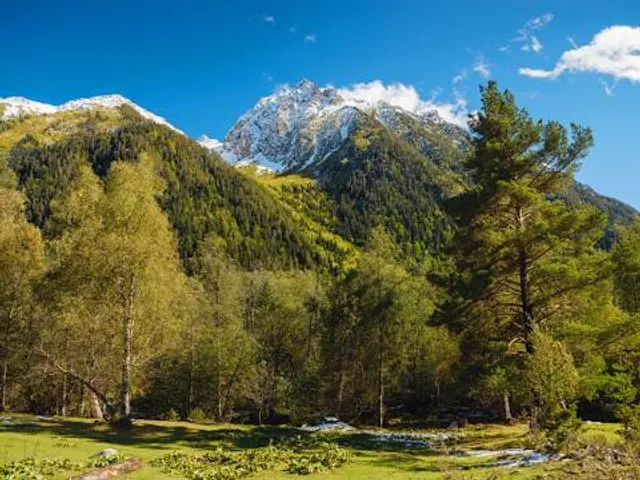
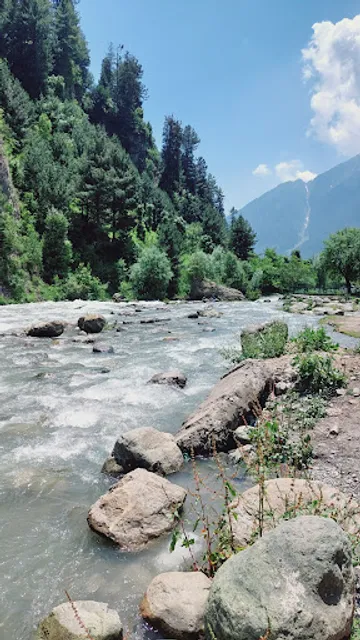
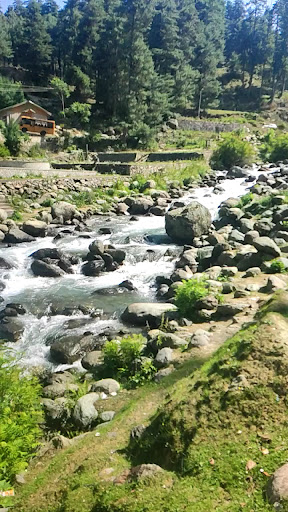
The Overa-Aru Wildlife Sanctuary is a protected area located in the Anantnag district of Jammu and Kashmir, India. It is situated in the vicinity of Pahalgam, a popular tourist destination, and covers an area of approximately 500 square kilometers.
Flora and Fauna:
The sanctuary is home to a diverse range of flora, including coniferous forests, alpine meadows, and sub-alpine scrub. The fauna includes several endangered species, such as: Mammals: Hangul (Kashmir stag), Brown bear, Black bear, Leopard, Snow leopard Birds: Monal, Snowcock, Golden eagle, Lammergeier Reptiles: Himalayan pit viper, Kashmir pit viper
Conservation Efforts:
The sanctuary is managed by the Jammu and Kashmir Wildlife Department. Conservation efforts focus on habitat protection, anti-poaching, and research. The sanctuary is also home to the Overa-Aru Conservation Reserve, which provides additional protection to the area.
Tourism:
The sanctuary offers trekking and hiking opportunities, with scenic trails leading to the Kolahoi Glacier and other nearby peaks. Visitors can spot wildlife, including Hangul, Brown bear, and Monal. The sanctuary is open to visitors from April to November, with the best time to visit being May to September.
Challenges:
Habitat fragmentation and degradation due to human activities like agriculture, urbanization, and infrastructure development. Poaching and human-wildlife conflict. Climate change affecting the distribution and abundance of flora and fauna.
Overall, the Overa-Aru Wildlife Sanctuary is an important protected area in Jammu and Kashmir, providing a habitat for endangered species and supporting biodiversity...
Read moreThe Aru Wildlife Sanctuary is a protected area located in the Anantnag district of Jammu and Kashmir, India. Here are some interesting facts about the sanctuary:
Location: The sanctuary is situated in the Aru Valley, approximately 12 kilometers from Pahalgam.
Altitude: The sanctuary spans an altitude range of 2,300 to 4,300 meters above sea level.
Habitat: The sanctuary encompasses a diverse range of habitats, including alpine meadows, grasslands, and coniferous forests.
Flora and Fauna: The sanctuary is home to a variety of flora and fauna, including the endangered Hangul (Kashmir Stag), Himalayan Brown Bear, and over 100 species of birds.
Conservation Efforts: The sanctuary is managed by the Jammu and Kashmir Wildlife Department, with a focus on conserving the Hangul and its habitat.
Trekking and Tourism: The Aru Wildlife Sanctuary offers scenic trekking routes and opportunities for wildlife spotting, making it a popular destination for nature enthusiasts and adventure seekers.
Best Time to Visit: The best time to visit the sanctuary is between June and September, when the weather is pleasant and the park is accessible.
Remember to check current guidelines and regulations before planning your visit. Enjoy your exploration of the Aru...
Read moreThe Overa-Aru Wildlife Sanctuary is a protected area in Aru Valley near Pahalgam in Jammu and Kashmir, India. It is on the periphery of the two villages of Overa and Aru. The sanctuary spreads over 511 square kilometres (197 sq mi), lies 76 kilometres (47 mi) east of Srinagar. It was declared a game reserve in 1945 under the Dogra Rule and later upgraded to a sanctuary in 1981. The Overa-Aru Wildlife Sanctuary lies in the Lidder Forest Division in Anantnag District of the Kashmir province. It is bordered to the north by Sind Valley and to the west by Dachigam National Park. The sanctuary constitutes 38 Forest compartments. The Overa-Aru Wildlife Sanctuary is a catchment area of the Lidder River, a tributary of Jhelum and forms an important source of irrigation and drinking water. Geographical features of the sanctuary include lakes, glaciers and mountain peaks. The most notable are the Tarsar Lake and the Kolahoi with a peak elevation of 5,425 metres (17,799 ft) above sea level. It is also the highest point of the sanctuary. The Overa-Aru Wildlife Sanctuary has a temperate climate, it is out of the reach of the monsoon. The precipitation in the form of snowfall is...
Read more