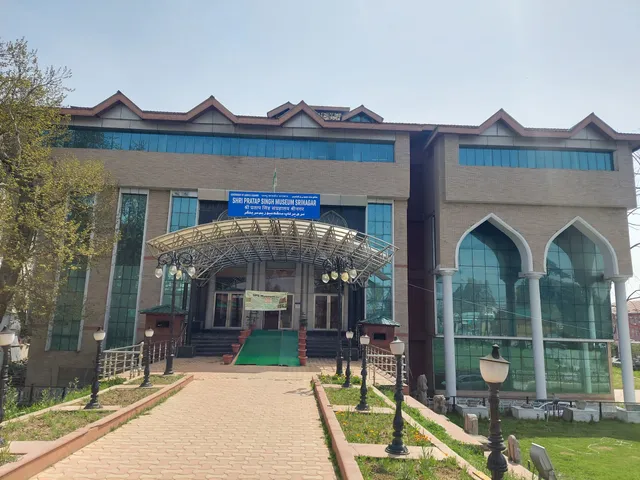
SPS Museum (Shri Pratap Singh Museum) – Srinagar, Kashmir
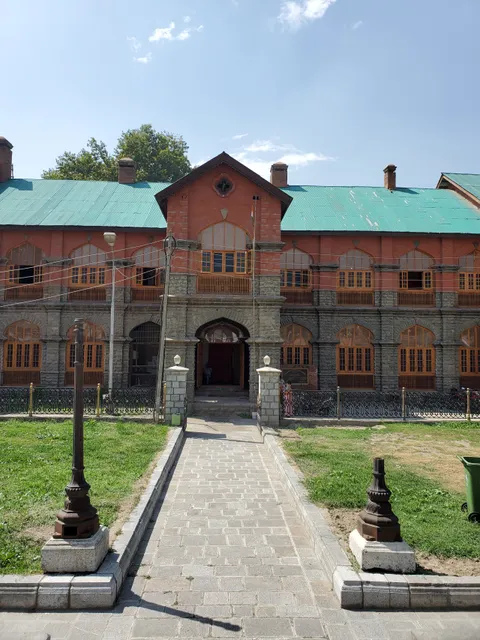
The SPS Museum, established in 1898, is a prominent heritage museum situated in Lal Mandi, Srinagar, along the banks of the Jhelum River. Named after Maharaja Pratap Singh, the then ruler of Jammu and Kashmir, the museum houses an extensive collection of over 80,000 artifacts from the regions of Jammu, Kashmir, Baltistan, and Gilgit.
🏛️ Museum Highlights
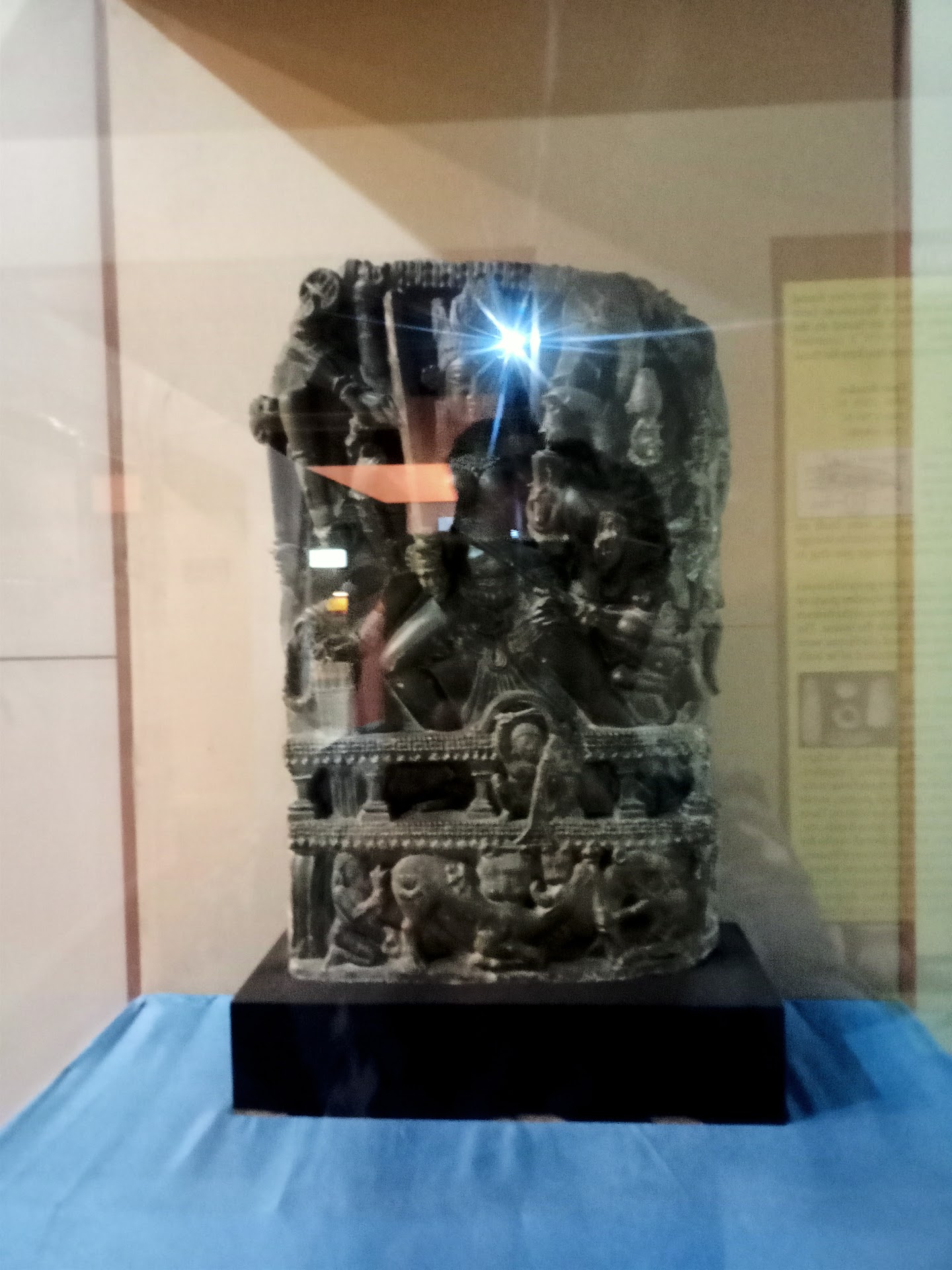
Archaeological Section: Displays significant sculptures from ancient sites such as Pandrenthan, Awantipura, and Parihaspora, offering insights into the region's rich history.
Numismatics & Manuscripts: Showcases a vast array of coins and ancient manuscripts, reflecting the economic and literary developments of the region.
Decorative Arts: Features exquisite items crafted from materials like willow wood, paper-mâché, ceramics, glass, enamel, and brass, highlighting the region's artisanal heritage.
Textile Section: Exhibits renowned Kashmiri textiles, including pashmina and shahtoosh shawls, renowned for their fine quality.
Natural History: Presents a collection of stuffed birds, mammoth bones, and other natural specimens, offering a glimpse into the region's biodiversity.
Miniature Paintings & Musical Instruments: Displays intricate miniature artworks and traditional musical instruments, reflecting the cultural richness of Kashmir.
🕰️ Visitor Information
Location: Lal Mandi, Srinagar, Jammu and Kashmir – 190008, India
Timings: Open daily from 10:00 AM to 5:00 PM, closed on Mondays.
Entry Fees:
Indian Citizens: ₹10
Foreign Nationals: ₹50
Students (Private Schools): ₹5
Students (Government Schools): ₹2
Guided Tours: Available at 10:30 AM, 11:30 AM, 2:15 PM, and 3:15 PM.
📍 How to Reach
The museum is approximately 3 km from the Srinagar Bus Station. Visitors can reach the museum via auto-rickshaws, cabs, or local buses.
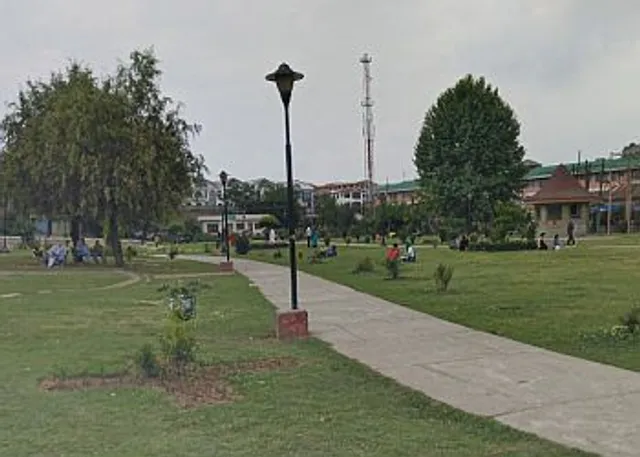
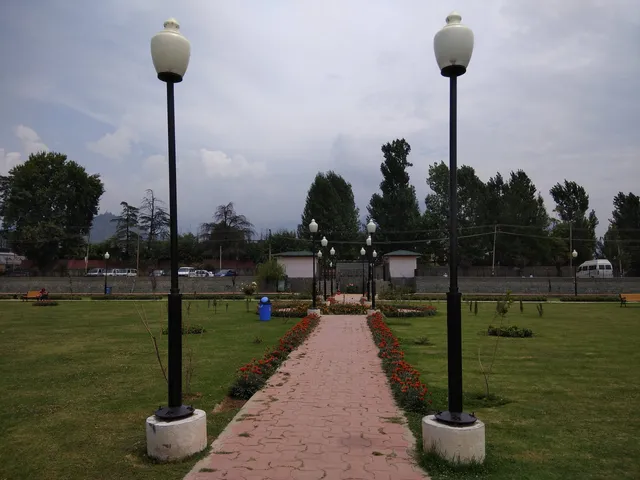
📸 Visual Glimpses
A visit to the SPS Museum offers a profound insight into the cultural, artistic, and historical tapestry of Kashmir. Whether you're a history enthusiast, art lover, or cultural explorer, the museum provides a comprehensive experience of the...
Read moreIn 1889, a proposal for the foundation of an archaeology museum in the Indian city of Srinagar was formulated by Amar Singh and S.H. Godmerry.2] Singh was an officer in the Colonial Indian Army, while Godmerry was a scholar.[3] The pair produced and submitted a memorandum to Pratap Singh of Jammu and Kashmir, the ruler of Sringar and Amar's older brother.[3] The Majarah accepted the proposal and agreed to allow for the establishment of a museum; this new institution would house artifacts from Jammu, Kashmir, Baltistan and Gilgit.[3] The museum was to be located inside a state-owned building near the Jhelum river.[2]
The establishment of the museum was overseen by John Marshal, a British archaeologist (and future director of the Archaeological Survey of India) who was renowned for his work in preserving the archaeological history of India.[3] Srinagar's Accountant General, one Mr. Blerjee, was appointed as the first president of the museum; Blerjee was also tasked with recording a large collection of coins the museum added to its collection.[3] The museum opened to the public in 1898, with its first collection consisting of items from Majarah Pratap's palace treasury.[3]
Following the re-organizational efforts of Indian archaeologist Daya Ram Sahni in 1913, the museum received objects recovered from archaeological excavations in Panderenthan, Parihaspora and Avantipura.[3] The collection of the museum continued to grow through the donation of items by private collectors; many of these items were domestic or household in nature.[3
In 2017, the museum finished constructing a second building.[4] The new building was built to be fire and earthquake resistant, and is used to house some of the SPS's more popular exhibits. The older 19th-century building remains in...
Read moreI recently visited the SPS Museum and it was a thoroughly disappointing experience. To begin with, the museum does not accept digital payments for tickets, which is highly inconvenient in this day and age. Upon entering, I was shocked to find that they charge extra for photography. However, after paying the entry fee, I quickly realized there was nothing worth photographing and had i paid, this would have been utter waste of money as most of the exhibits have mysteriously vanished, and the few remaining items are displayed in a shabby, dilapidated building. I have visited SPS in past and have found interesting displays, which apparently doesn’t exist anymore.
The museum claims to offer a modern experience with QR codes for additional information, but none of them work. To make matters worse, the entire place smells like a rotten room, making it an unpleasant environment to spend any time in.
The staff were unhelpful and unprofessional. Instead of assisting visitors, they were busy discussing their personal matters, talking to their families, or engrossed in Instagram reels and having their meals in restricted areas. This lack of attention to visitors' needs was extremely concerning as they are the forefront of the museum .
Over time, the museum has significantly shrunk. Many monuments that were once displayed in the garden are now crammed inside, further reducing the quality of the exhibition. There was also an expectation to learn about Islam in a dedicated section, but to my dismay, this area was filled with idols. While I respect all religions, the absence of the expected Islamic exhibits was disappointing.
Overall, the SPS Museum is in terrible condition and offers a lackluster experience. I would not recommend wasting time or...
Read more