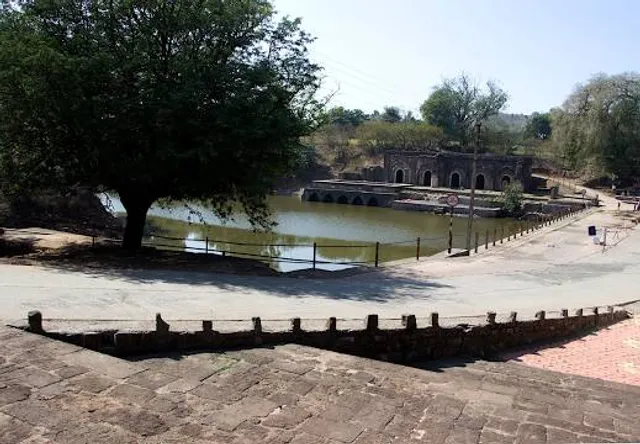
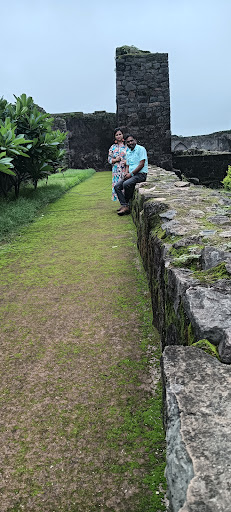
A city located approx 35 km from Dhar and 100 km away from Indore and is a major tourist attraction of the state of Madhya Pradesh. It is located in the Malwa region. it’s official language is Hindi. Mandav or Mandu, back in its days was an important military outpost due to its strategic position and natural defenses- The Vindhya Range of mountains and the river Narmada which blocked the enemy’s way, thus leaving North as the only direction to enter from and the three gates to enter the fortified city of Mandu- Alamgir Gate, Bhangi Gate and the Delhi Gate. After the Bhangi Gate the road branches out to the Delhi Gate and Gadi Gate. The extensive and now mainly deserted hill top fort of Mandu is one of the most interesting sights in central India. It’s on an isolated outcrop separated from the table land to the north by a deep and wide valley called Kakra Khoh which encircles it on the east, west and north, over which a natural causeway runs to the main city gate. To the south of Mandu the land drops steeply away to the main plain far below and the view is superb. Deep ravines cut into the sides of the 20 sq. km plateau occupied by the fort. The ruins are spread over an area of 21 sq. km. The Muslim rulers dubbed it Shadiabad or the City of Joy.
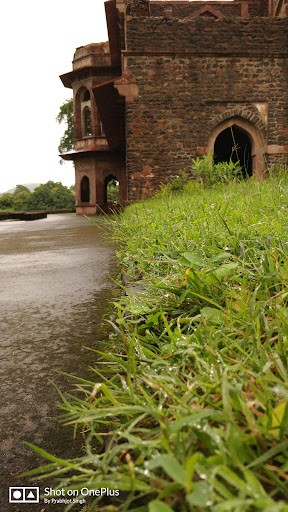
Mandavgarh or Mandav or Mandu is famous for its amazing Fort. The fort is 82 km in perimeter and is considered to be the biggest in India. It contain the ruins of palaces, ornamental canals, bath pavilions etc. The fort was once Monsoon retreat of Mughal emperors. Mandu has over 40 monuments which are divided into three category: The central village group, Royal Enclave group, and Rewa kund Group. The city is also famous for the legendary tale of Rani Roopmati and Baaz Bahadur which still hunts the palace. Champa Baodi– a well, the huge 15th century Jami Masjid, the beautiful Jahaz Mahal (ship palace), Hindola Mahal, the romantic Baaz Bahadur palace, Roopmati’s pavilion and Hoshang Shah’s Tomb are some of the unique gems of architecture and must see tourist spots of Mandu. It is believed that emperor Shah Jahan took the inspiration of building Taj Mahal from the Tomb of Hoshang Shah only. Mandu is ideal place to be visited in Monsoon, when the weather is pleasant and surrounding blooming. The mystical beauty of monuments, amidst the sprawling lush green landscape and purple sunset sky, paint the live picture of the bygone era. The effect is completed by the rich surrounding of Mango, tamarind and banyan tree. The palace is also famous for its “Khusrani Imli”, tamarind tree which bare fruit in the...
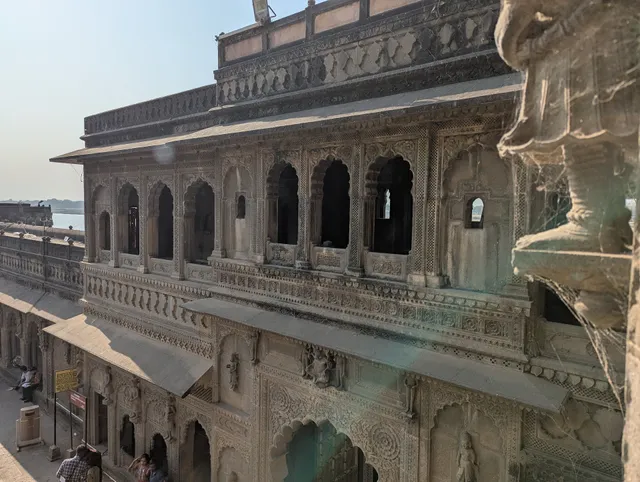
Read moreIf you really wants to discover the real and eternal boundless love of a King and Queen then Come to Mandavgarh. Stand with close eye you can listen the music of Baz Bahadur and unbelievable beauty of Rani Roopmati. Now it requires preservation and well depth repairing from ASI and MP tourism. My sincere request if not now within next 10 to 15 years people will see its picture only basically its entrance needs immediate repairing. Baz Bahadur Palace is situated on the hill slope to the east of Rewa Kund and is set amid picturesque greenery. As per the Persian inscription on the entrance arch, it was built in 1508 by Nasir-ud-Din, the Sultan of Malwa. Incidentally, Nasir-ud-Din Shah Khilji is credited with designing this aesthetic structure which underwent repairs and renovations during the period of Baz Bahadur. The King became fond of this palace because of his eternal romance with the accomplished singer Roopmati who used to visit the nearby Rewa Kund. Mandav is known, not only for its engineering skills in water management and archaeological talent but also for the immense love that Baz Bahadur had for his beloved Rani Rupmati. Malik Bayezid, after the death of his father Shujaat Khan, became the Sultan of Malwa and was known as Baz Bahadur. He was skilled in swordsmanship and was a proficient musician. He had mastery over the Raga Deepak. It is said that when he sang Raag Deepak the earthen lamps used to light up without any human effort. After losing a battle with Rani Durgavati of Gondwana he settled in Mandav and immersed himself in music completely. All of Mandav swayed with the music of Baz Bahadur and Rani Rupmati. Baz Bahadur Palace stands witness to the soul-stirring music of Baz Bahadur and his queen Rani Rupmati and the enchanting episodes of their love.At couple of hours drive from Indore, this place bolsters wealth of Raja Bhoj, followed by Khilji dynasty and then Baz Bahadur. While planning for Mandu in July to September please do not forget to carry Umbrella and rain coats and take full enjoyment between shower of rain and Buttas and Tea. It is recommended to have 3 full days to cover all the places at a leisurely pace Rani Roopmati Mahal, Baz bahadur mahal , Ashrfi Mahal and...
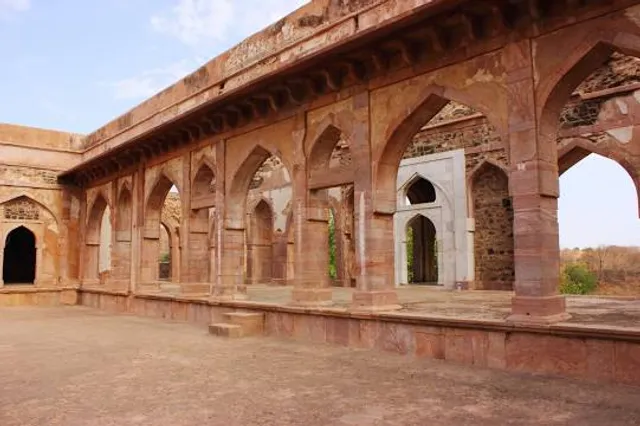
Read moreBaz Bahadur Palace is one of the prominent tourist attraction at Mandu tourist destination. Its name is derived from Mandu ruler Baz Bahadur who was fond of music and art and was in deep love of his wife Roopmati. During his rule time, Mandu was in it peak. Palace is located on hill slope with scenic surrounding. It is about 95 kms west of Indore city and easily accessible by road. Baz Bahadur palace is a interesting blend of Rajput and Mughal architecture and style. Its name Baz Bahadur has been derived from the name of ruler Baz Bahadur who was fond of music and art. During his rule, Mandu was at its peak. This palace was actually built far before Baz Bahadur came into power. Inscription at the palace entrance gate describes its construction to Sultan Nasiruddin Shah in AD 1508-09.
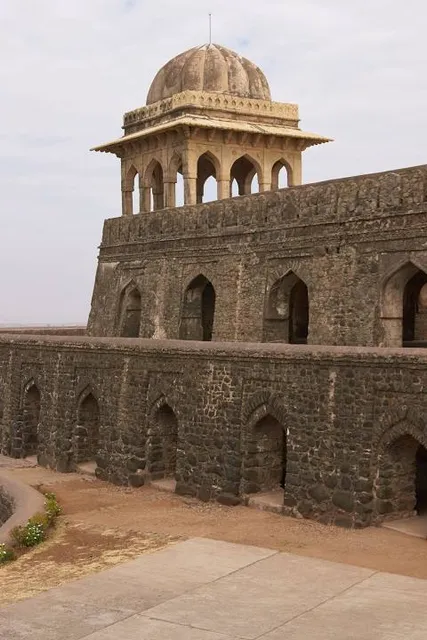
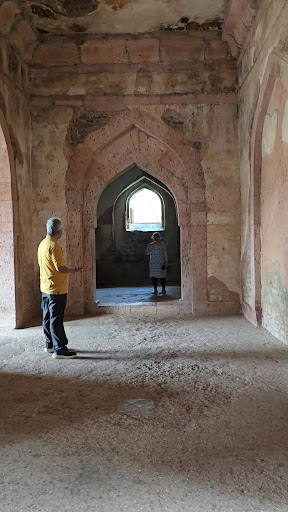
The main gateway to the palace is approached by 40 broad steps with landings in intervals. The passage through gateway have the rooms for guards which is having vaulted ceiling. This passage have arched designs on both the ends which gives it a artistic look and it leads to the outer court of the palace. This outer court can also be reached by main doorway. On main part of the palace we will find open court which is having beautiful fountain in middle. All four sides have halls and rooms. These halls are used for different purpose like meetings with public, meetings with administrative officers etc. If we look at the north of the Baz Bahadur palace, we will find an octagonal pavilion with arches which overlooks an garden area where marks of history can still be seen. Their are steps that lead to spacious terrace with boundaries which offers a breathtaking view of Roopmati Pavilion in foreground and beautiful...
Read more