Lakshmibai, theRani of Jhansi( pronunciation ; 19 November 1828 – 18 June 18582), was the queen of theprincely stateofJhansiin NorthIndiacurrently present in Jhansi district inUttar Pradesh, India.4]She was one of the leading figures of theIndian Rebellion of 1857and became a symbol of resistance to theBritish Rajfor Indian nationalists. Maa laxmi bai or Manikarnika (Manu Bai) was born on 19 November 1828[57]in the holy town ofVaranasiinto aMarathiBrahminfamily.[8She was named Manikarnika and was nicknamed Manu.10]Her father was Moropant Tambe[11]and her mother Bhagirathi Sapre (Bhagirathi Bai). Her parents came fromMaharashtraand was cousin ofNana Sahib.[12]Her mother died when she was four years old. Herfather worked for a courtPeshwaofBithoor districtwho brought up Manikarnika like his own daughter.[13]The Peshwa called her "Chhabili", which means "playful". She was educated at homeand was more independent in her childhood than others of her age; her studies included shooting, horsemanship, fencing[14andMallakhambawith her childhood friends Nana Sahib andTatya Tope.16]Manikarnika was married to theMaharajaof Jhansi,Raja Gangadhar Rao Newalkar, in May 1842[5and was afterwards called Lakshmibai (or Laxmibai) in honour of the Hindu goddessLakshmi.18]She gave birth to a boy, later named Damodar Rao, in 1851, who died afterfour months. The Maharaja adopted a child called Anand Rao, the son of Gangadhar Rao's cousin, who was renamedDamodar Rao, on the day before the Maharaja died. The adoption was in thepresence of the British political officer who was given a letter from the Maharaja instructing that the child be treated with respect and that the government of Jhansi should be given to his widow for her lifetime. After the death of the Maharaja in November 1853, because Damodar Rao (born Anand Rao) was adopted, theBritish East India Company, under Governor-GeneralLord Dalhousie, applied theDoctrine of Lapse, rejectingDamodar Rao's claim to the throne and annexing the state to its territories. When she was informedof this she cried out "I shall not surrender my Jhansi" (Mai meri Jhansi nahi doongi). In March 1854, Lakshmibai was given an annual pension of Rs. 60,000 and ordered to leave the palace and the fort.[19Rani Lakshmibai has been known to the British most commonly as "the Rani of Jhansi"; in Hindi she is often known as "Jhansi ki Rani".Rani Lakshmibai was accustomed to riding on horseback accompanied by a small escort between the palace and the temple although sometimes she was carried bypalanquin.[21]Her horses included Sarangi, Pavan and Badal; according to tradition she rode Badal when escaping from the fort in 1858. TheRani Mahal, the palace of Rani Lakshmibai, has now been converted into a museum. It houses a collection of archaeological remains of the period between the 9th and 12th centuries AD.According to a memoir purporting to be by Damodar Rao he was among his mother's troops and household at the battle of Gwalior; together with others who had survived the battle (some 60 retainers with 60 camels and 22 horses) he fled from the camp of Rao Sahib of Bithur and as the village people of Bundelkhand dared not aid them for fear of reprisals from the British they were forced to live in the forest and suffer many privations. After two years there were about 12 survivors and these together with another group of 24 they encountered sought the city ofJhalrapatanwhere there were yet more refugees from Jhansi. Damodar Rao surrendered himself toa British official and his memoir ends in May 1860when he has been allowed a pension of Rs. 10,000, seven retainers only, and is in the guardianship of Munshi...
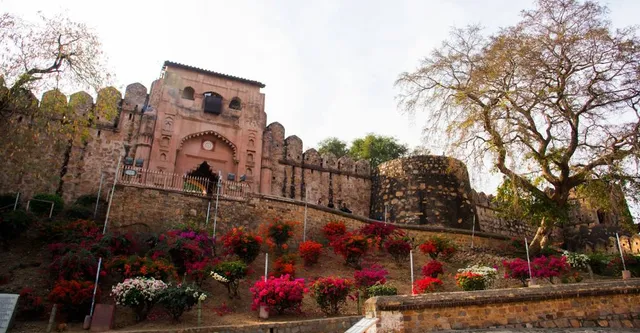
Read moreThe Rani Laxmi Bai Fort is an amazing historical site located in Jhansi, Uttar Pradesh, India. It was once the stronghold of the great queen of Jhansi. The fort was constructed in the early 19th century and was the main home of Rani Laxmi Bai and her forces during her rebellion against the British.
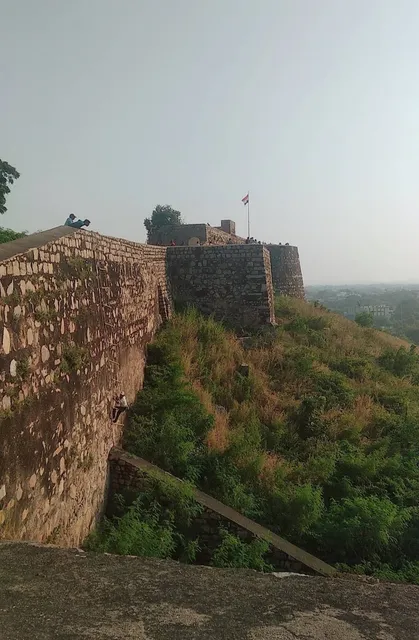
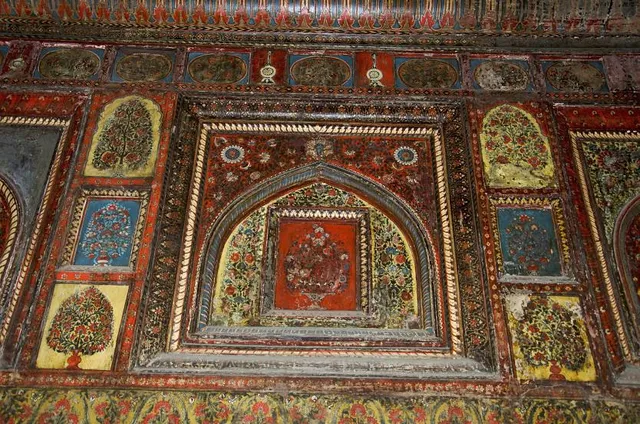
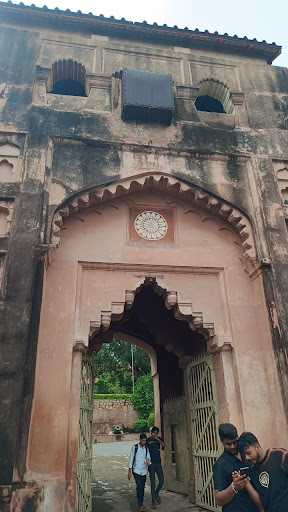
The Rani Laxmi Bai Fort is a magnificent structure to observe. It stands on a hilltop overlooking the city and is surrounded by a high wall with tall gates at its entrance. Inside the fort, there are several buildings, including the palace which has intricate architecture and carvings. The fort is quite well-preserved and visitors can get a great insight into the lifestyle of the queen and her court.
The fort also houses a museum and many artifacts of the queen such as her sword and clothing. A trip to the Rani Laxmi Bai Fort is an amazing experience for those who wish to learn about India's history. One can learn about the bravery of the queen and her struggle against the British rule.
Overall, the Rani Laxmi Bai Fort is a great historical site to visit. It is a great insight into the lifestyles of the people during the rule of the queen and it also allows visitors to get a good glimpse of the culture and architecture of the time. It is a great experience and should be visited for a great...
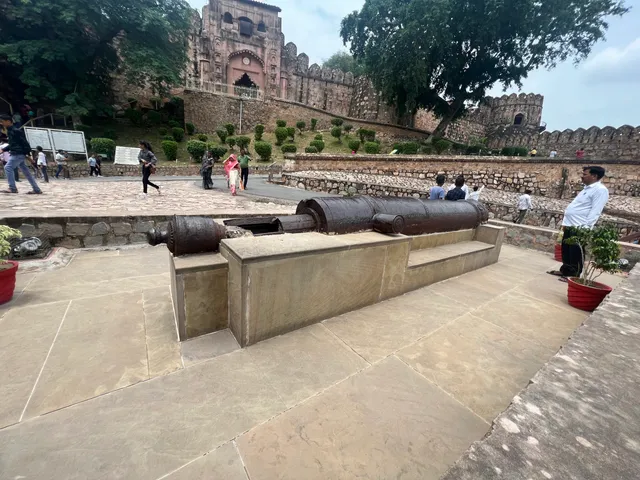
Read moreA very good and hestorical place. In the fort have Lord Ganesh temple. In the Fort have Kadak Bijli Top which sounds seems Bijli sound. In the Fort there are many other Tops having which names are on their shape, sound. In the Fort have a jail where prisoners kept at that time and also have a Fhasi Ghar which was currently closed but structure present. In front of Fhasi Ghar a garden which is clean and full with greanry. In the Fort have an ancient Lord Shiva temple, saying about the temple was that Rani Laxmi Bai dally worship in this temple. In the Fort there an ancient Well which was used for water supply in Fort. In the Fort have Prasar Bharti transmission center for broadcasting programs in Jhansi. In the Fort have Kabra of Gulam Gous Kha Topchi of Rani Laxmi Bai's Army. In the Fort have that's point from where Rani Laxmi Bai jumped with the horse.. In the Fort stabilised a very big and tall National Flag. Currently entry fees is 25 rupees. Timing 8 AM morning to 6PM evening. Whole Fort covered with big boundary. From Fort you can see whole Jhansi city. From the Fort view of Jhansi city too good. Nearby the Fort having Mathili Saran Gupt park which too good for kids, Old ager. In the Park you have done...
Read more