HTML SitemapExplore
logo
Find Things to DoFind The Best Restaurants

Chalukya Shiva Temple — Attraction in Karnataka

Name
Chalukya Shiva Temple
Description
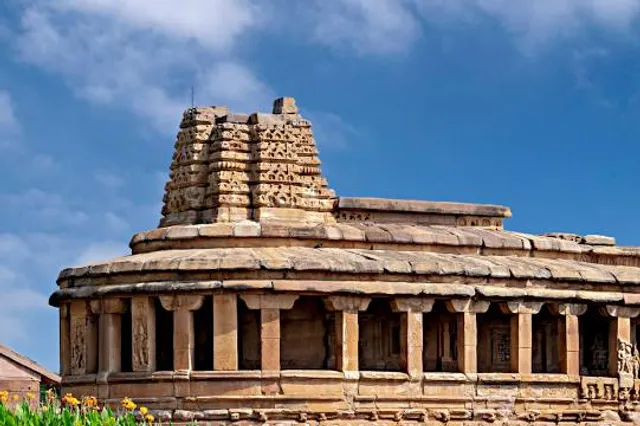
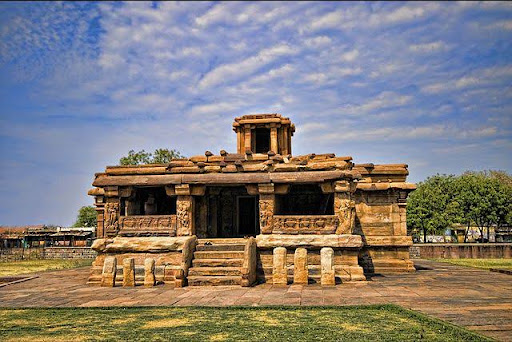
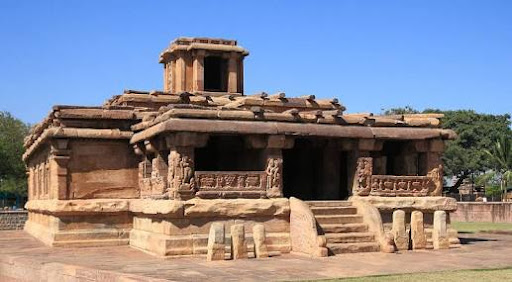
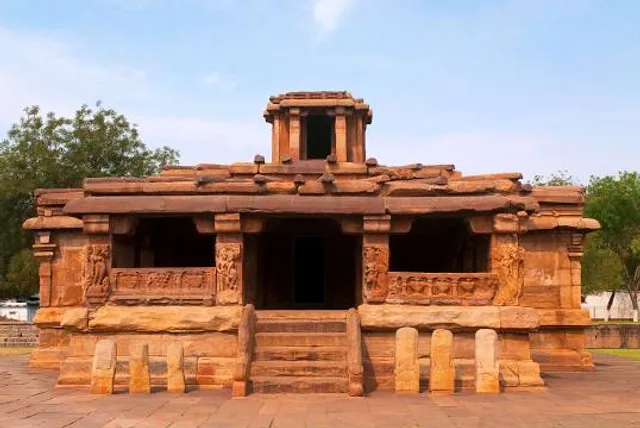
The Chalukya Shiva Temple, dedicated to Shiva, is one of the oldest Hindu temples and is located in the group of monuments at Aihole in the state of Karnataka, India. Formerly dated to the 7th or 8th century, it is now dated to about the 5th century. It is located to the south of the Durga temple, Aihole.
Nearby attractions
Shri Durga Temple Complex
2VCJ+7QR, Aihole, Karnataka 587124, India
Jyotirlinga Temple Group
2VCM+78R, Aihole, Karnataka 587124, India
The Meguti Jain Temple,Aihole,Bagalkot,Karnataka
India, Karnataka, Aihole, Lamp 2V8M+XJ4
Ravana Phadi
2VFM+2P9, Aihole, Karnataka 587124, India
Nearby restaurants
Hotel Chalukya
Badami Rd, Aihole, Karnataka 587124, India
Nearby hotels
Wada 1
Meguti Oni, Meguti Temple Road, Aihole, Karnataka 587124, India
Related posts
Keywords
Chalukya Shiva Temple tourism.Chalukya Shiva Temple hotels.Chalukya Shiva Temple bed and breakfast. flights to Chalukya Shiva Temple.Chalukya Shiva Temple attractions.Chalukya Shiva Temple restaurants.Chalukya Shiva Temple travel.Chalukya Shiva Temple travel guide.Chalukya Shiva Temple travel blog.Chalukya Shiva Temple pictures.Chalukya Shiva Temple photos.Chalukya Shiva Temple travel tips.Chalukya Shiva Temple maps.Chalukya Shiva Temple things to do.
Chalukya Shiva Temple things to do, attractions, restaurants, events info and trip planning
Chalukya Shiva Temple
IndiaKarnatakaChalukya Shiva Temple

Basic Info

Chalukya Shiva Temple

2V9J+XFH, Aihole, Karnataka 587124, India
4.5(80)
Open 24 hours
Save
spot

Ratings & Description

Info

The Chalukya Shiva Temple, dedicated to Shiva, is one of the oldest Hindu temples and is located in the group of monuments at Aihole in the state of Karnataka, India. Formerly dated to the 7th or 8th century, it is now dated to about the 5th century. It is located to the south of the Durga temple, Aihole.

Cultural
Family friendly
Accessibility
attractions: Shri Durga Temple Complex, Jyotirlinga Temple Group, The Meguti Jain Temple,Aihole,Bagalkot,Karnataka, Ravana Phadi, restaurants: Hotel Chalukya
logoLearn more insights from Wanderboat AI.

Plan your stay

hotel
Pet-friendly Hotels in Karnataka
Find a cozy hotel nearby and make it a full experience.
hotel
Affordable Hotels in Karnataka
Find a cozy hotel nearby and make it a full experience.
hotel
The Coolest Hotels You Haven't Heard Of (Yet)
Find a cozy hotel nearby and make it a full experience.
hotel
Trending Stays Worth the Hype in Karnataka
Find a cozy hotel nearby and make it a full experience.

Reviews

Nearby attractions of Chalukya Shiva Temple

Shri Durga Temple Complex

Jyotirlinga Temple Group

The Meguti Jain Temple,Aihole,Bagalkot,Karnataka

Ravana Phadi

Shri Durga Temple Complex

Shri Durga Temple Complex

4.6

(1.4K)

Open 24 hours
Click for details
Jyotirlinga Temple Group

Jyotirlinga Temple Group

4.5

(18)

Open 24 hours
Click for details
The Meguti Jain Temple,Aihole,Bagalkot,Karnataka

The Meguti Jain Temple,Aihole,Bagalkot,Karnataka

4.5

(102)

Open until 6:00 PM
Click for details
Ravana Phadi

Ravana Phadi

4.6

(149)

Open 24 hours
Click for details

Nearby restaurants of Chalukya Shiva Temple

Hotel Chalukya

Hotel Chalukya

Hotel Chalukya

4.3

(34)

Click for details
Get the Appoverlay
Get the AppOne tap to find yournext favorite spots!
Wanderboat LogoWanderboat

Your everyday Al companion for getaway ideas

CompanyAbout Us
InformationAI Trip PlannerSitemap
SocialXInstagramTiktokLinkedin
LegalTerms of ServicePrivacy Policy

Get the app

© 2025 Wanderboat. All rights reserved.
logo

Posts

Shankar RajasekharanShankar Rajasekharan
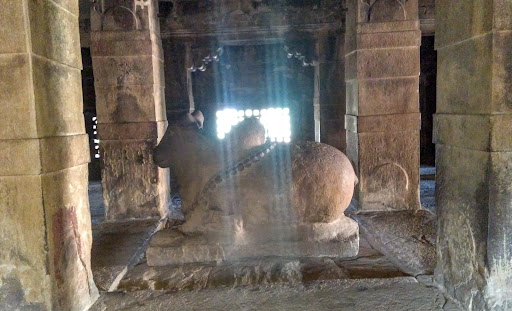
The Chalukya Shiva Temple (earlier known as Lad Khan Temple), dedicated to Shiva, is one of the oldest Hindu temples and is located in the group of monuments at Aihole in the state of Karnataka, India. Formerly dated to the 7th or 8th century, it is now dated to about the 5th century. It is located to the south of the Durga temple, Aihole. The temple shows clear signs of following early timber models, none of which have survived. This is seen for example in the construction of the roof of the mandapa. The temple consists of a shrine (garba griha) with a mandapa in front of it, and a covered path for circumambulating the sanctuary, seen in other very early temples. The mukha mandapa is situated in front of the sanctum and consists of a set of 12 carved pillars. The sabha mandapa leads to the maha mandapa and the pillars are arranged to form two concentric squares. The walls have floral patterns on them and the windows have lattice work done in the northern style. Facing the sanctum, a second smaller sanctum is situated above the center of the hall whose outer walls have many carved images. Originally dedicated to Vishnu, now the main shrine houses a Shiva Linga with a Nandi. The temple was built in a Panchayatana style, indicating a very early experiment in temple construction. The special feature of this temple is that it starts with a rectangular structure and ends with a square structure. Based on a wooden construction design, the square and rectangular plan has a steep roof, which is an adaptation of wooden styles in stone. The maha mandapa is open to exterior by large windows between the pillars. The roof above the maha mandapa shows a turret as a first version of the future forms of tower: shikharas in north India and vimanas in the south
Ravi PandeyRavi Pandey
The Lad Khan Temple (or Chalukya Shiva Temple), dedicated to Shiva, is one of the oldest Hindu temples and is located in the group of monuments at Aihole in the state of Karnataka, India. Formerly dated to the 7th or 8th century, it is now dated to about the 5th century. It is located to the south of the Durga temple, Aihole. The temple shows clear signs of following early timber models, none of which have survived. This is seen for example in the construction of the roof of the mandapa.The temple consists of a shrine with a mandapa in front of it, and a covered path for circumambulating the sanctuary, seen in other very early temples. The mukha mandapa is situated in front of the sanctum and consists of a set of 12 carved pillars. The sabha mandapa leads to the maha mandapa and the pillars are arranged to form two concentric squares. The walls have floral patterns on them and the windows have lattice work done in the northern style. Facing the sanctum, a second smaller sanctum is situated above the center of the hall whose outer walls have many carved images. Originally dedicated to Vishnu, now the main shrine houses a Shiva Linga with a Nandi. The temple was built in a Panchayatana style, indicating a very early experiment in temple construction. The special feature of this temple is that it starts with a rectangular structure and ends with a square structure. Based on a wooden construction design, the square and rectangular plan has a steep roof, which is an adaptation of wooden styles in stone. The maha mandapa is open to exterior by large windows between the pillars. The roof above the maha mandapa shows a turret as a first version of the future forms of tower: shikharas in north India and vimanas in the south
Natraj KVNatraj KV
The Lad Khan Temple, dedicated to Shiva, is one of the oldest Hindu temples and is located in Aihole in the state of Karnataka, India. It was built in the 5th century by the kings of the Chalukya dynasty.[1][2][3][4] It is located to the south of the Durga temple, Aihole. The temple is named after a person named Lad khan, who turned this temple into his residence for a short period and this is the oldest temple of Aihole The temple consists of a shrine (garba griha) with mandapa in front of it. The mukha mandapa is situated in front of the sanctum and consists of a set of 12 carved pillars. The sabha mandapa leads to the maha mandapa and the pillars are arranged to form two concentric squares. The walls have floral patterns on them and the windows have lattice work done in the northern style. Facing the sanctum, a second smaller sanctum is situated above the center of the hall whose outer walls have many carved images. Originally dedicated to Vishnu, now the main shrine houses a Shiva Linga with a Nandi. The temple was built in a Panchayatana style, indicating a very early experiment in temple construction. The special feature of this temple is that it starts with a rectangular structure and ends with a square structure. Based on a wooden construction design, the square and rectangular plan has a steep roof, which is an adaptation of wooden styles in stone. The maha mandapa is open to exterior by large windows between the pillars. The roof above the maha mandapa shows a turret as a first version of the futures towers shikharas and vimanas.[1
See more posts
See more posts
hotel
Find your stay

Pet-friendly Hotels in Karnataka

Find a cozy hotel nearby and make it a full experience.

The Chalukya Shiva Temple (earlier known as Lad Khan Temple), dedicated to Shiva, is one of the oldest Hindu temples and is located in the group of monuments at Aihole in the state of Karnataka, India. Formerly dated to the 7th or 8th century, it is now dated to about the 5th century. It is located to the south of the Durga temple, Aihole. The temple shows clear signs of following early timber models, none of which have survived. This is seen for example in the construction of the roof of the mandapa. The temple consists of a shrine (garba griha) with a mandapa in front of it, and a covered path for circumambulating the sanctuary, seen in other very early temples. The mukha mandapa is situated in front of the sanctum and consists of a set of 12 carved pillars. The sabha mandapa leads to the maha mandapa and the pillars are arranged to form two concentric squares. The walls have floral patterns on them and the windows have lattice work done in the northern style. Facing the sanctum, a second smaller sanctum is situated above the center of the hall whose outer walls have many carved images. Originally dedicated to Vishnu, now the main shrine houses a Shiva Linga with a Nandi. The temple was built in a Panchayatana style, indicating a very early experiment in temple construction. The special feature of this temple is that it starts with a rectangular structure and ends with a square structure. Based on a wooden construction design, the square and rectangular plan has a steep roof, which is an adaptation of wooden styles in stone. The maha mandapa is open to exterior by large windows between the pillars. The roof above the maha mandapa shows a turret as a first version of the future forms of tower: shikharas in north India and vimanas in the south
Shankar Rajasekharan

Shankar Rajasekharan

hotel
Find your stay

Affordable Hotels in Karnataka

Find a cozy hotel nearby and make it a full experience.

Get the Appoverlay
Get the AppOne tap to find yournext favorite spots!
The Lad Khan Temple (or Chalukya Shiva Temple), dedicated to Shiva, is one of the oldest Hindu temples and is located in the group of monuments at Aihole in the state of Karnataka, India. Formerly dated to the 7th or 8th century, it is now dated to about the 5th century. It is located to the south of the Durga temple, Aihole. The temple shows clear signs of following early timber models, none of which have survived. This is seen for example in the construction of the roof of the mandapa.The temple consists of a shrine with a mandapa in front of it, and a covered path for circumambulating the sanctuary, seen in other very early temples. The mukha mandapa is situated in front of the sanctum and consists of a set of 12 carved pillars. The sabha mandapa leads to the maha mandapa and the pillars are arranged to form two concentric squares. The walls have floral patterns on them and the windows have lattice work done in the northern style. Facing the sanctum, a second smaller sanctum is situated above the center of the hall whose outer walls have many carved images. Originally dedicated to Vishnu, now the main shrine houses a Shiva Linga with a Nandi. The temple was built in a Panchayatana style, indicating a very early experiment in temple construction. The special feature of this temple is that it starts with a rectangular structure and ends with a square structure. Based on a wooden construction design, the square and rectangular plan has a steep roof, which is an adaptation of wooden styles in stone. The maha mandapa is open to exterior by large windows between the pillars. The roof above the maha mandapa shows a turret as a first version of the future forms of tower: shikharas in north India and vimanas in the south
Ravi Pandey

Ravi Pandey

hotel
Find your stay

The Coolest Hotels You Haven't Heard Of (Yet)

Find a cozy hotel nearby and make it a full experience.

hotel
Find your stay

Trending Stays Worth the Hype in Karnataka

Find a cozy hotel nearby and make it a full experience.

The Lad Khan Temple, dedicated to Shiva, is one of the oldest Hindu temples and is located in Aihole in the state of Karnataka, India. It was built in the 5th century by the kings of the Chalukya dynasty.[1][2][3][4] It is located to the south of the Durga temple, Aihole. The temple is named after a person named Lad khan, who turned this temple into his residence for a short period and this is the oldest temple of Aihole The temple consists of a shrine (garba griha) with mandapa in front of it. The mukha mandapa is situated in front of the sanctum and consists of a set of 12 carved pillars. The sabha mandapa leads to the maha mandapa and the pillars are arranged to form two concentric squares. The walls have floral patterns on them and the windows have lattice work done in the northern style. Facing the sanctum, a second smaller sanctum is situated above the center of the hall whose outer walls have many carved images. Originally dedicated to Vishnu, now the main shrine houses a Shiva Linga with a Nandi. The temple was built in a Panchayatana style, indicating a very early experiment in temple construction. The special feature of this temple is that it starts with a rectangular structure and ends with a square structure. Based on a wooden construction design, the square and rectangular plan has a steep roof, which is an adaptation of wooden styles in stone. The maha mandapa is open to exterior by large windows between the pillars. The roof above the maha mandapa shows a turret as a first version of the futures towers shikharas and vimanas.[1
Natraj KV

Natraj KV

See more posts
See more posts

Reviews of Chalukya Shiva Temple

4.5
(80)
avatar
4.0
2y

The Chalukya Shiva Temple (earlier known as Lad Khan Temple), dedicated to Shiva, is one of the oldest Hindu temples and is located in the group of monuments at Aihole in the state of Karnataka, India. Formerly dated to the 7th or 8th century, it is now dated to about the 5th century. It is located to the south of the Durga temple, Aihole.

The temple shows clear signs of following early timber models, none of which have survived. This is seen for example in the construction of the roof of the mandapa. The temple consists of a shrine (garba griha) with a mandapa in front of it, and a covered path for circumambulating the sanctuary, seen in other very early temples. The mukha mandapa is situated in front of the sanctum and consists of a set of 12 carved pillars. The sabha mandapa leads to the maha mandapa and the pillars are arranged to form two concentric squares. The walls have floral patterns on them and the windows have lattice work done in the northern style. Facing the sanctum, a second smaller sanctum is situated above the center of the hall whose outer walls have many carved images.

Originally dedicated to Vishnu, now the main shrine houses a Shiva Linga with a Nandi. The temple was built in a Panchayatana style, indicating a very early experiment in temple construction. The special feature of this temple is that it starts with a rectangular structure and ends with a square structure. Based on a wooden construction design, the square and rectangular plan has a steep roof, which is an adaptation of wooden styles in stone.

The maha mandapa is open to exterior by large windows between the pillars. The roof above the maha mandapa shows a turret as a first version of the future forms of tower: shikharas in north India and vimanas...

   Read more
avatar
5.0
5y

The Lad Khan Temple (or Chalukya Shiva Temple), dedicated to Shiva, is one of the oldest Hindu temples and is located in the group of monuments at Aihole in the state of Karnataka, India. Formerly dated to the 7th or 8th century, it is now dated to about the 5th century. It is located to the south of the Durga temple, Aihole. The temple shows clear signs of following early timber models, none of which have survived. This is seen for example in the construction of the roof of the mandapa.The temple consists of a shrine with a mandapa in front of it, and a covered path for circumambulating the sanctuary, seen in other very early temples. The mukha mandapa is situated in front of the sanctum and consists of a set of 12 carved pillars. The sabha mandapa leads to the maha mandapa and the pillars are arranged to form two concentric squares. The walls have floral patterns on them and the windows have lattice work done in the northern style. Facing the sanctum, a second smaller sanctum is situated above the center of the hall whose outer walls have many carved images.

Originally dedicated to Vishnu, now the main shrine houses a Shiva Linga with a Nandi. The temple was built in a Panchayatana style, indicating a very early experiment in temple construction. The special feature of this temple is that it starts with a rectangular structure and ends with a square structure. Based on a wooden construction design, the square and rectangular plan has a steep roof, which is an adaptation of wooden styles in stone.

The maha mandapa is open to exterior by large windows between the pillars. The roof above the maha mandapa shows a turret as a first version of the future forms of tower: shikharas in north India and vimanas...

   Read more
avatar
4.0
7y

The Lad Khan Temple, dedicated to Shiva, is one of the oldest Hindu temples and is located in Aihole in the state of Karnataka, India. It was built in the 5th century by the kings of the Chalukya dynasty.13 It is located to the south of the Durga temple, Aihole. The temple is named after a person named Lad khan, who turned this temple into his residence for a short period and this is the oldest temple of Aihole The temple consists of a shrine (garba griha) with mandapa in front of it. The mukha mandapa is situated in front of the sanctum and consists of a set of 12 carved pillars. The sabha mandapa leads to the maha mandapa and the pillars are arranged to form two concentric squares. The walls have floral patterns on them and the windows have lattice work done in the northern style. Facing the sanctum, a second smaller sanctum is situated above the center of the hall whose outer walls have many carved images.

Originally dedicated to Vishnu, now the main shrine houses a Shiva Linga with a Nandi. The temple was built in a Panchayatana style, indicating a very early experiment in temple construction. The special feature of this temple is that it starts with a rectangular structure and ends with a square structure. Based on a wooden construction design, the square and rectangular plan has a steep roof, which is an adaptation of wooden styles in stone.

The maha mandapa is open to exterior by large windows between the pillars. The roof above the maha mandapa shows a turret as a first version of the futures...

   Read more
Page 1 of 7
Previous
Next