Devanahalli Fort, located about 35 kilometers from Bengaluru, is a historical site with significant cultural and historical importance. Built in the 16th century, the fort is known for its rich heritage and its association with Tipu Sultan, as it is said to be his birthplace. While the fort holds great historical value, the experience of visiting it is rather average due to several factors.
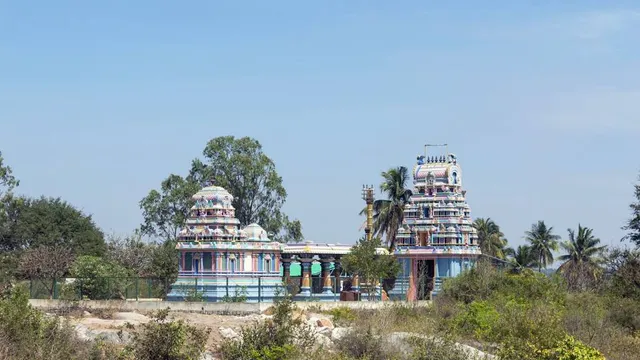
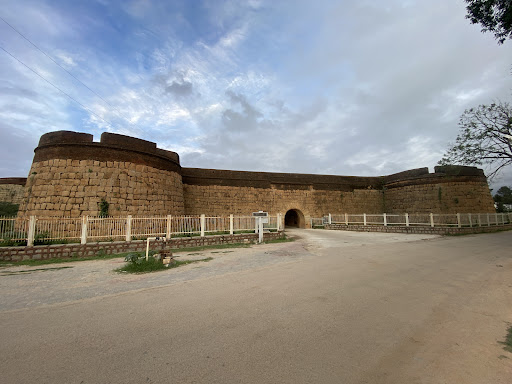
The fort’s architecture is its most notable feature. Made of stone and mortar, it reflects the defensive style of construction used during its time, with large walls and bastions that were designed to withstand invasions. Walking along the fort's walls gives a sense of the grandeur it must have once had. Inside, there are remnants of temples and structures that hint at the cultural and religious significance of the fort in the past. The Venugopalaswamy Temple, in particular, stands out with its intricate carvings and traditional South Indian architectural style.
However, the fort has not been well-maintained over the years. Many parts of it are in ruins, and there is a lack of proper signage or information boards to guide visitors. This makes it difficult for tourists to fully appreciate the historical context and significance of the site. The lack of facilities, such as restrooms and refreshments, further detracts from the overall experience. Additionally, the fort often appears neglected, with overgrown vegetation and litter scattered around, which can be off-putting.
Another drawback is the limited accessibility of the fort's interiors. While the outer walls and a few structures are accessible, much of the fort is closed off or unsafe to explore. This limits the time one can spend there and the depth of the experience. Moreover, there are no guided tours or audio guides available, which would have enhanced the visit by providing more historical insights.
On the positive side, the fort is easily accessible from Bengaluru, making it a convenient destination for a day trip. It offers a quiet escape from the city’s hustle and bustle, with its serene surroundings and open spaces. The panoramic views from the fort’s walls are another highlight, especially during sunrise or sunset, making it a decent spot for photography enthusiasts.
In summary, Devanahalli Fort has a rich history and a few architectural gems worth appreciating, but the lack of maintenance, facilities, and information make it an average tourist destination. It is a site that holds immense potential, but it requires better upkeep and promotion to attract more visitors and provide a meaningful experience. If you’re a history enthusiast or looking for a quick getaway near Bengaluru, it might be worth a visit. However, manage your expectations and be prepared for a...
Read moreDevanahalli Fort, located in Devanahalli, Karnataka, is a historic fortress that holds significant cultural and architectural value.
Devanahalli Fort stands as a testament to the region's rich historical heritage. Stepping inside its ancient walls, you are transported back in time to an era of kings and warriors. The fort's imposing structure, built with stone and mortar, reflects the architectural style of the bygone era, showcasing a blend of Hindu and Islamic influences.
The fort's strategic location atop a hill offers commanding views of the surrounding countryside. From its vantage points, you can appreciate the panoramic vistas, with rolling hills, lush greenery, and a sense of serenity that permeates the atmosphere. The elevated position of the fort also adds to its defensive capabilities, allowing you to imagine the fort's significance in protecting the region.
One of the highlights of Devanahalli Fort is its historical significance. It is the birthplace of Tipu Sultan, the famed ruler of the Kingdom of Mysore. Exploring the fort's corridors, chambers, and courtyards, you can immerse yourself in the stories of the past, imagining the lives and events that unfolded within its walls. The fort serves as a connection to the region's history, providing visitors with a glimpse into the rich tapestry of Karnataka's cultural heritage.
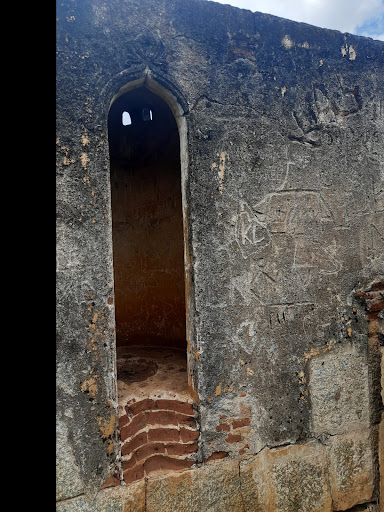
The architectural features of the fort are impressive, with intricate carvings and ornamental designs adorning its walls. The attention to detail and craftsmanship displayed in the fort's construction speak volumes about the skill and expertise of the artisans of that era. Exploring the various sections of the fort, such as the granaries, the durbar hall, and the watchtowers, gives you a sense of the fort's grandeur and functional layout.
While Devanahalli Fort is historically significant, it is important to note that its current state may require maintenance and restoration. Some parts of the fort may have deteriorated over time, and the lack of proper signage or information boards can make it challenging to fully understand the fort's historical context without a knowledgeable guide.
Overall, Devanahalli Fort is a place of historical importance that allows visitors to connect with the region's rich past. Its architectural splendor, strategic location, and cultural significance make it a worthwhile destination for history enthusiasts, architecture lovers, and those seeking to explore the historical roots of Karnataka. However, it's advisable to plan your visit with the awareness that the fort may require some additional information or guided assistance to fully appreciate its...
Read moreDevanahalli Fort, located just off National Highway 44, approximately 35 km from Bengaluru is a significant historical landmark. Open to the public at all times, the fort is seamlessly integrated with a surrounding village, allowing visitors to explore its ruins and experience local life. The fort’s strategic location near the highway makes it easily accessible, providing a glimpse into its historical importance while standing against the backdrop of modern development.
This fort is famously known as the birthplace of Tipu Sultan, the revered 18th-century ruler who left an indelible mark on the history of the region. Today, Devanahalli Fort not only stands as a monument to his legacy but also as a witness to the intersection of history and contemporary rural culture. Despite being in ruins, the fort still evokes a sense of pride and grandeur, with its thick, majestic walls—around 4.5 meters wide—and the impressive entrance, which remains a testament to its former glory.
Visitors can climb atop the fort’s walls and even walk above the entrance gate, exploring remnants of the watchtowers and the night watch areas once used by the king’s guards. The architectural brilliance of the fort, combined with scenic views of a nearby lake and an adjacent temple, offers a serene contrast to the bustling national highway seen in the distance.
Within the fort, there are several ancient temples, including the renowned Venugopalaswamy Temple, drawing visitors for both historical and spiritual exploration. A centuries-old Hanuman temple greets travelers at the entrance, further adding to the fort’s religious and cultural significance.
Though the fort’s structure has been heavily damaged over the centuries, leaving little more than its entrance and walls, the ruins still exude the grandeur and pride it once embodied. However, it is disheartening to witness how human actions over the years have contributed to the fort's deterioration. Yet, despite the damage, the fort continues to stand as a symbol of the region’s rich heritage, making it a must-visit destination for history enthusiasts and nature...
Read more