HTML SitemapExplore
logo
Find Things to DoFind The Best Restaurants

Hampi Archeological Museum in Kamalapura — Attraction in Karnataka

Name
Hampi Archeological Museum in Kamalapura
Description
Nearby attractions
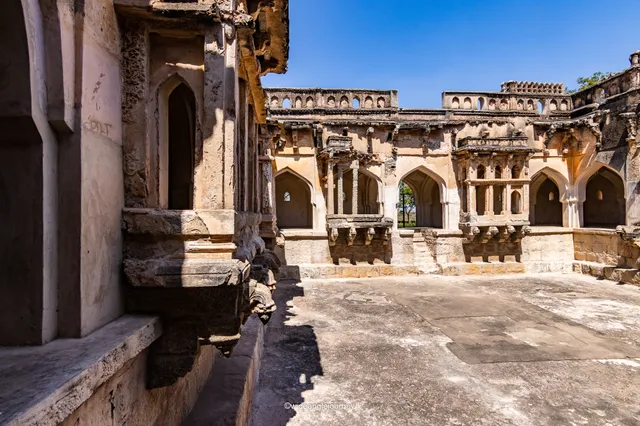
Queen's Bathhouse
8F7C+9X9, Karnataka 583221, India
Nearby restaurants
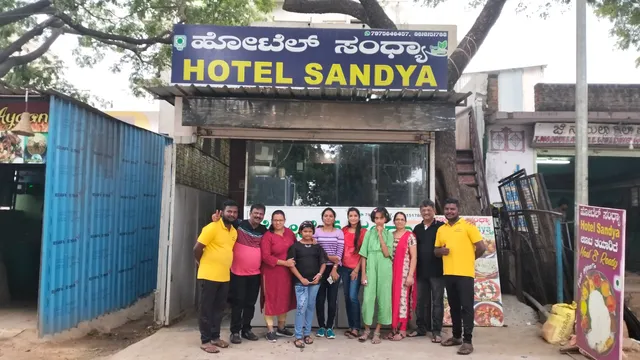
Hotel Sandya
Near Meusizum, HPC road, Kamalapur, Karnataka 583222, India
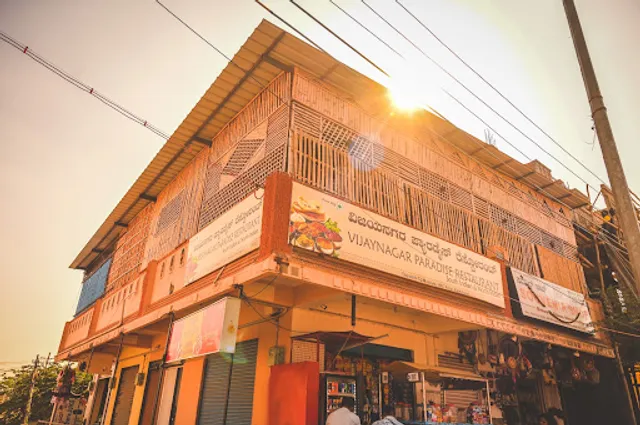
VIJAYANAGAR PARADISE RESTAURANT
Opp: MUSEUM, HPC ROAD, Kamalapur, Hampi, Karnataka 583221, India
Tree Line Restaurant
8F4G+R4X, Daroji-Kamlapura Rd, Kamalapur, Karnataka 583221, India
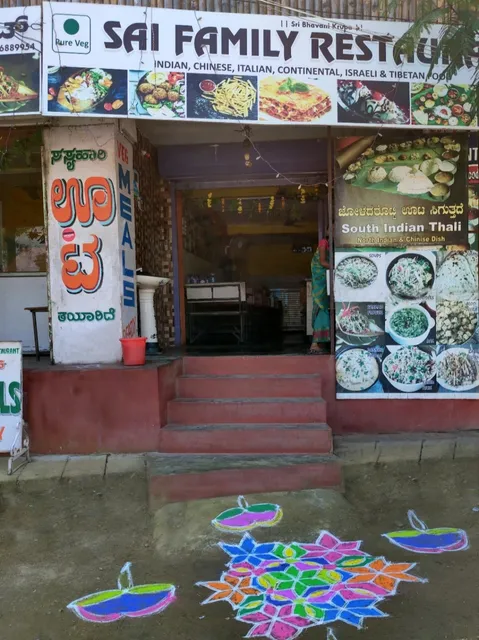
SAI FAMILY RESTAURANT #Auntyhotel #authentic local food
Hampi Road, Kamalapur, Karnataka 583221, India
Sri Lakshmi Fast Food
IB Circle, Hampi Road, Kamalapur, Karnataka 583221, India
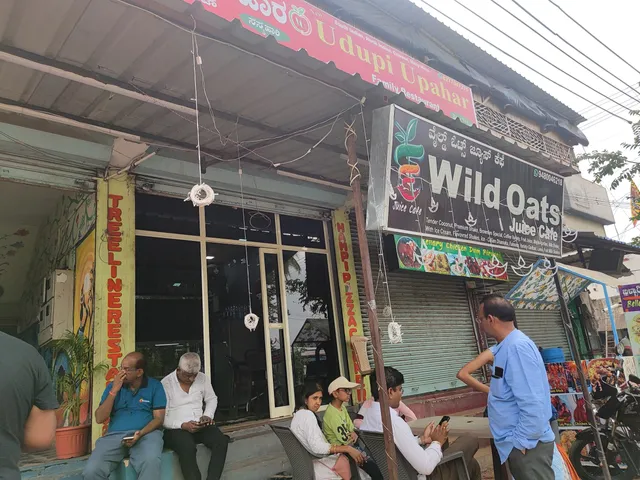
Udupi Upahar Pure Veg
Daroji-Kamlapura Rd, Kamalapur, Karnataka 583221, India
The Bridge
8F4G+MQQ, Clack Inn, HPC Road Opp ASI Museum-kamalapur, Hospet, Taluk, Kamalapur, Karnataka 583221, India
Anjanadri Hotel and AC & NonAC Rooms
Kamalapur, Karnataka 583221, India
Hampi Paradise Restaurant
near new bus stand, opp. police station, Kamalapur, Hampi, Karnataka 583221, India
Bellary Chicken Daum Biriyani
Near, Hpc Road, opp. Bdcc Bank, Kamalapur, Karnataka 583221, India
Nearby hotels
Clark's inn Hampi
HPC Road Opp ASI Museum-kamalapur, Hospet, Taluk, Kamalapur, Karnataka 583221, India
Like Guest House
HPC Road, opp. MUSEUM, Hampi, Kamalapur, Karnataka 583221, India
Hotel Mayura Bhuvaneshwari
Kamalapura Hospet Taluk, Karnataka 583221, India
Green mango tree family guest house
H. P, C road, near museum, Hampi, Kamalapur, Karnataka 583221, India
Hotel Varsha Hampi
opp. Police Station, near Bus stand, Hampi, Kamalapur, Karnataka 583221, India
Nandi Homestay Hampi
Shop No 1, near New Bus Stand, Hampi, Kamalapur, Karnataka 583221, India
Hampi Inn Homestay
old busstand, behind sathyama temple, Kamalapur, Karnataka 583221, India
Eyecon guest house
8F2F+Q23, Kamalapur, Karnataka 583221, India
Hampi Vintage Walls Homestay
University Road, near Basaveshwara Theater, Kamalapur, Karnataka 583221, India
Related posts
Keywords
Hampi Archeological Museum in Kamalapura tourism.Hampi Archeological Museum in Kamalapura hotels.Hampi Archeological Museum in Kamalapura bed and breakfast. flights to Hampi Archeological Museum in Kamalapura.Hampi Archeological Museum in Kamalapura attractions.Hampi Archeological Museum in Kamalapura restaurants.Hampi Archeological Museum in Kamalapura travel.Hampi Archeological Museum in Kamalapura travel guide.Hampi Archeological Museum in Kamalapura travel blog.Hampi Archeological Museum in Kamalapura pictures.Hampi Archeological Museum in Kamalapura photos.Hampi Archeological Museum in Kamalapura travel tips.Hampi Archeological Museum in Kamalapura maps.Hampi Archeological Museum in Kamalapura things to do.
Hampi Archeological Museum in Kamalapura things to do, attractions, restaurants, events info and trip planning
Hampi Archeological Museum in Kamalapura
IndiaKarnatakaHampi Archeological Museum in Kamalapura

Basic Info

Hampi Archeological Museum in Kamalapura

Daroji-Kamlapura Rd, Kamalapur, Karnataka 583221, India
4.5(2.2K)
Open 24 hours
Save
spot

Ratings & Description

Info

Cultural
Accessibility
attractions: Queen's Bathhouse, restaurants: Hotel Sandya, VIJAYANAGAR PARADISE RESTAURANT, Tree Line Restaurant, SAI FAMILY RESTAURANT #Auntyhotel #authentic local food, Sri Lakshmi Fast Food, Udupi Upahar Pure Veg, The Bridge, Anjanadri Hotel and AC & NonAC Rooms, Hampi Paradise Restaurant, Bellary Chicken Daum Biriyani
logoLearn more insights from Wanderboat AI.

Plan your stay

hotel
Pet-friendly Hotels in Karnataka
Find a cozy hotel nearby and make it a full experience.
hotel
Affordable Hotels in Karnataka
Find a cozy hotel nearby and make it a full experience.
hotel
The Coolest Hotels You Haven't Heard Of (Yet)
Find a cozy hotel nearby and make it a full experience.
hotel
Trending Stays Worth the Hype in Karnataka
Find a cozy hotel nearby and make it a full experience.

Reviews

Nearby attractions of Hampi Archeological Museum in Kamalapura

Queen's Bathhouse

Queen's Bathhouse

Queen's Bathhouse

4.3

(2.7K)

Closed
Click for details

Nearby restaurants of Hampi Archeological Museum in Kamalapura

Hotel Sandya

VIJAYANAGAR PARADISE RESTAURANT

Tree Line Restaurant

SAI FAMILY RESTAURANT #Auntyhotel #authentic local food

Sri Lakshmi Fast Food

Udupi Upahar Pure Veg

The Bridge

Anjanadri Hotel and AC & NonAC Rooms

Hampi Paradise Restaurant

Bellary Chicken Daum Biriyani

Hotel Sandya

Hotel Sandya

4.9

(90)

Click for details
VIJAYANAGAR PARADISE RESTAURANT

VIJAYANAGAR PARADISE RESTAURANT

3.7

(56)

Closed
Click for details
Tree Line Restaurant

Tree Line Restaurant

3.5

(242)

$

Click for details
SAI FAMILY RESTAURANT #Auntyhotel #authentic local food

SAI FAMILY RESTAURANT #Auntyhotel #authentic local food

4.2

(476)

Click for details
Get the Appoverlay
Get the AppOne tap to find yournext favorite spots!
Wanderboat LogoWanderboat

Your everyday Al companion for getaway ideas

CompanyAbout Us
InformationAI Trip PlannerSitemap
SocialXInstagramTiktokLinkedin
LegalTerms of ServicePrivacy Policy

Get the app

© 2025 Wanderboat. All rights reserved.
logo

Reviews of Hampi Archeological Museum in Kamalapura

4.5
(2,229)
avatar
5.0
31w

Archaeological Museum, Kamalapur, Hampi

On 04 May 2025, when I bought a ticket for Vijay Vitthal Temple, I found that the ticket included a ticket to the Archaeological Museum along with other places. After lunch, we went to the museum.

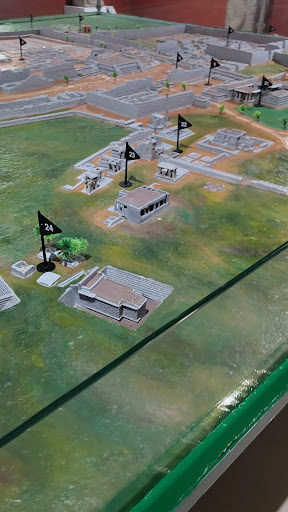
The Archaeological Museum located in Kamalapura village near Hampi, the city of ruins, takes you on a fascinating journey through time. This small but important museum holds a treasure trove of artifacts, each of which tells a chapter of Hampi's rich history. A special feature of the museum is its exhibit - a miniature model of Hampi's topography, presented in not just one, but two forms.

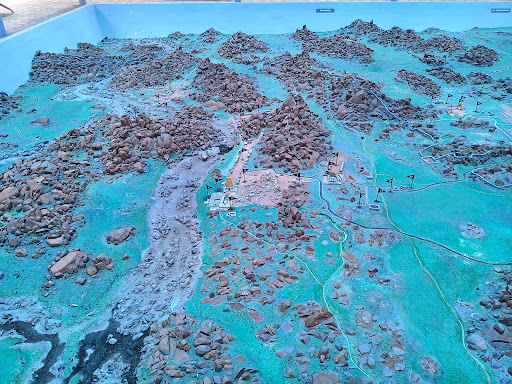
The central courtyard houses a large replica of Hampi, which depicts the power of the entire landscape with its hills and rivers.

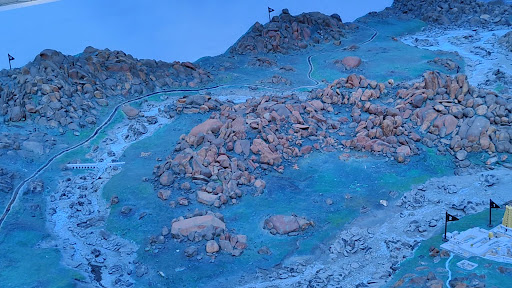
As you enter the last gallery, another intricate model comes into view, offering a full view of the Royal Center. Beyond the topographical spectacle, the Archaeological Museum displays a historic collection of sculptures recovered from the ruins of Hampi.

Lord Shiva plays the central role, along with avatars such as Lord Veerabhadra, Lord Bhairava and Lord Bhikshatanamoorthy. Get a glimpse of ancient tools, coins and other artefacts, each of which tell stories from the city's glorious past.

This museum displays the elaborate Vijayanagara architectural style, a blend of Pandya, Chalukya, Chola and Hoysala influences.

The Archaeological Museum, established in 1972 by the Archaeological Survey of India, is a haven for the remains of the legendary Vijayanagara Empire.

The entrance has replicas of Krishnadevaraya, the most famous ruler of the Vijayanagara dynasty, and his queens. There are two sculpture galleries within the museum. Limestone Buddhist panels from the 2nd century AD, stone sculptures from the 12th century AD and Jain Tirthankaras along with early Vijayanagara sculptures create a harmonious blend of history and art.

As you enter the museum corridors, you find a display of documents made of brass.

The prehistoric artifacts from Anegundi further enhance the museum's role as a custodian of Hampi's heritage. The four galleries each have a different chapter of Hampi's saga. In the first gallery, you can see sculptures of Shaivism. These include Veerabhadra, Bhairava, Bhikshatanamoorthy, Mahishasuramardini, Shakti, Ganesha, Kartikeya and Durga. The central hall has a temple-like structure and displays Shivalinga, Nandi and Dwaramantapa. You can also see a royal couple in front. The second gallery displays miscellaneous antiquities like arms and armor, copper plate grants, metal objects of religious utility and brass plates. The third gallery has coins of the Vijayanagara dynasty in various denominations of both gold and copper.

The fourth gallery has relics from the prehistoric and proto-historic periods, medieval hero stones and sati stones. You can also see stucco sculptures, iron objects and ceramics recovered from the archaeological sites. Selected dye-positives of the excavations carried out at the citadel by the Survey from 1976 to 1998 are prominently displayed in this gallery. Additionally, an information kiosk has been set up in the same gallery to familiarise you with the World Heritage site.

A trip to Hampi will remain incomplete without...

   Read more
avatar
5.0
1y

We all grew up hearing stories of Hampi through school textbooks, but seeing it in person is an entirely different experience. The moment you step foot in Hampi, all your perspectives shift in an instant. It's not just a small area or a singular monument. As I explored the vast expanse of this historic city, I quickly understood why UNESCO recognized Hampi as a World Heritage Site.

Hampi is massive, sprawling across miles, dotted with numerous fascinating monuments and landmarks. It’s a place rich in history, culture, and architecture, far beyond what any textbook can convey. Every corner reveals something new, from the majestic temples to the intricate ruins that speak of its once-flourishing empire.

If you're planning to visit Hampi, I strongly recommend starting your journey at the Hampi Archaeological Museum. This museum is key to understanding the grandeur and scale of Hampi. Here, you’ll find a detailed replica of the entire city, showing how it stretches across miles with its many monuments. The museum presents a vivid picture of Hampi’s historical significance, the Vijayanagara Empire, and the centuries-old culture that still echoes in the ruins today.

Sadly, I made the mistake of visiting the museum midway through my trip instead of at the start. But I can now say it’s crucial for all visitors to begin here. The museum will provide you with valuable insight into how to navigate Hampi, what to look for, and why each site is so important.

Each artifact, sculpture, and idol in the museum tells a story of how the kingdom once thrived, how it fell, and how it has been preserved for us and future generations. It's a treasure trove of knowledge about the Vijayanagara dynasty and the legacy it left behind.

The museum also serves as the ticketing point for major sites like Vijaya Vittala Temple and Lotus Mahal. Tickets for adults are ₹40, while children under 12 can enter for free. You can also purchase tickets online through the Archaeological Survey of India's website, making it convenient to plan your trip ahead.

All in all, Hampi is a vast and deeply enriching experience, and the museum is your gateway to truly appreciating its depth. Don't skip it—immerse yourself first in the history and culture, and then explore Hampi with an enlightened perspective.

General Note:

Tickets are available at the ticket counter or online (₹40 for Indians, ₹600 for foreigners). Online prices are slightly cheaper (₹35 for Indians and ₹550 for foreigners).

Children under 15 can enter for free.

The ticket is valid for one day and covers the Museum, Zenana Enclosure, and Vitthala Temple.

Museum visiting hours are from 9:00 a.m. to 5:00 p.m. (closed on Fridays).

Security checks are mandatory before entry.

Photography is allowed, but without tripods, monopods, or flashlights. Prior permission is required for professional photography or videography with tripods.

Selfie sticks are not allowed inside.

Luggage storage is available in the cloakroom for...

   Read more
avatar
4.0
30w

This is a tiny but worthwhile museum located at Kamalapura. The museum can be visited on the way to the relatively isolated sites (like the Pattabhirama Temple) located towards the southeast end of the Hampi ruins. From Kamapaluram you can walk to the museum by taking the road that goes towards the east.

Apart from the usual suspects in a museum, this one contains an immensely useful exhibit to a novice visitor: A scaled model - in fact two - of the Hampi topography with the monuments located on it. This is an excellent display to get an idea about the area plan and the relative locations of the sites.

The large one located at the central courtyard is miniature copy of Hampi as a whole, complete with its hills and rivers. The smaller but more detailed model located inside the last gallery gives you a comprehensive view of the Royal Centre.

The museum has four principal sections. The first one exhibits the Hampi model mentioned above.

The second section is dedicated mainly to the sculptures and idols from the Hampi ruins. A large number of artifacts belong to the Veerabhadra cult and Shiva worship is prominent.

The exhibits in this section include: Veerabhadra (the demon God created by Lord Shiva), Bhairava (Shiva in the fearsome posture on hearing the death of his consort, Sati), Bhikshatana-murthi (depicting Shiva in his ascetic aspect, wandering and begging with a bowl made of human skull), Mahishasuramardini (the terminator of the buffalo demon; A fearsome aspect of the goddess Shakti ), Shakti (Shakti is a Goddess represents the power of the God.

Always Shakti appears as the consort of the god, For example, Vishnu it's Lakshmi. For Shiva it's Parvati. ), Kartikeya (the peacock mounted God, created by Shiva out of fire). Vinayaka (The elephant headed god born to Shiva & Parvati)

The third section displays an array of tools, arms, coinages and other objects that were in use during the Vijayanagara Empire days. The book like documents made of brass and bundled with a ring on display is peculiar.

The fourth one is the oldest of all display objects. An array of antiquities from the prehistoric and proto historic period (the nearby Anegondi is a prehistoric settlement) , hero stones (stone flange dedicated to heroes who died in battle ) and sati stones (Stone flanges in memorial of wives committed suicide after the death of husbands in the battle). Stucco figurines, portions of porcelain pottery from the excavated sites and a gallery of the excavation photographs. The miniature replica of the Royal Centre is impressive with finer details.

The Archeological Survey of India runs the museum. Timings of Visit from 10.00 AM to 5.00 PM. Closed on Fridays and other national holidays. Entrance Fee: Rs. 5/- per head. Children up to 15 years are admitted free. In about 90 minutes you can complete a decent visit. Photography is not allowed inside the galleries. However you can photograph the exhibits on display in the...

   Read more
Page 1 of 7
Previous
Next

Posts

Satish Kumar SinghSatish Kumar Singh
*Archaeological Museum, Kamalapur, Hampi* On 04 May 2025, when I bought a ticket for Vijay Vitthal Temple, I found that the ticket included a ticket to the Archaeological Museum along with other places. After lunch, we went to the museum. The Archaeological Museum located in Kamalapura village near Hampi, the city of ruins, takes you on a fascinating journey through time. This small but important museum holds a treasure trove of artifacts, each of which tells a chapter of Hampi's rich history. A special feature of the museum is its exhibit - a miniature model of Hampi's topography, presented in not just one, but two forms. The central courtyard houses a large replica of Hampi, which depicts the power of the entire landscape with its hills and rivers. As you enter the last gallery, another intricate model comes into view, offering a full view of the Royal Center. Beyond the topographical spectacle, the Archaeological Museum displays a historic collection of sculptures recovered from the ruins of Hampi. Lord Shiva plays the central role, along with avatars such as Lord Veerabhadra, Lord Bhairava and Lord Bhikshatanamoorthy. Get a glimpse of ancient tools, coins and other artefacts, each of which tell stories from the city's glorious past. This museum displays the elaborate Vijayanagara architectural style, a blend of Pandya, Chalukya, Chola and Hoysala influences. The Archaeological Museum, established in 1972 by the Archaeological Survey of India, is a haven for the remains of the legendary Vijayanagara Empire. The entrance has replicas of Krishnadevaraya, the most famous ruler of the Vijayanagara dynasty, and his queens. There are two sculpture galleries within the museum. Limestone Buddhist panels from the 2nd century AD, stone sculptures from the 12th century AD and Jain Tirthankaras along with early Vijayanagara sculptures create a harmonious blend of history and art. As you enter the museum corridors, you find a display of documents made of brass. The prehistoric artifacts from Anegundi further enhance the museum's role as a custodian of Hampi's heritage. The four galleries each have a different chapter of Hampi's saga. In the first gallery, you can see sculptures of Shaivism. These include Veerabhadra, Bhairava, Bhikshatanamoorthy, Mahishasuramardini, Shakti, Ganesha, Kartikeya and Durga. The central hall has a temple-like structure and displays Shivalinga, Nandi and Dwaramantapa. You can also see a royal couple in front. The second gallery displays miscellaneous antiquities like arms and armor, copper plate grants, metal objects of religious utility and brass plates. The third gallery has coins of the Vijayanagara dynasty in various denominations of both gold and copper. The fourth gallery has relics from the prehistoric and proto-historic periods, medieval hero stones and sati stones. You can also see stucco sculptures, iron objects and ceramics recovered from the archaeological sites. Selected dye-positives of the excavations carried out at the citadel by the Survey from 1976 to 1998 are prominently displayed in this gallery. Additionally, an information kiosk has been set up in the same gallery to familiarise you with the World Heritage site. A trip to Hampi will remain incomplete without visiting the museum.
RaghunathhRaghunathh
We all grew up hearing stories of Hampi through school textbooks, but seeing it in person is an entirely different experience. The moment you step foot in Hampi, all your perspectives shift in an instant. It's not just a small area or a singular monument. As I explored the vast expanse of this historic city, I quickly understood why UNESCO recognized Hampi as a World Heritage Site. Hampi is massive, sprawling across miles, dotted with numerous fascinating monuments and landmarks. It’s a place rich in history, culture, and architecture, far beyond what any textbook can convey. Every corner reveals something new, from the majestic temples to the intricate ruins that speak of its once-flourishing empire. If you're planning to visit Hampi, I strongly recommend starting your journey at the Hampi Archaeological Museum. This museum is key to understanding the grandeur and scale of Hampi. Here, you’ll find a detailed replica of the entire city, showing how it stretches across miles with its many monuments. The museum presents a vivid picture of Hampi’s historical significance, the Vijayanagara Empire, and the centuries-old culture that still echoes in the ruins today. Sadly, I made the mistake of visiting the museum midway through my trip instead of at the start. But I can now say it’s crucial for all visitors to begin here. The museum will provide you with valuable insight into how to navigate Hampi, what to look for, and why each site is so important. Each artifact, sculpture, and idol in the museum tells a story of how the kingdom once thrived, how it fell, and how it has been preserved for us and future generations. It's a treasure trove of knowledge about the Vijayanagara dynasty and the legacy it left behind. The museum also serves as the ticketing point for major sites like Vijaya Vittala Temple and Lotus Mahal. Tickets for adults are ₹40, while children under 12 can enter for free. You can also purchase tickets online through the Archaeological Survey of India's website, making it convenient to plan your trip ahead. All in all, Hampi is a vast and deeply enriching experience, and the museum is your gateway to truly appreciating its depth. Don't skip it—immerse yourself first in the history and culture, and then explore Hampi with an enlightened perspective. *General Note:* Tickets are available at the ticket counter or online (₹40 for Indians, ₹600 for foreigners). Online prices are slightly cheaper (₹35 for Indians and ₹550 for foreigners). Children under 15 can enter for free. The ticket is valid for one day and covers the Museum, Zenana Enclosure, and Vitthala Temple. Museum visiting hours are from 9:00 a.m. to 5:00 p.m. (closed on Fridays). Security checks are mandatory before entry. Photography is allowed, but without tripods, monopods, or flashlights. Prior permission is required for professional photography or videography with tripods. Selfie sticks are not allowed inside. Luggage storage is available in the cloakroom for convenience.
Priyaa RajPriyaa Raj
This is a tiny but worthwhile museum located at Kamalapura. The museum can be visited on the way to the relatively isolated sites (like the Pattabhirama Temple) located towards the southeast end of the Hampi ruins. From Kamapaluram you can walk to the museum by taking the road that goes towards the east. Apart from the usual suspects in a museum, this one contains an immensely useful exhibit to a novice visitor: A scaled model - in fact two - of the Hampi topography with the monuments located on it. This is an excellent display to get an idea about the area plan and the relative locations of the sites. The large one located at the central courtyard is miniature copy of Hampi as a whole, complete with its hills and rivers. The smaller but more detailed model located inside the last gallery gives you a comprehensive view of the Royal Centre. The museum has four principal sections. The first one exhibits the Hampi model mentioned above. The second section is dedicated mainly to the sculptures and idols from the Hampi ruins. A large number of artifacts belong to the Veerabhadra cult and Shiva worship is prominent. The exhibits in this section include: Veerabhadra (the demon God created by Lord Shiva), Bhairava (Shiva in the fearsome posture on hearing the death of his consort, Sati), Bhikshatana-murthi (depicting Shiva in his ascetic aspect, wandering and begging with a bowl made of human skull), Mahishasuramardini (the terminator of the buffalo demon; A fearsome aspect of the goddess Shakti ), Shakti (Shakti is a Goddess represents the power of the God. Always Shakti appears as the consort of the god, For example, Vishnu it's Lakshmi. For Shiva it's Parvati. ), Kartikeya (the peacock mounted God, created by Shiva out of fire). Vinayaka (The elephant headed god born to Shiva & Parvati) The third section displays an array of tools, arms, coinages and other objects that were in use during the Vijayanagara Empire days. The book like documents made of brass and bundled with a ring on display is peculiar. The fourth one is the oldest of all display objects. An array of antiquities from the prehistoric and proto historic period (the nearby Anegondi is a prehistoric settlement) , hero stones (stone flange dedicated to heroes who died in battle ) and sati stones (Stone flanges in memorial of wives committed suicide after the death of husbands in the battle). Stucco figurines, portions of porcelain pottery from the excavated sites and a gallery of the excavation photographs. The miniature replica of the Royal Centre is impressive with finer details. The Archeological Survey of India runs the museum. Timings of Visit from 10.00 AM to 5.00 PM. Closed on Fridays and other national holidays. Entrance Fee: Rs. 5/- per head. Children up to 15 years are admitted free. In about 90 minutes you can complete a decent visit. Photography is not allowed inside the galleries. However you can photograph the exhibits on display in the lawn outside...
See more posts
See more posts
hotel
Find your stay

Pet-friendly Hotels in Karnataka

Find a cozy hotel nearby and make it a full experience.

*Archaeological Museum, Kamalapur, Hampi* On 04 May 2025, when I bought a ticket for Vijay Vitthal Temple, I found that the ticket included a ticket to the Archaeological Museum along with other places. After lunch, we went to the museum. The Archaeological Museum located in Kamalapura village near Hampi, the city of ruins, takes you on a fascinating journey through time. This small but important museum holds a treasure trove of artifacts, each of which tells a chapter of Hampi's rich history. A special feature of the museum is its exhibit - a miniature model of Hampi's topography, presented in not just one, but two forms. The central courtyard houses a large replica of Hampi, which depicts the power of the entire landscape with its hills and rivers. As you enter the last gallery, another intricate model comes into view, offering a full view of the Royal Center. Beyond the topographical spectacle, the Archaeological Museum displays a historic collection of sculptures recovered from the ruins of Hampi. Lord Shiva plays the central role, along with avatars such as Lord Veerabhadra, Lord Bhairava and Lord Bhikshatanamoorthy. Get a glimpse of ancient tools, coins and other artefacts, each of which tell stories from the city's glorious past. This museum displays the elaborate Vijayanagara architectural style, a blend of Pandya, Chalukya, Chola and Hoysala influences. The Archaeological Museum, established in 1972 by the Archaeological Survey of India, is a haven for the remains of the legendary Vijayanagara Empire. The entrance has replicas of Krishnadevaraya, the most famous ruler of the Vijayanagara dynasty, and his queens. There are two sculpture galleries within the museum. Limestone Buddhist panels from the 2nd century AD, stone sculptures from the 12th century AD and Jain Tirthankaras along with early Vijayanagara sculptures create a harmonious blend of history and art. As you enter the museum corridors, you find a display of documents made of brass. The prehistoric artifacts from Anegundi further enhance the museum's role as a custodian of Hampi's heritage. The four galleries each have a different chapter of Hampi's saga. In the first gallery, you can see sculptures of Shaivism. These include Veerabhadra, Bhairava, Bhikshatanamoorthy, Mahishasuramardini, Shakti, Ganesha, Kartikeya and Durga. The central hall has a temple-like structure and displays Shivalinga, Nandi and Dwaramantapa. You can also see a royal couple in front. The second gallery displays miscellaneous antiquities like arms and armor, copper plate grants, metal objects of religious utility and brass plates. The third gallery has coins of the Vijayanagara dynasty in various denominations of both gold and copper. The fourth gallery has relics from the prehistoric and proto-historic periods, medieval hero stones and sati stones. You can also see stucco sculptures, iron objects and ceramics recovered from the archaeological sites. Selected dye-positives of the excavations carried out at the citadel by the Survey from 1976 to 1998 are prominently displayed in this gallery. Additionally, an information kiosk has been set up in the same gallery to familiarise you with the World Heritage site. A trip to Hampi will remain incomplete without visiting the museum.
Satish Kumar Singh

Satish Kumar Singh

hotel
Find your stay

Affordable Hotels in Karnataka

Find a cozy hotel nearby and make it a full experience.

Get the Appoverlay
Get the AppOne tap to find yournext favorite spots!
We all grew up hearing stories of Hampi through school textbooks, but seeing it in person is an entirely different experience. The moment you step foot in Hampi, all your perspectives shift in an instant. It's not just a small area or a singular monument. As I explored the vast expanse of this historic city, I quickly understood why UNESCO recognized Hampi as a World Heritage Site. Hampi is massive, sprawling across miles, dotted with numerous fascinating monuments and landmarks. It’s a place rich in history, culture, and architecture, far beyond what any textbook can convey. Every corner reveals something new, from the majestic temples to the intricate ruins that speak of its once-flourishing empire. If you're planning to visit Hampi, I strongly recommend starting your journey at the Hampi Archaeological Museum. This museum is key to understanding the grandeur and scale of Hampi. Here, you’ll find a detailed replica of the entire city, showing how it stretches across miles with its many monuments. The museum presents a vivid picture of Hampi’s historical significance, the Vijayanagara Empire, and the centuries-old culture that still echoes in the ruins today. Sadly, I made the mistake of visiting the museum midway through my trip instead of at the start. But I can now say it’s crucial for all visitors to begin here. The museum will provide you with valuable insight into how to navigate Hampi, what to look for, and why each site is so important. Each artifact, sculpture, and idol in the museum tells a story of how the kingdom once thrived, how it fell, and how it has been preserved for us and future generations. It's a treasure trove of knowledge about the Vijayanagara dynasty and the legacy it left behind. The museum also serves as the ticketing point for major sites like Vijaya Vittala Temple and Lotus Mahal. Tickets for adults are ₹40, while children under 12 can enter for free. You can also purchase tickets online through the Archaeological Survey of India's website, making it convenient to plan your trip ahead. All in all, Hampi is a vast and deeply enriching experience, and the museum is your gateway to truly appreciating its depth. Don't skip it—immerse yourself first in the history and culture, and then explore Hampi with an enlightened perspective. *General Note:* Tickets are available at the ticket counter or online (₹40 for Indians, ₹600 for foreigners). Online prices are slightly cheaper (₹35 for Indians and ₹550 for foreigners). Children under 15 can enter for free. The ticket is valid for one day and covers the Museum, Zenana Enclosure, and Vitthala Temple. Museum visiting hours are from 9:00 a.m. to 5:00 p.m. (closed on Fridays). Security checks are mandatory before entry. Photography is allowed, but without tripods, monopods, or flashlights. Prior permission is required for professional photography or videography with tripods. Selfie sticks are not allowed inside. Luggage storage is available in the cloakroom for convenience.
Raghunathh

Raghunathh

hotel
Find your stay

The Coolest Hotels You Haven't Heard Of (Yet)

Find a cozy hotel nearby and make it a full experience.

hotel
Find your stay

Trending Stays Worth the Hype in Karnataka

Find a cozy hotel nearby and make it a full experience.

This is a tiny but worthwhile museum located at Kamalapura. The museum can be visited on the way to the relatively isolated sites (like the Pattabhirama Temple) located towards the southeast end of the Hampi ruins. From Kamapaluram you can walk to the museum by taking the road that goes towards the east. Apart from the usual suspects in a museum, this one contains an immensely useful exhibit to a novice visitor: A scaled model - in fact two - of the Hampi topography with the monuments located on it. This is an excellent display to get an idea about the area plan and the relative locations of the sites. The large one located at the central courtyard is miniature copy of Hampi as a whole, complete with its hills and rivers. The smaller but more detailed model located inside the last gallery gives you a comprehensive view of the Royal Centre. The museum has four principal sections. The first one exhibits the Hampi model mentioned above. The second section is dedicated mainly to the sculptures and idols from the Hampi ruins. A large number of artifacts belong to the Veerabhadra cult and Shiva worship is prominent. The exhibits in this section include: Veerabhadra (the demon God created by Lord Shiva), Bhairava (Shiva in the fearsome posture on hearing the death of his consort, Sati), Bhikshatana-murthi (depicting Shiva in his ascetic aspect, wandering and begging with a bowl made of human skull), Mahishasuramardini (the terminator of the buffalo demon; A fearsome aspect of the goddess Shakti ), Shakti (Shakti is a Goddess represents the power of the God. Always Shakti appears as the consort of the god, For example, Vishnu it's Lakshmi. For Shiva it's Parvati. ), Kartikeya (the peacock mounted God, created by Shiva out of fire). Vinayaka (The elephant headed god born to Shiva & Parvati) The third section displays an array of tools, arms, coinages and other objects that were in use during the Vijayanagara Empire days. The book like documents made of brass and bundled with a ring on display is peculiar. The fourth one is the oldest of all display objects. An array of antiquities from the prehistoric and proto historic period (the nearby Anegondi is a prehistoric settlement) , hero stones (stone flange dedicated to heroes who died in battle ) and sati stones (Stone flanges in memorial of wives committed suicide after the death of husbands in the battle). Stucco figurines, portions of porcelain pottery from the excavated sites and a gallery of the excavation photographs. The miniature replica of the Royal Centre is impressive with finer details. The Archeological Survey of India runs the museum. Timings of Visit from 10.00 AM to 5.00 PM. Closed on Fridays and other national holidays. Entrance Fee: Rs. 5/- per head. Children up to 15 years are admitted free. In about 90 minutes you can complete a decent visit. Photography is not allowed inside the galleries. However you can photograph the exhibits on display in the lawn outside...
Priyaa Raj

Priyaa Raj

See more posts
See more posts