HTML SitemapExplore
logo
Find Things to DoFind The Best Restaurants

Hoysaleshwara Temple — Attraction in Karnataka

Name
Hoysaleshwara Temple
Description
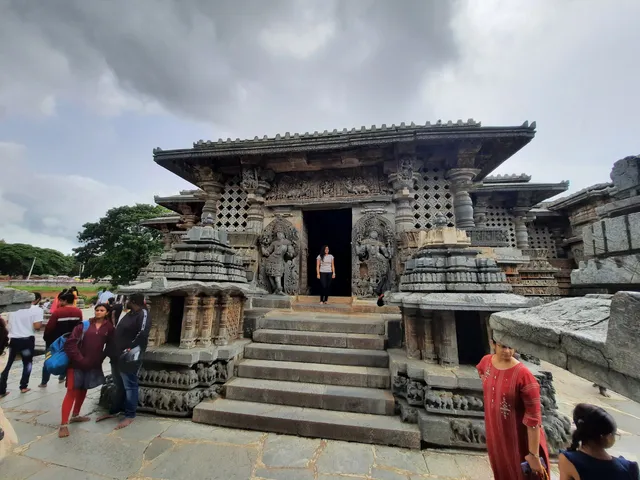
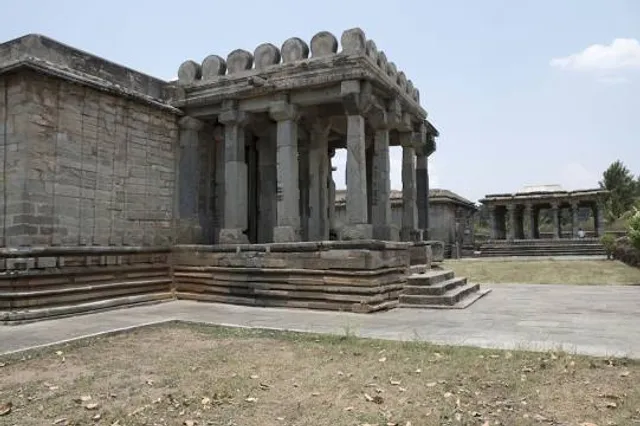
Hoysaleswara temple, also referred simply as the Halebidu temple, is a 12th-century Hindu temple dedicated to Lord Shiva. It is the largest monument in Halebidu, a town in the state of Karnataka, India and the former capital of the Hoysala Empire.
Nearby attractions
Nearby restaurants
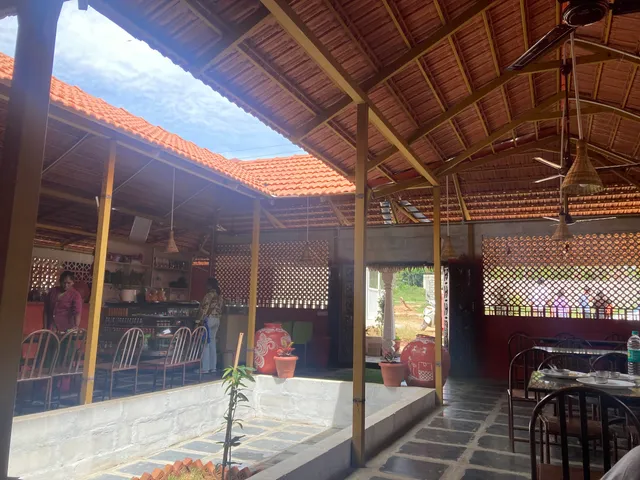
MANGO TREE VEG RESTAURANT &HOTEL
No 01, Hoysla Temple Yard, Main Road, Nera, Halebeedu, Karnataka 573121, India
Sri Hoysala Deluxe Hotel Veg
SH-21, Halebeedu Main Road, Belur Belur, Karnataka 573121, India
ITIHAKALA RESTAURANT (Pure Veg) HALEBIDU / BELUR
Itihakala, 1 km from Hoysaleshwara Temple Hagare, Road, Halebeedu, Karnataka 573121, India
Hotel hulikaleshwara
6X8R+R97, Halebeedu, Karnataka 573121, India
SLV Mess
6X9V+326, NH73, Halebeedu, Karnataka 573121, India
Hotel Nag (Pure Veg)
6X7V+JMF, Halebeedu, Karnataka 573121, India
Nearby hotels
Related posts
Keywords
Hoysaleshwara Temple tourism.Hoysaleshwara Temple hotels.Hoysaleshwara Temple bed and breakfast. flights to Hoysaleshwara Temple.Hoysaleshwara Temple attractions.Hoysaleshwara Temple restaurants.Hoysaleshwara Temple travel.Hoysaleshwara Temple travel guide.Hoysaleshwara Temple travel blog.Hoysaleshwara Temple pictures.Hoysaleshwara Temple photos.Hoysaleshwara Temple travel tips.Hoysaleshwara Temple maps.Hoysaleshwara Temple things to do.
Hoysaleshwara Temple things to do, attractions, restaurants, events info and trip planning
Hoysaleshwara Temple
IndiaKarnatakaHoysaleshwara Temple

Basic Info

Hoysaleshwara Temple

Halebeedu, Karnataka 573121, India
4.8(5.8K)
Open 24 hours
Save
spot

Ratings & Description

Info

Hoysaleswara temple, also referred simply as the Halebidu temple, is a 12th-century Hindu temple dedicated to Lord Shiva. It is the largest monument in Halebidu, a town in the state of Karnataka, India and the former capital of the Hoysala Empire.

Cultural
Family friendly
attractions: , restaurants: MANGO TREE VEG RESTAURANT &HOTEL, Sri Hoysala Deluxe Hotel Veg, ITIHAKALA RESTAURANT (Pure Veg) HALEBIDU / BELUR, Hotel hulikaleshwara, SLV Mess, Hotel Nag (Pure Veg)
logoLearn more insights from Wanderboat AI.

Plan your stay

hotel
Pet-friendly Hotels in Karnataka
Find a cozy hotel nearby and make it a full experience.
hotel
Affordable Hotels in Karnataka
Find a cozy hotel nearby and make it a full experience.
hotel
The Coolest Hotels You Haven't Heard Of (Yet)
Find a cozy hotel nearby and make it a full experience.
hotel
Trending Stays Worth the Hype in Karnataka
Find a cozy hotel nearby and make it a full experience.

Reviews

Nearby restaurants of Hoysaleshwara Temple

MANGO TREE VEG RESTAURANT &HOTEL

Sri Hoysala Deluxe Hotel Veg

ITIHAKALA RESTAURANT (Pure Veg) HALEBIDU / BELUR

Hotel hulikaleshwara

SLV Mess

Hotel Nag (Pure Veg)

MANGO TREE VEG RESTAURANT &HOTEL

MANGO TREE VEG RESTAURANT &HOTEL

4.5

(62)

Click for details
Sri Hoysala Deluxe Hotel Veg

Sri Hoysala Deluxe Hotel Veg

3.7

(12)

Click for details
ITIHAKALA RESTAURANT (Pure Veg) HALEBIDU / BELUR

ITIHAKALA RESTAURANT (Pure Veg) HALEBIDU / BELUR

4.5

(969)

Click for details
Hotel hulikaleshwara

Hotel hulikaleshwara

4.4

(9)

Click for details
Get the Appoverlay
Get the AppOne tap to find yournext favorite spots!
Wanderboat LogoWanderboat

Your everyday Al companion for getaway ideas

CompanyAbout Us
InformationAI Trip PlannerSitemap
SocialXInstagramTiktokLinkedin
LegalTerms of ServicePrivacy Policy

Get the app

© 2025 Wanderboat. All rights reserved.
logo

Reviews of Hoysaleshwara Temple

4.8
(5,836)
avatar
5.0
2y

The Hoysala period of South Indian history began about 1000 CE and continued through 1346 CE. In this period, they built around 1,500 temples in 958 centres. Halebidu was originally called Dorasamudra in its inscriptions, possibly derived from Dvarasamudra (Sanskrit words "Dvara" (gateway, door) and Samudra (ocean, sea, large water body)). The capital used to be Belur, Karnataka, but Dorasamudra became the established capital under king Vishnuvardhana and served as the capital of the Hoyasala Empire for nearly 300 years.

Unlike other Hoysala temples that have survived into the modern age, and despite numerous inscriptions in the temple premises, the Hoysaleswara Temple lacks a dedication inscription. It is likely lost, along with the many other features of the original temple. An inscription found about five kilometers from the temple site, near the Kallesvara temple ruins in Ghattadahalli, states that Ketamalla – officer in the employ of king Vishnuvardhana constructed this temple. It also notes that the king made grant of lands to support the construction, the operation and the maintenance of the Shiva temple in Saka 1043, or 1121 CE. It was not the only temple built in that era. The inscriptions suggest that the capital consisted of numerous other temples, both of Hinduism and Jainism traditions, along with stepwells, ponds and mantapas (mandapas, public halls) in the vicinity of the large Dorasamudhra lake. It is the largest temple built by the Hoysalas that is dedicated to the Hindu god Shiva in South India.

The Hoysala Empire and its capital Dorasamudra was invaded, plundered and destroyed in early 14th century by the Delhi Sultanate armies of Alauddin Khilji, with Belur and Halebidu becoming the target of plunder and destruction in 1326 CE by another Delhi Sultanate army of Sultan Muhammad bin Tughlaq. The territory was taken over by the Vijayanagara Empire. The Hoysala kingdom, states James C. Harle, came to an end in mid 14th century, when King Ballala III was killed in a war with the Muslim army of Madurai Sultanate. Dorasamudra and its temples became ruins, the capital abandoned and the site became known as "Halebidu" (literally, "old camp or capital"). About 300 of the original Hoysala Empire temples survive in different states of damage, scattered around Karnataka. Of these, states Hardy, about 70 had been studied to varying degrees of detail by 1995.

With the defeat of Tipu Sultan in 1799, Mysore came under the influence of the colonial British rule and scholarship. The Hoysaleswara temple ruins were among the earliest surveyed, then earliest photographed in the 1850s, and the subject of several rounds of good will repairs and restoration that lacked thorough documentation. Ruin panels from other temples were reused here to cover the Nandi mandapa, parts of friezes used to repair the plinth. Thus, the Hoysaleswara temple as it is survives in the contemporary era is a composite of the original Hindu temple architecture and design that was open, to which stone screens with outer walls and doors were added by the 14th-century, whose crowning towers (shikhara) have been lost, and whose ruins were repaired and restored many times in the 19th and 20th-century.

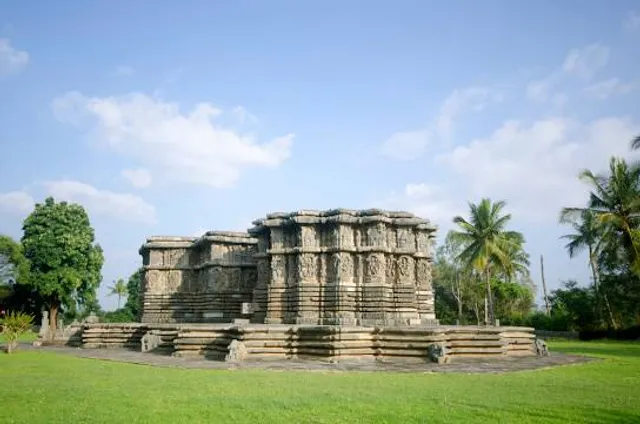
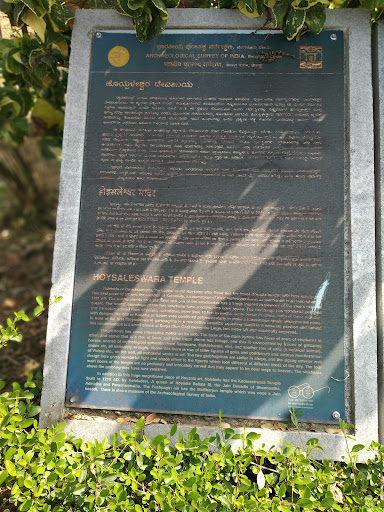
Hoysaleswara temple, also referred simply as the Halebidu temple, is a 12th-century Hindu temple dedicated to Lord Shiva. It is the largest monument in Halebidu, a town in the state of Karnataka, India and the former capital of the Hoysala Empire. The temple was built on the banks of a large man-made lake, and sponsored by King Vishnuvardhana of the Hoysala Empire. Its construction started around 1121 CE and was complete in 1160 CE. During the early 14th century, Halebidu was twice sacked and plundered by the Muslim armies of the Delhi Sultanate from northern India, and the temple and the capital fell into a state of ruin and neglect. It is 30 kilometres (19 mi) from Hassan city and about 210 kilometres (130 mi) from Bengaluru.

The Hoysaleswara temple is...

   Read more

avatar
5.0
4y

Had been there on 16-01-2021.

First we visited Belur Chennakeshava Temple and later we came to this temple.

We reached Hoysaleshwara Temple at 10:30 AM. Though parking is available with a lot of space, local people ask you pay 50 Rs as a "Parking Fee". Which is not relevant and you no need to pay any amount.

Once you step inside the entrance, you will notice a well maintained park and a huge space all around.

While leaving your footwear, again some random people come and ask you pay money for keeping your footwear's. This is not maintained by any government or authorities. Localities form a group and collect money all around. You no need to pay any amount for these things.

There are few guides standing near the entrance. They will ask you for their help. It's totally your choice to go with guide or yourselves. We didn't take any guide help.

It took almost 2 hours to cover entire temple. Early morning will be a good choice for visiting this temple. Less crowd and you can cover all the things in depth. After 12 PM, there will be more sun light and you can not walk on bare foot. Even photo's won't come nicely.

There are 2 beautiful Nandi Statue over there carved on a single stone. These are No. 7 and No. 8 when it comes to Nandi Height in the entire country.

About this temple :

Hoysaleshwara temple is a 12th-century Hindu temple dedicated to Shiva. It is the largest monument in Halebeedu, a town in the state of Karnataka, India and the former capital of the Hoysala Empire. The temple was built on the banks of a large man-made lake, and sponsored by King Vishnuvardhana of the Hoysala Empire. Its construction started around 1121 CE and was complete in 1160 CE. In the 14th century, the armies of Alauddin Khilji and Muhammad Tughlak defeated the Hoysalas and raided their empire. It is recorded that enormous wealth and riches were looted. The city never recovered and fell into neglect.

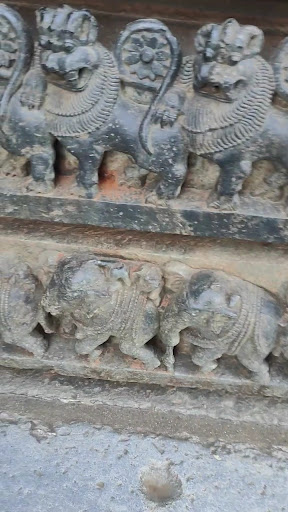
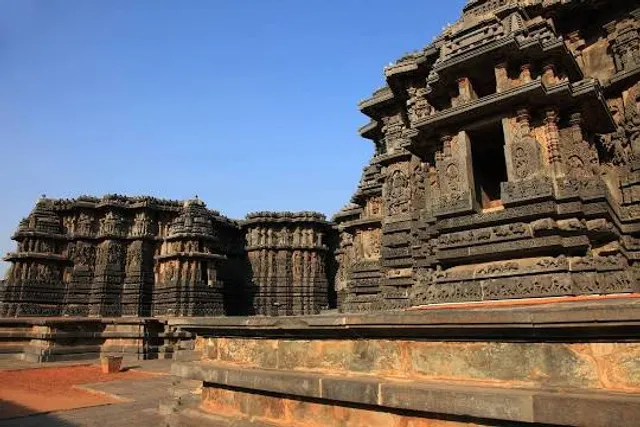
The Hoysaleswara Temple poised on a star-shaped base on the lawn is an architectural marvel. This twin-shrined temple is perhaps the largest Shiva temple built by the Hoysalas. Its base consists of 8 rows of friezes carved with elephants, lions, horses and floral scrolls.

The Hoysaleshwara temple is a Shaivism tradition monument, yet reverentially includes many themes from Vaishnavism and Shaktism tradition of Hinduism, as well as images from Jainism. The Hoysaleshwara temple is a twin-temple dedicated to Hoysaleshwara and Santaleswara Shiva lingas, named after the masculine and feminine aspects, both equal and joined at their transept. It has two Nandi shrines outside, where each seated Nandi face the respective Shiva linga inside. The temple includes a smaller sanctum for the Hindu Sun god Surya. It once had superstructure towers, but no longer and the temple looks flat. The temple faces east, though the monument is presently visited from the north side. Both the main temples and the Nandi shrines are based on a square plan. The temple was carved from soapstone. It is notable for its sculptures, intricate reliefs, detailed friezes as well its history, iconography, inscriptions in North Indian and South...

   Read more
avatar
5.0
26w

The Hoysaleswara Temple in Halebidu, Karnataka, is a 12th-century masterpiece of Hoysala architecture, renowned for its intricate carvings and historical significance. Dedicated to Lord Shiva, this temple stands as a testament to the artistic and cultural achievements of the Hoysala Empire.

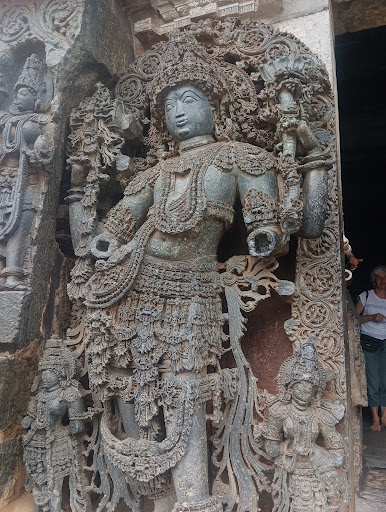
Constructed between 1121 and 1160 CE under King Vishnuvardhana, the temple showcases the distinctive Hoysala architectural style. Built on a star-shaped platform, the temple features twin sanctums dedicated to Hoysaleswara (the king) and Shantaleswara (the queen), each housing a Shiva Linga. The use of soapstone allowed artisans to create detailed sculptures and friezes that adorn the temple's exterior walls. The temple's walls are embellished with over 340 large reliefs and numerous smaller friezes depicting scenes from Hindu epics like the Ramayana, Mahabharata, and Bhagavata Purana. These carvings portray deities, mythological events, animals, and aspects of daily life, offering a vivid glimpse into 12th-century South Indian culture. Halebidu, formerly known as Dwarasamudra, served as the capital of the Hoysala Empire. The temple complex reflects the empire's prosperity and devotion to art and religion. Although the city faced invasions in the 14th century, leading to the temple's partial destruction, the remaining structures continue to captivate visitors with their grandeur. 🏛️ UNESCO World Heritage Site In 2023, the Hoysaleswara Temple, along with the Chennakeshava Temple at Belur and the Keshava Temple at Somanathapura, was inscribed as part of the "Sacred Ensembles of the Hoysalas" UNESCO World Heritage Site, recognizing its outstanding universal value. Location: Halebidu is approximately 210 km from Bengaluru and 30 km from Hassan. The site is accessible by road and is well-connected to major cities in Karnataka. Best Time to Visit: October to March offers pleasant weather, ideal for exploring the temple complex. Guided Tours: Hiring a local guide (approximately ₹300) is recommended to gain deeper insights into the temple's history and architectural nuances. A visit to the Hoysaleswara Temple offers a journey through time, allowing tourists to immerse themselves in the rich heritage and artistic brilliance of the...

   Read more
Page 1 of 7
Previous
Next

Posts

Sachin BhatSachin Bhat
The Hoysala period of South Indian history began about 1000 CE and continued through 1346 CE. In this period, they built around 1,500 temples in 958 centres. Halebidu was originally called Dorasamudra in its inscriptions, possibly derived from Dvarasamudra (Sanskrit words "Dvara" (gateway, door) and Samudra (ocean, sea, large water body)). The capital used to be Belur, Karnataka, but Dorasamudra became the established capital under king Vishnuvardhana and served as the capital of the Hoyasala Empire for nearly 300 years. Unlike other Hoysala temples that have survived into the modern age, and despite numerous inscriptions in the temple premises, the Hoysaleswara Temple lacks a dedication inscription. It is likely lost, along with the many other features of the original temple. An inscription found about five kilometers from the temple site, near the Kallesvara temple ruins in Ghattadahalli, states that Ketamalla – officer in the employ of king Vishnuvardhana constructed this temple. It also notes that the king made grant of lands to support the construction, the operation and the maintenance of the Shiva temple in Saka 1043, or 1121 CE. It was not the only temple built in that era. The inscriptions suggest that the capital consisted of numerous other temples, both of Hinduism and Jainism traditions, along with stepwells, ponds and mantapas (mandapas, public halls) in the vicinity of the large Dorasamudhra lake. It is the largest temple built by the Hoysalas that is dedicated to the Hindu god Shiva in South India. The Hoysala Empire and its capital Dorasamudra was invaded, plundered and destroyed in early 14th century by the Delhi Sultanate armies of Alauddin Khilji, with Belur and Halebidu becoming the target of plunder and destruction in 1326 CE by another Delhi Sultanate army of Sultan Muhammad bin Tughlaq. The territory was taken over by the Vijayanagara Empire. The Hoysala kingdom, states James C. Harle, came to an end in mid 14th century, when King Ballala III was killed in a war with the Muslim army of Madurai Sultanate. Dorasamudra and its temples became ruins, the capital abandoned and the site became known as "Halebidu" (literally, "old camp or capital"). About 300 of the original Hoysala Empire temples survive in different states of damage, scattered around Karnataka. Of these, states Hardy, about 70 had been studied to varying degrees of detail by 1995. With the defeat of Tipu Sultan in 1799, Mysore came under the influence of the colonial British rule and scholarship. The Hoysaleswara temple ruins were among the earliest surveyed, then earliest photographed in the 1850s, and the subject of several rounds of good will repairs and restoration that lacked thorough documentation. Ruin panels from other temples were reused here to cover the Nandi mandapa, parts of friezes used to repair the plinth. Thus, the Hoysaleswara temple as it is survives in the contemporary era is a composite of the original Hindu temple architecture and design that was open, to which stone screens with outer walls and doors were added by the 14th-century, whose crowning towers (shikhara) have been lost, and whose ruins were repaired and restored many times in the 19th and 20th-century. Hoysaleswara temple, also referred simply as the Halebidu temple, is a 12th-century Hindu temple dedicated to Lord Shiva. It is the largest monument in Halebidu, a town in the state of Karnataka, India and the former capital of the Hoysala Empire. The temple was built on the banks of a large man-made lake, and sponsored by King Vishnuvardhana of the Hoysala Empire. Its construction started around 1121 CE and was complete in 1160 CE. During the early 14th century, Halebidu was twice sacked and plundered by the Muslim armies of the Delhi Sultanate from northern India, and the temple and the capital fell into a state of ruin and neglect. It is 30 kilometres (19 mi) from Hassan city and about 210 kilometres (130 mi) from Bengaluru. The Hoysaleswara temple is a Shaivism tradition monument.
Pranam BhatPranam Bhat
Had been there on 16-01-2021. First we visited Belur Chennakeshava Temple and later we came to this temple. We reached Hoysaleshwara Temple at 10:30 AM. Though parking is available with a lot of space, local people ask you pay 50 Rs as a "Parking Fee". Which is not relevant and you no need to pay any amount. Once you step inside the entrance, you will notice a well maintained park and a huge space all around. While leaving your footwear, again some random people come and ask you pay money for keeping your footwear's. This is not maintained by any government or authorities. Localities form a group and collect money all around. You no need to pay any amount for these things. There are few guides standing near the entrance. They will ask you for their help. It's totally your choice to go with guide or yourselves. We didn't take any guide help. It took almost 2 hours to cover entire temple. Early morning will be a good choice for visiting this temple. Less crowd and you can cover all the things in depth. After 12 PM, there will be more sun light and you can not walk on bare foot. Even photo's won't come nicely. There are 2 beautiful Nandi Statue over there carved on a single stone. These are No. 7 and No. 8 when it comes to Nandi Height in the entire country. About this temple : Hoysaleshwara temple is a 12th-century Hindu temple dedicated to Shiva. It is the largest monument in Halebeedu, a town in the state of Karnataka, India and the former capital of the Hoysala Empire. The temple was built on the banks of a large man-made lake, and sponsored by King Vishnuvardhana of the Hoysala Empire. Its construction started around 1121 CE and was complete in 1160 CE. In the 14th century, the armies of Alauddin Khilji and Muhammad Tughlak defeated the Hoysalas and raided their empire. It is recorded that enormous wealth and riches were looted. The city never recovered and fell into neglect. The Hoysaleswara Temple poised on a star-shaped base on the lawn is an architectural marvel. This twin-shrined temple is perhaps the largest Shiva temple built by the Hoysalas. Its base consists of 8 rows of friezes carved with elephants, lions, horses and floral scrolls. The Hoysaleshwara temple is a Shaivism tradition monument, yet reverentially includes many themes from Vaishnavism and Shaktism tradition of Hinduism, as well as images from Jainism. The Hoysaleshwara temple is a twin-temple dedicated to Hoysaleshwara and Santaleswara Shiva lingas, named after the masculine and feminine aspects, both equal and joined at their transept. It has two Nandi shrines outside, where each seated Nandi face the respective Shiva linga inside. The temple includes a smaller sanctum for the Hindu Sun god Surya. It once had superstructure towers, but no longer and the temple looks flat. The temple faces east, though the monument is presently visited from the north side. Both the main temples and the Nandi shrines are based on a square plan. The temple was carved from soapstone. It is notable for its sculptures, intricate reliefs, detailed friezes as well its history, iconography, inscriptions in North Indian and South Indian scripts.
Dr. Shiva AithalDr. Shiva Aithal
The Hoysaleswara Temple in Halebidu, Karnataka, is a 12th-century masterpiece of Hoysala architecture, renowned for its intricate carvings and historical significance. Dedicated to Lord Shiva, this temple stands as a testament to the artistic and cultural achievements of the Hoysala Empire. Constructed between 1121 and 1160 CE under King Vishnuvardhana, the temple showcases the distinctive Hoysala architectural style. Built on a star-shaped platform, the temple features twin sanctums dedicated to Hoysaleswara (the king) and Shantaleswara (the queen), each housing a Shiva Linga. The use of soapstone allowed artisans to create detailed sculptures and friezes that adorn the temple's exterior walls. The temple's walls are embellished with over 340 large reliefs and numerous smaller friezes depicting scenes from Hindu epics like the Ramayana, Mahabharata, and Bhagavata Purana. These carvings portray deities, mythological events, animals, and aspects of daily life, offering a vivid glimpse into 12th-century South Indian culture. Halebidu, formerly known as Dwarasamudra, served as the capital of the Hoysala Empire. The temple complex reflects the empire's prosperity and devotion to art and religion. Although the city faced invasions in the 14th century, leading to the temple's partial destruction, the remaining structures continue to captivate visitors with their grandeur. 🏛️ UNESCO World Heritage Site In 2023, the Hoysaleswara Temple, along with the Chennakeshava Temple at Belur and the Keshava Temple at Somanathapura, was inscribed as part of the "Sacred Ensembles of the Hoysalas" UNESCO World Heritage Site, recognizing its outstanding universal value. Location: Halebidu is approximately 210 km from Bengaluru and 30 km from Hassan. The site is accessible by road and is well-connected to major cities in Karnataka. Best Time to Visit: October to March offers pleasant weather, ideal for exploring the temple complex. Guided Tours: Hiring a local guide (approximately ₹300) is recommended to gain deeper insights into the temple's history and architectural nuances. A visit to the Hoysaleswara Temple offers a journey through time, allowing tourists to immerse themselves in the rich heritage and artistic brilliance of the Hoysala era.
See more posts
See more posts
hotel
Find your stay

Pet-friendly Hotels in Karnataka

Find a cozy hotel nearby and make it a full experience.

The Hoysala period of South Indian history began about 1000 CE and continued through 1346 CE. In this period, they built around 1,500 temples in 958 centres. Halebidu was originally called Dorasamudra in its inscriptions, possibly derived from Dvarasamudra (Sanskrit words "Dvara" (gateway, door) and Samudra (ocean, sea, large water body)). The capital used to be Belur, Karnataka, but Dorasamudra became the established capital under king Vishnuvardhana and served as the capital of the Hoyasala Empire for nearly 300 years. Unlike other Hoysala temples that have survived into the modern age, and despite numerous inscriptions in the temple premises, the Hoysaleswara Temple lacks a dedication inscription. It is likely lost, along with the many other features of the original temple. An inscription found about five kilometers from the temple site, near the Kallesvara temple ruins in Ghattadahalli, states that Ketamalla – officer in the employ of king Vishnuvardhana constructed this temple. It also notes that the king made grant of lands to support the construction, the operation and the maintenance of the Shiva temple in Saka 1043, or 1121 CE. It was not the only temple built in that era. The inscriptions suggest that the capital consisted of numerous other temples, both of Hinduism and Jainism traditions, along with stepwells, ponds and mantapas (mandapas, public halls) in the vicinity of the large Dorasamudhra lake. It is the largest temple built by the Hoysalas that is dedicated to the Hindu god Shiva in South India. The Hoysala Empire and its capital Dorasamudra was invaded, plundered and destroyed in early 14th century by the Delhi Sultanate armies of Alauddin Khilji, with Belur and Halebidu becoming the target of plunder and destruction in 1326 CE by another Delhi Sultanate army of Sultan Muhammad bin Tughlaq. The territory was taken over by the Vijayanagara Empire. The Hoysala kingdom, states James C. Harle, came to an end in mid 14th century, when King Ballala III was killed in a war with the Muslim army of Madurai Sultanate. Dorasamudra and its temples became ruins, the capital abandoned and the site became known as "Halebidu" (literally, "old camp or capital"). About 300 of the original Hoysala Empire temples survive in different states of damage, scattered around Karnataka. Of these, states Hardy, about 70 had been studied to varying degrees of detail by 1995. With the defeat of Tipu Sultan in 1799, Mysore came under the influence of the colonial British rule and scholarship. The Hoysaleswara temple ruins were among the earliest surveyed, then earliest photographed in the 1850s, and the subject of several rounds of good will repairs and restoration that lacked thorough documentation. Ruin panels from other temples were reused here to cover the Nandi mandapa, parts of friezes used to repair the plinth. Thus, the Hoysaleswara temple as it is survives in the contemporary era is a composite of the original Hindu temple architecture and design that was open, to which stone screens with outer walls and doors were added by the 14th-century, whose crowning towers (shikhara) have been lost, and whose ruins were repaired and restored many times in the 19th and 20th-century. Hoysaleswara temple, also referred simply as the Halebidu temple, is a 12th-century Hindu temple dedicated to Lord Shiva. It is the largest monument in Halebidu, a town in the state of Karnataka, India and the former capital of the Hoysala Empire. The temple was built on the banks of a large man-made lake, and sponsored by King Vishnuvardhana of the Hoysala Empire. Its construction started around 1121 CE and was complete in 1160 CE. During the early 14th century, Halebidu was twice sacked and plundered by the Muslim armies of the Delhi Sultanate from northern India, and the temple and the capital fell into a state of ruin and neglect. It is 30 kilometres (19 mi) from Hassan city and about 210 kilometres (130 mi) from Bengaluru. The Hoysaleswara temple is a Shaivism tradition monument.
Sachin Bhat

Sachin Bhat

hotel
Find your stay

Affordable Hotels in Karnataka

Find a cozy hotel nearby and make it a full experience.

Get the Appoverlay
Get the AppOne tap to find yournext favorite spots!
Had been there on 16-01-2021. First we visited Belur Chennakeshava Temple and later we came to this temple. We reached Hoysaleshwara Temple at 10:30 AM. Though parking is available with a lot of space, local people ask you pay 50 Rs as a "Parking Fee". Which is not relevant and you no need to pay any amount. Once you step inside the entrance, you will notice a well maintained park and a huge space all around. While leaving your footwear, again some random people come and ask you pay money for keeping your footwear's. This is not maintained by any government or authorities. Localities form a group and collect money all around. You no need to pay any amount for these things. There are few guides standing near the entrance. They will ask you for their help. It's totally your choice to go with guide or yourselves. We didn't take any guide help. It took almost 2 hours to cover entire temple. Early morning will be a good choice for visiting this temple. Less crowd and you can cover all the things in depth. After 12 PM, there will be more sun light and you can not walk on bare foot. Even photo's won't come nicely. There are 2 beautiful Nandi Statue over there carved on a single stone. These are No. 7 and No. 8 when it comes to Nandi Height in the entire country. About this temple : Hoysaleshwara temple is a 12th-century Hindu temple dedicated to Shiva. It is the largest monument in Halebeedu, a town in the state of Karnataka, India and the former capital of the Hoysala Empire. The temple was built on the banks of a large man-made lake, and sponsored by King Vishnuvardhana of the Hoysala Empire. Its construction started around 1121 CE and was complete in 1160 CE. In the 14th century, the armies of Alauddin Khilji and Muhammad Tughlak defeated the Hoysalas and raided their empire. It is recorded that enormous wealth and riches were looted. The city never recovered and fell into neglect. The Hoysaleswara Temple poised on a star-shaped base on the lawn is an architectural marvel. This twin-shrined temple is perhaps the largest Shiva temple built by the Hoysalas. Its base consists of 8 rows of friezes carved with elephants, lions, horses and floral scrolls. The Hoysaleshwara temple is a Shaivism tradition monument, yet reverentially includes many themes from Vaishnavism and Shaktism tradition of Hinduism, as well as images from Jainism. The Hoysaleshwara temple is a twin-temple dedicated to Hoysaleshwara and Santaleswara Shiva lingas, named after the masculine and feminine aspects, both equal and joined at their transept. It has two Nandi shrines outside, where each seated Nandi face the respective Shiva linga inside. The temple includes a smaller sanctum for the Hindu Sun god Surya. It once had superstructure towers, but no longer and the temple looks flat. The temple faces east, though the monument is presently visited from the north side. Both the main temples and the Nandi shrines are based on a square plan. The temple was carved from soapstone. It is notable for its sculptures, intricate reliefs, detailed friezes as well its history, iconography, inscriptions in North Indian and South Indian scripts.
Pranam Bhat

Pranam Bhat

hotel
Find your stay

The Coolest Hotels You Haven't Heard Of (Yet)

Find a cozy hotel nearby and make it a full experience.

hotel
Find your stay

Trending Stays Worth the Hype in Karnataka

Find a cozy hotel nearby and make it a full experience.

The Hoysaleswara Temple in Halebidu, Karnataka, is a 12th-century masterpiece of Hoysala architecture, renowned for its intricate carvings and historical significance. Dedicated to Lord Shiva, this temple stands as a testament to the artistic and cultural achievements of the Hoysala Empire. Constructed between 1121 and 1160 CE under King Vishnuvardhana, the temple showcases the distinctive Hoysala architectural style. Built on a star-shaped platform, the temple features twin sanctums dedicated to Hoysaleswara (the king) and Shantaleswara (the queen), each housing a Shiva Linga. The use of soapstone allowed artisans to create detailed sculptures and friezes that adorn the temple's exterior walls. The temple's walls are embellished with over 340 large reliefs and numerous smaller friezes depicting scenes from Hindu epics like the Ramayana, Mahabharata, and Bhagavata Purana. These carvings portray deities, mythological events, animals, and aspects of daily life, offering a vivid glimpse into 12th-century South Indian culture. Halebidu, formerly known as Dwarasamudra, served as the capital of the Hoysala Empire. The temple complex reflects the empire's prosperity and devotion to art and religion. Although the city faced invasions in the 14th century, leading to the temple's partial destruction, the remaining structures continue to captivate visitors with their grandeur. 🏛️ UNESCO World Heritage Site In 2023, the Hoysaleswara Temple, along with the Chennakeshava Temple at Belur and the Keshava Temple at Somanathapura, was inscribed as part of the "Sacred Ensembles of the Hoysalas" UNESCO World Heritage Site, recognizing its outstanding universal value. Location: Halebidu is approximately 210 km from Bengaluru and 30 km from Hassan. The site is accessible by road and is well-connected to major cities in Karnataka. Best Time to Visit: October to March offers pleasant weather, ideal for exploring the temple complex. Guided Tours: Hiring a local guide (approximately ₹300) is recommended to gain deeper insights into the temple's history and architectural nuances. A visit to the Hoysaleswara Temple offers a journey through time, allowing tourists to immerse themselves in the rich heritage and artistic brilliance of the Hoysala era.
Dr. Shiva Aithal

Dr. Shiva Aithal

See more posts
See more posts